Ice dams are just like the frozen walls that block the water flow of melting snow from draining off the gutters of the roof. If left unchecked, this water returns to the walls and ceilings of your home, resulting in leaks and structural damage. That is why it is a crucial skill for every homeowner to know various easy ways of how to clear ice dams from gutters with shovels and other tools.
In this guide, we will explore safe and easy ways with the right tools to encounter these icy blockades so that your gutters will be clear and your home stays warm and dry in freezing temperatures.
How to know if you have an ice dam problem
It is important to notice an ice dam problem early so that effective and quick steps can be taken to get rid of snow ridges and address gutter issues. These ice dams form when the snow built up on the roof melts unevenly due to heat escaping from the house.
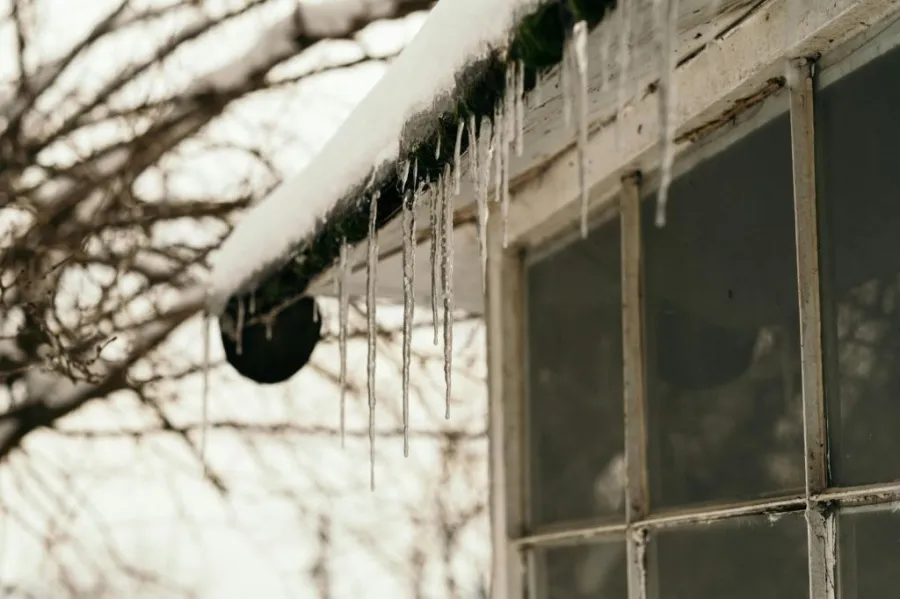
But at the edges of the roof and gutters, there are ice dams formed, which block the drainage of water. Standard-sized icicles are less problematic, but long and heavy icicles that hang along the edges of your roof are the warning signs for an ice dam problem.
These are some useful tips to help you recognise early signs of ice dams. Their prevention tips, and understand clearly how to clear ice dams from gutters:
- Frost or thick ridges of ice forming along the roof edges, and excessive snow buildup in the gutter line.
- Peeling paint, water stains, or moisture on interior walls or ceilings near the roofline.
- Damp or musty smells inside the home indicate possible trapped moisture, increasing humidity in the house.
By keeping an eye out for these warning signals and learning how to clear ice dams from gutters, we can prevent significant damage.
Tools you need to clear ice dams from gutters
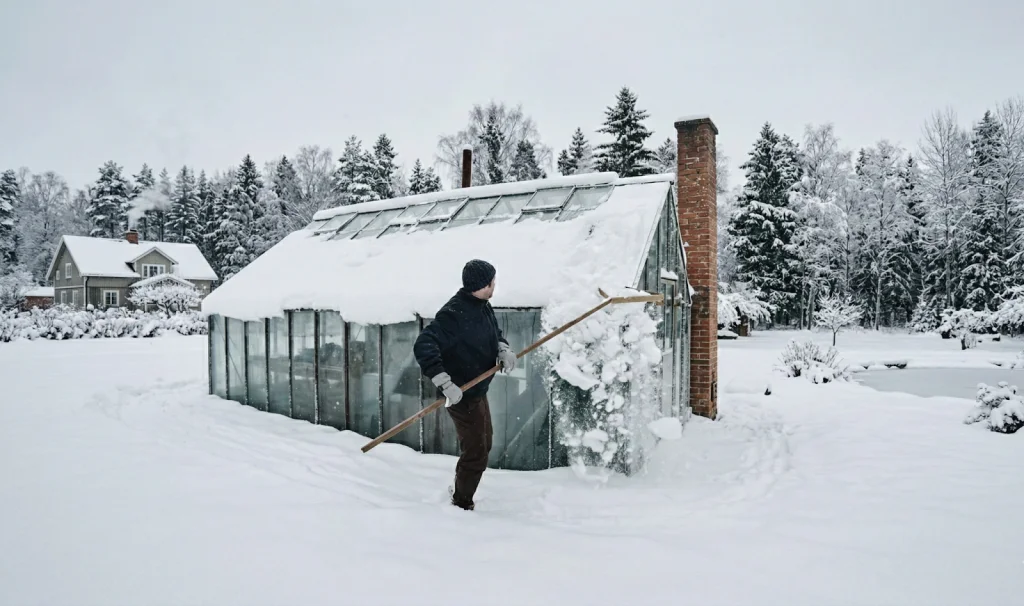
Clearing ice dams from gutters is a crucial winter maintenance task. With the right and effective tools, gutter snow removal becomes much easier, saves time, and is safer without damaging your gutters and roof. Here are some tools that can help:
- A Sturdy Ladder: It allows you to pull snow off the roof and gutters from the ground without climbing.
- Protective Gear: Wearing heavy-duty waterproof gloves and slip-resistant boots can keep you warm, safe and dry during chilly work.
- Roof Rake: A long-handled roof rake with an extendable handle is incredibly helpful for safely removing the snow, reducing the risk of further build-up.
- Gutter Scoop: A gutter scoop helps you remove ice, leaves, and debris from gutters more efficiently.
- Heat Cables: Installing heat cables along gutters and roof edges before the winter forecast can help melt ice and prevent ice dams. They also reduce the need for manual snow and ice removal.
- Snow Melting Systems: For a more permanent solution, some homeowners install electric snow melting systems in gutters and downspouts.
- Nylon Stockings or Mesh Bags: So you can easily collect debris and prevent clogging when cleaning gutters.
Some of the important materials which are needed for clearing these icy blockages are calcium chloride crystals, which are effective at much lower temperatures than standard rock salt.
Avoid using sodium chloride, as it can be highly corrosive to your metal gutters and surrounding vegetation. Before heading to how to clear ice dams from gutters, you have to make sure there is a cleared and safe perimeter on the ground to tackle this chore effectively.
How to safely clear ice dams from gutters
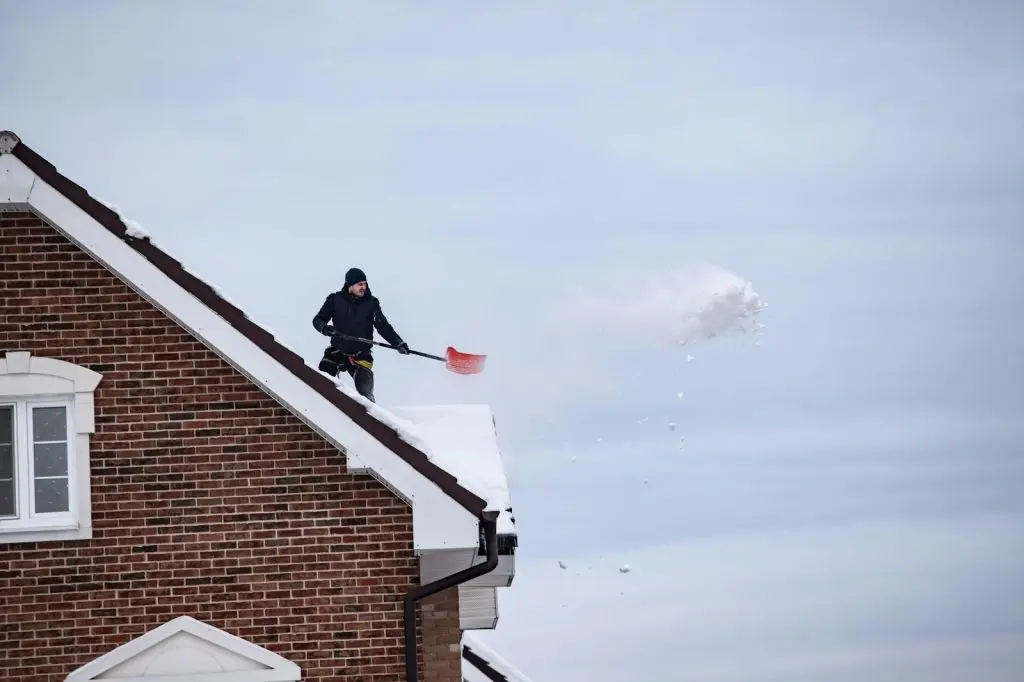
These are the simple, easy and safe ways of how to clear ice dams from gutters without causing damage to gutters. Here is the stepwise guidance to remove ice dams and prevent more ice buildup while protecting your home:
Step 1: Use a roof rake to remove excess snow
A roof rake is the safest hand tool for clearing ice dams. Remove all the excess snow from the roof first, so it does not make further buildup of thick snow while maintaining a more consistent roof temperature.
Gently pull the snow towards you with controlled and steady motion. Focusing on the areas directly above the gutters where the ice buildup is most significant. Then, clear ice dams from the roof and gutters with the help of a roof rake.
Step 2: Apply calcium chloride to melt ice
You can apply several pounds of calcium chloride. Preferably fill it inside the long socks (de-icing sock), nylon stockings or tubes. Then place them on the ice ridge to melt the ice. Make sure to lay it perpendicular over the dam so it crosses the ridge and hangs slightly over the edge.
As soon as the chemicals melt, they make a thin vertical channel through the dam. Make sure the channel is deep enough to reach the roof surface. This is the most effective way regarding how to clear ice dams from gutters without using physical force or manpower.
Step 3: Create drainage channels through the dam
The idea of creating drainage channels through the dam is about giving trapped water a pathway. It allows safe escape without damaging the roof through controlled melting. This will ensure that the water from the melting ice flows directly. If there is any blockage or clogging with slush, gently clear the path.
This method of how to clear ice dams from gutters is necessary for long-term safety, especially during a storm. When you deal with heavy ice assemblies don’t skip this drainage step. It causes water to back up under the shingles over time.
Step 4: Gently remove loose ice buildup
Now you can gently remove all the loose, weakened chunks of ice buildup without forcing harder, as it can damage or take out the top layer of the entire roof or entire gutter system.
What to avoid when removing ice dams
When removing ice dams, some of the most common mistakes people make are the following:
- Chipping with sharp tools like hammers or chisels for breaking the ice, which can easily crack cold shingles and also make holes in the gutter system, causes more harm than good.
- Never use boiling water to melt the ice, as it will refreeze and create an even thicker layer of ice, contributing to more ice dam problems.
- Similarly, trying to melt the ice with open flames or torches poses a serious fire hazard.
- Attempting these methods of how to clear ice dams from gutters should not be done in extreme or severe weather conditions, as they may increase the risk of accidents and compromise safety.
- Never use rock salt because it corrodes metal gutters, stains surfaces and damages shingles.
How to prevent future ice dams
You should take these preventive measures to prevent future ice dams from forming when you are doing yard winterization before the winter season. It will protect your home from costly water damage. It ensures your roof remains in good condition without any potential leakage areas. Along with ensuring all the steps of how to clear ice dams from gutters.
Firstly, you should improve your attic insulation, as it can keep warm air inside the living spaces. It also reduces heat loss through the roof, so the snow will not melt unevenly throughout the winter months. Additionally, ensure that your attic insulation is also well ventilated so that it allows cold air to circulate, keeping the roof cold.
Sealing all the leakage and gaps around pipes or chimneys will further reduce warm air leakage so that the roof temperature can be maintained. Another effective step is to install heating cables along the roof edges so ice dams cannot be formed there when doing outside home prep before the winter season.
FAQs
Can ice dams damage gutters?
Yes, Ice is heavy and prolongs accumulation, making gutters packed with solid ice and excessive ice dams. It can easily bend, break or detach it from the roof.
Is it safe to remove ice yourself?
Yes, if you have the right tools and you stay on the ground, and if you carefully follow all steps of how to clear ice dams from gutters. Otherwise you can call a professional steam removal service if your roof is exceptionally high and the ice dams are massive.
How fast should ice dams be removed?
Ice dams should be treated quickly as soon as you notice the water leakage in the house. If the ice dams are bigger than usual, because they can get massive by the time trapping water inside, causing damage to your house.
Do ice dams always mean poor insulation?
Not always, there are some other factors also, which make ice dams like poor ventilation, or air leaks or external factors like heavy snowfall with fluctuating temperatures.
Conclusion
To solve ice dam problems and ensure safety from damaging the most important part of your home- the roof. You should never think that the problem is only from the outside. Interior signs like bubbling paint, dripping, or water stains can indicate the risk of water blockage. It significantly affects inner areas of the house, leading to the growth of mould and mildew if left unchecked.
Addressing both the interior and exterior aspects of your home is essential for a safe and lasting solution. Taking proactive steps and regularly cleaning gutters and removing debris can prevent the formation of any blockage due to ice dams.