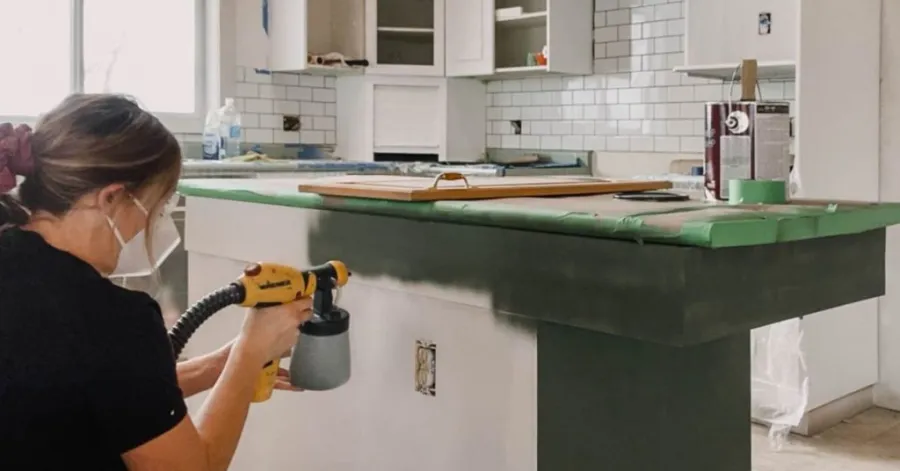
Painting your kitchen cabinets can make them look clean, stylish, and up to date, but they need to be properly cared for to stay in good shape. Grease, debris, and fingerprints can build up over time if you don’t clean it properly, ruining the gloss. To clean painted cabinets the right way will protect the finish and keep them looking brand new for years to come. For avoiding paint scratching, peeling, or fading, gentle cleaning and safe chemicals are needed. They are also easy to maintain if you clean them regularly, which will help them stay attractive and robust over time.
In this article, we will discuss how to clean painted cabinets safely, which cleansers to use, and how often to clean them.
- Best Supplies for Cleaning Painted Cabinets
- Why Painted Cabinets Need Special Cleaning Care
- How to Clean Painted Cabinets Step by Step
- Common Mistakes to Avoid When Cleaning Painted Cabinets
- How to Remove Grease from Painted Kitchen Cabinets
- How to Remove Stains from Painted Cabinets
- How to Maintain Painted Cabinets After Cleaning
Best Supplies for Cleaning Painted Cabinets
@tommy_j_o Spray smarter, not harder 🎨💪 The VEVOR 3000 PSI paint sprayer gets the job done fast! #vevortools #vevor #painting #diy #PaintHack @Vevor_US
♬ original sound – Tommy’s Shop 😎
Gentle Cleaning Products You Can Safely Use
You want to clean painted cabinets without damaging the finish. Use gentle cleaning methods to ensure how to clean painted cabinets without streaks or damage is done correctly without harming the finish. Find a light dish soap or a diluted vinegar solution. These are great choices for ordinary messes. Add a little dish soap to warm water. For something more natural, use 1 part vinegar with 3 parts water to make a diluted vinegar solution. Both options help to remove dirt and grease safely.
Microfiber Cloths vs. Scrub Brushes
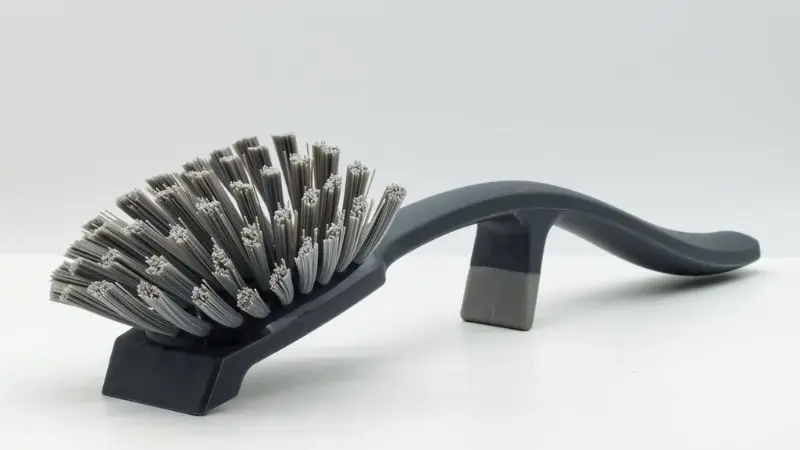
How to clean white painted cabinets that turn yellow? A microfiber cloth can be used for most cleaning jobs. Use microfiber cloths to lift dust and grime without harming the paint. Using scrub brushes with too much power can damage the surface. Save the scrub brushes for stubborn places, but always use soft bristles. Wipe lightly to protect the finish.
Homemade Cabinet Cleaning Solutions
Make your own cleaner at home. Vinegar can be diluted to make a safe and effective cleaning solution. Mix 1 cup of vinegar and 3 cups of water. If you need more cleaning power, add a couple of drops of dish soap. This approach is ideal for cleansing light stains and moist spots.
This is regarded as the best homemade cleaner for painted cabinets in kitchen since it helps remove grease without damaging the painted surface.
Tip: Always test the cleaner on a small, inconspicuous area first. That implies you don’t get wounded.
Cleaning Products to Avoid on Painted Cabinets
Do not use harsh chemicals or abrasive cleaners. Avoid these cleaning agents, as they may peel paint and impair gloss. Avoid using bleach, ammonia, or harsh degreasers. Go with the mild stuff to maintain the newness of your cabinets.
The improper materials might make it tough to know how to clean painted cabinets without streaks or damage, sometimes resulting in dull or uneven finishes over time.
Why Painted Cabinets Need Special Cleaning Care
Painted cabinets require more care than do wood or laminate cabinets. Painted finishes can be dulled, scratched, or damaged by harsh cleaners and tools. Kitchen cabinets are exposed to oil, moisture, food stains, and fingerprints daily; they require delicate cleaning to stay fresh.
Painted cabinets have a protective finish that wears away. Bleach and ammonia can discolor, peel, and break down paint. Scrub brushes and abrasive pads also scrape.
Soft microfiber cloths and mild cleansers that will cut grime and oil without harming the paint will be used. Regular maintenance helps keep the cabinets clean and the paint intact. The following precautions form the basis of a step-by-step guide on cleaning painted cabinets safely.
Note: Wipe up tiny spills and grease marks quickly so you won’t end up with permanent stains and a lot of cleaning.
How to Clean Painted Cabinets Step by Step
Step 1: Remove Dust and Loose Dirt
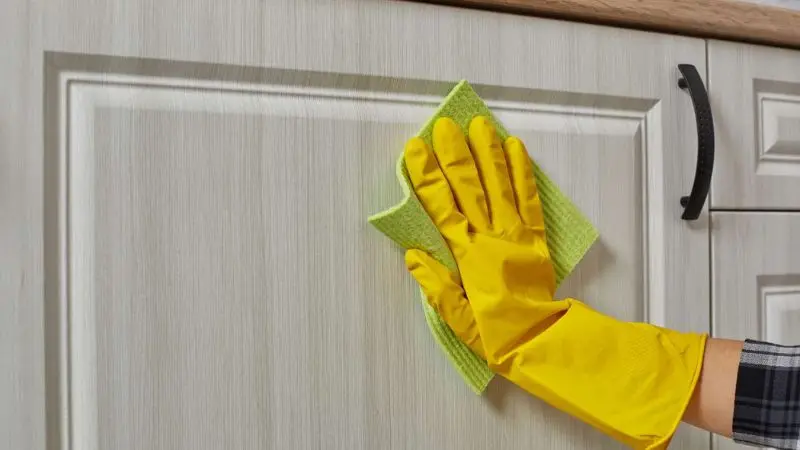
Step-by-step guide to cleaning painted cabinets safely. Begin by wiping out dust and loose dirt on your cabinets. Use a dry microfiber towel to wipe surfaces. Use a delicate brush to go into corners and edges. This step prepares you to clean painted cabinets without damaging the paint finish.
Step 2: Prepare a Mild Cleaning Solution
The best homemade cleaner for painted cabinets in kitchen: Make a cleaning solution with warm water and a few drops of dish soap. Or you may make your own cleaning solution with vinegar and water. Pour the cleaning solution into a spray bottle for easy application. Always test your cleaning solution on an inconspicuous area before cleaning painted cabinets.
Tip: Don’t use too much liquid. Moisture is bad for paint. Too much of it and the paint will be ruined.
Step 3: Wipe Cabinets Without Damaging Paint
Spray a microfiber cloth with your cleaning solution. Cabinet surfaces: Wipe on the light side. Don’t scrub hard. You want to wash painted cabinets and preserve the paint. Work in small sections so that the cleaning solution does not dry on the surface.
Step 4: Clean Around Handles and Corners
Handles and nooks collect grime. Use a soft brush or cotton bud dipped in your cleaning solution. Wipe down these spots. You can avoid build-up and keep your cabinets looking fresh.
Step 5: Dry Cabinets Properly to Prevent Streaks
Remove the water using a dry microfibre cloth. All surfaces should be rubbed until dry. This will help you avoid streaks and protect the finish. Now you know how to clean painted cabinets and how to keep them looking gorgeous.
Common Mistakes to Avoid When Cleaning Painted Cabinets
- Strong cleaners such as bleach, ammonia, or degreasers might harm the paint surface or cause it to fade.
- Scrubbing too hard with rough rags or stiff brushes will harm the surface.
- Water can seep into the joints and borders and create swelling or damage to the paint) Over-watering.
- You can skip the drying phase, but you may end up with lines, dullness, or a finish that wears down over time.
- Not cleaning it regularly enough so that grease and dirt build up and become more difficult to remove over time.
How to Remove Grease from Painted Kitchen Cabinets
Best Degreasers for Painted Cabinets
You need a safe degreaser to protect your painted cabinets. Store-bought degreasers are generally too harsh. Choose products labeled safe for painted surfaces. “Always read the label before you buy it. A mild dish soap can also be a gentle degreaser. It dissolves grease without hurting the paint.
Using Dish Soap and Warm Water Effectively
Light soap and warm water will usually remove greasy areas. Heat a bowl of water. Add a few drops of mild dish soap. Dip a microfiber towel into the soapy water. Squeeze out the fabric so that it is damp, not soaked. Rub the greasy spot in little circles. Rinse the towel often so you don’t spread the grease.
Dry the cabinet with a clean towel after you are finished. The best homemade cleaner for painted cabinets in kitchen prevents watermarks from forming.
How to Tackle Stubborn Grease Buildup
Sometimes there is oil on the surface, and it does not come off readily. You may prepare a paste out of baking soda and mild dish soap. Spread the paste on the oily place. Leave it for five minutes. Scrub gently with a soft cloth. Wipe off the paste with a wet towel. Repeat as required.
Safe Natural Solutions for Greasy Cabinets
Step-by-step guide to cleaning painted cabinets safely: Natural cleansers are the better option. Mix equal parts water and vinegar in a spray bottle. Spray the solution over the oily spot. Set it aside for a few minutes. Wipe with a microfibre cloth. For stubborn places, add a little mild dish soap to the vinegar solution. This way, your cabinets stay clean and protected.
How to Remove Stains from Painted Cabinets
Cleaning Food Stains and Fingerprints
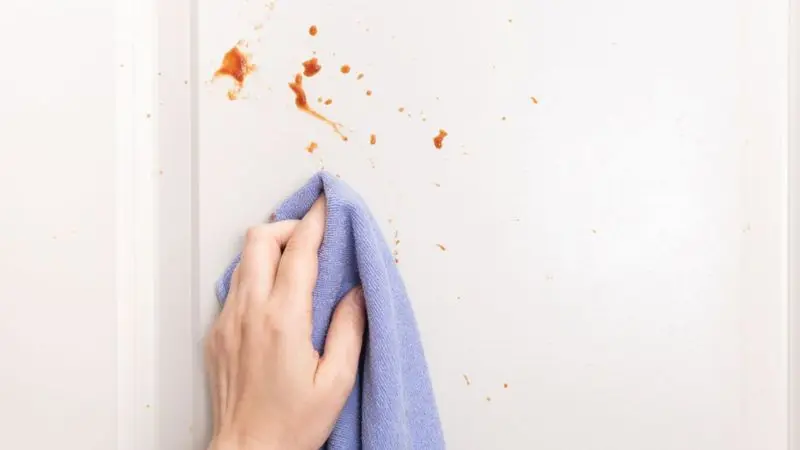
Cabinets, especially in the kitchen, commonly have fingerprints and food marks on the paint, and this relates to how to remove stains from painted kitchen cabinets gently. Be gentle, and you can get rid of these marks. Soak a microfiber cloth with warm, soapy water. Use tiny, circular strokes to clean the discolored area. Press a little harder on places that won’t go away, but don’t scratch them. Pat the area dry with a clean cloth, and wipe away any damp marks.
Removing Sticky Residue Without Peeling Paint
Tape, labels, or spills can leave behind sticky residue on your cabinets. You don’t want any harsh chemicals that could strip the paint , especially when focusing on how to clean painted cabinets without streaks or damage. Instead, put a little dish soap in warm water. Dip a cotton cloth in the solution and rub the sticky spot lightly. If it still won’t come off, try a little olive oil on a cloth. Wipe away all stickiness. Use a damp cloth to remove any oil.
Spot-Cleaning Techniques for Tough Marks
Some sorts of marks, such as crayon or ink, require special attention. Make a paste of baking soda and water. Use your finger or a soft towel to rub the paste into the mark. Let it sit for a minute. GENTLY RUB IN CIRCULAR MOTION. Wipe the paste off with a damp cloth and dry the area. This method is often used for how to remove stains from painted kitchen cabinets gently when regular cleaning is not enough.
Always test any cleaning method on an inconspicuous area first to guarantee it doesn’t damage the finish.
Deep Cleaning Painted Cabinets
A deep clean can help get rid of that accumulation of filth and grime that standard cleaning can’t quite manage, and will take painted cabinets from looking grungy and greasy to shining clean. It should be repeated every few months, or more often in busy kitchens, to keep the sheen and lifespan. This process follows how to clean painted cabinets without streaks or damage for safe and effective results.
Start with a dry microfiber cloth to dust off loose dust. Make a gentle cleaning solution with warm water and a few drops of dish soap or a vinegar-water mixture. Using a soft cloth, gently clean all cabinet surfaces, paying special attention to areas that accumulate the most dirt.
How to Maintain Painted Cabinets After Cleaning
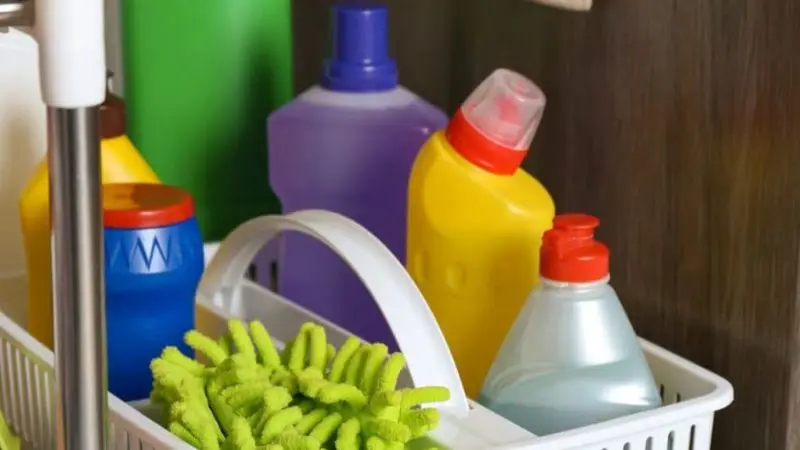
With regular care, painted cabinets will remain clean, smooth, and attractive for many years, and this is especially important for how to clean white painted cabinets that turn yellow over time. After you have cleaned it, you must protect the painted surface against moisture, grease, and ordinary wear. Simple routines avoid fade, peel, and scratch.
Dry cabinets well after. Excessive moisture can eventually damage paint, especially on edges and corners. Use a soft microfiber cloth to wipe away water so it doesn’t smear.
To keep cabinets looking new, wipe up spills and grease quickly, dust periodically, and use only mild cleansers. Do not slam cabinet doors or use harsh chemicals and pads that will ruin the gloss. Be very careful with the buttons and areas where grease and dirt tend to build up. Regularly wiping them down with a soft cloth will prevent them from getting too dingy and help them look newer, longer.
Conclusion:
Keeping your kitchen cabinets clean and well-maintained will help them last longer and look better. Cleaning them gently and the essential processes will not ruin, fade, or wear off the paint surface. If you maintain it regularly, you will ensure the finish stays smooth, bright, and long-lasting. Regular cleaning will also help avoid oil and dirt build-up over time. Simple, safe cleaning practices will help your cabinets last longer and keep your kitchen looking immaculate.
This guide makes it easy and stress-free to learn how to clean painted cabinets and keep them looking great.
FAQ
Can you use magic erasers on painted cabinets?
You can use magic erasers on painted surfaces to scratch them. Instead, use a soft microfiber cloth. First, secretly clean a tiny area with any new tool.
How often should you clean painted cabinets?
Clean the drawers weekly. Clean them well once a month. Regular upkeep keeps the shine bright and prevents buildup.
What should you do if the paint starts peeling?
- No more powerful cleaners.
- Touch up the place with matching paint.
- Dry the area to prevent further harm.