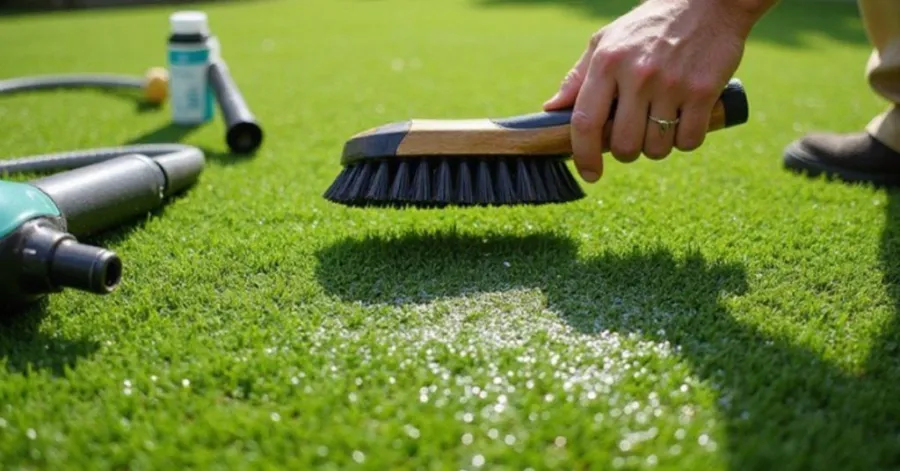
Artificial turf (also known as fake grass) is in demand because it stays green year-round and requires less maintenance than natural grass. Nevertheless, it is relevant to know how to clean fake grass as it gathers dust, leaves, pet waste, and leaves marks with time. Using tools like a lawn sweeper makes cleaning much faster and easier. Regularly washing artificial grass at home keeps it clean, hygienic, and long-lasting. This guide will show you easy, step-by-step techniques to clean fake grass so you can keep your lawn looking neat, green, and fresh year-round.
Tools and Materials You Will Need
All the fundamental tools should be gathered beforehand. This not only makes cleaning quicker but also prevents interruptions during work. The majority of them can be found in the homestead and are safe to use on artificial grass. Correct materials also help to make the cleaning time so that it does not ruin the turf.
You can clean your room easily, efficiently, and without any stress when you have the right tools. Now we will see what you will require:
- Pressure sprayer or garden hose.
- Rake or soft-bristle broom.
- Bucket
- Mild soap or detergent.
- Vinegar (optional – to remove smell)
- Microfiber cloth or sponge.
- Pet cleaner (optional)
- Fast debris collection by means of a lawn sweeper
These are sufficient for daily cleaning, stain removal, and overall maintenance of artificial grass.
@melaniejustmel8 This Vevor Lawnsweeper picks up everything of your grass,since you can adjust the hight on the bristles #vevor #vevorlawnsweeper #vevortools #lawnsweeper #yardwork #lawncare #vevorsummerlife #tiktokshopcreatorpicks
♬ original sound – Mel & AL Gifts and more🗝
Why Using the Right Cleaning Tools Matters
It is also important to use the proper equipment when cleaning artificial grass. The brushes and rakes are soft to raise the grass fibers, but without breaking them. A garden hose will eliminate the light dust, and mild soap will ensure that the surface is safe and clean. A lawn sweeper is one of the best tools for covering a larger area and collecting leaves, dust, and other debris in a short time with minimal effort.
A grass mower is time-saving over a hand-cleaning mower, particularly when one has a large yard. It locates dirt with a gentle pick, without disturbing the turf. This is what makes it suitable for routine repairs and thorough cleaning. The appropriate equipment not only enhances the cleaning performance but also extends the life cycle of your artificial grass and beautifies it, keeping it tidy and fresh throughout the year.
Step-by-Step Method to Clean Fake Grass
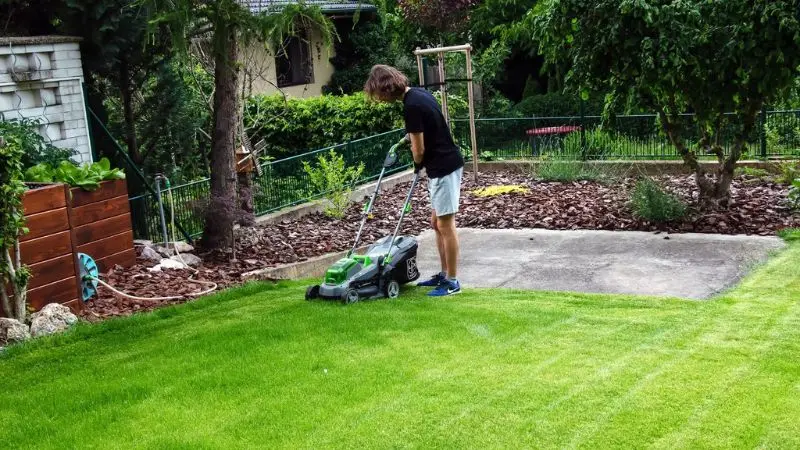
To keep artificial grass fresh, green, and long-lasting, cleaning it in the right manner is important. An easy schedule can keep the surface free of dust, stains, and debris without harming the surface. A lawn cleaner can be used to complete the task much quicker, particularly in large spaces. These are simple steps that should be followed step by step.
Step 1: Remove Leaves, Dust, and Loose Dirt from the Surface
Begin by sweeping out all the loose material, such as leaves, dust, twigs, and stones, on the artificial grass surface. This is a crucial step in how to clean fake grass because dirt left on top may block drainage and make the lawn look dull. Broom, rake, or leaf blower. Even better is a lawn sweeper since it doesn’t destroy the grass fibers, and it collects all the loose dirt in a short time in a big area. Periodic clipping will make your artificial grass clean and more maintainable.
Step 2: Wash the Artificial Grass with Clean Water
When the artificial grass is trimmed down, hose it down with a garden hose. This helps eliminate the fine dust and light dirt that are caught between the fibers. Spray water around the surface to be able to clean all the parts. Very heavy pressure should not be applied, as it can damage the grass’s structure. This basic rinse cleanses the surface and sets it up to be further washed. Frequent cleaning will keep your fake grass looking fresh and will prevent dirt accumulation over time.
Step 3: Make a Gentle Cleaning Solution for Washing
Get a small amount of soap and a bucket of warm water now and prepare a mild cleaning solution. Blend it until it is slightly frothy. It is a safe artificial grass solution that removes stains with no damage. In case of bad smell (particularly the pets), you can add a drop of vinegar. This also contributes to a safe cleaning procedure of artificial turf and is used in keeping your lawn clean and smelling fresh.
Step 4: Gently Scrub Dirty and Stained Areas
Clean the fake grass using a soft-bristle brush; it removes stains and dirt on the grass. Use the brush to move up and down and move in various directions to raise the fibers and clear trapped dirt. Take great care not to overdo the amount of pressure since it will harm the turf. This is an important part of how to clean fake grass at home easily, step by step, because it restores the natural look. Scrubbing is done carefully in order to remove the stains and leave the surface shiny and clean.
Step 5: Rinse Off All Soap and Cleaning Solution
Scrub and again run under clean water to take off all traces of soap. The importance of this step is that any remaining soap may leave the surface sticky and attract more dust. Ensure that you wipe all over. Safe cleaning procedures of artificial turf include proper rinsing, which aids in preserving softness. A clean rinse also helps ensure your lawn looks natural and helps prevent any accumulation that may impact the grass over time.
Step 6: Let It Dry and Brush the Grass Upright
For fake grass, it should be allowed to dry in the open air. Do not use heaters or powerful dryers. After drying, sweep the bunting upwards with a broom or rake to straighten them. This is a reflection on how to care for and clean fake grass in the backyard, which makes the lawn appear lush and green. Brushing also improves appearance in how to clean fake grass at home easily step by step, making the surface look fuller and more natural.
How to Clean Pet Waste from Fake Grass
Pet waste on artificial grass is crucial to clean up because of hygiene and odor. Otherwise, it may result in poor smells and bacterial accumulation in your lawn. Cautionary measures also keep your fake grass maintained and safe for pets and family. The surface will be maintained clean after the use of a lawn sweeper, but pet waste will require prompt and immediate cleaning actions.
Remove Solid Waste Immediately from the Artificial Grass
The initial, and the most crucial, action is to eliminate solid waste, pet waste, etc., as soon as you can. Do not leave it on the artificial grass as it may leave a stain on the surface and form unpleasant smells. Grasp it with gloves or a scoop and dispose of it appropriately. The timely response will save the turf fibers, and the area will be clean. This is the least difficult habit to adopt to keep artificial grass areas hygienic and eliminate the risk of damage over time.
Rinse the Area Thoroughly with Clean Water
Rinse the affected area with clean water after the removal of solid waste. This aids in removing urine, residue, and particles that may remain on the surface. Wet down with a garden hose, making sure not to disturb the fibers of the turf. Ensure that water is flowing through the grass to wash the bottom layer, also. It also supports safe cleaning methods for artificial turf and fake grass, ensuring proper hygiene and freshness in daily fake grass cleaning.
Apply Enzyme Cleaner to Remove Odor and Bacteria
Wash the area with a pet-safe enzyme cleaner to completely cleanse and disinfect it. Apply it to the problem area and allow it to dry for a couple of minutes to decompose odor and bacteria. They are specially designed artificial grass cleaners and are pet-friendly. Once applied, lightly rinse with some water. This is a necessary step towards safe cleaning procedures in artificial turf and long-term maintenance of your lawn with a pleasant and healthy smell.
How to Remove Stains from Artificial Grass
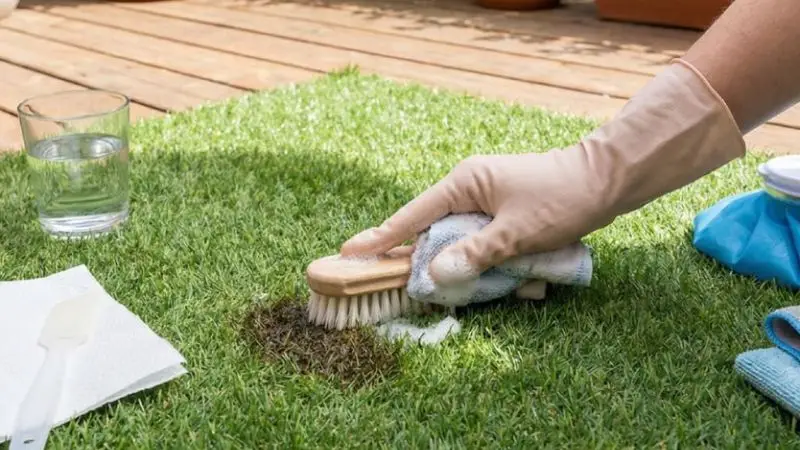
Artificial grass stains may occur as a result of food, beverages, pets, or outdoor activities. The good news is that, even most stains can be removed easily provided that you act fast. Cleaning also leaves your fake grass fresh by preventing permanent marks that may occur and it helps keep your lawn clean. Proper cleaning also supports how to maintain and clean fake grass in the backyard for long-term care. The following are easy methods to deal with the various kinds of stains.
Food and Drink Stains on Fake Grass
The spills on artificial grass are mostly due to food and drink, more so during outdoor parties. It is important that you wash them before they get embedded in the fibers. Warm water should be added to a bit of mild soap, and a soft cloth or sponge should be used to gently clean the area. Do not rub excessively; this can cause the stain to spread. Wash with freshwater thereafter to get rid of soap. The most effective method of keeping your fake grass cleaning routine active is through quick action, so that no permanent marks are left.
Oil or Grease Stains on Artificial Grass
Oil or grease stains may appear challenging, but they can be eliminated using the appropriate method. Add a minimal portion of dish soap to the stain and leave it to sit for a few minutes. Then lightly rub with a soft brush or cloth. The soap assists in the breakdown of the grease without destroying the fibers of the turf. Rinse the area with water after cleaning. This is an easy technique that can be used to clean artificial grass and also to restore the grass to a natural appearance.
Removing Tough or Deep Stains from Fake Grass
Certain stains can be more difficult to clear, and in fact, they can be long-lived. When this happens, repeat the cleaning procedure a couple of times with mild soap and water. If the stain persists, apply a turf-safe stain remover designed for artificial fields. This is important in how to clean fake grass at home easily, step by step, because stubborn marks need extra care. Always follow the product directions to avoid damaging it. Tough stains require time to get off. Even the most difficult-to-remove marks can be eliminated with proper care and maintenance, keeping your artificial grass clean and fresh.
How to Maintain and Clean Fake Grass in the Backyard
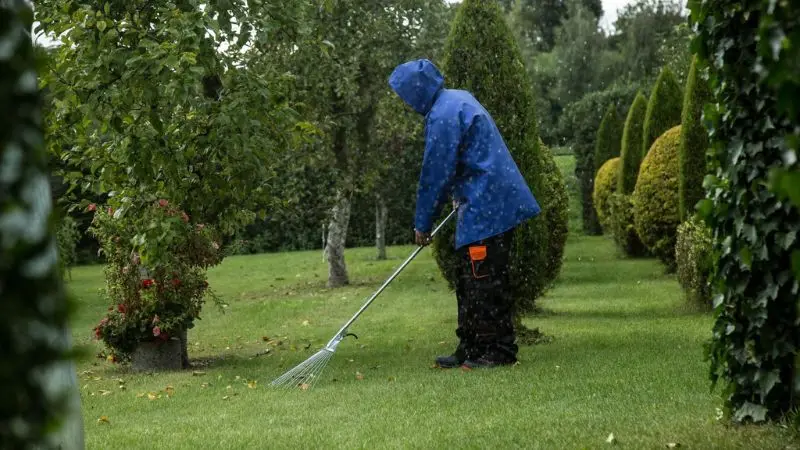
Knowing how to maintain and clean fake grass in the backyard helps keep your outdoor space clean all year. A lawn sweeper can quickly clean loose debris; however, daily and weekly attention is still needed to achieve long-term results. Some simple maintenance tips for your fake grass are listed below.
Brush Regularly to Keep Grass Fibers Upright and Natural
Regular brushing of artificial grass also keeps the fibers upright and makes them appear natural. Over time, foot traffic may flatten the grass, making it less realistic. Lightly brush the surface with a soft-bristle broom or rake in various directions. This lifts up the fibers and enhances the appearance. Frequent brushing is a significant factor in the care of fake grass, as it keeps the lawn tender, fresh, and less like fake grass.
Clean Weekly to Prevent Dirt and Debris Buildup
Weekly cleaning is crucial to maintaining the artificial grass. Light cleaning helps to avoid the accumulation of dust, leaves, and other small particles on the surface. You can first sweep off the loose dirt with a broom or lawn sweeper and then rinse it down with a little water. This basic habit will help to keep the place tidy and minimize the amount of deep cleaning that will be done later. Enhanced care also ensures that your fake grass remains bright, fresh, and well-maintained all year round, either by regular weekly care.
Avoid Harsh Chemicals That Can Damage Turf Fibers and Color
When cleaning artificial grass, it is important to ensure one does not use harsh chemicals. Powerful cleaners, such as bleach or industrial cleaners, may destroy the turf fibers and complete the coloring over time. Rather, it is best to always use mild soap, water, or turf-safe cleaners. Mild cleaning agents will suffice to clean the surface without damaging it. Safe products are also used to prolong the lifespan of your fake grass and make it look natural and vibrant.
Common Mistakes to Avoid
Small errors may cause damage or shorten the lifespan of artificial grass during maintenance. Many individuals do not know which tools to use or even omit some crucial cleaning steps. These are some mistakes you can avoid to maintain a clean, safe, and long-lasting lawn. A lawn sweeper would help you spend less time on maintenance, though proper care habits are still required.
- With bleach or strong chemicals.
- For too long a time, pet waste has been neglected.
- Hard metal brushes are used.
- Skipping regular cleaning
These errors will be avoided, and this will ensure that your artificial grass remains in good condition, soft and attractive in appearance, even over a period of years.
Wrap Up
With proper steps taken at regular intervals, cleaning and maintaining the artificial grass is an easy task. Whether it is using a lawn sweeper to clean the lawn or rinsing, scrubbing, and cleaning the area of a stain, all of these will help keep your lawn clean and long-lasting. Daily cleaning with safe cleaning substances such as mild soap and water, preserves the fibers and maintains the color. Timely cleaning of pet waste and stains will avoid irreversible harm. Your artificial grass can remain clean, soft, and natural all year round with weekly attention and the right equipment. Simple maintenance can do wonders for ensuring your outdoor space is beautiful and easy to enjoy.
FAQs
How frequently should I clean artificial grass?
Light cleaning of fake grass should be performed on a weekly basis, whereas a deep cleaning should be done in a week or monthly, depending on the use of the grass.
Is it possible to use a lawn sweeper on artificial grass?
Yes, a lawn sweeper is secure and highly efficient in picking up fallen leaves, dust, and loose debris.
Which is the most appropriate cleaner for artificial grass?
Normal cleaning should be done with mild soap and water. In the case of smell, apply vinegar or animal-degradable enzyme wash.
What do I do to eliminate the odor of fake grass?
Wash under running water and use a mixture of vinegar or enzyme cleaner to remove odors.
Does artificial grass become permanently stained?
Most stains are not permanent, provided they are washed off in a short time. Late cleaning can result in harder marks.