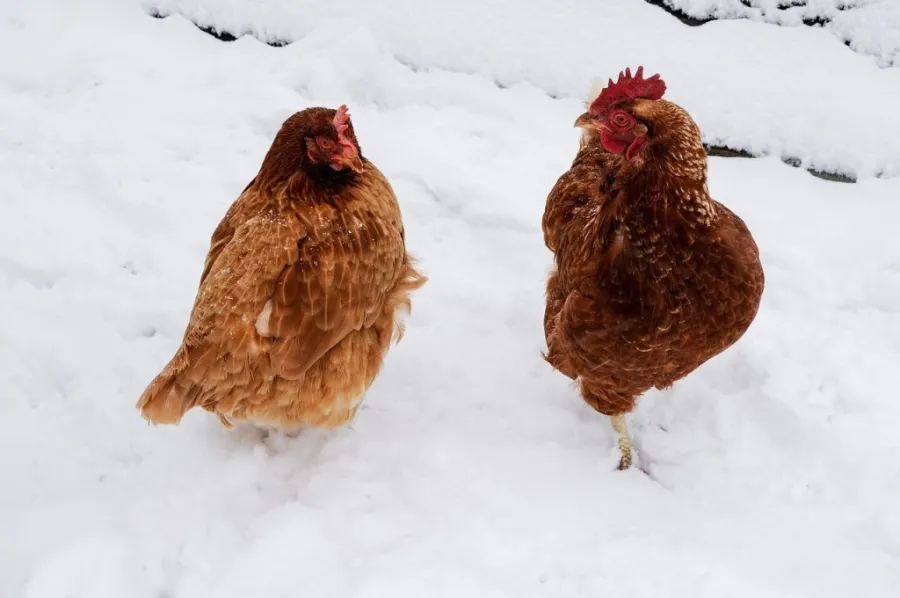
Are you wondering whether your girls are freezing outside as you look out the window at the snow falling? Every backyard keeper worries about this: How cold can my hens tolerate before it’s too late? Will they completely cease laying eggs, or worse, get frostbite when they wake up? It’s not as hard as you may think to learn how to care for chickens in the winter, though.
Having the appropriate tools, like an automatic coop door, can be quite beneficial when the snow starts to fall. Let’s begin discussing the actions you should take to ensure the health of your hens during winter!
Why are winters so harsh for chickens?
Winter poses three major threats: dampness, drafts, and frozen resources. While chickens in winter are surprisingly robust, they cannot tolerate being both wet and cold. This combo causes disease swiftly.
If you’re asking how cold can chickens tolerate, they can actually withstand sub-zero temperatures if kept dry. However, their metabolism must work overtime just to stay alive. This leaves them with little energy to deposit eggs.
Step-by-Step: how to care for chickens in the winter
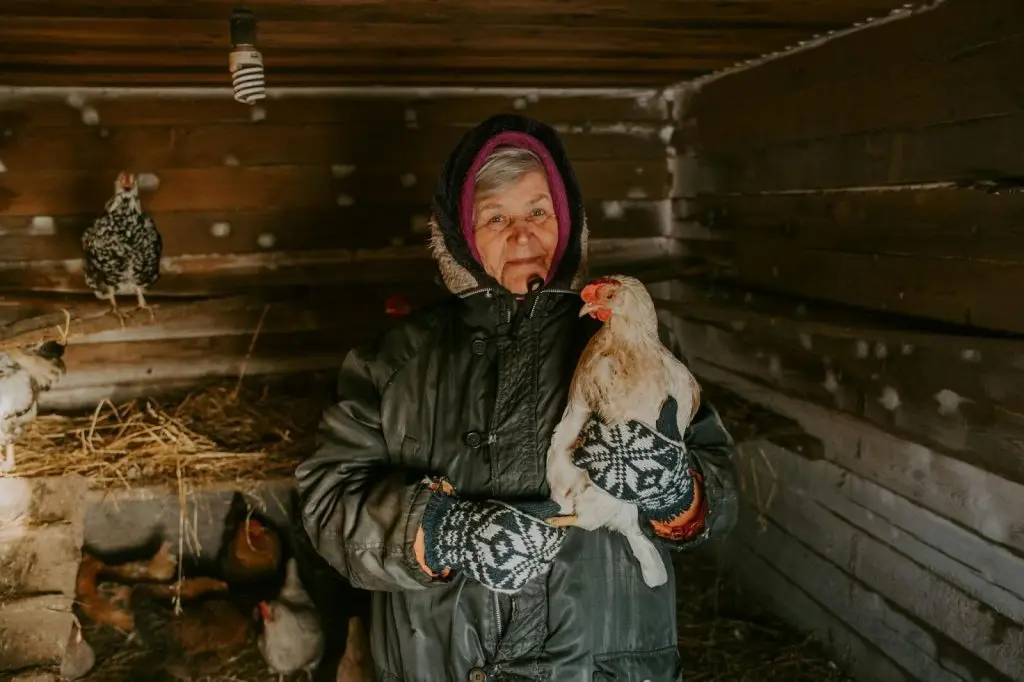
Taking care of your birds necessitates a proactive strategy before the severe frost begins. Follow these methods to keep your flock healthy until the spring thaw begins.
Step 1: Winter-proof the coop
Begin by inspecting the walls for gaps and holes. Predators and rodents are yearning for a warm area during the cold months, so make sure the construction is robust and secure.
An additional degree of security can be offered by a sizable covered walk-in chicken run that is covered. To make sure everyone has enough room to remain dry, if you have a larger flock, take a look at these chicken coop designs for 20 chickens.
Step 2: Add deep, dry bedding
The “deep litter method” is quite useful for keeping chickens warm in winter. Instead of thoroughly washing the floor, add 4-6 inches of pine shavings or straw to create a natural insulating layer.
As the bedding degrades over time, it produces a small quantity of natural heat. This is an important part of learning how to winterize a chicken coop efficiently. Simply swirl the top layer now and again to keep it from becoming too compact.
VEVOR Large Metal Chicken Coop For Sale – Watch Demo Video
Step 3: Block drafts but maintain ventilation
This is the most difficult aspect of how to care for chickens in the winter. You must prevent wind from directly striking your birds when they roost, particularly at floor level or via the doors.
However, you must keep high vents open near the roof. This lets growing moisture and ammonia escape. Learning to insulate a chicken coop properly entails striking the ideal balance between trapping heat and allowing airflow.
Step 4: Adjust their feed for extra energy
Chickens expend tremendous amounts of energy simply to stay warm. Change to a higher protein diet and offer a handful of “warm” snacks like cracked corn or scratch grains just before nightfall.
Corn digestion generates internal body heat, allowing them to stay warm at night. Think of it as a small internal space heater that works as they sleep.
Step 5: Provide unfrozen water daily
Hydration is vital, yet waterers freeze all winter. A heated poultry waterer base is the most convenient way to keep them hydrated at all times.
If you do not utilize a heater, you will have to haul buckets out to the coop many times every day. Never leave your birds without fresh, drinkable water for hours during a frost.
Step 6: Protect combs and feet from frostbite
Large combs are prone to freezing when the air is humid. You might use a little layer of petroleum jelly to protect their combs from the piercing cold.
Ensure that your perches are at least 4 inches broad. This allows the hens to sit on their feet, keeping their toes warm and protected from the cold.
Step 7: Let chickens outside safely
Most chickens dislike going through snow, but they still require sunlight and fresh air. If you’re spending time outside with them, a propane patio heater will keep you toasty while you monitor the flock.
Clear a small patch of ground or spread straw in their run to keep their feet dry. This simple technique motivates them to leave the coop and get some exercise.
Step 8: Monitor egg production and light levels
Shorter days result in fewer eggs, which is a normal cycle for birds. If you want eggs all year, consider setting up a modest, low-wattage light inside the coop on a timer.
However, many keepers choose to give their hens a rest. This respite allows their bodies to recover, keeping them strong and healthy for a very productive spring season.
Tips to keep chickens healthy during winter
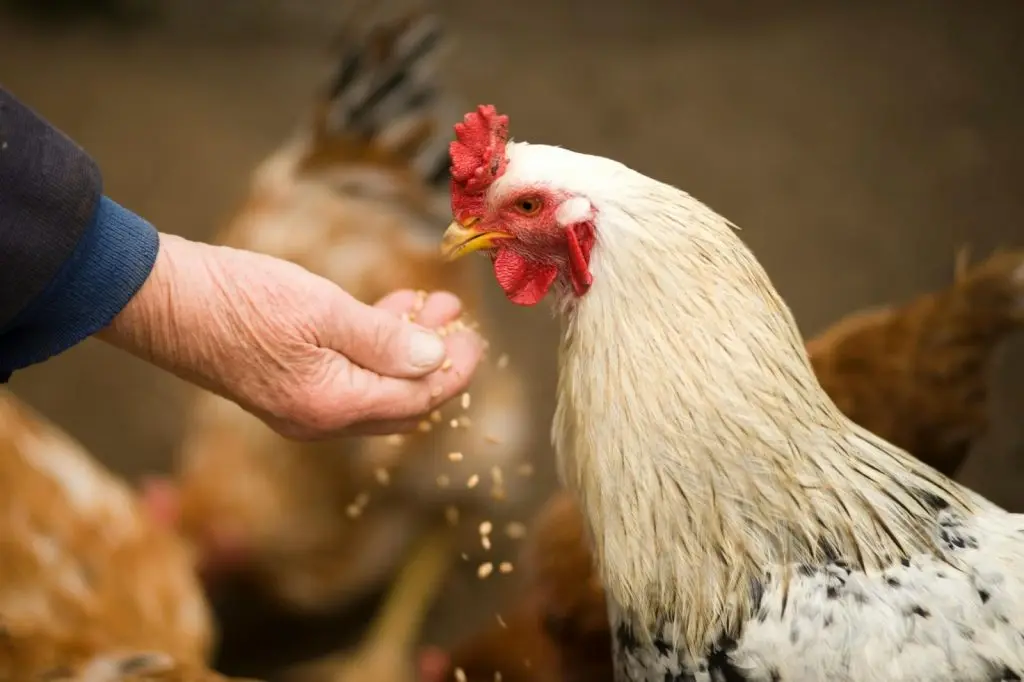
The tiny things you do every day help to keep your flock healthy. Here are some brief pointers to keep in mind throughout the season.
Keep the coop dry at all times.
The biggest killer of chickens in winter is moisture. Any damp bedding should be replaced right away. More ventilation is required at the top of the coop if condensation appears on the windows.
Avoid overheating the coop.
While you want warmth, fire safety is essential. A portable pet heater with overheat safety is a safer technique to deliver a gradual temperature increase. For additional information, see our guide on how to keep a chicken coop warm in the winter safely.
Check birds daily for frostbite.
Check their toes or combs for blackened tips. You can prevent more suffering for the bird and enhance the ventilation in the coop if you catch it early.
Prevent moisture buildup
Water spills are your worst enemy. During severe humidity surges, a portable fan heater that heats quickly can help move air around and keep the area dry in some smaller installations.
Use windbreaks for outdoor runs.
The wind can be blocked by affixing a straightforward piece of plywood or clear plastic to the run’s side. This encourages your birds to safely explore their walk-in run and leave the coop.
Common winter care mistakes to avoid
Avoid making these easy mistakes that could endanger the health of your flock over the winter:
- Sealing the Coop Airtight: A lot of owners attempt to keep heat in by sealing off any openings. In fact, this retains ammonia fumes and lethal moisture, which causes frostbite and respiratory ailments.
- Using the Wrong Bedding: Since cedar shavings can be hazardous to chickens, stay away from them. Use only high-quality straw or pine shavings to keep the floor dry, warm, and secure.
- Ignoring Boredom Busters: When cooped up inside, chickens get grumpy and hostile. To keep them busy and stop them from picking on each other, hang a head of cabbage or use a peck toy.
- Ignoring Water Checks: It’s a big mistake to assume that the birds aren’t thirsty when it’s chilly. Make sure their water is always available and liquid, even in extremely cold weather.
FAQs
Do chickens need a heated coop?
In general, no. The natural down coat of chickens keeps them extremely warm. They can tolerate the cold fairly well without a heater as long as they are dry and out of the wind.
How cold is too cold for chickens?
Most breeds can withstand temperatures as low as 0°F. Even lower temperatures can be tolerated by certain cold-hardy breeds. When the temperature falls below zero, and the wind is blowing straight on them, that is when they are truly in danger.
Can chickens walk in snow?
Although many decide not to, they can. They dislike the feeling of being wet and chilly since their feet are sensitive. They can venture out much more easily if there is a straw route.
How do I stop water from freezing?
Using a submersible heater or a heated base is the simplest method. You will need to replace frozen bowls with new ones two to three times a day if you do not have electricity.
Conclusion
Can your chickens survive the major freeze? As long as you have discussed the fundamentals of how to care for chickens in the winter, the answer is definitely yes. You can guarantee that they will not only live but also remain healthy enough to resume filling those egg baskets as soon as the days become longer by keeping them dry and out of the wind.
By using the proper coop accessories, you may make your tasks easier and provide the finest possible environment for your birds. When spring finally arrives, your chickens will be ready to reward you with an abundance of eggs if you work hard and keep your bedding dry.