Keeping your dog clean is a significant aspect of good health. The right way to bathe a dog will help you prevent skin issues, stress, and unnecessary messiness. Regular training keeps your dog clean and preserves the natural oils in the skin. Whether you are a beginner or already experienced, it is easier and safer to follow a step-by-step guide on how to bathe a dog at home. Learning the right methods, equipment, and timing will help you establish an excellent bathing habit for your pet. Using a bathtub can make the entire process more controlled and convenient, especially when managing water flow and keeping your dog stable during bath time.
What to Prepare Before Bathing Your Dog
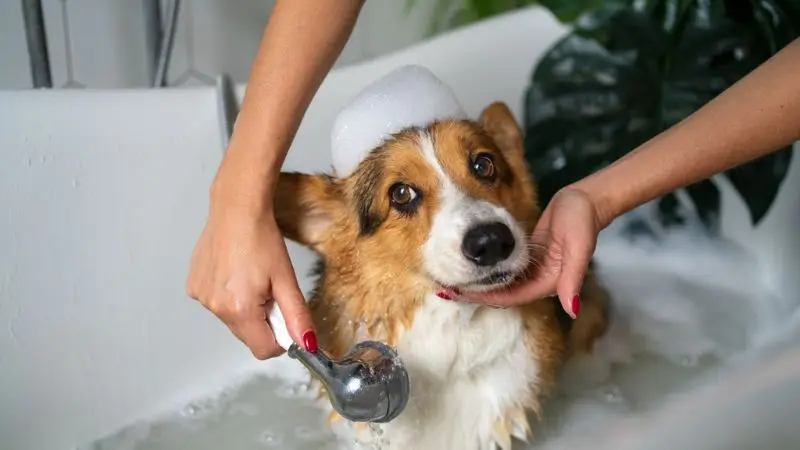
Preparing before bathing can help a lot for both you and your pet. A relaxing environment will ease the tension and keep your dog relaxed throughout the process. When you are learning how to bathe a dog, one of the most crucial things to consider is to prepare.
The right supplies also help save time and ensure your dog is not made nervous by the bath. A properly prepared place can be particularly useful in a step-by-step guide on how to bathe a dog at home, since it makes the routine of doing it simple and orderly.
Choose the Best Shampoo for Your Dog
Choosing the right shampoo is important, as dogs have sensitive skin and require gentle treatment. Human shampoos may dry out their skin, and they can itch or feel irritated after bathing. A dog-friendly shampoo will keep the coat clean and preserve natural oils, ensuring healthy fur and skin. When your dog is allergic or has dry skin, use a sensitive formula designed for sensitive pets.
When teaching to wash a dog, it can be more comfortable and efficient to choose the right shampoo. Special products that are tear-free and soft are also needed by puppies, particularly when you are learning how to bathe a puppy safely. You should never put anything on your dog without reading the label, and you should not use strong fragrances or rough chemicals that can irritate your dog’s skin.
Gather the Grooming Tools You Will Need
Bathing your dog with proper grooming equipment can make bath time enjoyable and comfortable. Among the simplest items are a soft brush, towels, a non-slip mat, and a cup or spray nozzle to rinse. Before bathing your dog, it is a good idea to brush it to loosen loose fur and tangles so the shampoo can work well on the coat.
Much of the information that owners of dogs that hate water search for on how to wash a dog will show that, with the right tools, fear and discomfort can be minimized. A non-slip mat helps keep your dog stable during the bath, and soft towels help dry them more gently and quickly. It also helps to keep all grooming materials nearby to stay focused and calm during the bathing session.
Set Up a Safe Place for Bath Time
A secure bathtub can help prevent accidents and ensure your dog is comfortable throughout the bath. You can take your dog into a bathtub, sink, or outdoor space, but ensure the area is clean and safe before bringing your dog in. Warm water is usually the most appropriate, as excessively warm or cold water may cause discomfort for your dog.
When you are following a step-by-step tutorial on how to bathe a dog at home, it is always good to set up the area first. Have towels on hand so you do not have to leave your dog unsupervised. Have shampoo within reach. The relaxed and secure atmosphere is also beneficial for determining a dog’s bathing frequency, as frequent positive experiences may make future bathing significantly easier.
Help Your Dog Stay Calm Before the Bath
Preparing your dog to be calm prior to bath time can make the whole process easier and less stressful. Begin talking in a low tone and letting your dog wander around the bathing area before turning on the water. Treats and praise can also help your dog establish a positive relationship with bath time.
Nervous dogs do not respond well to water, particularly when their owners are attempting to learn how to wash a dog who hates water. Being patient and slow can assist in alleviating fear and anxiety. After the bath, you can reward your dog with love or a small treat to foster confidence in subsequent baths. One should also learn how to dry a dog after a bath, since when your dog is dry, he will feel warm, safe, and comfortable.
Step-by-Step Guide on How to Bathe a Dog Properly
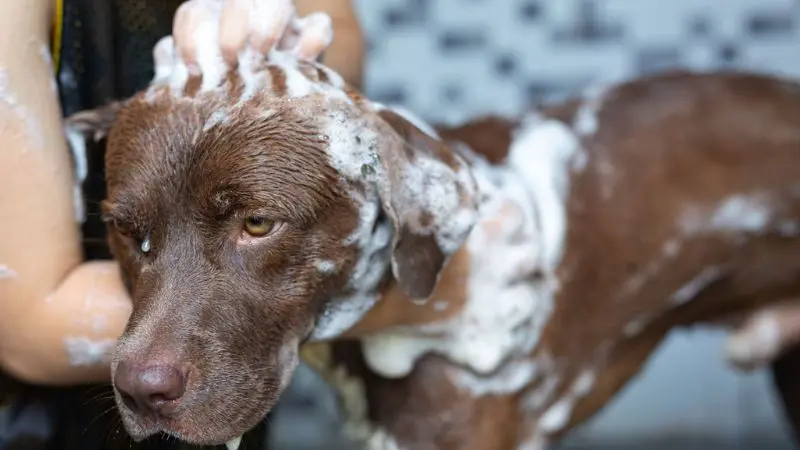
A good bathing schedule is important for safety and cleanliness. By doing all this in sequence, your dog will feel more at ease, and the coat will be cleaned more thoroughly. If you are learning how to bathe a dog, a routine will also help you avoid mistakes that could cause stress or skin irritation.
Especially with beginners and those who follow a step-by-step guide to bathing a dog at home, a structured process will come in very handy. It makes everything easy, relaxed, and easy to understand throughout.
Brush Your Dog Before the Bath
Another crucial step before bathing your dog is brushing it to remove loose hair, dirt, and tangles. This facilitates the easy access of water and shampoo to the skin. It also helps prevent matting, which is more difficult to remove when the fur is wet. Brushing can significantly improve the final result in just a few minutes.
This is particularly useful when you are first learning how to bathe a dog, as it makes the act of bathing a dog much easier and less messy. The dogs that do not like grooming usually react better when you begin softly and calmly. It can also be applicable in the process of knowing how to wash a dog that does not love water, because calmness at the initial stage will help to reduce anxiety even before the bathing process has commenced.
Use Lukewarm Water for Comfort
It is important to use lukewarm water to ensure your dog is comfortable during the bath. Excessively hot water may irritate the skin, and cold water may make your dog nervous or uncomfortable. A balanced temperature helps keep your dog calm and relaxed during washing. Using a bathtub can also help maintain a steady water level and make temperature control easier throughout the bathing process.
When you are taught how to bathe a dog, temperature control is usually given little attention, yet it plays a significant role in safety. The gentle flow of water also helps avoid fear, particularly in puppies or sensitive dogs. This measure also comes in handy when trying to understand how to bathe a puppy safely, as young dogs are more sensitive to temperature changes.
@jeromy_henson_bfss VEVOR PET WASHING STATION. 38″ BATHING TABLE, WITH RAMPS, STAINLESS STEEL. HAS SLIDING DOOR, RACK, HAS A SPRAYER HEAD AND ALSO A HAIR CATCHING TABLE. #pets #petbathing #bath #wash #pet #bathingstation #stainlesssteel #dogbathingstation #washing #dogbathing #vevor #bathing #vevortools #vevorproducts #animals #animalsoftiktok #fyp #animal #viral #tiktok #fypage #falldealsforyou #spotlightfinds #summerootd #summersale #summerdeals #sunsetsavings #savingssquad #fallreset #sale #fallfinds #onsalenow #sell #tiktokshopfallsale #fallsale #fallfinds #fallreset #lookatthis #tiktokshop #tiktokshopping #trending2024 #viralvideos #onsale #flashsale #giftideas #giftidea #tiktokshopfinds #tiktokmademebuyit #foryou #foryoupage #trending #wow #tiktokmademedoit #getyours #today #tiktokfinds #tiktokfind #tiktokviral #tiktokviralvideo #tiktokviraltrending #ttsacl #tiktokshopsummersale #look #tiktokshopviral @vevor shop @HAIDEE_Vevor
♬ original sound – JEROMY HENSON-BFSS☑️
Wet the Coat Slowly and Evenly
Wet your dog’s coat slowly instead of pouring water all at once. Begin at the rear and work towards the legs without touching the face. This will help your dog get used to the water and lessen abrupt stress or motion. Ensure the coat is thoroughly wet to distribute the shampoo more effectively in the future.
This strategy is significant when using a step-by-step guide to bathing a dog at home, as rushing through this step can cause your dog to get nervous. The gradual process is particularly effective when you are training a dog that dislikes being bathed, as it helps the dog develop confidence.
Apply Shampoo Gently to the Fur
Use soft hands to rub shampoo into the coat. Apply in small amounts to make sure the shampoo reaches the skin. It is also important not to apply excessive product, as it may be hard to wash off and leave a trace on the fur. Pay attention to formulating a light lather that is not uncomfortable.
To learn how to bathe a dog, it is important to apply it gently in order to avoid irritation of the skin. Puppies also require this step, particularly when you are learning how to safely bathe a puppy, as their skin is more sensitive and needs additional care.
Clean Sensitive Areas Carefully
Extra care should be taken when cleaning sensitive areas such as the face, ears, and paws. Wet cloth or minimal hand movements will prevent irritability. Do not pour the shampoo directly on the eyes or ears; this may lead to the dog becoming uncomfortable and stressed.
This is particularly effective when pet owners are learning to bathe a dog that does not like water, since attentive handling helps build trust. An approach of calm and patience is important as your dog will feel safe, but will also get cleaned properly.
Rinse Thoroughly to Remove Shampoo
One of the most significant steps is rinsing, since any remaining shampoo can cause itching or dryness. Apply clean lukewarm water, and run under a slow stream until the coat is thoroughly rinsed of soap. Be careful in areas with thick fur, where shampoo tends to remain.
It is crucial to remember that a thorough rinse is necessary when following a step-by-step guide to bathing a dog at home, as it will directly impact the skin’s health. It is also conducive to improved grooming outcomes when educating on how frequently to bathe a dog, since a clean Rinse helps keep a healthy coat in between baths.
Dry Your Dog Properly After Bathing
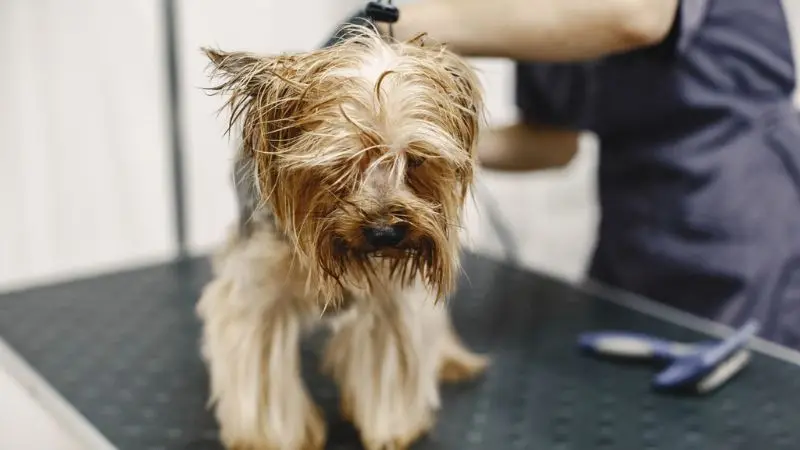
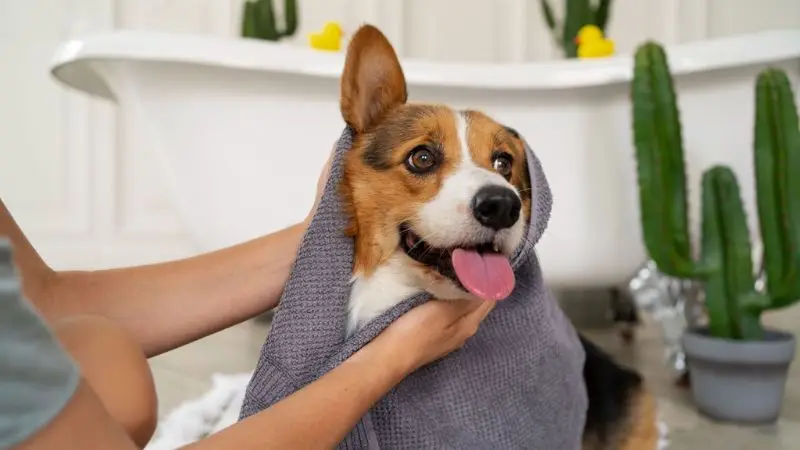
It is important to dry your dog in order to avoid chills and keep the coat clean and comfortable. Begin by squeezing the fur to remove excess water, then dry the fur with a towel (softly). Do not rub too hard, or it may result in tangles or discomfort.
Drying a dog after a bath is equally important as washing since it keeps your dog warm and relaxed. For dogs with thick coats, it is best to take the time to ensure no trace of moisture remains, as this helps prevent skin problems and keeps the coat in good condition.
How to Bathe Different Types of Dogs
Not all dogs require the same bathing method. Their size, coat type, and behavior may alter your approach to bath time. This knowledge of these differences will make the process less risky and more comfortable for your pet. When you are learning how to bathe a dog, it is quite important to change your approach depending on the type of dog so that you can achieve more.
There are dogs that require soft treatment, and others that require restraint and assistance when being bathed. This is even more essential when a step-by-step guide on how to bathe a dog at home is provided, since each dog reacts differently to water, touch, and movement.
How to Bathe a Small Dog Safely
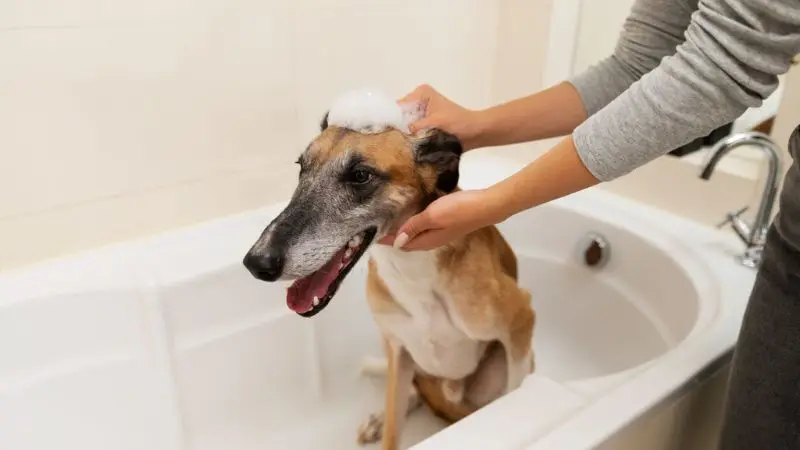
Small dogs are less tricky to deal with, but they may also be more nervous during a bath. A sink or a small tub where they feel safe and held should be used. Always keep them in your hand and ensure that they do not fall, as even little falls can frighten them.
Small breeds can be used when teaching how to bathe a dog for the first time, as they are relatively small creatures. Nevertheless, they still require patience and a composed manner. It can also help owners who want to know how to bathe a puppy without any harm, as puppies are quite small and require additional care and attention.
How to Bathe a Large Dog at Home
During bath time, big dogs need more space and power, so preparation is essential. It is normally better in a bathtub or outdoor space since they have enough space to move freely. It is also important that you be able to have good control, and the dog is calm and relaxed.
When you are learning to bathe a dog, large breeds may prove more difficult because of their size and weight. Patience and a lack of rushing should be observed. It is also useful to many owners when it comes to understanding how often to bathe a dog because large dogs may require a regular routine based on their level of activity and the state of their coat.
Bathing Short-Haired Dogs Properly
The coats of short-haired dogs are normally easy to wash since they dry quickly and do not retain much dirt. Yet, they require cleaning as well to have healthy skin and a clean coat. Light massage and mild shampoo will normally be sufficient to cleanse dirt and oils.
Using the instructions on how to bathe a dog, the short-haired breeds may take less time in the bath, although they still need to be well rinsed. Wearing short coats, a calm and steady approach is more comfortable. This technique can also help owners learn to bathe a dog that hates water, minimizing bathing time to reduce stress.
How to Bathe a Nervous or Anxious Dog
Frightened dogs require more patience and a very gentle approach during bath time. Begin by allowing them to become acquainted with the area before adding water. Talk slowly and walk slowly to prevent any abrupt movements that can heighten fear. Trust can also be developed by the use of treats and positive reinforcement.
This is particularly crucial for owners learning to wash a dog that hates water, since anxiety can make the process challenging. Stress is minimized by maintaining a quiet and calm environment. Gradually, a routine will ease the process of bathing a dog and will help to achieve better results when training on how to bathe a dog on a regular basis.
Common Dog Bathing Mistakes to Avoid
Even minor mistakes during bath time may cause greater issues for your dog’s skin and comfort. Not all pet owners know that improper bathing practices can cause irritation, dryness, or even stress-related behavior. These are as important as the proper way of bathing a dog when learning how to do it.
Most of the common problems can be avoided by a simple routine of a step-by-step guide on bathing a dog at home. Attention to detail also helps you determine how often to bathe a dog, as excesses or omissions in the process may affect overall skin health.
Using Human Shampoo on Dogs
One of the most common errors pet owners make is using human shampoo on dogs. The pH of human skin differs from that of dogs, and normal shampoo may strip human skin of its natural oils, resulting in dryness or irritation. This may cause itching, peeling, and soreness after each bath. Dogs require products specifically designed for their sensitive skin.
When learning to bathe a dog for the first time, one should start with the selection of the appropriate products. The owners of puppies must be more cautious, particularly when they are learning how to bathe a puppy safely, since the young skin is tender. The proper shampoo is also used to guarantee a healthier coat and a more comfortable bathing experience.
Bathing Too Frequently
Washing your dog frequently may remove the oils that protect the skin and keep the coat healthy. Although cleanliness is a priority, excessive bathing can result in dryness, irritation, and even more shedding. The correct bathing frequency depends on your dog’s breed, activity level, and coat type.
When teaching how to bathe a dog, you need to know that the more the dog is bathed, the better it is not necessarily cleaned. This also relates to the frequency of bathing a dog, as each dog’s needs differ. An equal routine will keep your skin healthy and prevent any unwarranted suffering, and keep your dog clean and fresh.
Not Rinsing Shampoo Properly
Failure to wash shampoo out thoroughly may leave residue on your dog’s skin and coat, which usually causes itching, redness, and irritation. Remnants of the shampoo may also leave the fur sticky or dull, thus compromising the overall cleanliness of the bath. Adequate rinsing is necessary to make sure that no cleaning products are left on the coat.
Rinsing is among the most crucial steps in bathing a dog and must not be rushed. A step-by-step guide to bathing a dog at home also requires a careful rinse, as it directly affects skin comfort. This is a crucial step when educating a dog owner on how to wash a dog that does not like water, because discomfort from residue may increase the fear of baths. Using a bathtub can make rinsing easier and more controlled, helping ensure that water reaches every part of the coat evenly without stress.
Using Water That Is Too Hot or Too Cold
Excessively hot or cold water may make bathing uncomfortable and stressful for your dog. Hot water can irritate the skin, whereas cold water can induce anxiety and shivering. Lukewarm water is the best choice because it will help your dog feel relaxed and comfortable throughout the bathing process.
Water temperature is also one of the factors that cannot be overlooked when learning how to bathe a dog. It is also significant in learning to bathe a puppy without harming it, as puppies are more sensitive to temperature changes. Keeping the water at an appropriate temperature will make bathing a more comfortable and safe experience.
Skipping Ear and Paw Cleaning
Omission of ear and paw cleaning can lead to residual dirt, bacteria, and moisture, which can lead to infections or a foul odor. These are sensitive areas that should be carefully considered at all times when taking a bath. By ensuring they are thoroughly cleaned, you maintain overall hygiene and keep your dog healthy and comfortable.
When introducing oneself to the art of bathing a dog, one should keep in mind that the entire body of the dog is not the only part that is to be washed. This can be very helpful in a step-by-step instructional guide for bathing a dog at home, with each part of the body examined. Proper cleaning also improves the drying process after a bath, as clean paws and ears can help prevent moisture-related issues.
How Often You Should Bathe Your Dog
Dogs have varying bath times. It is determined by breed, type of coat, daily activity, and the well-being of the skin. Some dogs may take ages to get dirty, while others get dirty easily through outdoor games or greasy coats. When learning to bathe a dog, it is equally important to learn when to bathe a dog as it is to learn how to bathe a dog.
The correct timetable will make your dog clean, taking care not to damage the skin. This trade-off is necessary when providing a step-by-step instruction to bathe the dog at home because too much or too little bathing could influence the comfort, smell, and general coat quality.
Bathing Schedule for Indoor Dogs
The indoor dogs do not need frequent baths as they are less dirty and they are not exposed to dirt and mud every day. They must also be washed after a few weeks (or when they are in need) most of the time, so as to ensure they are clean. Their coat does not get easily soiled, thus they do not need to be over-bathed.
Indoor pets are most commonly easier to work with when you are learning to bathe a dog, as they are quite clean. However, they need frequent grooming and regular bathing to maintain a good state of their skin. It can also help you decide on the frequency of bathing a dog, especially when dogs spend most of their time in the house.
Bathing Schedule for Active Outdoor Dogs
The dogs kept outdoors require more baths because they are outside more, running, playing, and exploring. Their coats are easily gathered with dust, mud, and smells. However, it is still important to avoid excessive bathing, as it can remove natural oils from the skin.
Active dogs need a flexible schedule since they are taught how to bathe themselves, depending on their lifestyle. Taking a bath after intensive outdoor exercise is a way of keeping clean and having the coat fresh. It is also applicable to determining how often a dog should be bathed, as active breeds might require more frequent care while still being balanced. Using a bathtub can make the process easier for active dogs by providing better control, reducing mess, and making cleanup more convenient for owners.
When You Should Avoid Bathing Your Dog Too Often
Overbathing your dog can sometimes do more harm than good, especially to your dog, which has delicate skin. It can remove the natural oils that are covering the skin and making it dry, itchy, and irritated. This is why one should not take needless or regular baths.
In learning to bathe a dog, it is as important to know when not to bathe as it is to know how to bathe. Puppies are sensitive dogs, so when teaching the process of bathing a puppy, special attention is needed. The routine will maintain your dog clean, healthy, and comfortable, and will not cause skin problems.
Conclusion
It is not just a matter of hygiene, but also comfort, care, and trust when washing your dog. Having the knowledge of how to bathe a dog will help you ensure that the process is enjoyable not only to you but to your dog as well. The correct product, soft techniques, and having the right routine will keep your dog healthy on its skin and shiny on its coat. It is also necessary to adhere to a balanced plan and prevent typical errors. You can expect success by being patient and consistent (help your dog feel relaxed every time at the bath station), and after some time, it will be easier and better to groom your dog.
FAQs
What is the frequency of bathing my dog?
Depending on breed, type of coat, and activity, bathing will be required. Every 3-4 weeks, an average dog needs to be bathed, also when dirty, and the dog that is out and about ought to be bathed more often when it is dirty.
Is it possible to apply baby shampoo to my dog?
Baby shampoo is not flawless since it is softer than human shampoo. A certain dog soap is also desirable as it is PH neutral to the skin, and prevents dryness or irritation.
So what is the ideal water temperature to bathe dogs?
Lukewarm water is best for bathing dogs. It is comfortable, does not cause discomfort to their skin, and is non-stressful in relation to water that is excessively hot or excessively cold during washing.
How do I prevent my dog from becoming excited while taking a bath?
To keep your dog quiet, use a low voice, slow movements, and treats. Allow them to have a feel of the area first to make them feel secure and relaxed before commencing the bath.
Should you dry a dog using air or a towel?
Towel drying is normally preferable since it removes moisture and prevents chills. Towel drying should then be followed by air drying, which should also occur in a hot place.