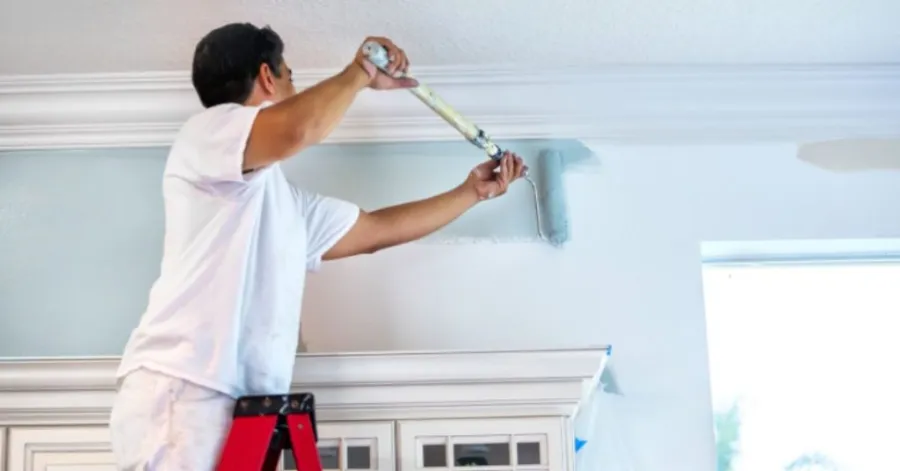
What you may be asking yourself is how much it costs to paint a house interior in 2026, and the answer is that, on average, it will cost between $3 and $8 per square foot. In a complete home, the price range is between 4,000 and 12,000, depending on size and condition. These figures allow you to quickly approximate your painting price and compare it with local prices. The final price can also be affected by the painting method used. For example, using a paint sprayer may help speed up the job and create a smooth finish, but it can increase preparation and labor costs. Planning ahead helps you better manage expenses and choose the right approach for your home.
Factors That Affect Interior House Painting Costs
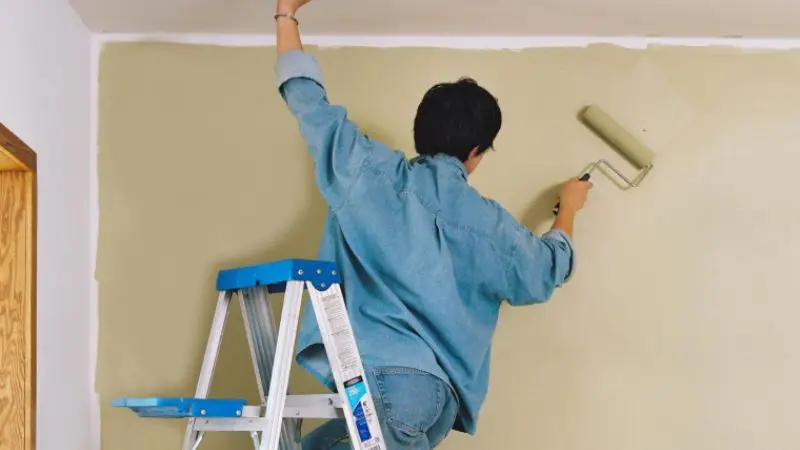
The overall cost of an interior painting job may vary from home to home. The amount you will spend depends on several factors, including the size of your house and the type of paint you use. Knowing these factors can help you develop a realistic budget and avoid surprises.
You may be deciding to do a total remodeling of your home or a simple makeover of a few rooms. Knowing what influences the price will help you make better choices and make more accurate estimates of the final cost.
Home Size and Total Square Footage
One of the largest factors influencing painting costs is the size of your home. The bigger the house, the more paint will be needed, the more preparation work will be required, and the more labor hours will be needed. The more square footage, the higher the project cost. Homeowners tend to query how much to paint a house interior, and this depends on the overall area that requires painting, to a great extent. To illustrate this, the price of painting 2,000 sq ft inside a home is typically significantly higher than that of painting a smaller house, due to the additional resources and time required to complete the job.
How the Number of Rooms Affects Painting Costs
The number of rooms to be included in the project also influences the overall painting budget. The various rooms can have different wall sizes, color choices, and preparation needs. There are rooms with more windows, corners, and trim work, and these can add to the labor time. The most common question many homeowners ask is: ” What does it cost to have the interior of your room painted? The response varies according to the area of the room, the condition of the wall, and the intricacy of the job. It is also a good idea to count the number of rooms that need to be painted, then ask professional painters for estimates.
Ceiling Height and Wall Repairs Needed
The ceiling height is a significant factor in painting cost. High-ceilinged rooms require additional tools, such as ladders or scaffolding, which may increase labor costs. The condition of the wall is also a crucial issue, as defective surfaces must be repaired before painting begins. Dents, cracks, and holes should be sealed and sanded to give it a smooth surface. Houses that are well-maintained have walls that are likely to be cheaper to paint as they will need less preparation. Proper wall preparation improves paint adhesion and contributes to a cleaner, longer-lasting finish.
Choosing the Right Paint Quality
The quality of paint used may have a great impact on the cost of the project. Premium paints are usually expensive initially, yet they may cover better, last longer, and maintain their colors. Fewer coats can be used to produce high-quality products, thus saving time and material. High-quality paints also tend to flow more smoothly through a paint sprayer, helping create a more even finish on walls and ceilings. Homeowners who consider the approximate prices to paint walls and ceilings within a home have to keep in mind that one of the key factors in pricing is the choice of paint. By choosing the right paint for your budget and lifestyle, you can strike a balance between cost and long-term value while still achieving appealing results throughout your house.
Local Labor Rates and Painting Charges
The cost of labor varies by location. Painting services in big cities and high-demand areas tend to be more costly than in smaller towns. Labor charges are affected by local market conditions, the contractor’s experience, and the project’s complexity. Regional labor rates can often be a determining factor in the cost of painting an interior house, including labor and materials. Estimates from several painting contractors can also help you secure competitive prices and quality workmanship. You should always demand detailed quotes to know what is included in the overall price.
How Additional Paint Coats Increase Costs
The number of coats of paint required may have a direct effect on your overall costs. Certain walls can be painted with a single coat, whereas others may require two or three coats to achieve a proper covering. Dark existing colors or stained surfaces, or dramatic color changes, frequently need extra coats. Increased paint and additional labor increase the project cost. The professionally trained painters can examine your walls and determine how many coats to apply. Adequate coverage will enhance durability and appearance, making the investment worthwhile for homeowners who want long-term benefits.
Cost of Painting Trim, Doors, and Ceilings
Painting of trim, doors, and ceilings is a cost that is easy to notice in an interior painting project. The preparation and application techniques for these surfaces are very important and require attention to detail to achieve a professional finish. Painters normally charge for these areas separately, since they tend to require different types of paint and extra work. For homeowners looking at the price of interior painting for a small house, including the trim and ceiling job, the estimate can be influenced by the inclusion of those items. These considerations will be helpful to keep in mind during your budgeting process, helping you avoid any surprises and achieve a fully furnished, well-finished appearance throughout your home.
Interior House Painting Cost by Home Size
One of the most crucial factors in estimating painting costs is your home’s size. The larger houses require more paint, labor, and prep work, which increases the overall cost of the projects. Understanding the impact of square footage on pricing can help you develop a realistic budget before engaging a professional painter.
You may be asking yourself how much it costs to paint a house interior, so a good place to begin is by looking at costs by home size. Below are some examples of the approximate prices homeowners should expect to pay for properties of various sizes.
Price to Paint 1000 Square Feet of Interior in a House
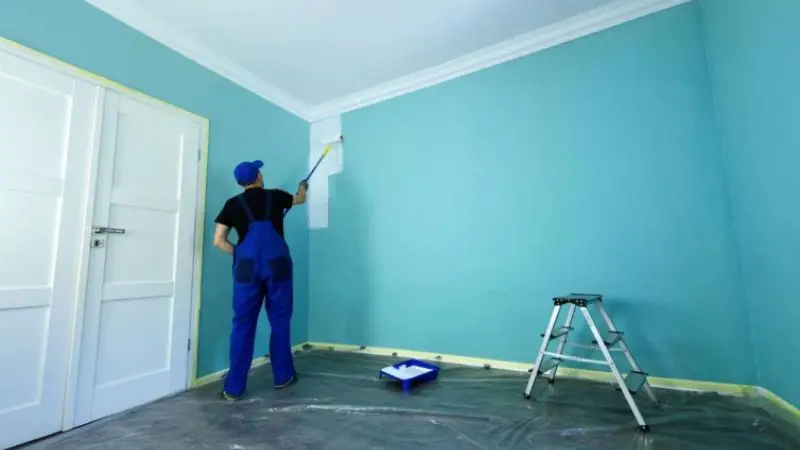
A 1,000-square-foot home is generally among the least costly to paint. The average interior painting can be between 3,000 and 8,000, depending on the state of the walls, the quality of the paint, and the price of labor in your neighborhood. Because smaller homes have less wall space, the project will be completed in less time and require less material to paint. Homeowners can save more money by using standard paint finishes and by avoiding unnecessary coats. Even owning a smaller property, one should ask for a detailed estimate to know what is included in the final price.
Cost of Painting a 1,500-Square-Foot House Interior
The cost of painting a 1,500-square-foot house is usually between $4,500 and 12,000. The ultimate cost will be determined by several factors, such as the number of rooms, ceiling height, and the preparation work required before the paintwork is applied. Houses with broken walls or that have undergone several paint jobs might need more labor and supplies. This is a typical size of home that can provide a balance between cost and project scope. Homeowners who wish to keep costs affordable can focus on high-priority rooms or choose high-quality paints that provide good coverage without significantly increasing the budget.
Cost of Painting a 2,000-Square-Foot House Interior
A typical range of 6,000-16,000 is the cost to paint a 2,000 sq ft interior of a house. It is among the most popular home sizes, and it is a good reference point for estimating painting costs. Such a large house needs more paint, more labor, and more preparation than smaller houses. The costs may also rise when ceilings, trim, doors, and other more detailed aspects are incorporated into the project. Homeowners ought to enquire of the contractors whether the additional surfaces are included in the quote to prevent unexpected bills during the work process after the project has started.
Cost of Painting a 2,500-Square-Foot House Interior
With an area of 2,500 square feet, the cost of interior painting a house would be about 7,500 to 20,000. The increased square footage would imply that painters will be preparing and painting more surfaces in the home. The final price may also be higher for premium paint products, custom color schemes, and ornamental finishes. There are also numerous instances when the bigger houses have more walls that need to be repaired and leveled before one can start painting them. Due to these variables, homeowners ought to assess two or more estimates and review each proposal carefully to ensure they understand what is included in the quoted price.
Cost of Painting a 3,000-Square-Foot House Interior
The most expensive size in this size comparison is a 3,000-square-foot home, ranging from 9,000 to 24,000. The increased cost is due to the additional labor, materials, and preparation required to complete a project of this magnitude. Large houses tend to have more rooms, higher ceilings, and additional trim, which can add to higher costs. Painting interior house labor and materials can be a big difference in terms of costs based on the type of paint chosen and the nature of the work. The most effective approach to cost and budget planning is to obtain detailed written estimates from multiple contractors.
Interior House Painting Cost by Room
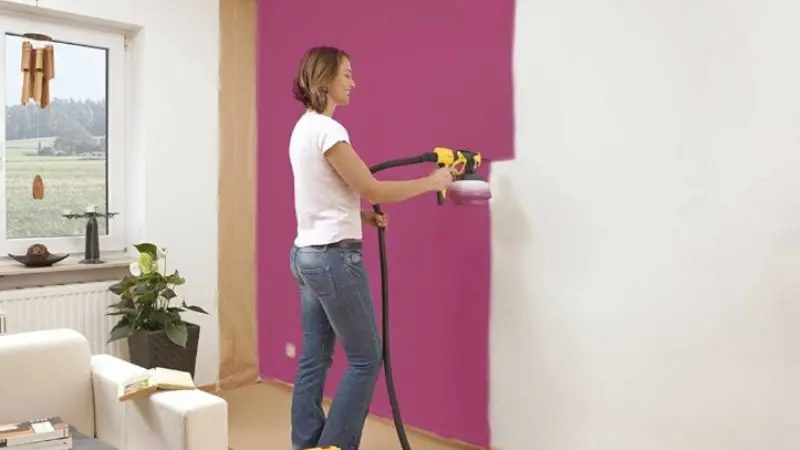
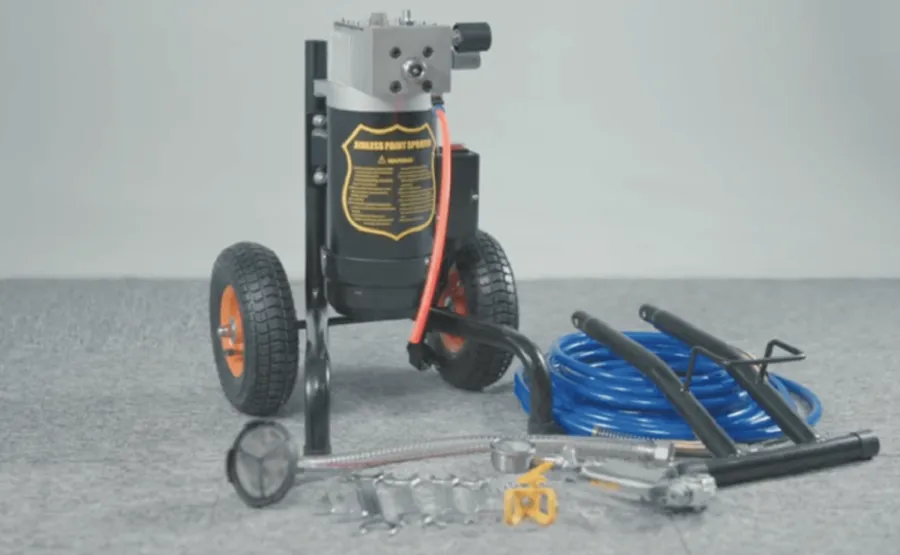
Breaking down the painting costs by room will help you plan your budget more effectively. All rooms are of varying sizes, purposes, and designs, which varies the ultimate cost. Certain spaces require stronger paint, whereas others will require additional effort on trim or corners. In larger rooms, painters may use a paint sprayer to cover walls more quickly and achieve a smoother finish, which can influence both labor time and overall project costs.
Room-by-room pricing gives you a more realistic perspective on how much it costs to paint a house’s interior. It helps you determine the actual costs based on how your home is used.
Cost to Paint a Living Room
Living rooms tend to be the largest and most significant rooms in a house, and thus, more expensive to paint. Prices usually range from 800 to 2500, depending on wall size, ceiling height, and paint quality. The use of high ceilings and open plans augments labor and material requirements. When you opt to use high-quality paint or use more than one coat, the price increases even more. In estimating the average cost of painting walls and ceiling interior of a house, the living room can take a substantial part of the total cost of the project.
Cost to Paint a Bedroom
A bedroom painting costs between $400 and $1,500. Bedrooms are less spacious and less elaborate, which contributes to labor expenses being lower. The majority of homeowners apply regular paint to save money; however, accent walls or high-quality finishes may raise prices. The total cost is also determined by the wall condition when repairs are required. This is what many people compare when estimating the cost of painting the interior of the small house, as bedrooms tend to be the cheapest rooms to finish.
Cost to Paint a Kitchen
The average cost of kitchen painting is between $500 and $1200. Due to heat, grease, and humidity, kitchens are in need of moisture-resistant, washable paint. Labor time can also be increased by cabinets and trim. Although the kitchen is smaller, it tends to be pricier per square foot. Kitchens are an important consideration in estimating the cost to paint the interior of a house, including labor and materials, due to the special paint and intensive preparation for lasting work.
Cost to Paint a Bathroom
The average price of bathroom paint is between 250 and 800. They are smaller spaces, but they should have moisture-resistant paint so that they do not get moldy and peel. To be durable, good surface preparation is necessary. Even minor remedies can make a difference in terms of pricing. The size of a bathroom tends to be on the lower end of the price range for interior painting, although paint quality remains important for long-term performance.
Cost to Paint a Dining Room
The average cost of a dining room is between 600 and 1800. The cost will vary based on room size, trim details, and the choice of colors. Many home buyers prefer flashy or aggressive colors, which can require additional layers. Ornamentation can also add labor (such as molding). When you are comparing the cost to paint a 2,000 sq ft interior of a house, dining rooms may be included in the mid-range room budget since they are more detailed in design.
Cost to Paint Hallways and Staircases
Hallways and staircases usually cost between $300 and $1,200. These are more difficult areas to paint due to narrow spaces, corners, and changes in height. Staircases may require ladders or specialized equipment, which increases labor costs. Although small, they are frequently incorporated in full-home projects. The areas are significant when estimating the cost of painting a house’s interior, since they add a finishing touch to the whole house.
Room-by-Room Painting Cost Summary
Room-by-room pricing helps you see how your budget will be allocated throughout the house. Big rooms, such as living rooms, are more expensive, whereas small rooms, such as bathrooms, are less expensive. Special materials and work requirements normally cause kitchens and staircases to be located between. It is useful in the estimation of the interior painting cost of small house constructions or large houses. Always demand a written estimate to ensure that you are charged accurately.
Interior Painting Cost Per Square Foot Explained
The cost per square foot concept will allow you to approximate the overall interior painting cost. Artists tend to price their work according to the size of the surface, man-hours, paint quality, and preparation time. This process can be used to make comparisons on quotes and to plan the various sizes of homes.
Square-foot pricing can also provide an easy method to divide the total cost into an understandable and easy-to-handle amount, in case you are attempting to know how much it costs to paint a house interior.
DIY vs Hiring Professional Interior Painters
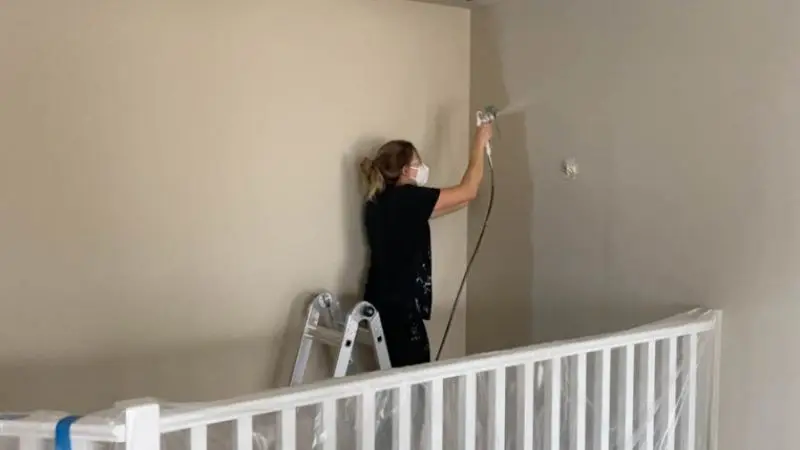
Whether to do the job yourself or to contract a professional depends on how much money you have, how much time you have to finish, and the quality of the finished job you want. Amateur work may reduce initial expenses, but professional work may be faster, more skilled, and more refined. These two alternatives may alter your total interior painting expense in various ways.
When comparing the cost of painting the interior of a house, it is better to consider both options to make a smarter choice when you embark on your project.
DIY Interior Painting Cost and Materials
Basic tools, such as paint, rollers, brushes, tape, and drop cloths, and a paint sprayer cost about $ 200- $ 600. The last price will be determined by the size of the rooms and the quality of paint. It may appear cheaper, but you have to factor in time and effort.
DIY is most effective when:
- Rooms are mere and meager.
- Walls need little or no repair.
- You already have a basic tool.
In the estimation of the average cost of painting the walls and ceilings of a house, DIY may save cash, but it may cost the individual a lot of work.
@dwscustoms vevor paint sprayer #paintgun #paintsprayer #housepaint #dwscustoms
♬ original sound – King Scoot
Professional Interior Painter Cost per Square Foot
Typical professional painters will charge between $3 and $8 per square foot. This constitutes labor, tools, preparation work, and in some cases, materials. They provide surface repairs, cleanup, and can finish the job more quickly than DIY work.
When estimating the price to paint the interior of a house using labor and materials, it is often better to hire professionals, as it provides a more precise and realistic overall price. The finish is generally more uniform and smooth.
Pros and Cons of DIY Interior Painting
You have complete control of colors, time, and speed with DIY painting. It can also reduce labor costs, making it cost-efficient for smaller projects.
Key benefits include:
- Lower upfront cost
- Full creative control
- Flexible working schedule
The disadvantages, however, are time wasted, physical strain, and the risk of an uneven finish. Errors may also augment the long-term expenses. Comparing the price that painters are charging per room interior, DIY can appear cheaper, but differences in quality will be relevant in the end product.
When It Makes Sense to Hire a Professional
In large, intricate projects, it is preferable to hire a professional painter. Experience and the right tools are needed to work on high ceilings and a broken wall with ornate trim work.
Professionals are good when:
- There are various rooms in the house.
- Walls require repairs or preparation work.
- You desire a finish of good quality.
This is very critical when estimating the cost of interior painting for a small house or a larger one, where uniformity and permanence are key. A professional service can ease the stress and provide a more quality end product.
Wrap Up
Understanding the average cost of painting the inside of your house will help you plan your budget. The cost may vary depending on your house size, the paint you choose, or the difficulty of the work. Always request an elaborate estimate. You need to compare prices offered by various painters to obtain the best price. This guide will help you ask intelligent questions when getting an estimate to paint. Planning helps you stay within your budget and achieve the look you want for your home.
FAQ
What is the price of house interior painting?
The cost is based on the size of your home, the quality of the paint, and the complexity of the work. Usually, it costs between $3,000 and $12,000 to paint the whole inside of a house. It would be best to have multiple estimates to locate the most favorable price for your project.
What things affect the cost of painting inside a house?
The price can be altered by many factors, such as the size of your house, the number of rooms to be painted, the level of the ceilings, and the condition of the walls. The nature of paint and the amount of labor expenses are also important. These will assist you in budget planning.
Would it be more economical to paint it or purchase it?
It is cheaper to paint yourself initially since one only purchases supplies. However, employing a professional is more expensive, but he is faster and better at work. Consider your abilities and the size of the project, and your available time before deciding between DIY and professional help.
Am I supposed to pay an additional amount of money for wall repairs or primer application?
Admittedly, all this may increase your final price, fixing the walls and putting a coat of paint on them. Minor repairs can be a few hundred dollars, whereas the larger repairs will be more expensive. Inquire of your painter whether these are the costs contained in their estimate.