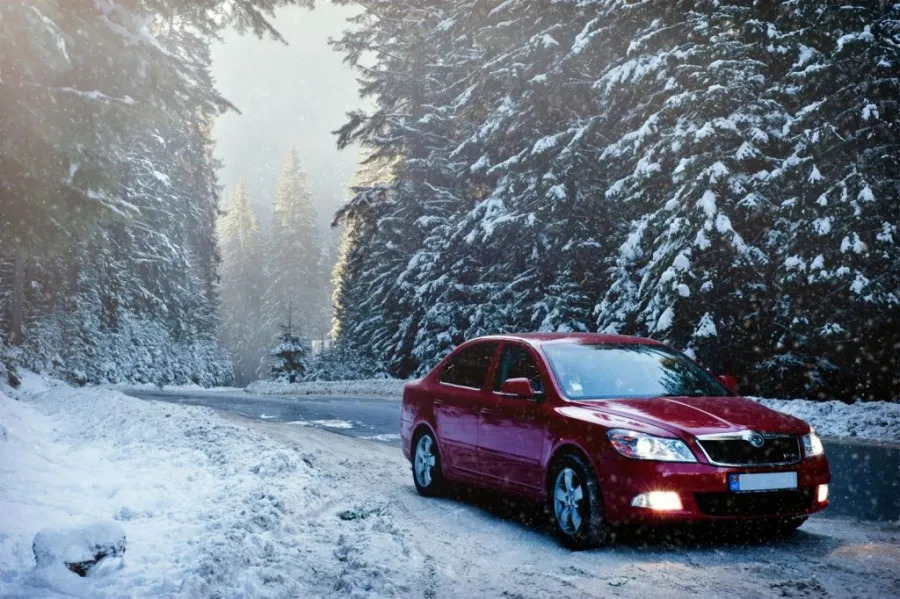
With dropping temperatures, many drivers think that it is important to warm their vehicles before driving in winter. They wonder how long to warm up car in winter. But the reality is different.
Warming up your vehicle properly is necessary to improve car function, comfort, and a safe drive. But in reality, modern cars are different from older models. You can warm up the car interior instead with a diesel heater. Let’s dive into the details to know more about it!
Why should you warm your car?
As the temperature goes down, engine oil becomes thicker and more viscous. This means it flows slowly, and your engine parts may not lubricate properly after starting. Here is how it helps your vehicle:
- A little warm-up is necessary to allow the vehicle to run properly.
- Cold weather affects your battery, tire pressure, and fuel system. Giving your vehicle a moment to stabilize helps it perform smoothly.
- It enhances visibility and comfort and allows you to see clearly and drive safely.
Understanding how long to warm up car in winter is the way to avoid unnecessary idling that wastes fuel.
Do modern cars really need long warm-ups?
In the past, there were carbureted engines that needed extended warm-ups to function properly. Modern vehicles use electronic fuel injection systems that adjust according to cold temperatures automatically.
Nowadays, modern vehicles need only 30 seconds to one minute of idling before reaching the road. That’s comparatively shorter than the five to ten minutes of time that people usually recommend.
Have you been wondering how long to warm up car in winter? The answer is yes. Long idle time can increase engine wear, cause more emissions, and waste fuel.
Step-by-Step: How to warm up your car properly in winter
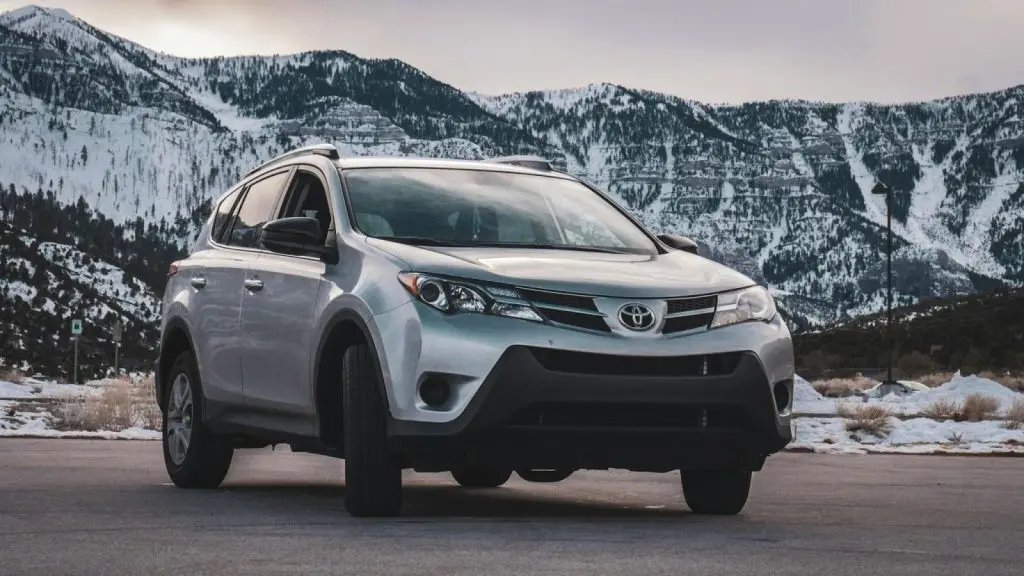
Now let’s look at the steps to warm up your car properly in winter. Follow these simple steps to protect your engine.
Step 1: Start the engine
Start the car by turning the key or ignition. Let the engine start normally. Do not start the engine immediately to avoid straining cold components.
Allow the car to settle steadily into idling. Because of this, oil pressure builds and begins circulating through the engine.
Step 2: Let the car idle briefly
Take 30 to 60 seconds to idle the engine. This short interval allows fluid to move in different parts so you don’t need to sit for several minutes to defrost your windshields.
Step 3: Turn on defrosters and heaters
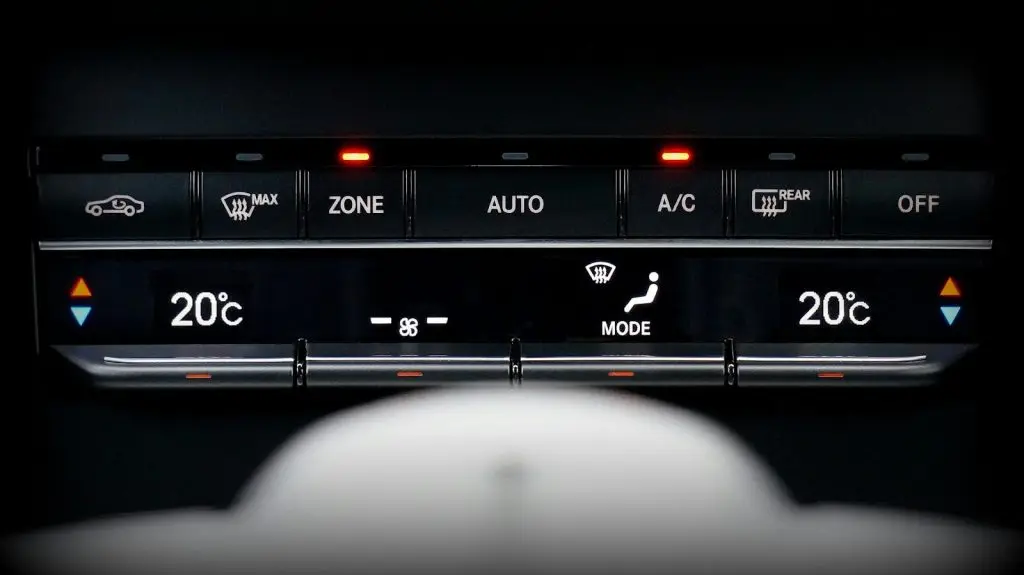
To remove frost from or fog from your windshield, turn on the defroster. You can also switch on the heater. But the thing to keep in mind is that the heater will work better when it begins to warm while driving.
Step 4: Start driving gently
After a few seconds of idling, start driving slowly. Avoid sudden acceleration or high speeds during the initial minutes of driving.
Driving gently helps your engine reach its ideal temperature in a hassle-free way.
Step 5: Allow the engine to reach operating temperature while moving
As a general rule, engines warm up quickly when the vehicle is moving. In five to ten minutes, most vehicles reach optimal temperature.
This step describes a common concern about how long to warm up car in winter without any wasting time.
How long should you warm up your car?
The correct answer for how long to warm up car in winter is around 30 seconds to one minute of idling before driving gently. In colder weather, it may take a long time to defrost windows, but there is no need to extend idling. This will harm your engine.
Modern engines are specialized to warm up under light driving conditions. So we will recommend that you start driving slowly after starting the vehicle after a short time.
Tips for safe cold weather starts
Starting a vehicle in cold temperatures requires extra attention and care. Follow these useful tips to avoid frustration:
Avoid excessive idling
Idling for minutes wastes fuel and increases engine deposits. It can also harm the environment by giving out unnecessary emissions of harmful gases.
Drive slowly at first
Don’t rush to accelerate the speed initially. Start gently first and keep RMPs low in the first few minutes of starting the vehicle. This allows fuel to lubricate all parts smoothly.
Clear snow and ice before driving

Remove snow from your roof, good, and windows before starting. It helps you give clear vision and reduce the risks of accidents.
Use winter-grade oil
Always check your manufacturer’s manual or recommendations of oil viscosity in cold winter. The best for winter is thinner winter-grade oil because it flows more easily in cold temperatures. It reduces engine strain.
Common cold weather blunders to avoid
Many drivers make several mistakes because they misunderstand how long to warm up car in winter. The most common of these blunders are:
- Revving the engine immediately after starting. It increases damage on cold internal parts
- Relying on long idle hours instead of gentle driving. Idling doesn’t warm the wheel bearings and transmission effectively.
- People often ignore checking the tyre pressure in winter. In cold weather air pressure reduces tyre pressure. This affects fuel efficiency and handling of the vehicle.
- Leaving your vehicle unattended while idling is another issue. It increases chances of theft and also violates laws.
FAQs
Is it bad to idle your car too long?
Yes, excess idling wastes fuel and causes carbon buildup in engines. Understanding how long to warm up car in winter properly helps you avoid engine wear. Idling for a short time is fine but extended time is not a good practice for modern vehicles.
Can you drive immediately after starting?
You can start driving after 30 seconds, before accelerating gently. Light driving is good to warm the engine faster than idling it and wasting time and fuel.
Does warming up waste fuel?
Long duration of idling wastes fuel; therefore, a short interval is enough, followed by careful driving.
What happens if you don’t warm up your car?
If you accelerate your vehicle right after starting, you may encounter strained engine components. Gentle driving after a short idling is safe and recommended by most drivers.
Understanding how long to warm up car in winter ensures that your engine starts without any delays and troubles.
Conclusion
Winter brings cool vibes, and on the other hand, you need proper care of your vehicles and belongings, too. Are you still wondering how to apply the old concepts of idling before driving? If yes, you have to think again. Everything becomes easier when you have knowledge and understanding of how long to warm up car in winter. It makes the process simple and efficient.
Start the engine and wait for 30 to 60 seconds before beginning to drive. Avoid excessive idling and drive calmly in the initial minutes to keep your vehicle well-maintained.Whether you face a freezing morning heading to the office or anywhere else, you don’t have to guess how to warm up a car because you know it all now.