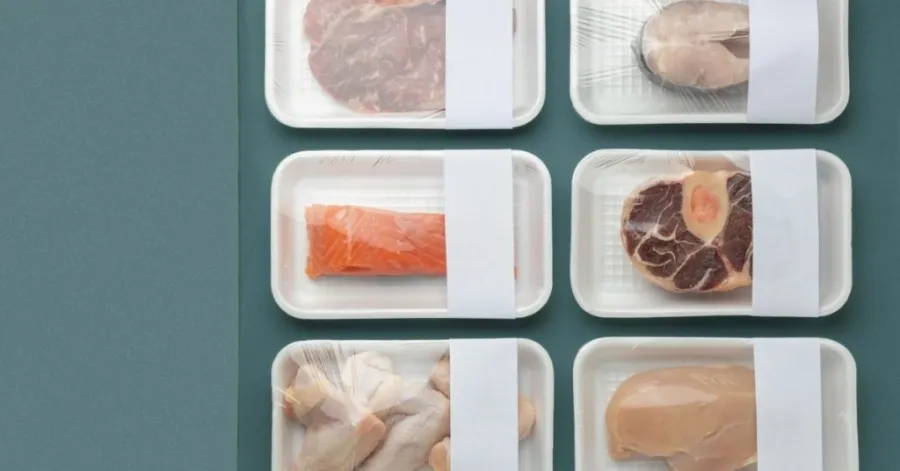
A vacuum sealer is a very easy and effective solution for keeping meat fresher longer by eliminating air and tightly sealing it in special bags. This technique is used by many people to enhance food safety and reduce domestic waste. The question that most people would ask is how long vacuum-sealed meat can last under various storage conditions, such as the freezer and refrigerator. The solution to this issue lies in the temperature, type of meat, and its handling. Vacuum-sealed meat can last much longer than meat in typical packaging, preserving taste, texture, and overall food quality.
- What Is Vacuum Sealing and How Does It Work
- What Is Vacuum Sealing and How Does It Work
- How Long Does Vacuum-Sealed Meat Last in the Freezer
- Shelf Life of Different Types of Vacuum-Sealed Meat
- Factors That Affect Vacuum Sealed Meat Shelf Life
- Signs Vacuum Sealed Meat Has Gone Bad
- Tips to Make Vacuum-Sealed Meat Last Longer
What Is Vacuum Sealing and How Does It Work
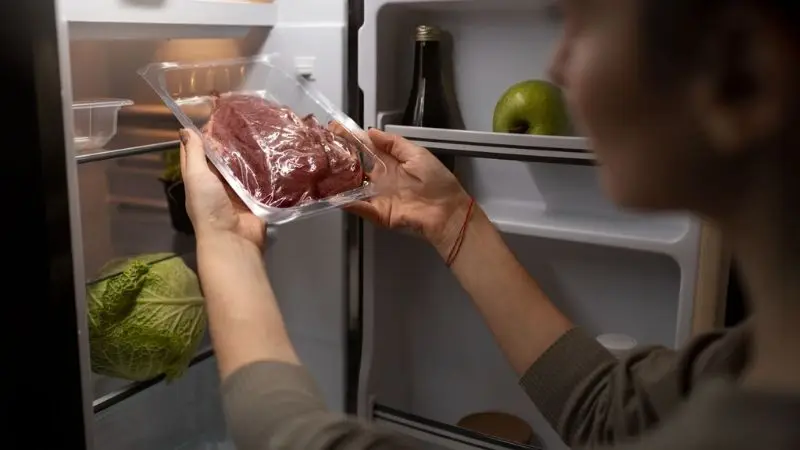
Vacuum sealing is an easy food storage method in which all the air is removed from a plastic bag before it is sealed. This helps food, and in particular meat, remain fresh longer than in ordinary storage. Food does not spoil easily when there is no air in the packaging, and its taste, color, and safety remain well preserved. It has wide applications in homes and the food industry to minimize waste and enhance storage value.
A vacuum sealer is a very easy and effective solution for keeping meat fresher longer by eliminating air and tightly sealing it in special bags. This technique is used by many people to enhance food safety and reduce domestic waste. The question that most people would ask is how long vacuum-sealed meat can last under various storage conditions, such as the freezer and refrigerator. The solution to this issue lies in the temperature, type of meat, and its handling. Vacuum-sealed meat can last much longer than meat in typical packaging, preserving taste, texture, and overall food quality.
What Is Vacuum Sealing and How Does It Work
Vacuum sealing is an easy food storage method in which all the air is removed from a plastic bag before it is sealed. This helps food, and in particular meat, remain fresh longer than in ordinary storage. Food does not spoil easily when there is no air in the packaging, and its taste, color, and safety remain well preserved. It has wide applications in homes and the food industry to minimize waste and enhance storage value.
@theoutdoorcousin Everyone knows that when you have a garden or you go hunting that you’ll end up with a lot of extra food. Well now you can vacuum seal it like the professionals and keep it good for years with this! #gardening #hunting #survivaltips #homesteading
♬ original sound – The Outdoor Cousin
How Air Is Removed, and Food Is Sealed in Vacuum Packing
In this process, food is prepared by placing it in a special plastic bag, and a machine removes all the air from the bag. Once the air has been removed, the bag is sealed tightly so that nothing can be introduced back into it. This is a crucial step, as it is the primary factor driving rapid food spoilage. In the absence of air, the meat is not subjected to moisture, bacteria, or freezer burn. This is to make it fresh, safe, and last longer.
How Vacuum Sealing Slows Down Bacteria and Keeps Meat Fresh
When there is oxygen, bacteria multiply faster, but when the package is sealed with no air present, they multiply more slowly. This retards bacterial growth and is used to prevent rapid spoilage. This means that meat will remain fresher and safer longer in storage. It also helps preserve the meat’s natural qualities, such as taste and texture. For this reason, vacuum sealing is regarded as a sound technique for preserving food in both freezer and fridge conditions.
How Long Does Vacuum-Sealed Meat Last in the Freezer
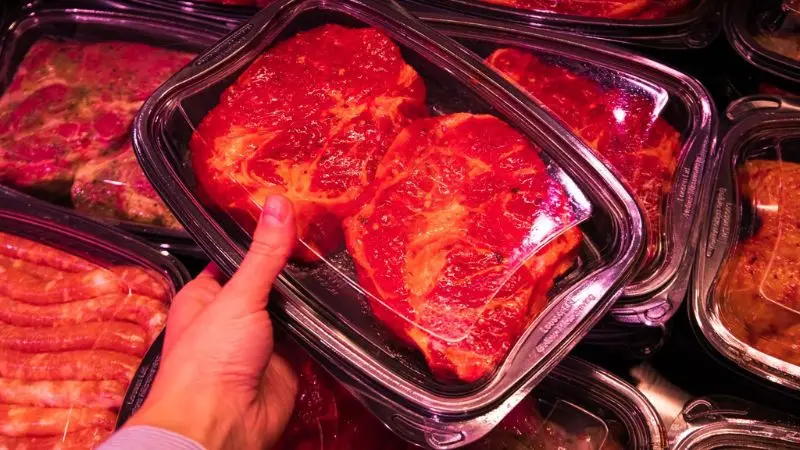
One of the most effective methods of storing meat over a long period is by freezing, and by vacuum sealing, it becomes even more effective. A vacuum sealer extends the freezer’s shelf life and allows the meat to last several months by removing the air in the packaging. Here is where most individuals attempt to determine the shelf life of vacuum-sealed meat in freezer storage, since proper freezing can considerably extend shelf life compared to normal storage conditions.
Freezer Storage Duration for Raw Vacuum Sealed Meat
When raw meat is vacuum-packed and not in the usual packaging, it will last much longer in the freezer. This is because exposure to air is eliminated, which retards oxidation and spoilage. When kept in good conditions, the raw vacuum-sealed meat can remain in good condition for many months without losing its quality. This is also why people tend to ask how long vacuum-sealed raw meat can be kept, because freezer storage can significantly prolong its shelf life without affecting its taste too quickly.
Freezer Storage Duration for Cooked Vacuum Sealed Meat
Vacuum-sealed cooked meat also freezes well and can be stored safely for a long time. Since bacteria are already killed during cooking, vacuum sealing is used to preserve the flavor and texture of the cooked meat while it freezes. Freezing is far more efficient for long-term use than fridge storage. Months later, well-packed cooked meat can still be safe and usable, provided the freezer temperature does not exceed the threshold.
How Vacuum Sealing Prevents Freezer Burn
Freezer burn occurs when food is left uncovered to air and loses moisture over time. The vacuum sealing of the meat ensures that no air remains, preventing ice crystals from forming on the meat’s surface. This helps retain the meat’s natural taste, texture, and color. It also enhances food safety and quality during long-term storage. This is among the primary reasons why people ask whether vacuum sealing extends the freshness and safety of meat, given that it evidently reduces the level of damage in freezers.
Shelf Life of Different Types of Vacuum-Sealed Meat
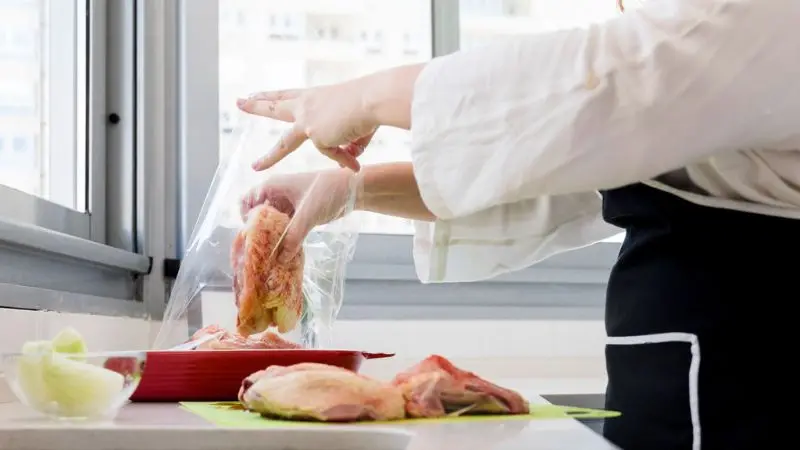
Various kinds of meat do not have the same shelf life, even when vacuum-packed. The fat content, moisture level, and their response to fridge or freezer storage conditions determine their shelf life. Vacuum sealing can enhance the freshness of any type of meat, yet different types of meat have different safe storage ranges. This will be significant for understanding how long vacuum-packed meat lasts in real-life situations.
Now we are going to consider each of the types of meat in simple terms.
Beef – Storage Duration in Fridge and Freezer
One of the best meats to vacuum seal is beef, since it can be stored for long periods. Vacuum-sealed beef can remain fresh for a short period in the fridge, provided that the fridge maintains a constant cold temperature. When frozen, it will last much longer and will be of good quality for months without significant spoilage. That is the reason why most individuals use vacuum sealing to preserve bulk beef. Sealing is used to maintain taste, texture, and safety throughout time.
Chicken – Safety Time Limits and Handling Tips
Compared to beef, chicken is more delicate and must be handled with great care, even in vacuum-sealed packaging. It must be kept at very low temperatures to prevent bacterial growth. Its storage time in the fridge is less than that of other meats, hence it should be consumed within a short time. The safest way to store something long-term is to freeze it. Good hygiene, proper sealing after purchase, and stable refrigeration are essential to keep the chicken safe and fresh.
Fish and Seafood – Short Shelf Life and Freezing Importance
Among all meats, fish and seafood have the shortest shelf life due to their rapid spoilage. They should be handled carefully and kept even when vacuum-sealed. Refrigeration is only good for keeping them fresh, at least in the short run, so freezing is much better. Vacuum sealing is beneficial in reducing odor and freezer damage, although quick storage is required. This renders freezing as the surest method of preserving the freshness and safety of seafood products.
Pork – Proper Storage Duration
Pork is better than fish and chicken, but still requires appropriate handling. The use of vacuum sealing helps to preserve its freshness by reducing the exposure to air and slowing down spoilage. Pork must be stored with care in the fridge and used within a reasonable time frame. It can be stored in the freezer and stays much longer while still retaining good quality. Sealing and maintaining cold temperatures are important for ensuring pork safety and preserving its natural flavor and texture.
Factors That Affect Vacuum Sealed Meat Shelf Life
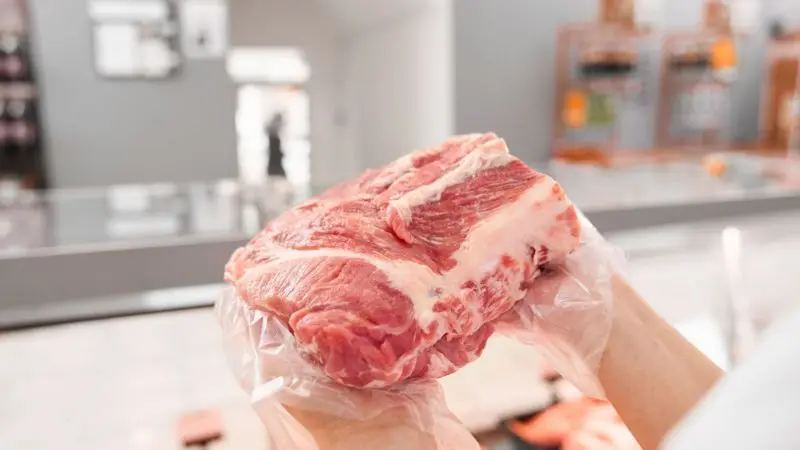
Several factors are important in determining the shelf life of vacuum-sealed meat. Although vacuum sealing helps in maintaining the freshness, it is not effective in all conditions. Storage temperature, pre-seal meat quality, seal strength, and hygiene are of significant importance in determining meat shelf life. These are the immediate factors that determine how long vacuum-sealed meat lasts, even when correctly packaged.
Now we will examine each factor in simple terms.
Storage Temperature and Its Effect on Meat Freshness
One of the most vital factors influencing how long vacuum-sealed meat lasts in the fridge is temperature control. Bacteria can also develop and minimize meat safety even when the fridge or freezer is not cold enough. Low temperatures help prevent spoilage and preserve meat longer. Even vacuum sealing cannot preserve meat stored in unhygienic conditions or at varying temperatures; proper cooling is always necessary.
Meat Freshness Before Sealing
The pre-sealing quality of meat strongly influences the shelf life of vacuum-sealed meat during freezer storage. When meat is old or nearly spoiled before it is sealed, then it will not last long, even under optimum storage conditions. Vacuum sealing only keeps the meat fresh, not better than bad meat. This is why meat must always be sealed as soon as it can be after buying or preparing, so it will yield the best results.
Seal Quality and Packaging Strength
An effective seal is crucial in extending the storage duration and ensuring safety. When air gets into the bag, the meat will spoil faster and develop freezer burn. Correct sealing enhances the length of time that vacuum-sealed raw meat can remain good by keeping oxygen entirely out. Good-quality vacuum sealers and bags provide greater protection and help preserve the taste, texture, and safety of food over a longer period.
Handling and Hygiene During Storage
When storing vacuum-sealed meat, good hygiene is very important. Washing hands, tools, and surfaces can help prevent contaminants before sealing. Mishandling may compromise freshness and safety, even if the meat has been properly sealed. Proper hygiene helps extend meat freshness and safety, as clean handling prevents bacteria from coming into contact with the food before or during packaging. Proper storage is always good at enhancing the overall shelf life.
Signs Vacuum Sealed Meat Has Gone Bad
Although vacuum sealing can extend the storage life of meat, it can still spoil if stored too long or handled improperly. Knowledge of spoilage indicators is a safety measure, since even sealed meat is not entirely immune to bacterial proliferation. This is particularly crucial when individuals attempt to calculate the length of time vacuum-sealed meat lasts under various storage conditions.
So, now we are going to examine the key red flags that you should never overlook.
Bad Smell Indicators of Spoiled Meat
One of the most obvious indications that meat has gone bad is a strong or unpleasant smell. When opened, fresh vacuum-sealed meat ought to have little or no odor at all. Whenever you notice a sour, rotten, or strange smell, it indicates that bacteria have probably developed inside. This can occur when the meat was stored for longer than raw meat can be vacuum sealed and remain good, or when the storage conditions were not optimal.
Color and Texture Changes in Meat
Spoiled meat may have an apparent color and texture change. Usually, fresh meat is naturally colored, and when it turns grey, greenish, and dull, it may lose its safety. Alterations in texture, such as stickiness or sliminess, are also red flags. Even when attempting to comprehend whether vacuum sealing extends meat freshness and safety, it merely postpones but does not eliminate spoilage.
Packaging Issues Like Air Leaks or Swelling
When the vacuum seal is ripped open or air gets inside the package, the meat will spoil more quickly. The bag may also swell, which is a sign that there is gas created by bacteria. Such packaging issues minimize protection and directly influence the answer to the question of how long vacuum-sealed meat lasts in the fridge or freezer. When the seal is damaged, the meat is not to be eaten, although it may appear normal on the outside.
Tips to Make Vacuum-Sealed Meat Last Longer
Correct storage practices may greatly enhance the shelf life of vacuum-sealed meat. Although sealing, in itself, serves to preserve freshness, proper handling and storage practices significantly make a difference. The tips are particularly helpful when one tries to prolong the shelf life of vacuum-sealed meat stored in a freezer and guarantee the quality of the same over extended periods.
We will discuss the best methods of increasing freshness.
Use Proper Vacuum Sealing Bags
High-quality vacuum-sealing bags are necessary when storing food for long-term storage. Bags with weak seals may allow air to escape, diminishing freshness and safety. Strong bags are useful for maintaining a tight seal and enhancing storage outcomes. This has a direct effect on the duration of the vacuum-sealed meat package, since the better the vacuum sealing, the better the protection against spoilage as well as damage caused by the freezer.
Store at Correct Temperature
One of the most crucial factors to preserve meat is the correct temperature control. A stable fridge or freezer retards bacterial growth and preserves meat for longer. When there is an inconsistency in temperature, even vacuum-sealed food will be spoiled prematurely. Effective cooling helps enhance the freshness and safety of vacuum-sealed meat when used in conjunction with good storage habits.
Avoid Repeated Opening of Packages
Repeatedly opening the vacuum-sealed meat reduces freshness since each time the air gets inside the meat. This accelerates spoilage and reduces the storage life. To avoid this, it is advisable to cut meat into portions and then seal it so that you only open what you need. This helps keep the time vacuum-sealed raw meat can remain good by limiting oxygen exposure.
Label and Rotate Food Storage Properly
The use of storage dates on meat products helps determine the meat’s freshness and avoid confusion. Stock out and use the older pieces first, since it will definitely take longer to store before it goes beyond the safe limits. This easy way would assist in managing how long vacuum-sealed meat lasts in the fridge/freezer more efficiently. Correct rotation will decrease wastage and guarantee food safety in the long run.
Wrap-Up
One of the most effective methods for keeping meat fresh longer, whether in the fridge or the freezer, is vacuum sealing. It operates by eliminating air, retarding bacteria growth, and keeping food dry and freezer-burned. Its success, however, relies on quality vacuum sealer, good temperature, and good hygienic practices. When done properly, it can significantly enhance food safety and minimize waste, making storing meat easier and more dependable every day.
FAQ
What is the duration of meat vacuum sealed?
Vacuum-sealed meat has a longer shelf life than conventionally packaged meat because there is no air, which slows spoilage. The time, however, varies depending on the storage conditions, whether in the fridge or the freezer.
What is the maximum time that vacuum-sealed meat will last in the fridge?
Meat that has been vacuum sealed and kept in the fridge will last longer than regular meat, but still requires proper refrigeration. Raw and cooked meat exhibit varying allowable storage durations at various temperatures with regard to temperature stability.
What is the shelf life of vacuum-sealed meat stored in a freezer?
The use of freezer storage significantly increases the shelf life of meat. Vacuum-sealed meat in freezer storage can last many months without losing its quality, compared with normal freezing processes.
Can vacuum sealing prolong the meat’s freshness and safety?
Yes, vacuum sealing preserves meat’s freshness and safety because it eliminates oxygen, retards bacterial growth, and prevents freezer burn, helping meat remain fresh longer.
What is the maximum period of time vacuum-sealed raw meat can remain good?
The shelf life of vacuum-packed raw meat depends on the storage temperature and the type of meat. With proper refrigeration or freezing, the time limit can be greatly extended.