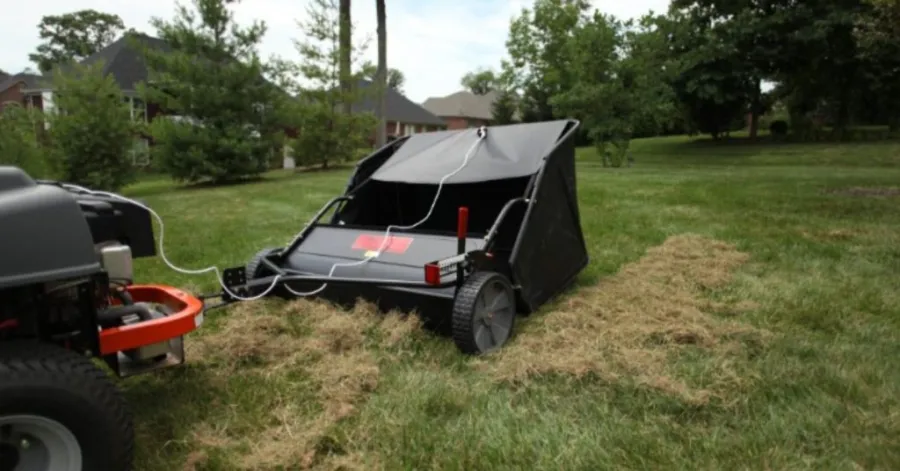
A lawn sweeper is a basic outdoor cleaning device to remove leaves, grass clippings, and light debris from lawns, driveways, and open spaces. It operates on a mechanical principle, lifting waste off the ground and transferring it to a collection hopper via rotating brushes. Understanding the working principle of a lawn sweeper will enable users to achieve cleaner, healthier outdoor spaces with minimal effort. It is more time- and energy-saving than manual raking and provides more predictable results. The machine can be handy for standard yard tasks and for enhancing the overall look of outdoor areas, whether it is a push model or a tow-behind one.
Main Parts of a Lawn Sweeper
A lawn sweeper is made with a small number of simple yet significant parts that work in harmony. Once you know these sections, it is simpler to follow how a lawn sweeper works in your normal yard cleaning.
Every part contributes to gathering leaves, grass, and other light debris effectively in the lawn.
@tada.greenhouse VEVOR tow behind lawn sweeper. Easiest was to keep your yard clean and looking great. Easy to use and pulls great. #tiktoksummerturnup #vevorsummerlife #vevor_us #lawnsweeper #yardcleanup
♬ original sound – TaDa Greenhouse
Rotating Brushes System
The rotating brush system is the main working part of the machine. It is responsible for picking up debris on the ground and dragging it to the collection site. As the sweeper moves, the brushes rotate because of the movement of the wheels and sweep the grass surface softly. This is how a lawn sweeper picks up leaves, making it easy to learn in practice. The bristles penetrate the lawn and pick up dry leaves, grass clippings, and small twigs, and they do not destroy the soil. The angle and speed of the brushes determine the amount of material gathered during a single pass, so it is a critical aspect of cleaning performance.
Brush height adjustment is another significant aspect. When the brushes are too low, they may penetrate soil, and when too high, they may miss rubbish. Easy adaptation guarantees a smooth performance on uneven grasses. This is particularly significant when reading about how a push lawn sweeper works on grass because manual control highly relies on an appropriate brush configuration.
Hopper or Collection Bag
The hopper is the storage area where all the debris collected during the sweeping process is stored. The leaves and grass are blown through the simple airflow and mechanical movement system into this bag as the brushes raise them up. The bigger the hopper, the longer your working time will be. Big hoppers would suit large lawns, and small ones could be readily moved around and emptied.
Another reason many people enquire about the effectiveness of leaf sweepers in their cleaning work is this system, which leads them to compare their effectiveness against that of a rake or a blower. The material gathered remains compressed in the bag until it is emptied by hand. Dumping is typically easy and a quick release mechanism, allowing users to keep cleaning immediately.
Wheels and Movement System
The lawn sweeper is moved by wheels that enable it to operate on various surfaces. The wheels also provide the motion to the internal gear system as they rotate, and they operate the rotating brushes. This is the mere mechanical relationship that makes the tool effective even without the use of electricity or fuel. The design can accommodate both push and tow styles, depending on the model and lawn size.
A tow-behind lawn sweeper works by mounting the machine on a tractor or riding mower, allowing the wheels to be turned and cleaning large areas of the lawn more easily. On the contrary, a push model is based on human labor, and it is here that one is interested in knowing how a push lawn sweeper works on grass in order to control and balance. The wheels are made to roll easily on the grass and even driveways, such that when picking up, they would never leave any scratches on the surface.
How a Lawn Sweeper Works Step by Step
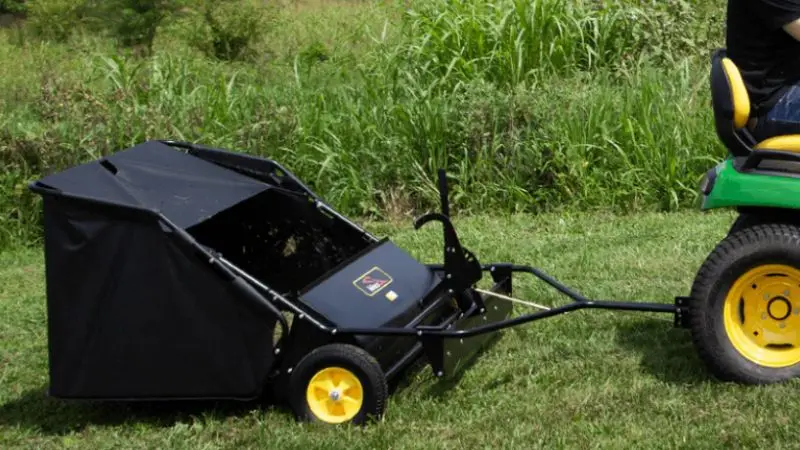
Knowing the mechanism will give you a clear view of how a lawn sweeper works in practice. The movements are simply mechanically forwarded to the collection in each step.
It is easy to follow this flow once you know how to work with the machine and achieve higher cleaning results.
Step 1: Moving the Lawn Sweeper on Grass
The lawn sweeper is transported over the lawn in the first step, either by pushing it or pulling it with a tractor or riding mower. This movement is what activates the entire cleaning system. The wheels turn as they roll forward, generating the energy required to get the brushes going. In a tow-behind lawn sweeper arrangement, the pulling car helps keep the speed constant, which is convenient for sweeping a large lawn in a short time. The sweeper glides over the lawn and minor uneven surfaces as it prepares to collect rubbish. This is necessary because uniform movement ensures the brushes are positioned to access and remove material on the ground.
Step 2: How Brushes Pick Up Leaves and Grass
In this step, the rotating brushes begin their main job of cleaning the lawn. With the turning of the wheels, it drives the brush system, which in turn makes the bristles spin and sweep along the grass surface. This is where the mechanics of how a lawn sweeper picks up leaves and grass become simple: the brushes lift dry leaves, grass clippings, and light debris directly off the ground. The length of the brushes is very important as it determines the extent to which they contact the grass. When properly placed, they not only clean effectively, but they also do not damage the turf. It has a close connection with how a push lawn sweeper works on grass, too, where a manually controlled device needs precise adjustment to achieve the best.
Step 3: How Debris Goes Into the Collection Bag
Once the debris is picked up by the brushes, it is channeled into the collection hopper or bag. This occurs with an unending brush movement and natural airflow that is produced by the spinning system. The debris can be pushed out of the grass into the storage bag without any additional work on the part of the user. The hopper is created to hold a high volume of material to enable you to clean for a longer time without stopping. This level is important for understanding the proper operation of a lawn sweeper, as a consistent walking pace is important for maintaining uniform gathering. An effective transfer system will ensure the lawn is clean and debris does not fall back onto the grass.
Step 4: How to Empty the Lawn Sweeper Hopper
The last stage is the removal of the collected rubbish from the hopper. After being full, the bag or container can be tipped over or removed so that the leaves and grass can be easily emptied. This is a simple procedure that enables users to revert to cleaning fast without wasting time. Frequent emptying of the sweeper ensures that the system is running smoothly and does not become clogged. It also helps ensure stable performance during the job. This cycle allows users to clean large areas by repeating it and maintaining the machine in good working condition.
Where a Lawn Sweeper Is Used
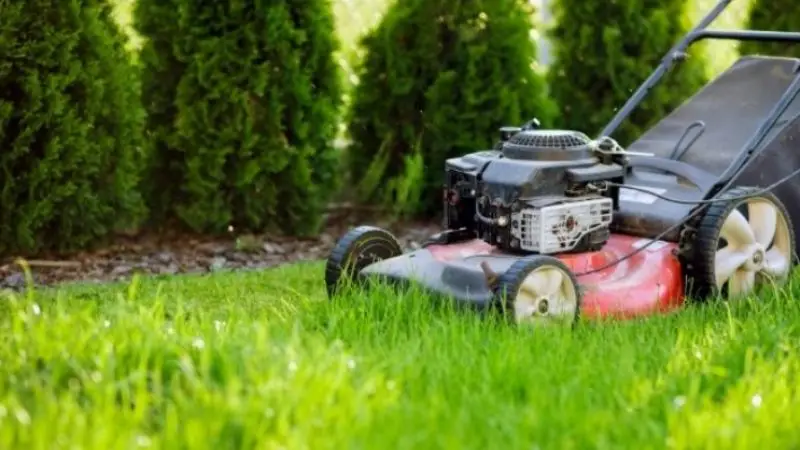
A lawn sweeper can be used on more than a single type of surface. It may be applied in various outdoor locations where leaves, grass cuttings, and light debris accumulate on a regular basis.
Knowing these applications can also help you better understand how a lawn sweeper works in practice.
It is simple and can be used in small home areas and in large open areas.
Lawns and Home Gardens
A lawn sweeper is primarily used to maintain regular lawns in home gardens and residential lawns. It assists in gathering the fallen leaves, the clippings of grasses after mowing, and any other light materials that accumulate over time naturally. The machine is easily maneuverable in soft grass and does not leave the surface in a mess. It is at this point that how a push lawn sweeper works on grass comes in particularly because homeowners tend to use manual versions when it comes to small to medium-sized lawns. The rotating brushes pick up debris effectively, and the hopper keeps it in a single location, making cleaning the garden faster and more streamlined than raking it by hand. Frequent mowing maintains the lawn tidy and enhances its appearance.
Driveways and Walkways
Driveways, walkways, and paved outdoor areas are also susceptible to lawn sweepers. These spots are usually prone to dust, dry leaves, and tiny particles of soil that are blown in by the neighboring gardens. The sweeper’s brushes reach the surface and help collect debris without spreading it farther. This makes cleaning easier and more productive than cleaning a large area with a broom. The question many users ask is how efficient leaf sweepers are on lawns and paved surfaces; their efficiency is particularly apparent when litter is gathered in a single sweep. The wheels can move over hard surfaces with ease, and the brushes direct all of that into the hopper for quick disposal. This renders it a convenient device for keeping outdoor paths clean.
Parks and Open Spaces
Lawn sweepers are used in large open areas and parks, where cleaning would otherwise be done manually on a large scale, requiring significant time and effort. Tow-behind models are particularly handy in this case, since they can be used to cover large areas within a relatively short time when they are pulled by a tractor or riding mower. This closely involves how a tow-behind lawn sweeper operates, in which machine power assists in maintaining constant movement across wide fields. The brushes sweep away leaves, grass, and litter with high efficiency at a long distance. These machines help maintain clean, safe, and beautiful public spaces. They are more suitable to support parks, sporting fields, and other open outdoor locations due to their capability to operate continuously.
Benefits of Using a Lawn Sweeper
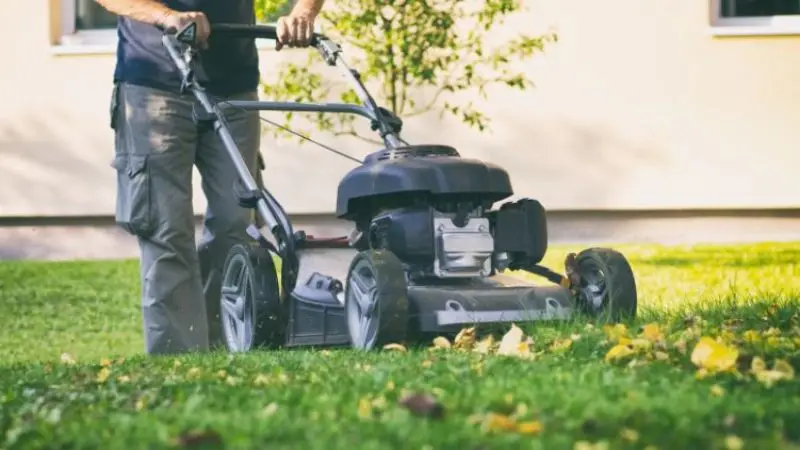
A lawn sweeper has a number of convenient benefits in the care of outdoor areas. It makes yard cleaning easier by reducing manual labor and accelerating the process.
Once you understand how a lawn sweeper works, its advantages become even more apparent in everyday use.
Saves Time and Effort
A lawn sweeper also has one of the greatest benefits of saving time and energy, as compared to traditional raking. The machine performs most of the work in one pass compared to bending down and picking the leaves manually. The internal brushes automatically rise when the wheels are in motion, hence cleaning becomes much easier. This is particularly useful for individuals with medium-to-large lawns that require hours of cleanup using a manual cleaner. A lot of users who inquire about how a lawn sweeper picks up the leaves and grass promptly understand that it is an ongoing process that is efficient. It lowers the physical stress but enables one to cover extensive outdoor spaces at a greater rate. This simplifies the routine maintenance of the lawns significantly and makes it less exhausting.
Improves Lawn Appearance
A lawn sweeper also contributes a lot towards making your outside area look better. It cleans up the surface by picking leaves, grass trimmings, and discarded litter. This provides a clean and tidy appearance to the lawn, which is challenging to achieve with manual equipment. The question on people’s minds is how effective lawn sweepers are at clearing leaves. Under normal dry weather conditions, they work very well, sweeping most surface debris in a single or two sweeps. Regular washing also contributes to better grass growth by preventing the accumulation that may block sunlight or airflow. This will eventually result in a healthier and more attractive lawn.
Eco-Friendly Cleaning Method
A lawn sweeper is also a friendly tool to the environment since it does not need electricity, fuel, or chemicals to run. It operates based on mere mechanical motion, and hence, it is a clean and energy-saving option when maintaining the yard. This makes it an excellent choice for individuals who wish to minimize their environmental footprint without necessarily leaving their lawns messy. It emits no emissions and is quiet, unlike powered machines. It also promotes natural lawn maintenance by not using tough cleaning techniques. Knowing how to operate a lawn sweeper properly can help the user achieve maximum results without compromising the sustainability of outdoor cleaning.
Limitations of a Lawn Sweeper
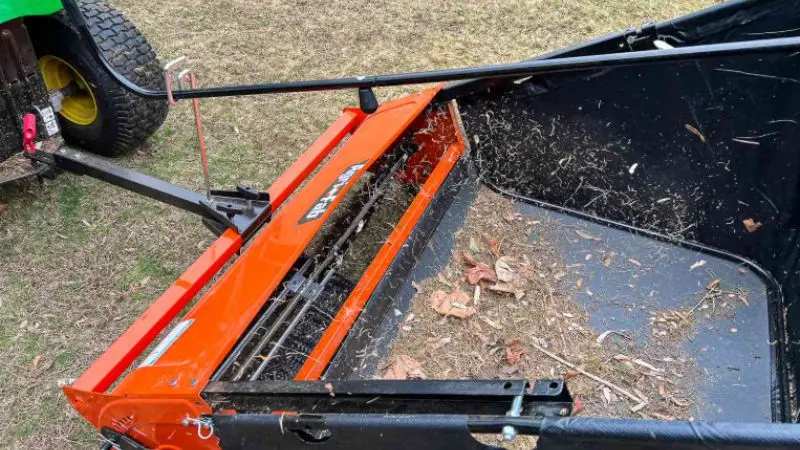
Although a lawn sweeper is quite helpful, it also has limitations that can affect its performance in certain circumstances.
These are the limitations to consider before using the machine regularly.
Knowing them will also enable you to have realistic expectations regarding how a lawn sweeper works in various settings.
Not Suitable for Wet Waste
The main purpose of a lawn sweeper is to sweep dry debris, and therefore, it is not effective on wet leaves or on wet grass. Wet material has the tendency to become sticky and heavier, and therefore, it is not easily picked up and deposited by the brushes to be transferred into the hopper. This makes it less efficient in cleaning and can even lead to clogging within the system. Customers commonly inquired whether lawn sweepers work on wet grass, which is typically not, as moisture impacts movement and collection. The machine performs optimally when the lawn is dry, so that it can be brushed easily and the debris can flow smoothly. To achieve the best results, it is only applicable during dry weather conditions.
Less Effective on Uneven Surfaces
The other shortcoming of a lawn sweeper is that it does not work well on uneven or rough ground. As the brushes depend on regular interaction with the grass surface, bumps, dips, or loose soil can disrupt the cleaning process. This may lead to uncollected debris or uneven collection on the lawn. In this situation, users will not achieve the desired outcome, more so when cleaning larger surfaces. That is why it is significant to study how a push lawn sweeper works on grass because it is more difficult to control manually on uneven grounds. The machine works best on well-kept lawns that are smooth, and the movement of the wheels and contact of the brushes are consistent.
Wrap Up
To sum up, a lawn sweeper is a convenient and effective device that helps to maintain the cleanliness of the outdoor space with minimal effort. It operates on a basic wheel, a rotating brush, and a collection hopper, which collects rubbish in a single location. It is also helpful to know how a lawn sweeper collects leaves and grass, enabling users to achieve better outcomes and performance. Although it cannot be utilized in wet waste or rough terrain, it works very well on flat surfaces and dry lawns. It is, in totality, a time-saving alternative for the homeowner who wants a cleaner lawn without the effort of raking it up the traditional way.
FAQs
1. How does a lawn sweeper work?
A lawn sweeper uses rotating brushes driven by wheels. These brushes sweep leaves and grass off the floor into a rear hopper for easy collection and disposal later.
2. What does a lawn sweeper do to collect leaves and grass?
The spinning blades move softly through the grasses and sweep out the loose leaves, clipping and debris. All this is then directed into the hopper by the rotating movement without any manual input.
3. How does a tow-behind lawn sweeper work?
A tow-behind lawn sweeper is attached to a tractor or mower. The wheels spin the brushes as it moves, enabling it to clear vast tracts of land in a short time, picking up debris into the hopper attached to it.
4. Do lawn sweepers work on wet grass?
The wet grass cannot be moved by the lawn sweepers as the moisture causes the debris to be heavy and sticky. This decreases the efficiency of the brushes and may block the hopper, making dry conditions much more convenient to use.