 Wondering about the proper depth for fence post holes in your projects? The 1/3 rule is a great way to learn this task fast. Dig a hole that is 1/3 of the whole length of the post, or 1/3 to 1/2 the height of the post above ground. Add another 3 to 6 inches at the bottom to create a good gravel drainage base. This additional area allows water to run off the wood quickly. For a 6-foot fence, you need an 8-foot post. Place the post in a hole 2.5 to 3 feet deep. These correct proportions keep your posts firm, upright, and secure for years.
In this article, we will go over the 1/3 rule for how deep hole for fence post should be and how to include a gravel drainage layer. We’ll also provide you with the ideal proportions for your posts and the right depth instructions so your fence will be stable, secure, and erect.
Table of Contents
How Deep Should a Hole Be for a Fence Post?
Getting the depth of the fence post right is critical in making a good, strong, stable fence. How deep should a 4 foot fence post be? Before adopting the 1/3 rule, consider fence height, soil conditions, and local climate. The following advice shows how to calculate a practical starting depth for your fence posts.
Recommended For Your Project
The 1/3 Rule for Fence Post Depth
In yard projects, DIYers wonder about the depth of fence posts. How deep do you dig fence post holes? Rely on the 1/3 rule for structural accuracy. The 1/3 rule works for outdoor housing. Dividing your timber post length by three gives your main digging depth. The 1/3 rule fits most backyard fences. The 6-foot privacy wall needs an 8-foot lumber post. Apply the 1/3 rule to the entire eight-foot length. Bury the post 2.5 feet. The 1/3 rule prevents top-heavy wood panels from bowing in strong winds. A simple 1/3 rule keeps property lines straight, square, and sturdy.
How Deep to Dig a Fence Post Hole
How deep to dig a hole for a fence post? Post depth is a function of drainage space. Get to your wood post goal. Fill the hole with 3 to 6 inches of crushed stone gravel. This gravel base quickly drains water from the lumber base. Add this layer of gravel to help estimate the depth of the fence post hole. The depth of a fence post is determined by weather and soil conditions. Sandy soil needs deeper hole bases than clay. To minimize seasonal ground heave, dig below your regional winter frost line. Dig fence post holes to the measured depth. Proper fence post depth will ensure decades of service.
Fence Post Depth Guide for Different Fence Types
Wind and weight are handled differently by different fence materials. You have to change your digging plans based on the material you pick for your yard boundary.
How Deep to Dig Holes for Wood Fence Posts
How deep should a fence post hole be? Natural wood fences have weight. Thick timber panels and high winds require a sturdy base. For wooden lumber posts, use the 1/3 rule. Use a 6-foot wood post for a 4-foot privacy fence. Dig a 2.5–3-foot hole. Always place 3- 6″ of gravel beneath your wood post. Natural wood rots quickly if the soil around the base is wet. Gravel helps to drain water away from the lumber base. Dig this deep trench, and you will have a straight, secure, sturdy wooden fence that won’t decay for years.
How Deep to Dig Holes for Vinyl Fence Posts
Vinyl fences sail like sails in strong winds but are lighter than wood. Wind might skew your fence, so deepen vinyl post holes as you would for wood. How deep should fence posts go into the ground? Choose an 8-foot vinyl post for a 6-foot fence. Dig 2.5–3 feet to stabilize the panel. Vinyl stakes need 3–6 inches of crushed gravel at the base. Winter may freeze the subsurface water in your post. Ice expansion damages fencing by lifting vinyl posts. The right-depth vinyl pegs on a gravel base protect your investment from weather and ground movement.
What Size Should a Fence Post Hole Be?
How far down should a fence post be buried? Hole size is greater than depth. The top opening is cleared to make a firm base. Difficult to backfill earth in narrow holes. Too-large holes are a waste of concrete, effort, and money. Total hole volume is critical for long-term stability. Properly sized holes protect your fence from the season’s harsh winds. When they’re the right size, concrete should go all the way around your wooden post. Below, a concrete collar secures the primary support beam. Safe, straight structures can be built by matching hole measurements to post size.
How Wide Should a Fence Post Hole Be?
How deep do you dig fence post holes? Always dig your fence post hole three times the width of the post. Professional fence installers use this 3x rule on all projects. So, a typical 4×4 wood post is actually 3.5 inches across on each side. Multiply the thickness by 3 to get your desired width. You have to dig a hole 10 to 12 inches wide.
| Post Nominal Size | Actual Post Width | Recommended Hole Width |
| 4×4 Wood Post | 3.5 inches | 10 to 12 inches |
| 6×6 Wood Post | 5.5 inches | 16 to 18 inches |
How to Dig a Fence Post Hole
Proper preparation will make excavating fence posts easier and ensure that each post is installed straight. How deep should a 6 foot fence post be? Mark each spot before you start digging. Make a straight fence line. The next step will show you how to set your marks and provide a clear guide for digging.
Mark the Fence Post Locations
How deep should fence posts go into the ground? You have to plan before you dig a straight fence line. Start by placing robust wood posts at the corners of the fence. Use brightly colored mason string to join the corner stakes. This string will leave your region well-marked and keep your fence straight. Measure the distance of the string line to find the center posts. Outside, spray paint dazzles on the ground under the string line. Install fence posts carefully to avoid spacing issues and keep the panels taut.
Dig the Hole to the Correct Depth
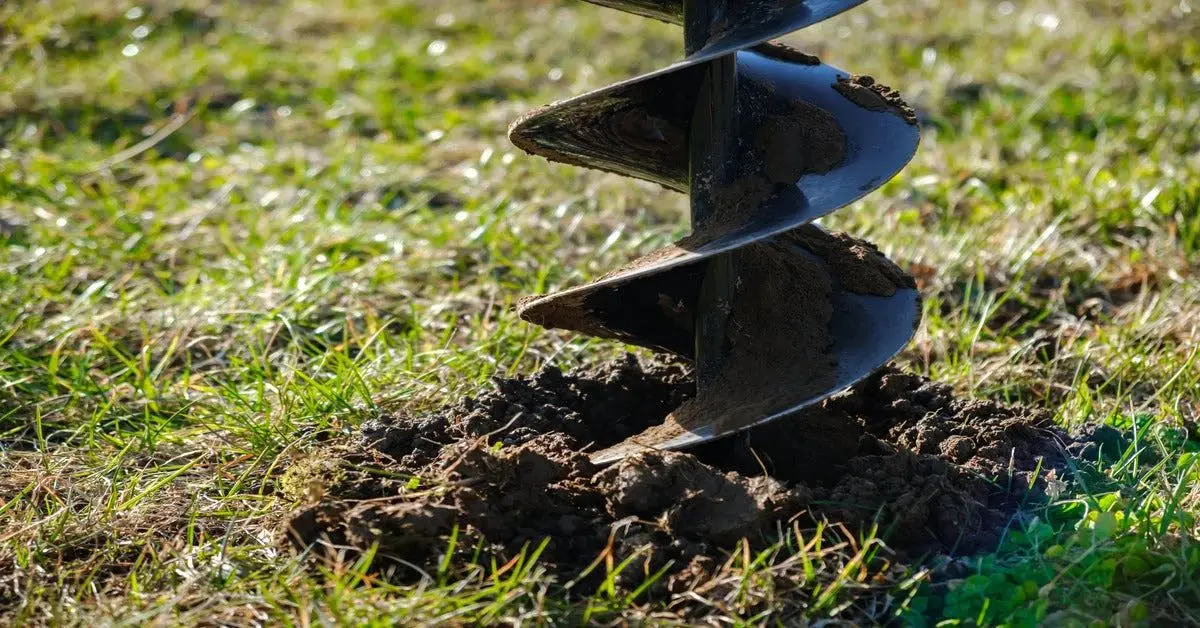
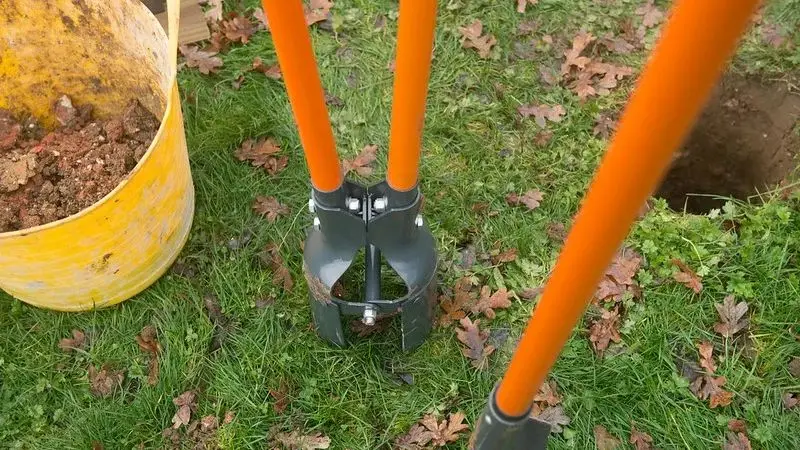
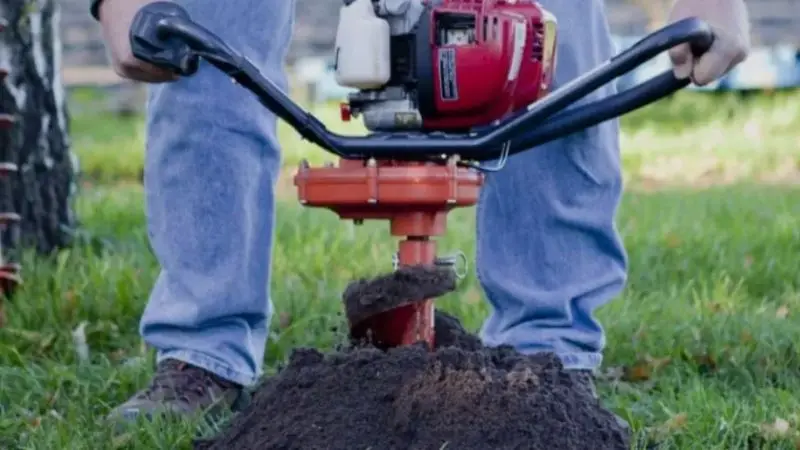
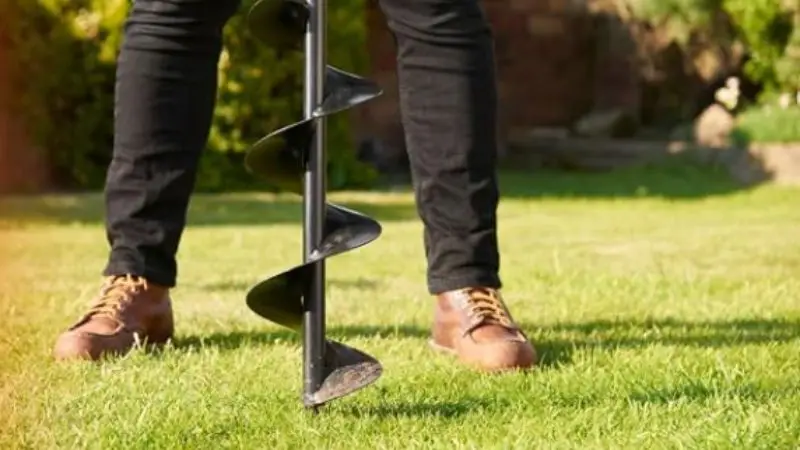
How deep should a fence post hole be? Soil can be removed using manual clamshell post-hole diggers or gas-powered augers. Run your digging tool over your spray paint mark. Push the tool blades directly into the earth to form clean, vertical walls in the hole. Maintain a tidy site that is easy to inspect. Remove loose material routinely. Use a reliable tape measure and check the hole depth often as you dig. Once you have dug down to your goal post depth plus three to six inches for your gravel base, stop.
How Deep Should a Fence Post Be in Concrete?
How deep to dig a hole for a fence post? In wind and soil, concrete supports fence posts—waterlogged post hole. The 30-inch holes form a 224- to 27-inch concrete base for an 8-foot wood pillar. Add 3–6 inches of gravel to the base before pouring wet concrete. Instead of concrete cups, gravel supports posts. An open bottom drains groundwater easily. Prevent wood moisture sealing by strengthening the concrete beneath the fence post. Around the wood beam, pour concrete mix two inches below the lawn line. Slant the top of the wet concrete away from the post with a hand trowel. Rainfall hits grass, not trees. Sitting in water ruins wood.
Let the wet concrete mix cure before putting in the heavier fence pieces. Fast-setting concrete takes four hours to harden, compared with 48 hours for normal concrete. The concrete sets with the posts not shifting, so the fence line does not tilt. Fill the hole deep enough, and the posts stay put for years. Pack soil to the top two inches of your hole. This layer of earth covers the concrete foundation and allows grass to grow up against your new fence.
Factors That Affect Fence Post Hole Depth
How far down should a fence post be buried? Several things can affect the depth of your fence post installation. The height of the fence is one of the most significant factors, but you also have to consider soil conditions, wind exposure, post size, and the frost line in your area. Knowing these elements can help you choose the proper depth and build a more solid, more stable fence.
Fence Height
If you change the fence wall height, adjust the hole depth. High garden borders are more exposed to wind than low ones. How deep should a 4 foot fence post be? The 4-foot panel provides very little leverage on the ground. A 4-foot fence will fit in a 2-foot hole. This 6-foot panel gives great leverage during summer and winter storms. Calculate the post depth based on the fence height for a straight, safe, and robust build. Taller installations require deeper footings to avoid tipping over in bad weather. A 7-foot privacy fence requires 10-foot posts 3.5 feet deep. Strong breezes: align panels. More depth helps deep posts hold up your top-heavy privacy screen. Measure your panels, then purchase your lumber.
Soil Type
How deep should a 6 foot fence post be? It depends on Earth conditions. Clay keeps the earth from moving and also hardens the post footings. Sandy dirt goes fast under high power. Where the soil is soft or sandy, dig the post holes 6 inches deeper. Additional concrete around loose soil provides foundation and post security. Winter chill affects the earth’s stability along the yard perimeter. Moist groundwater expands in the winter. That added layer of ice will wreck your level fence line by elevating shallow post bases. Look up local building codes for frost depth. Space holes 6 in. below the local frost line. Posts below this freeze level will prevent seasonal ground heave and protect your outside investment.
Conclusion
How deep hole for fence post? A good fence begins with digging to the appropriate depth. The 1/3 rule is a simple way to determine your goal depth. Just take your entire post length and split it into three parts. Add 3 to 6 inches of gravel for your drainage base. Always check your local weather patterns before setting your posts. You ought to dig your holes below your regional frost line to avoid winter ground movement. Also, make your gate post holes 6 to 8 inches deeper. Gate posts bear considerable shifting weight every day. Employing the 1/3 rule, along with these tiny depth changes, will keep your whole fence solid for decades.
FAQ
How deep do you dig a hole for a 6-foot fence post?
You should set an 8-foot post in a hole that spans 2.5 to 3 feet deep. This depth follows the standard 1/3 rule. Add 3 to 6 inches of gravel at the bottom for drainage.
How deep a hole do you need for fence post projects in soft soil?
Dig your hole 6 inches deeper when working in loose or sandy dirt. Soft earth slips easily under force. Adding extra depth and pouring concrete footings keeps your fence post stable during severe windstorms.
How deep should gate post holes be?
You need to dig gate post holes an extra 6 to 8 inches deeper than standard post holes. Gates support heavy moving weight daily. Extra depth keeps your swinging gate level and prevents long-term sagging.
What is the basic rule of thumb for post hole depth?
Use the 1/3 rule for standard projects. You calculate your main digging depth by dividing the total post length by three. Then, dig an extra 3 to 6 inches for your gravel drainage base.