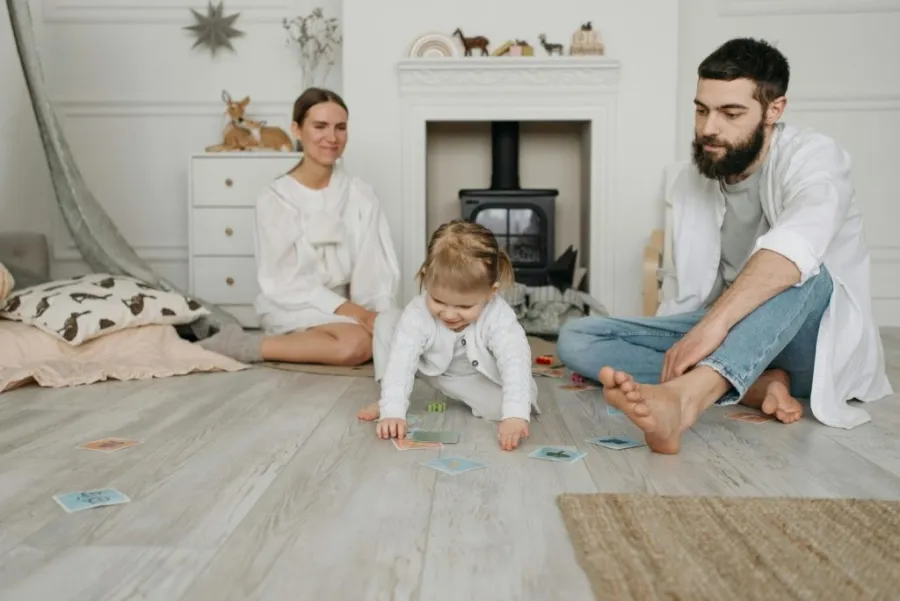
Home heating winter safety is the only thing that stands between a relaxing movie night and a frantic 2 a.m. emergency call. We all want our children to be warm, but a curious toddler and a hot heating unit make for a disaster you do not want to witness.
Winter in 2026 will bring some serious chills, and if you’re preoccupied with balcony prep or winterizing your windows, it’s easy to overlook the dangers just inside your living room. Whether you’re wrapping up in a rechargeable heated sweatshirt or monitoring your vents, preparation is essential.
Let’s see how this guidance can assist you in keeping your children safe when the snow builds up.
Why heating safety matters more in homes with children
Children are inherently curious, and their skin is far more sensitive to heat than ours. A heater that feels “just warm” to you might inflict a severe burn to a toddler in seconds. This is why mastering home heating winter safety is the most crucial task for any parent during the cold season.
Children are also unaware of the invisible threats, such as tipped-over units or oxygen loss. Whether you are concerned with a child’s safety in a little apartment or a huge house, your setup must be childproof. A curious hand can easily reach out and touch a hot surface in a matter of seconds.
Safe placement of heating equipment
The way you set up your room impacts how safe your children will be. You want to make sure that your heat sources work, but are absolutely inaccessible to curious hands.
- Keep space heaters out of the play areas: Playrooms are high-energy environments where toys fly, and children tumble. A space heater in this location is a formula for a tipped unit or fire. Always install heaters in areas where children do not typically run or play.
- Establish a “no-touch” zone around heat sources: Teach your children that heaters are “hot tools,” not toys. Mark a three-foot barrier on the floor with colorful tape so kids can’t cross it. This visual cue reminds younger toddlers to stay back.
- Secure cords away from walking paths: Tripping over a power cord can cause a heavy heater to fall directly onto a youngster. Use cord coverings or conceal them behind heavy furniture to avoid temptation. Loose wires are a big chewing hazard for both toddlers and pets.
- Avoid placing heaters near bedding or curtains: Fabric catches fire faster than you might expect. Keep all heating units at least three feet from couches and long curtains. This modest gap is a fundamental principle of home heating winter safety for any family.
Childproofing your heating system

Sometimes you can’t move the heater, so you have to relocate the children. Proper barriers are your best friend for small space survival throughout a long, harsh winter.
Install heater guards or covers
Metal guards are quite useful for baseboard heaters and floor vents. These covers are cool to the touch and allow warm air to flow through. They also keep children from dropping little toys into the heating ducts.
Use tip-over protection heaters
Only buy devices with an automated “kill switch” in case they are bumped. Modern all-in-one diesel heaters include stability sensors that shut the machine down instantaneously. This technology gives you peace of mind when your children are acting up.
Lock thermostat controls if needed.d
Kids adore buttons, and a cranked-up thermostat can result in warm rooms. Install a locking cover for your thermostat or use a digital lock. This keeps the temperature stable and your energy bill in check throughout the season.
Cover exposed radiators
Old-school radiators are known for producing severe burns. To build a buffer, use specially designed wooden or mesh covers. If you use a room heater with a remote control, you can control the temperature from a distance without having to approach it.
Fireplace and wood stove safety for families
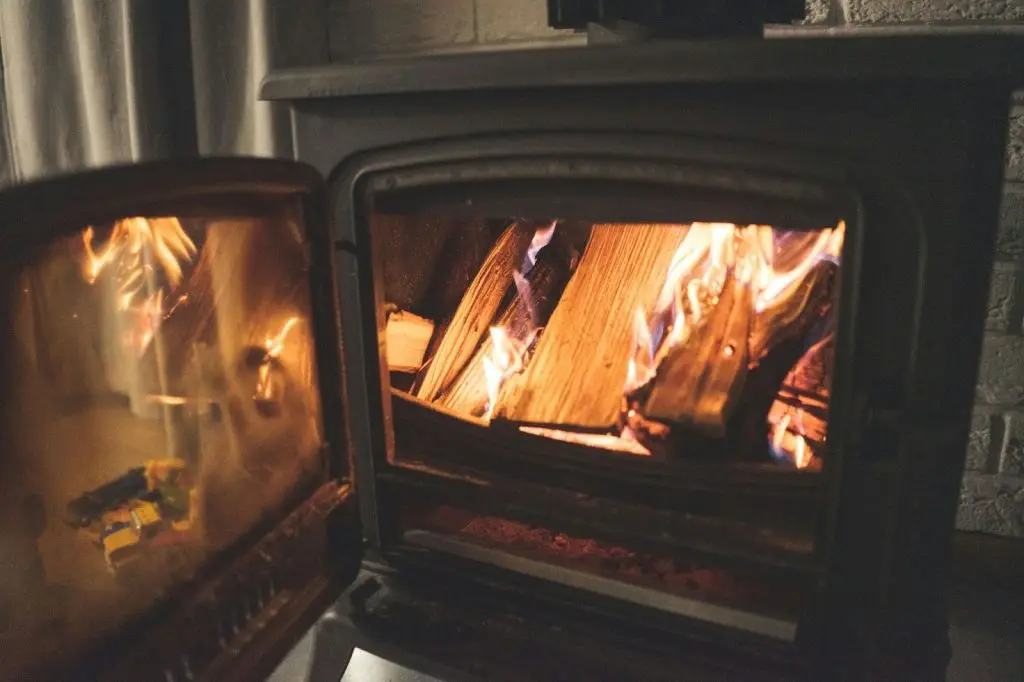
Nothing surpasses a real fire, but an exposed flame attracts children. You must build a physical barrier that no child can overcome.
Install sturdy safety gates
A soft screen is insufficient; you need a metal gate that bolts to the wall. This ensures that even if a youngster falls against it, they cannot reach the glass. It’s an important aspect of your winter storm preparation checklist.
Keep tools and firewood out of reach
Heavy iron pokers and jagged logs are equally as dangerous as fire. Store your fireplace equipment in a wall-mounted metal medical cabinet or behind a secured gate. Keep wood in high-security bins.
Supervise children around open flames
Never leave a youngster alone in a room with an open fire, even for a minute. If you need to leave the room, take the youngster with you. When the wood stove is roaring, staying safe becomes a full-time job.
Ensure proper ventilation
Fires consume oxygen; keep the room aired. If you’re conducting any winterize balcony work, make sure your chimney is clear. Before you spark up, consider kerosene vs diesel for heating to ensure the cleanest burn.
Carbon monoxide and fire prevention
In child-friendly houses, the most severe risks are frequently invisible. You must be able to sense something you cannot see or smell.
Install carbon monoxide detectors on every level.
This gas is a quiet killer, and it affects children faster than adults. Place a detector in each bedroom and in the kitchen. It is a non-negotiable step toward home heating winter safety in 2026.
Test smoke alarms monthly
Smoke alarms are only functional if they actually emit sound. Make “testing the beep” a monthly activity with your kids. This guarantees that the equipment is ready to use while also educating them not to be afraid of the sound.
Replace detector batteries before winter.
Do not wait for the low-battery beep in the middle of the night. Replace all batteries as part of your house winterization program. In the event of a flood or blackout, having a sump pump battery backup helps keep your detectors dry and operational.
Keep emergency exits clear.
In a fire, every second is crucial. Make sure that toys and strollers are not blocking your exits. Children should know exactly how to get out of the house. Keep a 32-piece auto emergency kit in your driveway for a speedy escape.
Teaching kids winter heating safety
Education is equally vital as equipment. When children understand the “why” behind your restrictions, they are considerably more likely to stay safe throughout the 2026 season.
Explain why heaters are not toys
- Sit your children down and explain that heaters are strong machines, not toys.
- Use simple language to explain how the interior components become “ouchy hot” and potentially harm their favorite toys.
- Remind everyone that only adults are allowed to touch the buttons or dials on any heating appliance.
Practice emergency exit plans
- Conduct a “winter fire drill” so your children understand what to do if a smoke alarm sounds.
- Show them two exits out of each room and designate a safe meeting place outside, such as a certain tree.
- Make sure they understand how to keep low to the ground to prevent inhaling hazardous smoke.
Teach safe distances from hot surfaces
- Use the “three-giant-steps” rule to teach children how far they should be away from any heater or fireplace.
- Explain that even if a heater appears to be “off,” it may still be hot enough to inflict a painful burn.
- Consistently reward kids for playing in designated safe areas away from all heating equipment.
Common heating mistakes in homes with kids
Even the best parents can develop undesirable behaviors. Recognizing these flaws is the first step towards a safer household.
- Drying clothes over heaters: It is tempting to place wet mittens on a heater, but this poses a significant fire risk. Fabric can spontaneously ignite. Always use a good drying rack that is safely situated away from any heat source.
- Leaving space heaters unattended: If you are taking a nap, never leave the heater running. If you are not awake, you cannot respond to a situation. If you use a diesel heater indoors, be sure it is monitored and vented properly.
- Blocking vents using toys or furniture: Kids enjoy hiding stuff in floor vents. This reduces airflow and may cause your furnace to overheat. Check your vents every day to ensure that no toy cars have been “parked” within.
- Ignore odd heating scents: If you smell anything metallic, turn off the system. Unusual odors are the first indication of mechanical breakdown. Always carry a 250-piece survival first aid kit on hand in case of small burns or accidents.
FAQs
Are space heaters safe around toddlers?
Space heaters can be considered safe if they include tip-over protection and are stored in a “no-touch” zone. They should never be left alone with a toddler. Always employ a barrier to keep the youngster safely away from the heating element.
How far should furniture be from heaters?
Always leave at least three feet between any heater and flammable goods such as couches. This keeps the fabric from reaching ignition temperature. This is a general rule for home heating winter safety in any home.
Can children touch radiators safely?
No, most radiators reach temperatures that result in immediate burns. To avoid direct skin contact, always use a robust radiator cover or safety gate. Even a fast touch might cause pain to a young child’s delicate skin.
What is the safest heating option for families?
Central heating is often considered the safest because the “fire” is isolated in a separate room. If you require portable heat, a well-vented diesel heater is an excellent option because it can be kept safe while the heat is piped in.
Conclusion
Home heating winter safety is the only method to avoid experiencing the nightmare of a failed heater or an accidental burn. By following these recommendations, you are creating a shield around your property and toddlers. From checking for carbon monoxide to fastening your cords, these minor actions pay handsomely when the snow begins to pile up outside your door. Do not wait till the first snow hits to begin your preparations. Take a check around your house today, get your equipment, and make this the safest winter ever. Stay warm and protected!