You use heavy-duty industrial work tables every day. Taking care of your tables helps you stay safe and save money. If you do not take care of them, you could get hurt or lose time at work. Stainless steel workbenches need special care; they resist rust, but strong chemicals can still damage them. These tables provide a strong and reliable surface for handling demanding tasks, heavy equipment, and daily operations. The best heavy-duty industrial work tables for factories also need frequent inspections. Good table care keeps your tables working well and your space safe. When you look after stainless surfaces, they last longer, and your area stays safer. By following a consistent maintenance routine, businesses can maximize productivity, extend equipment lifespan, and protect their investment. This guide covers practical tips for maintaining heavy-duty industrial work tables and keeping your workspace running smoothly.
Key Benefits of Regular Industrial Work Table Maintenance
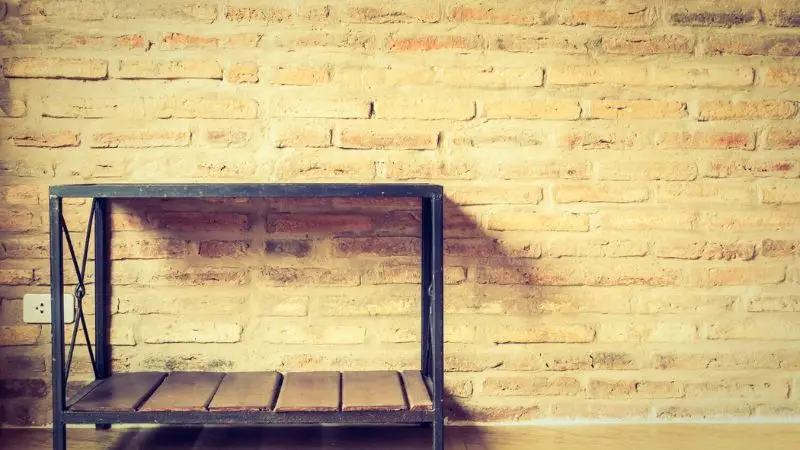
There are several important benefits to regular maintenance of industrial work tables. It is used to help prolong the equipment’s life and prevent rust, wear, and structural damage. Regular inspections and cleaning make the workplace safer and help to avoid expensive repairs/replacements. Clean work tables also facilitate better organization, smoother workflows, and increased operating efficiency.
Extending the Lifespan of Industrial Work Tables
You want heavy-duty industrial work tables that will serve you for many years. You can achieve this goal through regular maintenance. Cleaning and inspecting the workbench reduces the risk of small issues becoming big ones. You prevent rust and stains on your heavy-duty stainless steel workbench surface with storage drawers. You also prevent the cracking and warping of wooden tables. The benefit of this routine is that it will extend the life of your equipment and workbench. Your investment pays off for a longer period of time. Buying a durable work table that will last for many years will minimize the need for frequent replacements. Maintained, durable work tables help create a safer working area.
Improving Workplace Safety and Compliance
Your work area should be safe. A rip in an industrial workbench may cause accidents. Loose bolts or sharp edges can cause injury to you and/or your team if you spot these risks early during the inspection of your heavy-load-capacity workbench for factory use. You deal with them before they become a problem. Good maintenance also enables you to comply with safety rules at your job. You demonstrate a safety concern and enforce the law. The work table is an important part of accident prevention when it is strong and stable. A weak, wobbly, or mis-designed table will tip, wobble, or fall when it is pushed. This may result in injuries or equipment damage. Be sure to inspect your stainless surfaces for spills or sharp objects at all times. Quick action keeps your team safe.
Reducing Repair and Replacement Costs
When you take care of your workbench, you save money. It is cheaper to make small repairs than to replace the table. The regular check-up can help you identify problems early. You don’t have to spend a fortune on expensive downtime. Repairs to a well-maintained stainless steel workbench are less needed. You can use your tables more at a lower cost. These tables are made from high-quality materials and to a high standard of artistry. This makes them more durable than regular tables under daily use. Users will require fewer call-outs for repairs, reducing maintenance costs and time.
Maintaining Operational Efficiency
You want your team to be quick and efficient. Clean and sturdy workbenches contribute to high productivity. A flat surface keeps parts and tools tidy and together. There’s no time wasted in troubleshooting issues or finding secure working areas. Caring for your best heavy-duty industrial work table for factories ensures they’re always prepared to handle any job. You maintain an efficient workflow and a focused team. A robust, well-built table will not require workers to waste their time adjusting unstable surfaces or fixing equipment issues. Everything is kept in place, making tasks easier and faster for them. This results in more rapid production and an easier workflow.
Perform Routine Inspections to Identify Early Signs of Wear
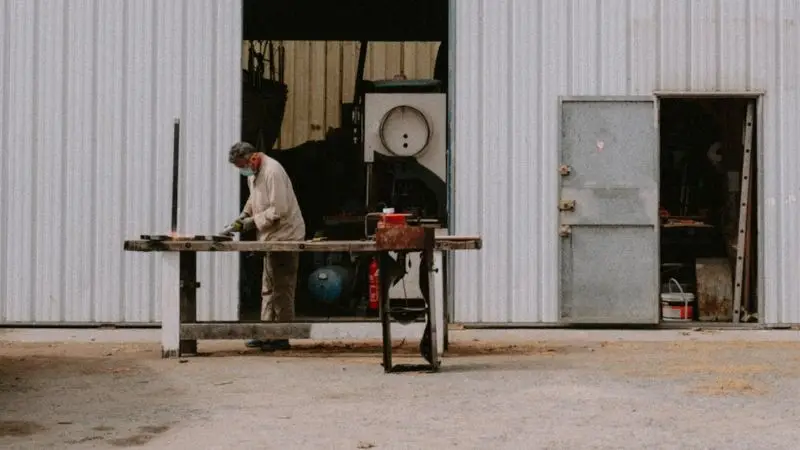
Regular checks enable you to identify problems early. Heavy-duty industrial work tables are protected to ensure the safety of your work area. Regularly checking the workbench will result in early identification of problems and avert costly repairs. Having an inspection checklist can help you ensure that no important areas are missed.
Check for Structural Damage and Weak Points
You should look for weaknesses in your workbench. Inspect legs, frame, and supports. Any bending, wobbling, or loose parts should be dealt with immediately. Your workbench will be stable and safe if it is built with a strong structure. Durable work tables for industrial use must withstand heavy-duty use and aggressive environments. This is a handy feature, as it enables users to catch small issues before they become major problems. It helps maintain the reliability of long-lasting work tables for industrial use and promises a safer, more efficient working environment. If the work table becomes damaged or weakened, it may pose a hazard to workers. It is essential that you use a flashlight when inspecting under the table. It is possible to see things that aren’t visible from above, or hidden cracks and damage.
Inspect Welds, Joints, and Fasteners
Your workbench is made with welds, joints, and fasteners. It is important to inspect these areas for rust, gaps, or loose bolts. Replace worn-out components and tighten any loose screws. When broken welds are found, they should be repaired promptly. This way, your heavy-duty steel workbench with storage drawers is safe and secure. The main components that join the work table are welds, joints, and fasteners. When any of these become loose, cracked, or weakened, the table may be rendered unstable. In industrial settings, where heavy tools and materials are being handled, a stable table is essential. It keeps everything on the table from moving around and going out of balance. Frequent checks contribute to overall cost management and reduce operational costs.
Look for Surface Cracks, Dents, and Corrosion
Your workbench can be compromised by surface damage. Check for cracks, dents, or corrosion on the table top. Chemicals can damage stainless steel surfaces, even though stainless steel is not prone to rust. Wooden tops can have warps or splinters. If so, the surface should be cleaned, and any problems found should be resolved. The top of a work table is the most commonly used surface. With use and in severe working environments, it may become cracked, dented, or rusted over time. Users can identify these problems by periodically checking the surface. It’s easy to spot a small crack or dent, but it can escalate if left unchecked. If it is detected early, the user can take measures to prevent damage or damage to the table’s strength.
Create a Scheduled Inspection Checklist
This information can be used to create knowledge of how to choose a heavy-duty workbench for the workshop. With a checklist, you can avoid getting disorganized. Document each location that needs inspection and set up weekly/monthly inspections. Check off completed tasks. This exercise will keep your workbench in tip-top shape and will prevent you from slipping and sliding. In busy offices, it’s easy to forget to conduct routine checks during a busy workday. Equipment checks can be missed when busy workers and managers get busy. The answer is to use a Schedule of Inspection Checklist, as it provides a definite routine. Regular inspections help to make the workplace safer and more productive.
Clean Heavy Duty Industrial Work Tables Regularly
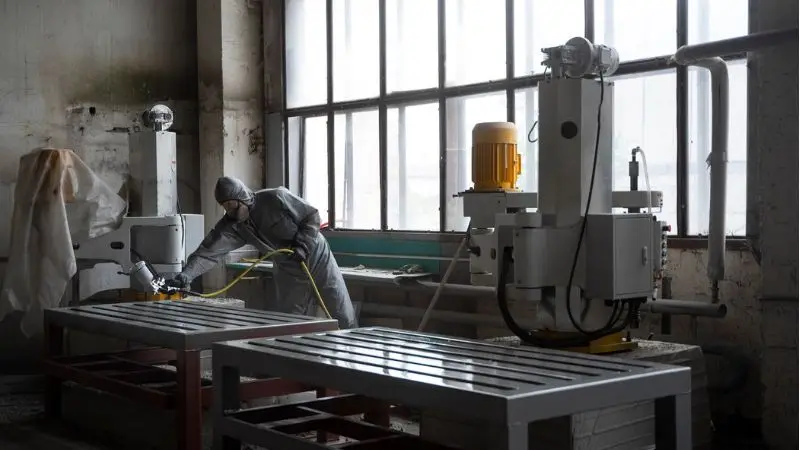
Heavy-duty industrial work tables should be cleaned regularly to keep them in good condition. By cleaning up dirt, dust, debris, and chemical spills, surface damage, contamination, and early wear are prevented. Applying the right cleaning solutions to the various materials will help maintain the table’s finish and durability. Daily, weekly, and monthly cleaning regimens keep the workspace safe, extend the table’s lifespan, and save money in the long term.
Remove Dirt, Dust, and Industrial Debris
You must have a clean, heavy-duty industrial work table. Dirt and dust can scratch the surface and hurt your equipment. Scoop or vacuum up loose dirt. Clean the workbench with a damp cloth to rest. Wash under the table and around the legs as well! This will ensure your workspace is safe and operating efficiently. Industrial work tables for manufacturing plants, clean work tables are a must for a safe working environment. Dirt and debris can form uneven surfaces on which tools or materials can slip or become unstable. Always wear gloves when cleaning a stainless steel workbench. Gloves protect hands from sharp objects and chemicals. A clean surface ensures the proper placement of materials and the proper function of tools.
Use Appropriate Cleaning Products for Different Materials
It is best to choose the appropriate cleaner for the workbench. Gentle, non-abrasive cleaners are required for stainless surfaces. Avoid bleaching or strong chemicals, as they can cause stains or rust. If you have a wooden table, clean it with mild soap and water. Dry thoroughly to prevent warping and damage to the wood. Read the label on all durable work tables used for industrial cleaning before use. The correct cleaner keeps your tables in good shape.
Stainless Steel
- Most suitable cleaner: Mild detergent, vinegar
- Do not use: Bleach, abrasive cleaners
Wood
- Cleaner: Mild soap and water.
- Do not: Overwater, ammonia
Prevent Buildup of Chemicals and Contaminants
Chemicals and other materials should be prevented from accumulating on your workbench. A spill may damage both stainless and wooden tables. Clean up spills immediately. Store chemicals in proper containers. Have trays or mats to catch drips. These steps will help preserve the heavy-load capacity workbench for factory use and keep it clean. This ability to prevent its accumulation is extremely significant, as it enables the work table to remain clean, safe, and fully functional over time. That is, the table is designed and maintained to prevent harmful materials from accumulating and causing issues later. This helps reduce accidents and makes the workspace safer.
Establish Daily, Weekly, and Monthly Cleaning Routines
You should create a cleaning schedule for your tables. Make a list of jobs for daily, weekly, and monthly tasks. Wipe the table and clean up dirt each day. Clean more thoroughly weekly and check for stains. Each month, check for damage and put on protective coatings. These tasks will often help keep your workbench safe and ready to use. Daily cleaning of the table will prevent dust from accumulating and make cleanup easier later. Having a clean surface at the beginning and end of the workday helps workers to stay organized and ready for work. It will also decrease the chance of cross-contamination between materials or processes.
How to Protect Industrial Work Table Surfaces from Damage
Avoid damaging work table surfaces to preserve their durability, appearance, and performance. Avoiding scratches, impacts, and abrasions through good tool handling. With the help of protective mats and covers, surfaces are protected against spills, dents, and scratches, while rust- and corrosion-prevention measures contribute to the table’s longevity. By handling heavy equipment with care, additional damage is avoided, and a safer, more efficient work environment is promoted.
Prevent Scratches, Impacts, and Abrasion
Scratches and hits must be avoided on your workbench. Sharp objects and heavy objects can damage the surface. Never slide equipment, but instead, pick it up. Carefully place tools on the table. If there are small scratches, clean the spot and use a repair kit. This will help to keep your stainless steel workbench healthy and attractive. The surface of any heavy-duty industrial work table must be as smooth and even as possible. As the surface is scratched or abraded, it can roughen or become uneven with time. When these problems are averted, the table remains in good condition and in its original smooth surface. This helps workers place materials, tools, and components on the surface with ease. Cleaning is also easier, and surface usability improves due to the smooth surface.
Use Protective Mats and Surface Covers
Mats or covers should be placed on the workbench, as rubber mats will absorb the shock of dropped tools. The Vinyl covers prevent spills from contacting the table. Use an anti-water-absorbing matting for a durable work table for industrial use. This will prevent rust and keep your table clean. Replace worn or damaged mats. In simple terms, protective mats and covers serve as a barrier between the work surface and the material(s) being handled. They absorb impact, reduce wear, and prevent damage to the table from everyday use. Protects the table by absorbing impact and preventing direct contact. This keeps the surface smooth and in good condition even when it is being used extensively, which is often the case in a busy industrial area.
Common Surface Covers Table
Heavy-Duty Industrial Work Tables are engineered to withstand heavy-duty activity in the factory. Heavy tools, chemicals, sharp objects, and excessive use by users can cause wear and tear on even the strongest work tables. This is where common surface covers come in great help. Surface covers are protective layers added to a work table’s surface to protect it and not compromise its performance.
- Rubber Mat – Shock Absorption – Suitable for heavy tools.
- Vinyl Cover – provides spill protection and is suitable for chemical tasks.
- Poly Sheet – helps to avoid scratches and is ideal for assembly applications.
Apply Rust and Corrosion Protection Measures
You must prevent your workbench from rusting—dry stainless surfaces following cleaning. Spray a rust blocker on metal parts. Use a sealer to repel water from wood. Examine for rust spots once a week. Rub off any rust using a soft brush. This will prevent corrosion and help to extend the life of your heavy-duty industrial work tables. How to choose a heavy-duty workbench for a workshop? The protective measures help maintain the table’s clean, professional appearance. A clean workplace projects a positive image for the company and reflects quality and proper care of equipment. Users do not have to worry about corrosion when using it, as it helps keep the table stable, smooth, and reliable. Workers will be able to perform their work efficiently and without disruptions from damaged equipment.
Handle Heavy Equipment Carefully
Heavy equipment should be moved slowly and carefully. If possible, use a cart or lift. Place machines carefully on the workbench. Things can be dropped to break the stainless surface and create cracks. It is always advisable to inspect the table before adding any new equipment. Precise movements prevent injury and damage. Careful handling of heavy equipment focuses on safe procedures for lifting, placing, moving, or removing it from the work table. With careful handling, the table, the equipment, and the workers who use it daily are safeguarded. It will minimize damage, enhance safety, and help to maintain the efficient long-term performance of the workstation.
Lubricate Moving Components and Adjustable Features
Your work tables rely on moving parts, and when you don’t take care of them, you are in trouble. Need regular maintenance for hinges, drawer slides, and height adjusters. These parts move easily and last longer when they’re lubricated. A preventative maintenance program will prevent expensive repairs and enhance workplace safety. It also improves the work tables’ efficiency for a longer time.
Identify Parts That Require Lubrication
Watch for moving or changing parts. Be sure to inspect a heavy-duty steel workbench with storage drawer slides, hinges, casters, and a height-adjustable leg. When working on a stainless steel workbench, pay attention to mobile joints and brackets. They can collect dust and dirt, causing them to slow down. By identifying the parts that need lubrication, users can apply the proper lubricant before problems develop. This reduces friction, allowing the moving parts to run smoothly and easily. With no components that jam or make loud noises, workers can work without getting stuck or experiencing any inconvenience. Lubrication forms a barrier between the moving surfaces and reduces direct contact, thereby minimizing wear.
Choose the Right Industrial Lubricants
Select the most appropriate lubricant for each component. Thus, silicone spray is recommended for most metal joints. If there are stainless-steel surfaces on heavy-load-capacity workbenches for use in a factory, select a lubricant that won’t stain or attract dust. Avoid heavy oils that run onto the work surface. Therefore, it is essential to read the label before using any product.
- Hinges – Recommended lubricant: Silicone spray.
- Drawer Slides – Lubricant suggested: Dry graphite or silicone lubricant.
- Casters – Recommended lubricant: Light machine oil.
- Stainless Joints – Recommended lubricant: Non-staining lubricant.
Prevent Friction and Mechanical Wear
Lubrication lowers friction. Smooth parts will not wear out quickly. Remove old grease and dirt before applying new lubricant. This step will keep your stainless parts safe and maintain the good performance of your tables. Heavy-duty industrial work tables will minimize friction and ensure that all moving parts can function smoothly and easily. No struggling for workers to open drawers, adjust settings, or move parts. This makes it more convenient and efficient to use every day, especially for tasks. This reduces stress and friction-related damage to the work table. This has a major effect on the table’s longevity and life expectancy, potentially providing users with multiple years of service. Fewer replacements and increased long-term value of the investment are provided to businesses.
Develop a Preventive Maintenance Schedule
Have a schedule in place for monthly inspection and lubrication of moving parts. Mark your calendar and write down each task. Mark off tasks as they are completed. It’s a great routine to keep stainless steel work tables in tip-top shape without getting a hefty repair bill. Proper care and regular maintenance of your best heavy-duty work tables for factories can help them last longer. Print out and plan for cleaning, checking, and oiling the tables. These things will make your team more effective and your tables stronger. We can fix them without spending as much money. With your tables taken care of, everyone and everything is safe.
Start your maintenance program this year. Use the team’s help and take care of the tables to create a safer, more efficient working environment.
Wrap Up
For the long life of heavy-duty industrial work tables, proper maintenance is important. Common problems can be avoided by regular cleaning, inspection, lubrication, and surface protection. A well-defined maintenance plan can help businesses identify issues early and prevent costly repairs or downtime. Heavy-duty industrial work tables are ideal not only for prolonging equipment lifespan but also for optimizing workflow and boosting productivity. It also helps ensure a safer work environment by minimizing hazards posed by loose parts, unstable surfaces, or damaged parts. If care is approached consistently, then the workplace is more organized and efficient. In the end, investing time in maintenance benefits both the equipment and the people working on it.
FAQs
How often do you need to check on heavy-duty industrial work tables?
Inspect tables at least once a month. This will enable you to identify damage early. Periodic inspections ensure a safe work environment. They also prolong the life of your equipment.
How to store items on industrial work tables?
Store in marked bins, shelves, and hooks. This helps keep things neat and easy to access. The right storage system ensures a safe workplace and a faster working speed.
What is the best way to clean 316-grade stainless steel work tables?
Use a soft cloth and mild soap to clean the table. Avoid the use of strong chemicals. This helps ensure the surface remains protected and free of rust. For best results, always follow your group’s cleaning rules.
How to avoid clutter on work tables?
Clean up tools when finished using them. Dispose of waste daily. Create storage zones using a guide. These measures help to maintain a clean table and ensure everyone’s safety.
Are chemicals allowed to be stored on industrial work tables?
Chemicals should not be placed directly onto work tables. Use special cabinets for storing chemicals. Obey the group’s safety guidelines. This will ensure your tables stay secure and protect your staff.