You want to make sure not only that your plants are healthy but also that there are no pests in your garden. Using hardware cloth can prevent burrowing animals from damaging the hard work you have put into your garden beds. This essay is intended to give you information on a basic method for protecting your raised beds. Although you have never done anything even somewhat close to this before, you will find that the installation is actually rather easy to complete. Your garden will remain safe, and your plants will continue to flourish. Your garden will also continue to grow.
In this article, we will discuss how to use hardware cloth for garden bed and protect it from pests and burrowing animals. It is a simple and effective way to keep your plants safe while helping your garden grow healthy and strong.
Materials Needed to Install Hardware Cloth for Garden Bed
@beckenholdt Vevor Hardware Cloth #vevor #vevortools #vevorttshop #chickens #chickensoftiktok #chickencoop #chickencoopbuilds
♬ original sound - Becken
Before starting this tutorial, you will need ordinary scissors that cannot be used. Everything will be ready, and your project will go smoothly. This is the equipment you need for a solid, sturdy installation.
Hardware Cloth Roll
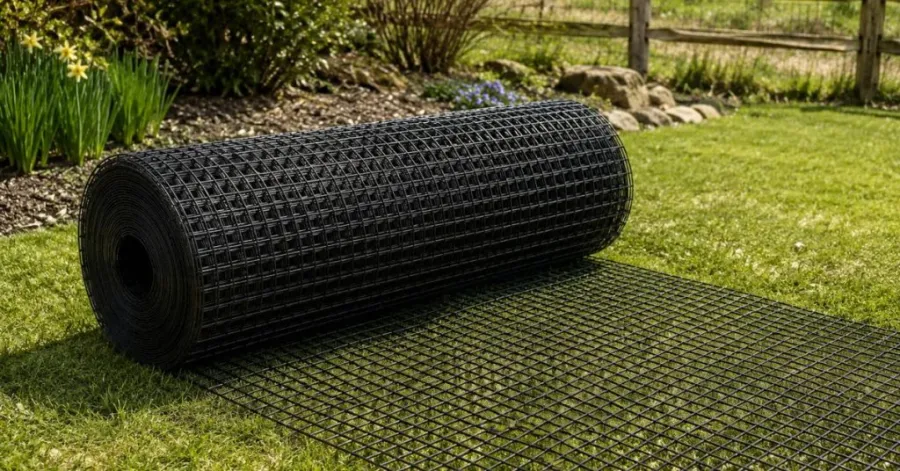
How to use hardware cloth for garden beds? For the garden bed, you will need a roll of hardware cloth. This wire mesh prevents rodents, voles, and other pests from establishing a presence in the area. Make sure to select a roll that is sufficiently wide to completely cover the base of your raised bed in a single piece. Hardware cloth is available at most home improvement retailers. Always look for a mesh that has a strong feel but is easy to cut.
Wire Cutters
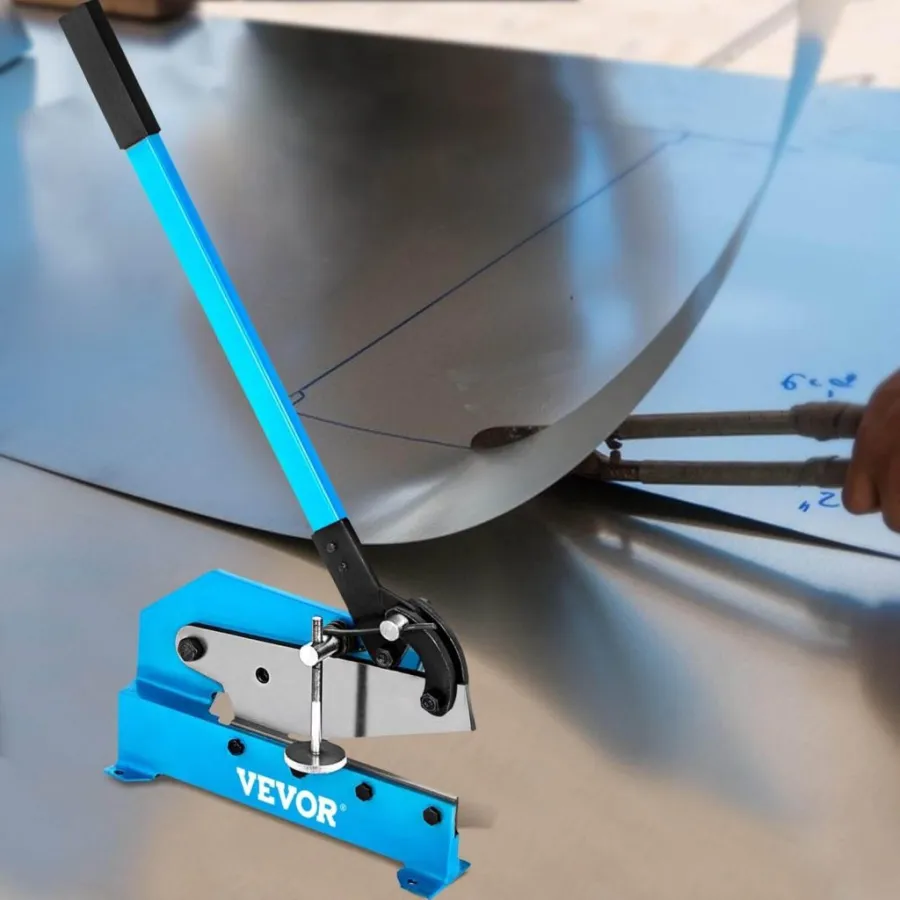
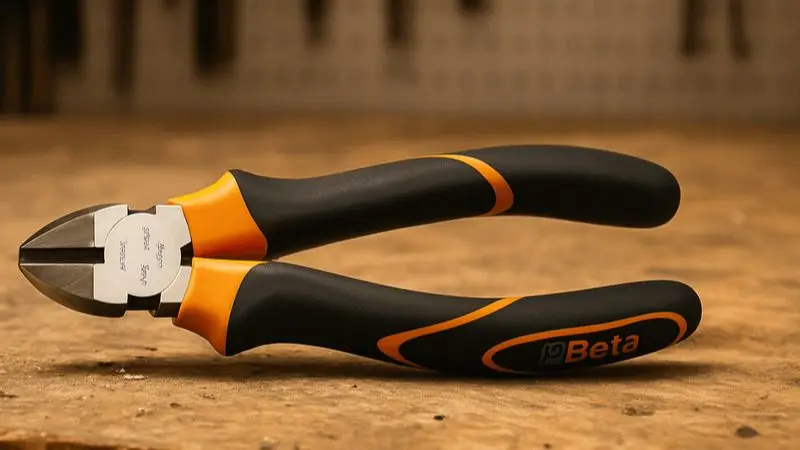
You will be able to cut the hardware cloth to the required dimensions; determine these with the e-cutters. For this particular object, ordinary scissors cannot be used. Possessing the ability to cut through metal effortlessly is necessary. If you find yourself in a situation where you require wire cutters, you can either borrow or rent them.
Staple Gun or Landscape Staples
To be successful in your quest, you will need to develop a method for securing the hardware cloth to your raised bed. A staple gun is good for building timber frames. Landscaping staples work well for anchoring the mesh to your bed, especially if the mesh is metal or plastic. Is hardware cloth safe for vegetable garden beds? No matter which choice you choose, you can be confident that the hardware cloth will be held in place and protected.
Measuring Tape and Gloves
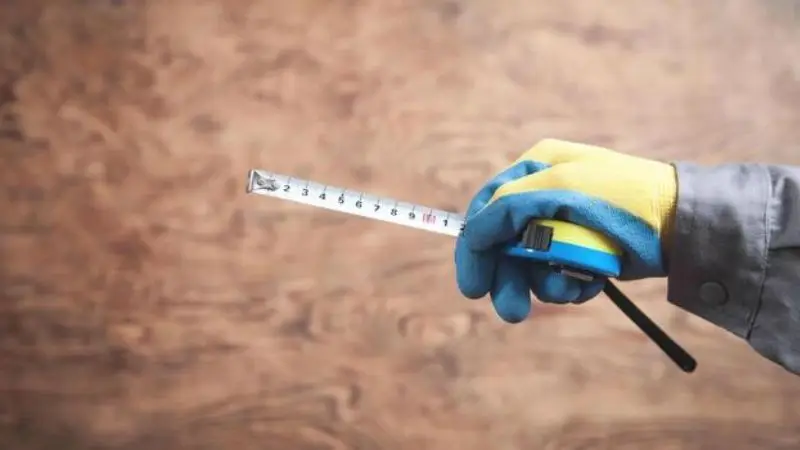
It is much easier now to determine the hardware size these instructions need if you use a tape measure properly twice, reducing the number of times you have to cut. The use of gloves provides protection. To protect your hands from potentially dangerous wire edges, always wear gloves, as the hardware material can irritate or poke you. Never forget to do this.
Raised Garden Bed Materials
How to install hardware cloth under garden bed? You need to make sure that your raised bed is complete and ready to go. Begin by either making your own frame or purchasing one before you get started. Make sure the bottom is neat and positioned horizontally. During this phase, the hardware cloth can remain in place, preventing pests from accessing the space. Since you have everything you need, you can now follow these instructions to install the hardware cloth properly.
How to Install Hardware Cloth for Garden Bed: Step-by-Step Guide
Step 1: Measure the Bottom of the Garden Bed
The first thing you’ll need to do is measure the length and width of your raised bed, so grab your measuring tape and get to work. You might also think about writing them down if you wish to remember the numbers better in the future. The best hardware cloth for raised garden beds should fit over the entire bottom of the bed. If you can’t get through this stage, you risk leaving gaps that allow undesirable organisms to enter.
Step 2: Cut the Hardware Cloth to Size
And make sure you wear your gloves before you start. Use wire cutters to cut the hardware and garden bed to the right size. You can do this with wire cutters. When cutting, you need to follow the lines very closely. Cut many strips and overlap them a few inches to cover a huge vegetable garden. This is good for covering the bed. This does a pretty good job covering the bed. You will be able to cover the bed as a result of this.
Step 3: Prepare the Ground Surface
How to use hardware cloth for garden beds? To keep your raised bed in good shape, it’s important to remove any soil, rocks, and roots that might be placed underneath it. This will help keep your raised bed in good condition. To lay the hardware cloth flat, you need a smooth surface on the ground. If you apply this strategy, you will make it easier to install gopher wire and maintain the stability of your garden bed. Both of these will be easy.
Step 4: Lay the Hardware Cloth Flat
Once the hardware is covered, it is advisable to lay the fabric on the floor. It is important that it completely covers the bottom of the container so that it can properly perform its objective. Is hardware cloth safe for vegetable garden beds? The margins of the thing you are working with must overlap for more than one thing to be acceptable. Any openings should be sealed to prevent access by insects and other unwanted pests.
Step 5: Secure the Edges Properly
Why put hardware cloth under raised garden bed? Landscape staples, on the other hand, can be used for frames made of a range of materials, while a staple gun can be used for frames made of wood. These two choices are both under consideration. The hardware cloth needs to be pushed firmly against the face of the frame to ensure it is correctly aligned. This will be aligned correctly. Build in protection for every edge and corner of the structure. This same movement holds the mesh in place, preventing it from unraveling.
Step 6: Position the Raised Garden Bed
Next, attach landscape fabric to the raised garden bed frame and secure it properly in place. This will allow you to lay the frame directly on top of the hardware cloth layer, creating an extra barrier against pests while supporting proper drainage. With this information, you can proceed to position the frame. Checking helps ensure everything is where it should be. For the frame to be fully functional, both the frame and the frame itself must be able to hold a stationary posture concurrently.
Step 7: Add Soil and Compost
How to install hardware cloth under garden bed? You should put the compost and earth you collected into the garden bed you made. This is an important step in the process. Take measures to ensure that it is distributed fairly. After you have finished the 19-gauge or 23-gauge cl23-gauge the garden bed, you can now use it as a barrier to protect your plants from any harm. There is no time like the present to begin growing flowers and veggies.
Best 2-Inch Mesh Hardware Cloth for Raised Garden Beds
You may be wondering what mesh foToen. The two mozes are 1/4-inch and 1/2-inch. Use 1/4-inch mesh to keep out tiny creatures and ice. Keeps out stainless steel for larger animals, even though. 1/4-inch mesh is better for protection.
Choosing the Right easiness
Thickness matters too—thicker wire, longer, and resistant to digging animals. Most growers use 19-gauge or 23-gauge hardware cloth. Lower numbers are thicker wire. If you want your raised bed to last for years, then go for the thicker variety. You won’t need to change it as regularly.
Gzed Hardware Cloth vs. Stainless Steel
In general, regarding the materials available for installation. Why put hardware cloth under raised garden bed? To prevent rust on the fabric of galvanized hardware cloth, stainless steel is used during the manufacturing process; it does not rust, even though it is more expensive than other materials.
- Galvanized: Cheaper and easier to find. Works well if the soil isn’t wet.
- Stainless steel: Best for wet or coastal areas. Lasts the longest.
By always checking this, you can select the appropriate size and material for your garden. The raised bed will be robust and sturdy, and you will be able to keep pests out.
Common Mistakes to Avoid When Installing Hardware:
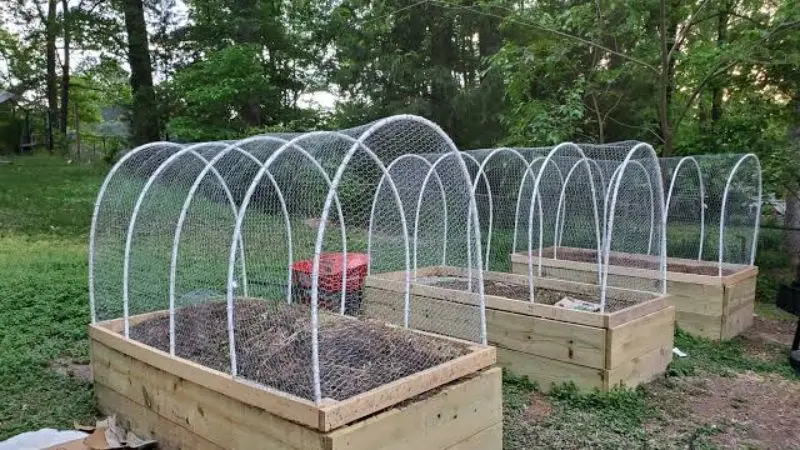
Make sure the best hardware cloth for raised garden beds is installed correctly the very first time. There are a lot of gardeners who make half-inch mesh and end up with pests in it, or causing problems in the future. Before you begin your project, you will be able to identify these errors with the assistance of this lesson.
Les Archoice of the Edges
You may think a little space doesn’t matter. A little opening can allow a mole or vole into your vegetable garden. Check the edges always. Half-inch mesh. Press the hardware cloth tightly into place while installing. If needed, overlap the corners. You need something sturdy on the bottom of the raised bed.
Using the Wrong Mesh Size
The result strongly depends on the choice of mesh size. Why put hardware cloth under raised garden bed? Too big a mesh could let small organisms through. For most gardens, a mesh size of 1/4 inch works well. It keeps out more bugs than a half-inch mesh. If you are looking for ideas on installing gopher wire, keep in mind that mesh size is also critical.
Not Wearing Protective Gloves
The result strongly depends on the choice of mesh size. How to use hardware cloth for garden beds? Too big a mesh could let small organisms through. For most gardens, a mesh size of 1/4 inch works great. It keeps out more bugs than a half-inch mesh. If you are looking for ideas on installing gopher wire, keep in mind that mesh size is also critical.
Failing to Secure the Cloth Properly
If the hardware that holds the cloth is not secured tightly, it may shift or rise over time. Is hardware cloth safe for vegetable garden beds? Use lots of staples or landscape staples. Press down on each corner and edge. You want the material to lie flat and taut. You won’t miss this step if you follow this tutorial, avoid these blunders, and install gopher wire like an expert. Your plants will grow healthy, and your raised bed will remain secure.
Conclusion
You can place hardware cloth for garden bed for long-term protection and benefit to your plants. This produces a powerful barrier that prevents burrowing pests such as moles, gophers, and rabbits from ever getting the chance to damage roots or disturb your soil. This increased protection helps maintain the soil’s healthy structure, allowing roots to develop strongly and plants to flourish. Hardware cloth also solves typical garden problems throughout the growing season, saving you time and work. Installing it in your raised beds provides a safer growing environment, leading to healthier plants, higher harvests, and a more successful garden year after year.
FAQ
How long does hardware cloth last under a garden bed?
You can expect hardware cloth to last 5 to 10 years. Galvanized cloth lasts longer if you keep it dry. Stainless steel lasts even longer, especially in wet spots.
Can I install hardware cloth after building my raised bed?
Yes, you can. Just lift the bed, clear the ground, and slide the hardware cloth underneath. Secure the edges well before adding soil back.
Do I need hardware cloth for every type of garden bed?
If you want gopher and rodent protection, use hardware cloth for all raised beds. Even small beds can attract pests. It’s better to prevent problems before they start.
What’s the difference between chicken wire and hardware cloth?
Chicken wire has bigger holes and bends easily. Hardware cloth has a smaller mesh and feels stronger. You get better pest control with hardware cloth.