When you buy hens, you want to know they are safe and happy. The most efficient way to accomplish this is to build a durable chicken run out of hardware cloth. Even during the daytime, predators roam the area in search of food. If you have the right framework in place, you will be able to stop them. Don’t worry if you feel like you are new to this. With the right amount of guidance, anyone can build a solid run. It is within your power to provide your flock the peace which they so fully and richly deserve.
In this article, we will discuss how to build a strong and secure hardware cloth chicken run to keep your hens safe and comfortable. A well-built chicken run protects your flock from predators while giving them a secure space to move around freely.
Table of Contents
How to Build a Hardware Cloth Chicken Run
When you buy hens, you want to know they are safe and happy. The most efficient way to accomplish this is to build a durable chicken run out of hardware cloth. Even during the daytime, predators roam the area in search of food. If you have the right framework in place, you will be able to stop them. Don’t worry if you feel like you are new to this. With the right amount of guidance, anyone can build a solid run. It is within your power to provide your flock the peace which they so fully and richly deserve.
In this article, we will discuss how to build a strong and secure hardware cloth chicken run to keep your hens safe and comfortable. A well-built chicken run protects your flock from predators while giving them a secure space to move around freely.
Recommended For Your Project
How to Build a Hardware Cloth Chicken Run
Tools and Materials You Will Need
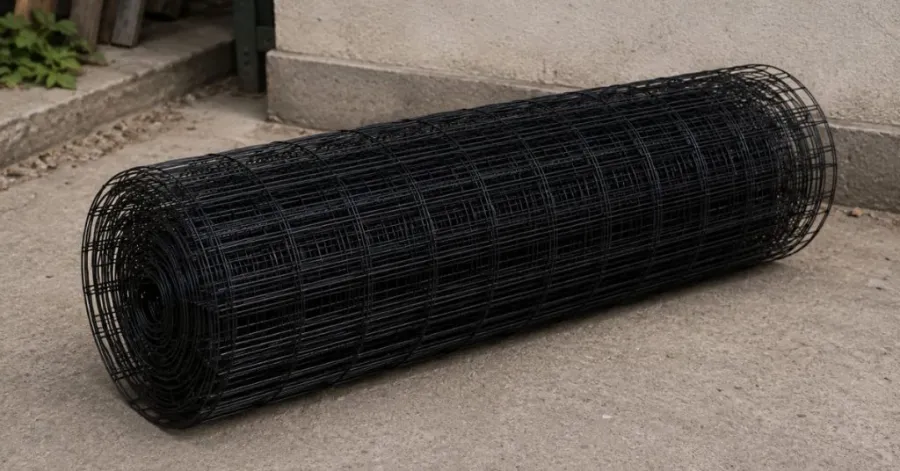
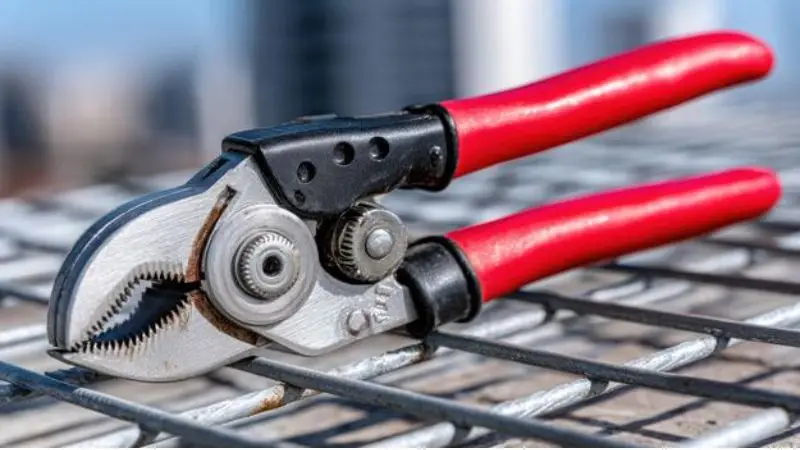
Before you begin building the best way to install hardware cloth on chicken coop run, be sure you have the proper equipment and materials. Gather the following: a staple gun, a tape measure, wire cutters, and gloves. Apart from that, you will need screws, hinges, a lock, and wooden posts. The most important thing you need to do is use hardware cloth. This mesh is predator-proof, so your chickens can breathe freely without worrying about predators getting in.
Here’s a quick table to help you organize:
| Tool/Material | Purpose |
| Tape Measure | Measure run dimensions |
| Staple Gun | Attach hardware cloth |
| Wire Cutters | Cut mesh to size |
| Gloves | Protect your hands |
| Wooden Posts | Build the frame |
| Screws/Hinges/Latch | Secure the door |
Planning the Size and Layout
Consider how many chickens you have. Each bird needs a minimum of 10 square feet. Draw a rough drawing of your backyard plan. If you want to run, tag the place. Make sure it’s sunny, and there’s no chance of getting wet. “When you have a flock, you want them to be able to roam and scratch without being crowded.”
Installing the Hardware Cloth Correctly
Build a solid frame. Put the wooden poles up, and leave them all standing. Is hardware cloth necessary for chicken run safety? Place the hardware cloth over the frame. Cut mesh to size for each section. A staple gun or screws will secure the hardware cloth. And pull the mesh tight, no gaps. Look all around. You want it tight so the predators can’t get in.
Adding a Secure Door and Lock
A strong door keeps your chickens safe. Use hinges and a latch to make the door swing easily. Make sure you cover the door with the easiest DIY chicken run using hardware cloth fencing. Test the lock. You want it to close tightly every time. If you see any weak spots, fix them right away. Now you have a solid plan for your hardware-cloth chicken run. Your flock will thank you for the extra protection.
How to Predator-Proof a Hardware Cloth Chicken Run

Preventing Digging Predators
How deep should hardware cloth be buried for chicken run? Even dogs are capable of digging tunnels directly beneath the fence, as do foxes and raccoons. Use a straightforward method to stop them. Lay hardware cloth horizontally on the ground around the perimeter of your run. Extend it back by approximately 12 inches. It should be covered with gravel or soil. This forms a barrier that restricts digging and makes it difficult to dig.
Here’s a quick checklist for ground protection:
-
- Lay mesh flat around the perimeter
-
- Bend and bury the edges
-
- Cover with dirt or rocks
Protecting the Roof and Top Area
How to secure bottom of chicken run from digging predators? Hawks, owls, and even climbing animals can come down on them. You’ll need to put hardware cloth on the roof. Pull the mesh firmly across the top. Fasten with staples or screws. What a great chance to learn from some of the best. If you use a tarp for shade, use it over the mesh, not instead of it.
Note: A solid roof keeps your flock safe from aerial threats and stops climbers.
Securing Weak Points and Openings
Conduct a thorough inspection of the door, the hinges, and any nearby vents. More mesh should be used to fill in any holes. Ensure that the locks and latches you install are sturdy. All openings in the chicken coop need to be sealed to protect the residents.
| Area to Check | What to Do |
| Door & Hinges | Add mesh, test locks |
| Vents & Openings | Cover with mesh |
| Frame Corners | Patch with mesh |
You can build a hardware-cloth chicken run that keeps your flock safe. When you follow these steps, you deter predators and protect your chickens day and night.
Common Mistakes to Avoid When Using Hardware Cloth
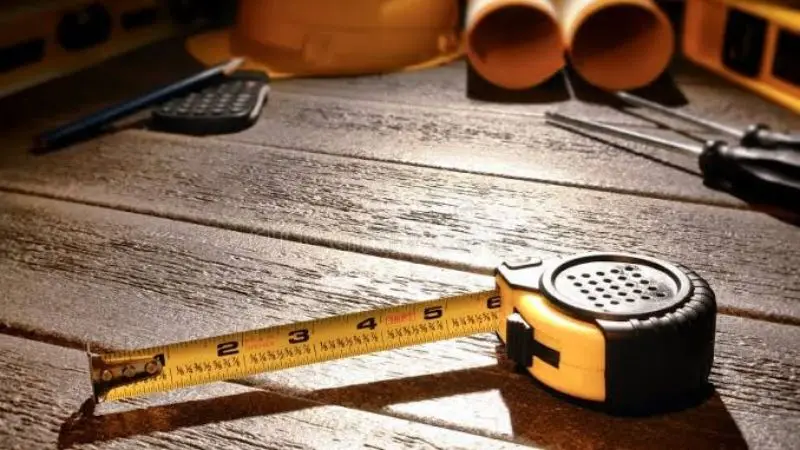
Many people make minor errors that put poultry in danger. Now, let’s take a look at the most typical issues and how you may avoid them.
Choosing the Wrong Mesh Size
You likely think any easiest DIY chicken run using hardware cloth fencing will do the job, but that’s not true. If you go for mesh with large holes, it will be feasible for smaller predators to go through it. Rodents, weasels, and even snakes may live in the smallest of places. If you use a mesh, choose one that has apertures no larger than 1/2 inch. This size will eliminate most pests, keeping your chicks secure.
Tip: Always use hardware cloth, not chicken wire. Chicken wire bends easily and does not stop determined animals.
Leaving Gaps Around the Frame
Is hardware cloth necessary for chicken run safety? Gaps around the frame provide predators with an easy entry point. You need to check every corner and edge. Even a small gap can let a weasel or snake slip inside. When you attach the mesh, pull it tight and secure it well. Walk around your run and look for any spots you missed.
-
- Check corners and seams.
-
- Press on the mesh to test for loose spots
-
- Patch any holes right away
Skipping Ground Protection
Sometimes people forget where the ground is. For instance, foxes and dogs are predators that can dig under fences. How deep should hardware cloth be buried for chicken run? If you decide to run without ground protection, you will be exposing yourself to risk. The hardware cloth should lie horizontally on the ground along the perimeter of your run. The burial depth should be a few inches. This stops animals from digging just under the surface.
Using Thin or Low-Quality Materials
Although low-cost materials may save money, they do not have a long lifespan. How to secure bottom of chicken run from digging predators? Mesh that is too thin rusts and breaks. Screws or staples of poor quality can come loose. Always choose galvanized, durable hardware cloth and strong fasteners. Your hens are reliant on you to construct a run that will survive for all time.
Note: Quality materials give you peace of mind and keep your flock safe for years.
How Much Does a Hardware Cloth Chicken Run Cost?
Average Material Costs
You probably wonder how much you need to spend to build the best way to install hardware cloth on chicken coop run. Most people start with the basics. Hardware cloth costs about $1.50 to $2.50 per square foot. Wooden posts and framing materials add another $100 to $200, depending on the size of your run. Screws, hinges, and latches usually cost $30 to $50. You also need a staple gun and wire cutters if you don’t already have them. Here’s a quick table to help you estimate:
| Item | Estimated Cost |
| Hardware Cloth | $1.50–$2.50/sq. ft. |
| Wooden Posts/Frame | $100–$200 |
| Screws/Hinges/Latch | $30–$50 |
| Tools | $25–$60 |
Tip: Always use hardware cloth, not chicken wire. Chicken wire does not deter predators and breaks easily.
Alt text: Wooden Post for Hardware Cloth
DIY vs. Professional Installation
You can either build your own chicken run or use a professional. By doing the easiest DIY chicken run using hardware cloth fencing, you can save money and learn new skills at the same time. The bulk of the do-it-yourself projects can be $200 to $500, depending on the size and the materials. If you want to pay a professional to handle the job, it will cost you at least $800. Professionals get paid for their time and expertise. Extra expenses may apply for larger volumes or customized designs as well.
Ask yourself if you feel comfortable using tools and following instructions. If you do, DIY is a great option.
Ways to Save Money Without Reducing Safety
You want to protect your flock. You want to save money. You can buy items in bulk or wait for sales at your local stores. How to secure bottom of chicken run from digging predators? If you have good wood from past projects, use it again. Always use galvanized hardware cloth because it lasts longer. Don’t skimp on mesh quality or ground protection. These procedures will help protect your hens and prevent predators.
Note: Saving money is smart, but safety comes first. Invest in strong materials and careful installation.
Maintenance Tips for a Hardware Cloth Chicken Run
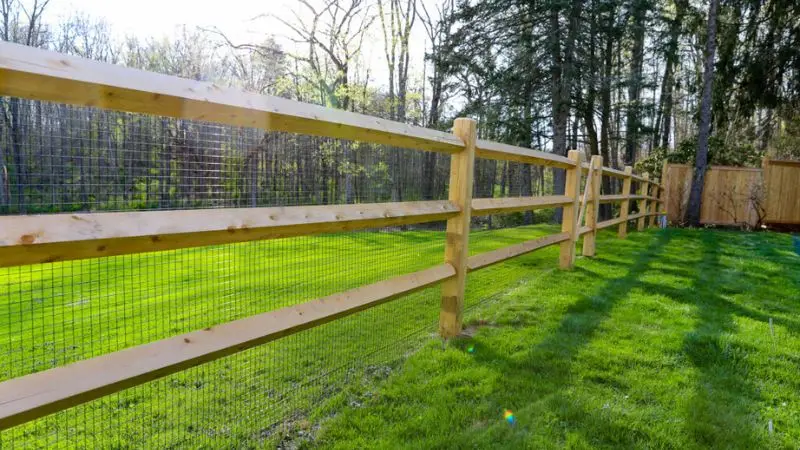
Keeping your chicken run in good condition is beneficial to the well-being and security of your flock. It is important to prevent minor issues from escalating into major dangers. Let’s take a look at some simple ways to keep your hardware-cloth chicken running smoothly.
Regular Inspections for Damage
How deep should hardware cloth be buried for chicken run? You have to check your chicken run a lot. Go around the outside and look for any holes, loose mesh, or damaged fasteners. Press down on the hardware cloth using your hands. If you find any soft spots, repair them quickly. Always inspect after a storm or windy day. Predators look for easy targets; stay ahead of the curve.
Tip: Keep a checklist for your inspections. Write down what you find and what you fix.
Cleaning and Rust Prevention
Dirty mesh can conceal damage and attract pests. Is hardware cloth necessary for chicken run safety? Scrub the hardware cloth with a firm-bristled brush and water. Strip off leaves, feathers, and mud. If you find any rust, brush it off and spray the area with a rust-proof lacquer. Galvanized hardware cloth is more durable, but you still need to check for corrosion. A clean mesh lets you see the problems early and keeps your flock healthy.
| Cleaning Task | How Often |
| Brush off debris | Weekly |
| Check for rust | Monthly |
| Deep clean | Every season |
Replacing Worn Sections
Sometimes you have to replace components of your chicken run. If the mesh is ripped or the posts are broken, replace them. Use new hardware cloth and heavy fasteners. Don’t wait until a tear is big to mend it. Quick repairs help maintain chicken coop security. Your hens need you to repair problems quickly. Routine maintenance will help keep your best way to install hardware cloth on chicken coop run secure. Your flock will appreciate the extra effort!
Conclusion
Now you know how to build a hardware cloth chicken run that will keep your chickens safe and secure. Carefully measure and organize your space. Ensure your herd has enough of room Keep potential risks out by making sure the hardware cloth is firmly fastened and any doors, gates and other apertures are tightly closed. Check your chicken run regularly for holes and damage, wear and tear etc. Fix any faults you see immediately. Last but not least, a clean chicken coop will give you some peace of mind. If you take care of their habitat, your hens will be able to grow each and every day. Make sure everything is safe, nice and cheerful for your hens.
FAQ
How often should I check my hardware cloth chicken run?
You should check your run at least once a week. After storms or windy days, walk around and look for damage. Quick checks help you catch problems before predators do.
Can I use chicken wire instead of hardware cloth?
No, chicken wire does not keep out most predators. Hardware cloth has a smaller, stronger mesh. It keeps your chickens safe from raccoons, rats, and snakes.
What size hardware cloth works best for chicken runs?
Use hardware cloth with 1/2-inch openings. This size blocks most pests and keeps your flock safe. A smaller mesh is even better for stopping tiny animals.
How do I stop rust on my hardware cloth?
If you see rust, scrub it off and spray with a rust-resistant coating. Clean mesh lasts longer and keeps your run strong.