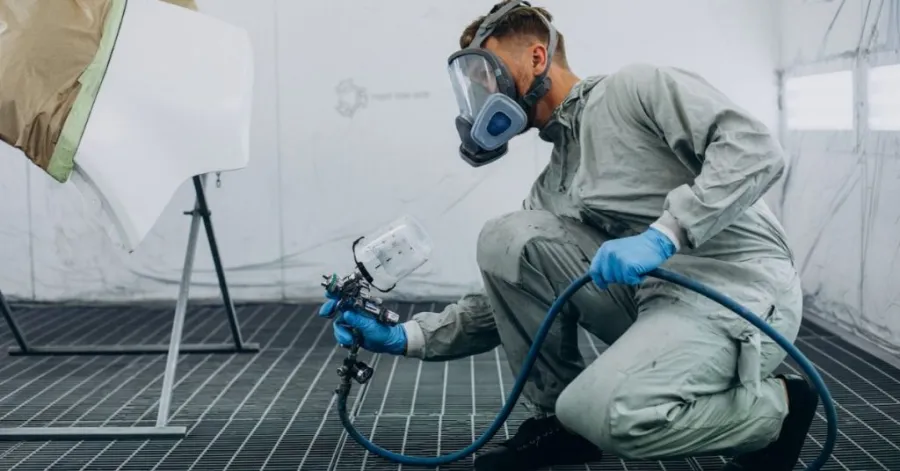
When you want a smooth finish, choosing the right hand-held paint sprayer is crucial. Match your hand-held paint sprayer with your project and type of paint. Handheld sprayers are designed for different tasks. Some work well with small surfaces, others can handle large surfaces and thicker paints. There are HVLP, compressed air, and airless options. Each sprayer produces different results. You can get a professional look every time you know how to use your paint sprayer and maintain it.
Top Reasons to Use a Handheld Paint Sprayer for Your Projects
Why should you pick a handheld paint sprayer for your projects? Here are a few simple reasons.
Faster Coverage for Large and Small Surfaces
You need to complete your painting project as quickly as possible. You can paint large walls, fences, or small furniture faster with a sprayer than you could with a roller or brush ideal when choosing the best handheld paint sprayer for furniture. Fill the paint sprayer and aim it. It is easy to move quickly and achieve even coverage. You will be amazed at how much easier it is to do a DIY project if you have a big room or a small cabinet. Paint sprayers are popular because they save time and allow you to do other things.
Tip: Use a paint sprayer to paint outdoor fences and sheds, a great use for a hand held paint sprayer for outdoor projects. You’ll be amazed at how much quicker you can finish the job compared to a paintbrush.
Smooth, Even Painting With Minimal Effort
You need a finish that is smooth, without brush marks or streaks. Paint sprayers produce a fine mist that falls even on surfaces need to worry about drips and uneven spots. The paint sprayer is moved in steady strokes. Even if you’re new to DIY projects, the result will look professional, especially if you’re looking for the easiest handheld paint sprayer to use. Paint doors, cabinets, or trim to get a professional look. Paint sprayers are said to help people achieve results that look professional.
- No more roller marks
- Brush lines are no more
- It’s a smooth, clean finish
Versatility for Indoor and Outdoor Use
A paint sprayer can be used inside or outside. You may want to give a fresh look to your patio furniture or your living room. This is where a hand-held paint sprayer for interior walls becomes useful. Paint sprayers can be used on a variety of surfaces and paint types. From painting a room to spraying on a garden bench, you can easily switch between the two. It is not necessary to purchase different tools for every job. You can do it all with your paint sprayer. You will love how versatile your paint sprayer can be if you enjoy DIY projects.
| Project Type | Paint Sprayer Benefit |
| Indoor Walls | Fast, even coverage |
| Outdoor Fences | Handles rough surfaces |
| Furniture | Smooth finish, easy reach |
It is easy to see why a spray painter is the best choice for many DIY projects. For any DIY task, you get fast results and flexibility.
Types of Handheld Paint Sprayers
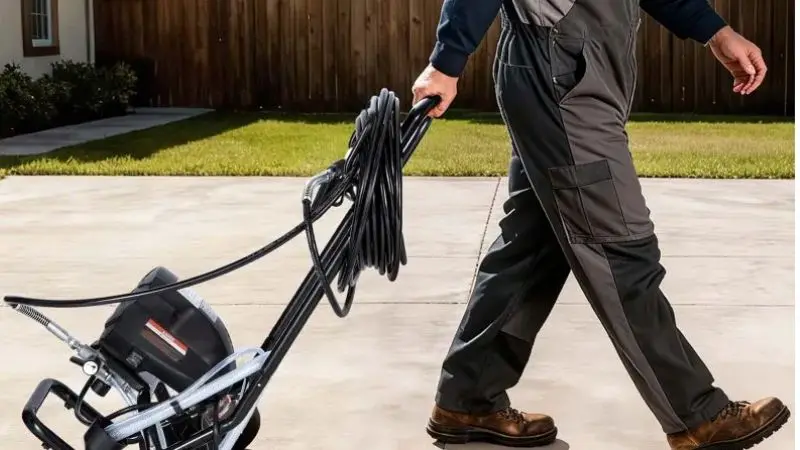
You will find many choices when you are looking for a spray painter. The different types of sprayers can be confusing. We’ll break down the different types of sprayers to help you choose the best one for your project.
HVLP (High Volume Low Pressure) Hand Held Sprayers
HVLP sprayers are designed to use low pressure and high volume to deliver paint in a steady, soft stream. This gives you more control and reduces overspray. These sprayers are great for furniture, cabinets, and detail work. They can be used for small and medium-sized projects. This type is great for smoothing out trim and doors. HVLP sprayers use less paint and create less mess.
Note: HVLP sprayers are best used with thinner paints and stains. It may be necessary to thin the paint before spraying.
Airless Hand Held Sprayers
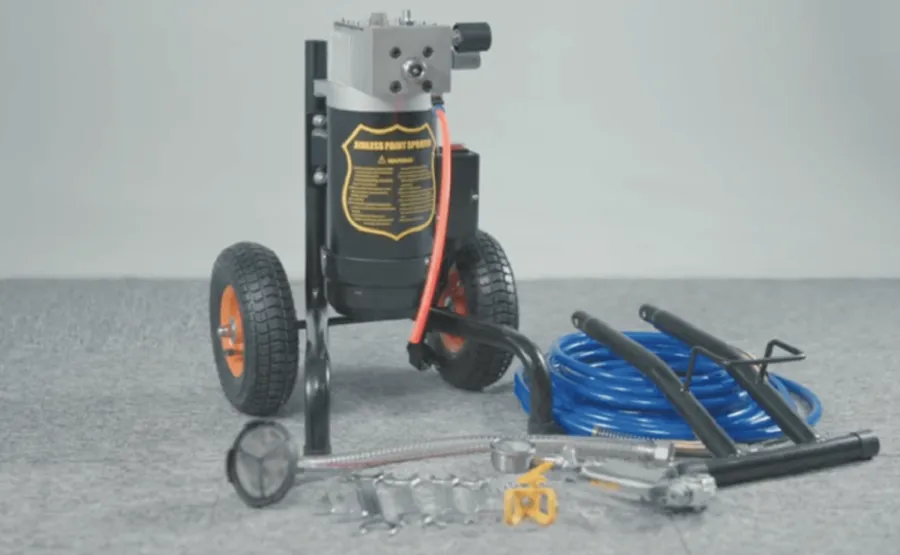
A pump is used to spray paint at high speeds. This allows you to cover large areas quickly. These sprayers can handle latex paints and other thick paints with ease. Try an airless paint sprayer if you need to paint decks, walls, fences, or other surfaces. It is easier to get an even, smooth coat in less time. Remember that airless sprayers will produce more overspray. Cover anything you don’t want painted.
Compressed-Air Sprayers
Compressed air sprayers spray paint using an air compressor. You get a fine, even finish. These are often used for metal or car projects. They can be difficult to set up, but they give you a professional appearance. It may take some practice to get it right.
| Type | Best For | Paint Types |
| HVLP | Furniture, trim | Thin paints, stains |
| Airless | Walls, fences, decks | Thick paints |
| Compressed-Air | Cars, metal, crafts | Most paints |
Which Type Is Best for Your Project?
Consider the size of your project and the type of paint you plan to use. HVLP sprayers are a good choice for small and detailed jobs. Airless sprayers are best for large jobs or thick paint. Compressed-air sprayers are great for a smooth finish on metal. Each paint sprayer type has its own advantages. Knowing the types of sprayers available will help you choose the right one for your needs. You’ll get better results, and you’ll enjoy painting more.
How to Choose the Best Handheld Paint Sprayer
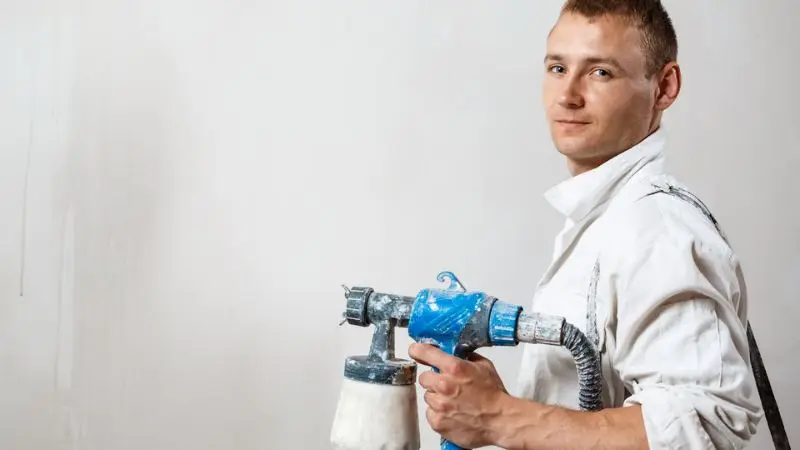
Before choosing the handheld paint sprayer, these are the things you must look such as
Motor Power and Spray Capacity
The paint sprayer should be sized to your project. The motor power will determine how much paint can be sprayed and how smooth your finish will look. You need a sprayer that has high motor power and a high spraying capacity if you are planning to paint large walls or fences. For smaller jobs like painting cabinets, less power is needed. Check the specifications for the spray capacity and the paint sprayer’s pressure when choosing the right sprayer. Consider these features to avoid uneven and slow results.
Adjustable Nozzles and Spray Patterns
With the adjustable spray patterns, you can be creative. You can change the spray pattern with many paint sprayer features. You may want to spray a broad fan on walls, or a narrow stream around trim. Your paint sprayer will be more versatile if it has adjustable features. Look for paint guns with adjustable spray nozzles. When buying, this is a feature to look for.
Tip: Test different spray patterns before you begin your project. You can then choose the one that works best on your surface.
Portability and Ergonomic Design
It is important that the paint sprayer you choose feels good in your hands. If you’re on the go a lot, portability is important. You can avoid fatigued arms with lightweight designs. Ergonomic handles help make painting easier. Check for paint sprayers with balanced grips if you are looking for ease of use. The best paint sprayer should be easy to use and comfortable to hold.
Ease of Cleaning and Maintenance
Easy-to-clean paint sprayers save you time. Some models are easy to disassemble. Look for features that make cleaning the spray gun easy. Considerations for paint sprayers include the speed of cleaning up after painting. Your paint sprayer will last for many years with regular maintenance.
Budget vs. Performance: What to Expect
Cost is a major factor in selecting the right paint sprayer. It is important to get a good price, but also reliable results. Low-cost models are good for small jobs. Expect to pay more if you want more features and power. Considerations for buying include the cost, spraying capacity, and adjustable options. The best paint guns balance performance and cost. You can get a nice finish without spending a lot of money.
| Features to Consider | Why It Matters |
| Motor Power | Smooth, fast coverage |
| Adjustable Nozzles | Flexible spray options |
| Portability | Easy to move and use |
| Cleaning | Saves time and effort |
| Cost | Matches your budget |
When choosing the best paint sprayer, you should consider features, price, and ease of use. Compare these features, and you will find the right paint sprayer for your needs.
Quick Checklist for Choosing the Best Paint Sprayer
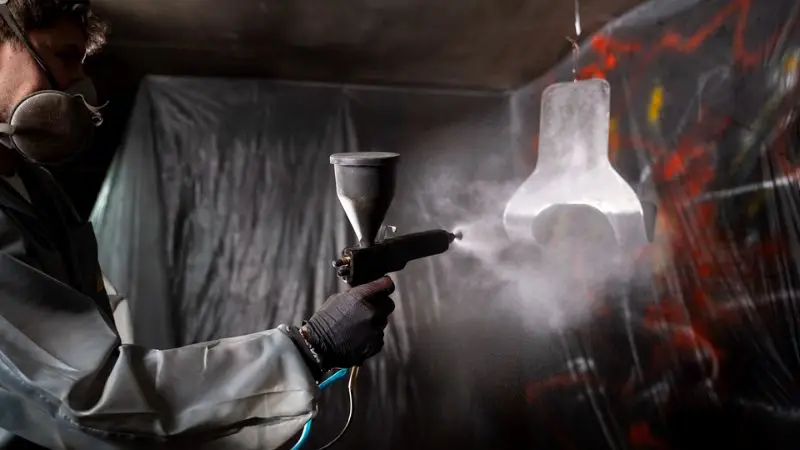
Are you ready to choose your new paint sprayer? Check out this checklist to ensure you choose the right sprayer for your project. You want a sprayer with a good feel in your hands, a sprayer that gives you smooth results and is easy to clean. Let’s go through each step together.
- What is the size of your project? Are you painting one chair or an entire room? Select the right paint sprayer for your project. Smaller projects require less power. Sprayers with powerful motors are needed for large surfaces.
- Check paint compatibility
Consider the type of paint that you intend to use. Some sprayers are best suited to thin paints. Some sprayers are designed to handle latex or stains that are thicker. Check that your sprayer is able to spray the paint you want. - You can find adjustable nozzles by looking for them.
You can choose between wide or narrow spray patterns. Adjustable spray nozzles allow the achievement of the desired finish on any surface. - Test Comfort and Portability
Try the sprayer out before buying it. Is it heavy? Does the handle feel comfortable? Painting is easier with lightweight designs, especially when you have a large project. - Review Cleaning and Maintenance
If the sprayer is easy to disassemble, this will save you time. After you’ve finished painting, a simple cleaning will save you time and effort. Regular maintenance will keep your sprayer in good working order. - Compare prices and features
List the features you must have. Set your budget. Choose a paint sprayer with the best price/value.
Tip: Spray water on the cardboard to get a feel for the spray before you begin your project. You can adjust your settings and practice to get the perfect finish.
Here is a table that will help you compare sprayers.
| Feature | What to Look For |
| Motor Power | Matches project size |
| Nozzle Options | Adjustable patterns |
| Weight | Easy to hold and carry |
| Cleaning | Fast and simple |
| Price | Fits your budget |
This checklist can be used every time you go shopping for a spray painter. This checklist will help you to stay organized and confident. It will help you achieve a professional, smooth finish. You’ll also enjoy painting more.
Conclusion
Now you know how to choose the best hand-held paint sprayer for professional results. Choose the right sprayer for your project, use the checklist for organization and confidence, and follow these tips to make painting and cleaning easier. Select the right sprayer to suit your needs, check for paint compatibility, and practice before you begin. With the right tool and a little know-how, you can achieve a professional finish every time.
FAQ
How do I prevent paint from clogging my sprayer?
You should strain your paint before pouring it in. Clean the nozzle after each use. If you notice a clog, stop and rinse the sprayer with warm water. Regular cleaning keeps your sprayer working well.
Can I use any type of paint in a handheld sprayer?
Most sprayers work best with thin paints. You can use latex, stains, or enamels. If your paint feels thick, add a little water or thinner. Always check your sprayer’s manual for paint recommendations.
What safety steps should I follow when spraying paint?
Wear a mask and goggles. Open windows or work outside. Keep kids and pets away from your workspace. You should cover floors and furniture with drop cloths. Safety helps you avoid accidents and keeps your space clean.
How do I get a smooth finish with my sprayer?
Hold the sprayer about 10 inches from the surface. Move your hand in steady, even strokes. Practice on cardboard first. Overlap each pass a little. You will see a smooth, even coat without drips or streaks.