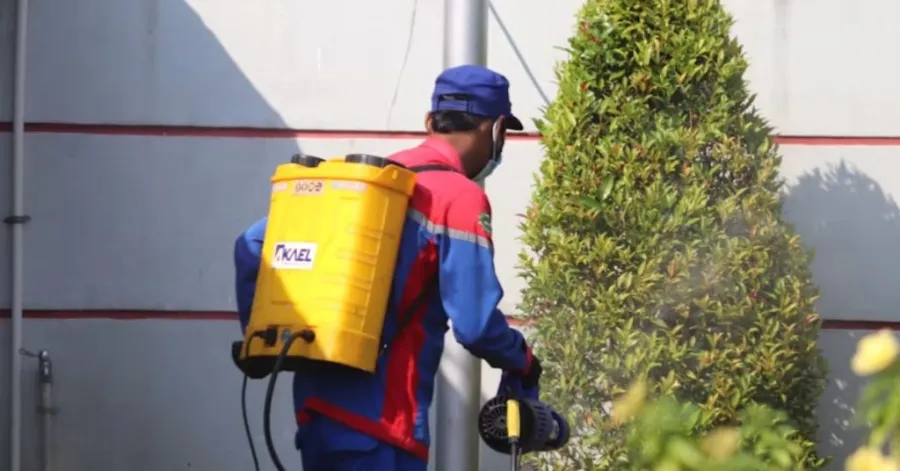
A good backpack sprayer combines a durable tank, a reliable pump, an adjustable nozzle, and a comfortable harness. Choose features that match your specific spraying needs. How to choose a good backpack sprayer? Many backpack sprayers on the market lack balance. Some backpack sprayers cut corners on ergonomics. A backpack sprayer must fit your body and task. Comfort and ergonomics are important when you need to spray for long periods.
Safety features such as leak-resistant connections and secure lids help protect you while you work. This guide covers every essential detail, from materials to fit. You will learn how to choose a backpack sprayer wisely. Your sprayer will then serve you for years. By understanding these features, you can select a model that fits your workload, body, and spraying needs.
What Makes a Good Backpack Sprayer?

Recommended For Your Project
The ideal backpack sprayer has the right tank size for the job without being cumbersome. It must also deliver consistent pressure for uniform, efficient spraying. It must have an adjustable nozzle for various spraying tasks and spray patterns. Overall, the perfect backpack sprayer offers enough spray volume, pressure, and nozzle control, plus comfort.
Tank Capacity and Size
Your search begins with tank capacity! This number indicates how much liquid you can carry. A small tank capacity is great for quick yard work. A large tank capacity is for long hours in the field. Before choosing a size, consider your typical task. A homeowner might set up a small tank along a fence line. To find the best backpack sprayer for your garden, consider its size and how often you need to refill. A commercial grower requires larger volumes for rows and rows.
Another factor that affects the weight on your shoulders is tank size. Water weighs about 8 lb per gallon. A full tank doubles that load pretty quickly. You refill the big tank less often. It also tires you out faster when you carry that weight uphill. Choose the tank size based on your stamina and the length of your job. It’s not all about raw volume.
Spray Pressure and Performance
Pressure forces droplets out of the nozzle. A continuous stream spreads leaves uniformly. Gaps exist when pressure is weak. Excessive pressure wastes chemical and blows it away in the wind; the pump and nozzle balance this. The ideal pesticide backpack sprayer maintains pressure without continuous pumping.
Nozzles determine the spray pattern. Use a fan nozzle to cover flat surfaces. A cone nozzle is inserted into thick vegetation. An adjustable nozzle lets you switch jobs. A smooth spray lance and trigger are also required. A sticky trigger grip can stick in your hand and disrupt your rhythm. Battery backpack sprayers maintain constant pressure for extended periods. Manual backpack sprayers rely on the arm. When the nozzle is aligned with the task, both designs work well. Before you buy a whole tank, test the spray pattern to make sure it is satisfactory.
Key Features to Look for in a Good Backpack Sprayer

Choose a backpack sprayer built to last, with a durable tank that resists chemical exposure and frequent use. A good pump system needs to deliver the pressure and performance the job requires. Leak-proof seals, valves, fittings, and a powerful wand help prevent leaks and extend service life. These features contribute to durability, performance, comfort, and reliability during long spraying sessions.
Durable Tank and Construction
The sprayer’s lifespan depends on tank design. Polyethene tanks do not crack or rust and resist most farm chemicals. A translucent wall lets you check the level without opening the lid. A thick wall won’t bulge under a full load. Thin walls are swollen and put stress on seams. How to choose a backpack sprayer? When buying a good backpack sprayer, inspect the lid’s seams and threads. Sharp moulding lines and loose threads indicate poor construction.
A light and sturdy body is also important for a good backpack sprayer. Stainless steel wands last longer than plastic wands. Brass fittings won’t strip as easily as soft metals. When comparing models, look for these features. A sturdy frame supports the tank and keeps it stable on your back. Low-quality straps start to give out after one season. Reinforced straps and a padded back panel distribute the load. Comfort matters on long jobs.
Reliable Pump System
The pump transfers liquid from the tank to the nozzle. Piston pumps can produce high pressure for difficult tasks. Diaphragm pumps last longer and can handle abrasive liquids. Selection depends on the chemical and the task. Smooth pump operation maintains uniform flow rates throughout the emptying process. You should not have to exert more effort to pump the tank down. It can tire your arm and disrupt your rhythm.
The pump is protected from leaks by seals and valves. Viton seals resist extreme solvents. You can use water-based mixes with EPDM seals. Before purchasing, inspect the pump housing for cracks. A soft seal is leaky. Manual backpack sprayers use your arm for each spray. How to choose a good backpack sprayer? Battery backpack sprayers use pumps. Clean valves and tight seals are required for both designs. Battery backpack sprayers require charged batteries and a safe motor. Test the pump with water before first use. Be alert for any pressure loss or dripping at fittings.
Battery-Powered vs Manual Backpack Sprayers
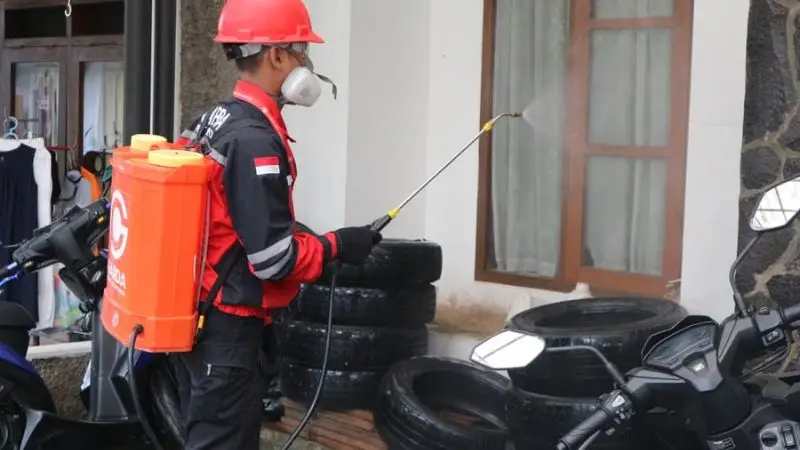
Manual backpack sprayers are inexpensive, lightweight, and easy to use, making them suitable for small or infrequent spraying tasks. Electric models can reduce arm fatigue by applying consistent pressure and spraying for longer periods. Battery models are more convenient and offer better flow control, while manual units don’t require charging. Your choice depends on your workload, spraying frequency, job size, and comfort.
Benefits of Manual Backpack Sprayers
A manual backpack sprayer gives you complete control with each stroke. The handle is manually pumped. This design is less expensive than a battery-powered backpack sprayer. You also don’t pay for time or battery replacement fees—making a manual backpack sprayer ideal for small jobs. You can spray a garden bed or fence line without a power source.
Manual backpack sprayers will never need to be recharged. What’s the best backpack sprayer? You don’t have a heavy battery on you. The unit remains light throughout the entire task. You also avoid the upkeep that lithium-ion batteries need. A manual pump has fewer components that can fail. Most models can be repaired using simple tools. Many homeowners will prefer this simplicity. You fill the tank, pump the handle and spray. The nozzle sprays the pattern you select. Your arm speed controls the pressure. This instant feedback helps you learn fast.
Benefits of Battery-Powered Backpack Sprayers
The battery backpack sprayers eliminate arm work when spraying. A motor powers the pump. Apply constant pressure from the first drop to the last drop. This consistency helps you cover more ground. You can also complete big projects quicker. What is the best backpack sprayer? For business use and large properties, battery backpack sprayers are available. You can spray for hours without fatigue.
Many models offer infinitely variable speed control. You can adjust the flow for each task. Some units include multiple nozzle tips to create different patterns. The best battery backpack sprayers for weeds use lithium-ion batteries for longer runtimes. When purchasing a battery, compare the different types. Older designs are heavier and have less energy than lithium-ion packs. Choose a battery-powered backpack sprayer that fits your job size and crew size. Battery-powered backpack sprayers are more expensive. They return your time and energy and reduce stress. Use battery backpack sprayers for frequent and extended spray time. For occasional light work, use a manual backpack sprayer.
Ease of Use and Maintenance
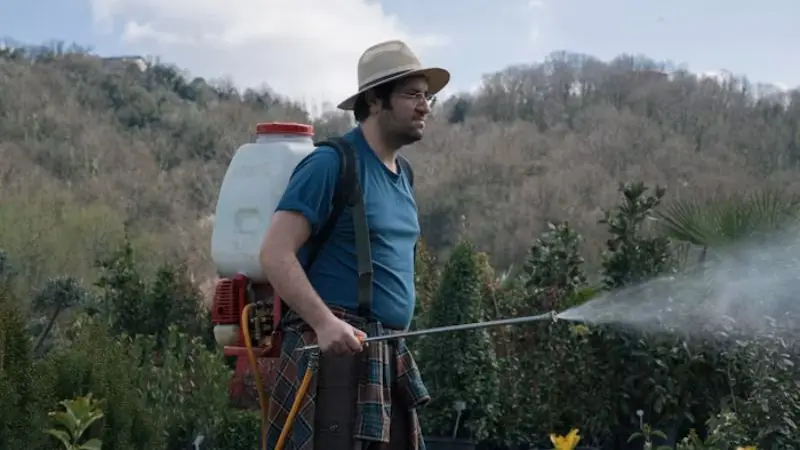
An ideal backpack sprayer has a large tank opening and strainer and should be well balanced for easy, mess-free filling. Spraying long jobs can be time-saving and help prevent spills with easy refilling features. Regular cleaning and flushing prevent chemical buildup, clogged nozzles, and damaged seals. Removable parts, flush ports, and proper drying also make maintenance easier and extend the sprayer’s service life.
Easy Filling and Refilling
A large tank opening makes filling easy and clean. Pour your mix without a funnel. Less chemical spills onto hands and clothes. What makes a good backpack sprayer? A big lid also lets you clean inside. Check at the top for a strainer basket. This basket traps debris before it reaches the pump. Debris can clog nozzles and valves. Dirty nozzles will destroy your pattern and frustrate you.
Mid-job refill assesses the sprayer’s ease of use. The unit must be emptied, the lid removed and refilled. A well-balanced tank rests on the ground without tipping. A badly balanced tank rolls and spills. Some models have a side fill port for rapid refilling. Others use a quick-connect hose for bulk filling. These small details save minutes per fill! Those minutes can quickly add up to hours over an entire season.
Simple Cleaning and Flushing
Empty the tank after each use. Chemical residue eats away at seals and plugs nozzles. A simple cleaning routine helps protect your investment. Use warm water and gentle soap. Use the wand and nozzle to pump the solution. Flush with clean water until the water is clear. This process takes just a few minutes. This helps avoid most typical sprayer issues.
How to choose a good backpack sprayer? Backpack sprayers may have a built-in flush port. This port lets you connect a garden hose directly to the tank. Rinse the system without disassembly. A removable pump assembly also helps speed up deep cleaning. You can submerge the pump and valves in a bucket. Do not leave chemicals in your sprayer. Drain and flush the tank with fresh water. Lock the unit with the lid down, upside down. This allows the tank to dry out thoroughly. Dry tanks resist mould and odour. Comfort and ergonomics also matter for maintenance. A lightweight design makes lifting and rinsing easier.
Safety Features to Consider in a Backpack Sprayer
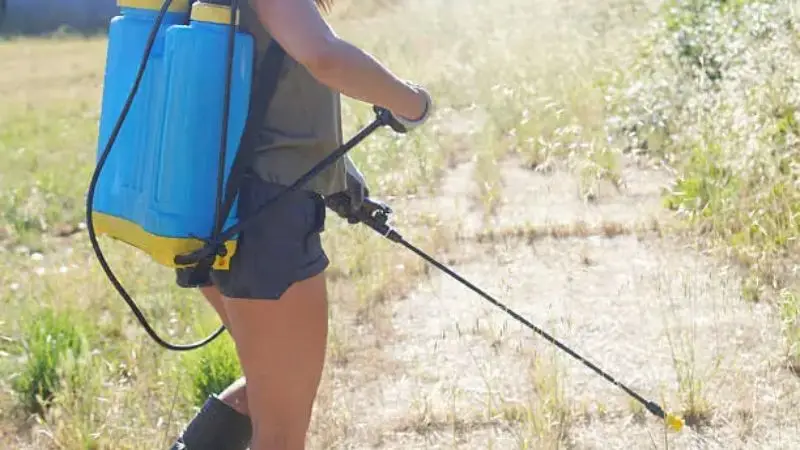
A safe and good backpack sprayer needs a secure tank, tight seals, and leak-resistant connections to minimise chemical exposure. A locking lid and proper gasket maintenance help keep liquids contained during use. Padded straps, a waist belt, and a balanced tank improve comfort and control during extended spraying. Safety features and ergonomic design provide greater spray control while minimising spills and reducing strain.
Secure Tank and Leak-Resistant Connections
You are protected from chemical exposure by a secure tank. Test all connections before filling the tank. Inspect the lid threads, hose connections and wand connection. Loose clothing can spill chemicals onto your back and clothing. Tight seals keep liquid in the system. Replace any worn gasket or cracked O-ring immediately. These small components don’t cost much and can prevent major issues.
The leak-resistant design also features a locking lid. Tighten the lid to prevent cross-threading. First, test this seal with plain water before adding any chemical. Fill the tank halfway, then invert it. Look out for drips at the lid and hose ports. What is the best backpack sprayer? This test passes with a backpack sprayer and a good tank, with no drips. A quick one-minute test that covers you all season long.
Comfortable and Controlled Spraying
How long you can spray safely depends on comfort and ergonomics. When you’re tired, your body can’t keep up. You may not reach the spot or may spray into the wind. What makes a good backpack sprayer? An ergonomic design distributes the load over the shoulders and hips. Any model you try should have comfortable, adjustable shoulder straps. These padded straps let you adjust them quickly. A waist belt is also helpful. It carries the weight around the lower back. This placement helps to minimise shoulder strain.
A well-balanced tank shape also adds comfort and better ergonomics. An open, wide, flat tank flows down your back. A long, narrow tank moves side to side when strolling. Fit test before purchase with a full tank. Strike a pose and march a few steps up with arms lifted. The straps should not penetrate the skin. A smooth trigger to operate the spray lance minimises hand fatigue. The spray pattern stays even. These are all features you’d look for in a good backpack sprayer for long jobs. These details are not taken into consideration by many backpack sprayers. Prioritise comfort and control for safer, more effective spraying.
Final Buying Checklist for a Backpack Sprayer
These are all features you’ll want in a sprayer. Don’t skimp on comfort and ergonomics just to save money upfront. The ideal pesticide backpack sprayer can last for multiple seasons without failing. Cheap backpack sprayers tend to leak and break within a year. Investing in a good backpack sprayer is a long-term investment. Over time, it will save you time and money. You won’t need replacements or waste chemicals.
The bottom line is simple. So, consider comfort and reliability over up-front cost. Your sprayer needs to fit you and your job. A comfortable tool means more safety and longer working hours. Buy quality once. It’s an experience you’ll never regret.
Here’s a quick list of items to consider in your purchase:
- Opt for the best poly tank for durability.
- Choose a diaphragm pump that will last longer.
- Choose an adjustable nozzle for various uses.
- Look for padded straps to reduce strain.
Conclusion
When you’re choosing a good backpack sprayer, the first step is making sure the features match your spraying needs—a durable tank, a reliable pump, and an appropriate nozzle to help ensure consistent performance. The tank capacity should provide adequate coverage without adding unnecessary weight. Battery-powered models save you from pumping on longer jobs, while manual models emphasise simplicity. A sprayer that is easy to fill, clean, and flush saves time and extends the sprayer’s life.
Secure lids, quality seals, and leak-proof connections also enhance safety. Easy to spray for long periods with comfortable straps, good balance, and ergonomics. With these features, you can choose a good backpack sprayer that is dependable, comfortable to wear, and easy to maintain.
FAQs
Comfort, capacity and cost of good backpack sprayers for long jobs in the garden.
SOLO 425 Comfort provides 15 L capacity, padded carrying features and is priced at approximately €203. SOLO 425 Pro is approximately €254 and includes a hip belt and pro harness.
Pressure capacity/durability – which lasts longer?
Both the Birchmeier Iris 15 and the SOLO 425 Comfort can reach 6 bar and feature a sturdy brass piston pump and Viton seals. They’re ideal for garden work.
What are the pros and cons of adjustable pressure settings?
The Birchmeier Iris 15 PD1 lets you adjust pressure, reducing pumping effort and fatigue. The SOLO 425 Comfort is adjustable between 1-4 bars. Both offer more control but cost more.
Various nozzle types best for French garden tasks
Versatile Nozzle – for Vegetables, shrubs, or Spot Treatment. Flat fan nozzles are for wider coverage. The adjustable nozzle makes Birchmeier a versatile option for the garden, switching from mist to jet.
Pressure levels and tank sizes for large gardens
For medium gardens, a 15L tank is a good size. For example, the Birchmeier Iris 15 offers up to 6 bar, and the SOLO 425 Classic delivers 15 L and 4 bar max pressure.