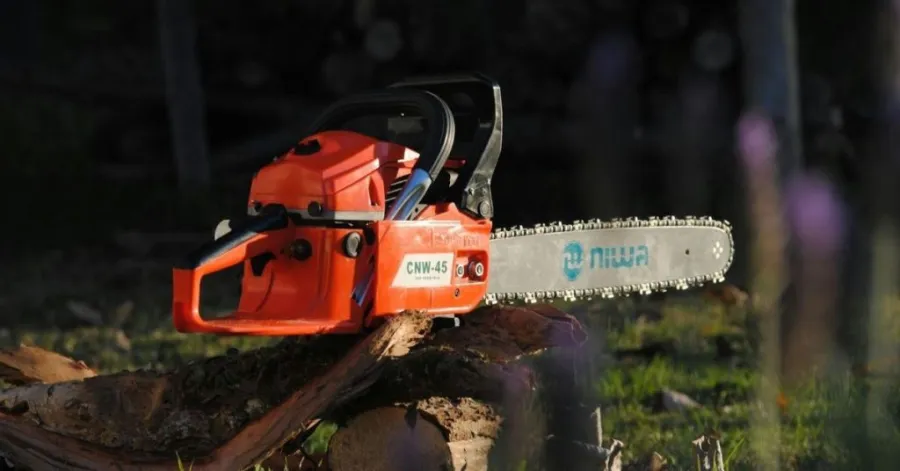
Gas vs. electric chainsaw: which type is better for your situation? An electric chainsaw is a simple pick for most homeowners. For trimming branches or cutting small logs, they’re lighter, quieter, and low-maintenance. Gas chainsaws are more powerful and durable, making them suitable for high-intensity jobs such as cutting thick trees. How comfortable do you need to be? And how much muscle does the work demand? If you want convenience or brute strength, choosing the right chainsaw makes your yard work quicker, easier, and much more satisfying.
Understanding the Basics — Gas vs. Electric Chainsaws
It is quite normal to feel uncertain when we first start comparing gas and electric chainsaws and choose the best one among them. While both tools can execute basic cutting tasks, their power system, performance, and maintenance vary tremendously. It’s beneficial to understand the difference between gas and electric chainsaws before choosing, as it affects your work in the yard or on the job.
Let’s explore what sets these two types apart so you can confidently choose the right chainsaw for your projects.
What Is a Gas Chainsaw?
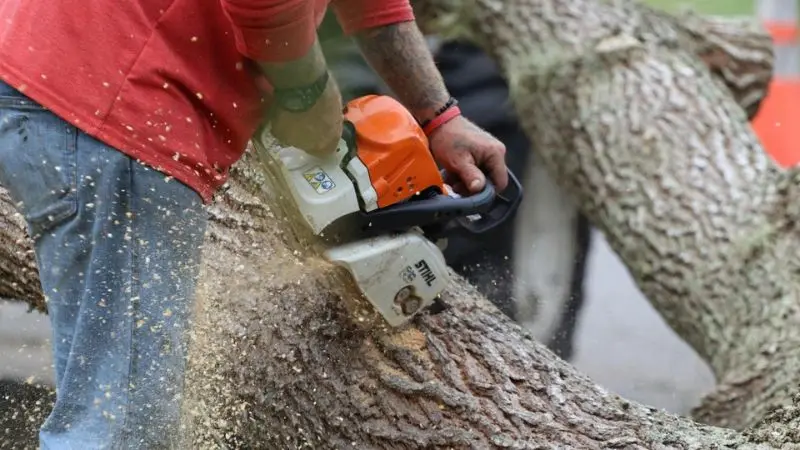
A gas chainsaw runs on gasoline and is made for strength and durability. It has a small engine that supplies constant cutting force, making it practical for large or tough tasks. Initially, you pull the cord. After the tool is running, you will notice how capable it is for cutting through thick logs or trees. Because of its design, a lot of professionals prefer this when doing heavy outdoor work.
You may ask, is a gas chainsaw good for heavy-duty cutting a lot of times, and the answer is usually yes.
It provides the torque and stamina that you need to cut tough material. On the other hand, gas chainsaws weigh more than 10 pounds, are noisier than electric models, and require consistent maintenance.
What Is an Electric Chainsaw?
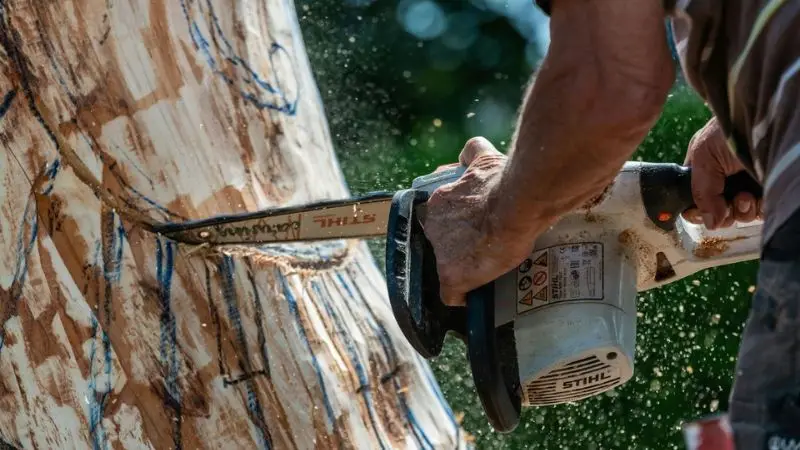
An electric chainsaw is powered by a cord or rechargeable battery and is easier and quieter. You just plug it in or put in a charged battery, press start, and begin work right away. Lightweight models are easy to maneuver around the garden. You can use them to trim branches, prune shrubs, or cut up small logs.
Are electric chainsaws powerful enough for cutting trees? You can use modern electric chainsaws to cut small and medium-sized trees. Gas models are more powerful than electric ones, but the latter are often easier to manage and require less upkeep. Also, except for motor propulsion (auxiliary) motors, battery-powered vehicles produce no emissions.
Which Type Is Better for You?
When choosing a gas or electric chainsaw, you need to consider how often you’re going to use it and how intensively. If you often work with thick timber or are far from civilisation, powered chainsaws are the better option. However, if you mostly do light yard work and value convenience, then you will want an electric model.
Many homeowners are also wondering, How long do electric chainsaws last? Using proper procedures, like maintaining a sharp chain and a well-maintained battery, can help an electric chainsaw last for years. In the end, it is about power, weight, and your comfort with maintenance.
Key Differences Between Gas and Electric Chainsaws
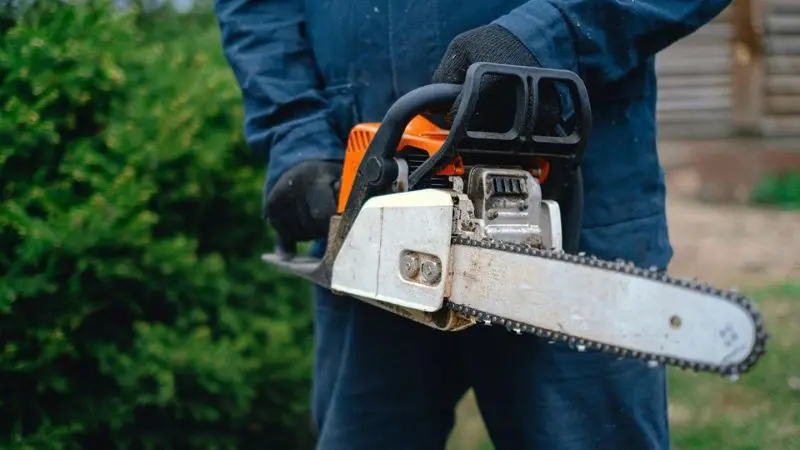
Before deciding which chainsaw is right for you, it helps to understand how they differ in power, maintenance, and usability. Each type serves a unique purpose depending on your cutting needs, property size, and comfort with tools. By comparing these aspects, you’ll get a clearer idea of what is the difference between gas and electric chainsaws and which option fits your lifestyle best.
Let’s break down the major differences to help you make a confident choice.
Portability and Everyday Convenience
Gas chainsaws are more mobile than electric ones; this is one of their sharpest contrast. Gas chainsaws enable you to roam freely anywhere without needing to look for a cord. Just refuel, start it up, and you’re ready to go. They are ideal for remote areas or large properties.
You have two options when it comes to electric chainsaws: corded and battery-powered. Using a corded version will limit your range but provide consistent power. Electric chainsaws that run on batteries are more flexible and ideal for quick jobs or small jobs. Though they may require recharging, their lightweight design renders them more manageable for most homeowners.
Maintenance and Durability Differences
Every tool needs caring, but the upkeep on gas machines is far different than electric ones. Gas chainsaws are more maintenance-heavy—they need air filter cleaning, oil level checking, and general maintenance of the engine. A gas chainsaw can last for many years of heavy-duty use if you maintain it well.
Electric chainsaws, however, are designed for simplicity. Keep the chain sharp, the battery fully charged, and the bar well-oiled. They have fewer moving parts, so less can go wrong. Many users also ask, How long do electric chainsaws last. With upkeep, they’ll work reliably for many seasons, consistently performing with little upkeep needed.
Noise, Emissions, and Environmental Impact
The two types of chainsaws vary in noise and emissions levels. Gas models tend to be loud and emit exhaust fumes, which can be quite tiring for long cutting tasks. They also pollute the air through tobacco combustion and fuels.
Electric chainsaws, however, are quieter and do not produce emissions. Electric vehicles are the choice for users who prefer peace, quiet, and a cleaner environment. These are especially suitable for areas with noise restrictions or for people who want to limit their noise impact.
Cost and Long-Term Value Considerations
Gas chainsaws typically come with bigger upfront costs and added ongoing costs from fuel, oil, and maintenance (which one must carry out regularly). If you use it professionally or frequently, they are worth the money. But, they won’t be too good if you cut on an occasional basis.
Electric chainsaws cost less to buy and have cheaper upkeep. These units require no fuel and very little maintenance, lowering their long-term costs.
Not all chainsaws are designed for heavy-duty work. So, if you want one for light to moderate yard work, an electric chainsaw is your best bet for both value and convenience.
Pros and Cons of Gas Chainsaws
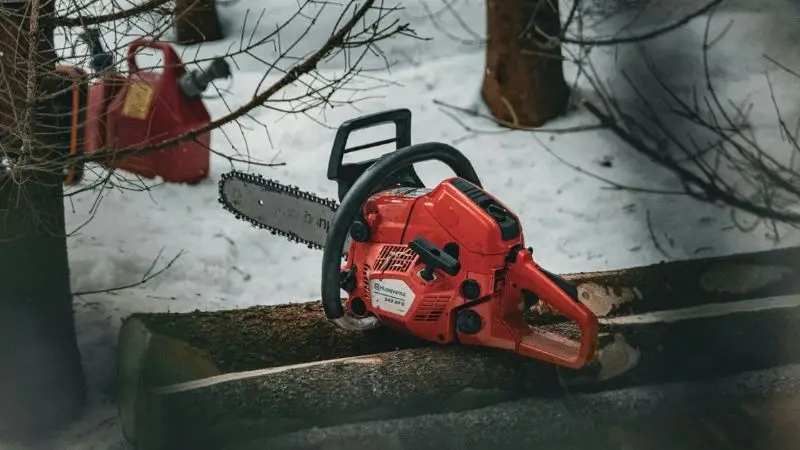
Gas chainsaws possess a lot of power while also remaining reliable under tough conditions. They are often the choice for busy professionals or homeowners doing big jobs. They have exceptional quality and performance, but these come with some sacrifices. By becoming acquainted with the advantages and disadvantages of these devices, you will be informed enough to determine if a gas model is indeed for you or whether an electric chainsaw would be more practical.
Advantages of Gas Chainsaws
When you grab a gasoline chainsaw, the first thing you’ll notice is its power. These machines can easily handle everything from thick logs to dense wood and outdoor work. If you ask yourself, is a gas chainsaw better for heavy-duty cutting, then the answer is almost always yes. This is because it’s meant for tough performance and endurance.
Key advantages include.
- High Power Output: Gas engines are powerful and allow one to cut thick trunks & branches easily.
- Unlimited Mobility: No cord or outlet means you have total freedom to move around large areas or remote job sites.
- Long Run Time: You will have the ability, with a full tank, to run for hours without charging the battery.
- Exceptional Durability: With regular expert servicing, gas chainsaws can last for several years. So, they can be quite durable if maintained properly.
A gas chainsaw is dependable and strong, making it better suited for heavy woodwork and large properties than a battery chainsaw or a corded chainsaw.
Disadvantages of Gas Chainsaws
Gas chainsaws are much more powerful, but they can also take more work to use. Not all surroundings and people will appreciate their weight, noise, and emissions. Knowing these drawbacks helps you make a practical choice.
Some key drawbacks include.
- Heavier Weight: The added weight of the engine can make it tiring to use for a long time, particularly for a beginner.
- Loud Operation: Gas-powered devices create a lot of sound, requiring ear protection for lengthy use.
- Higher Maintenance Needs: It is necessary to check the oil, clean the filter, and take care of the engine.
- Fuel Emissions: Gas-powered engines produce fumes of potentially unpleasant or harmful to health in confined or populated areas.
- Difficult Starting Process: Beginning the pull-start mechanism can be difficult, especially during cold seasons and after an extended period of storage.
Many professionals still choose gas chainsaws because of their incredible performance in tough situations when no other equipment can work.
If you want a less noisy experience while operating or want a lightweight, cleaner option, you can choose to explore what is the difference between gas and electric chainsaws.
Pros and Cons of Electric Chainsaws

Electric chainsaws have become increasingly popular among homeowners and casual users because they are simple to operate, lightweight, and quiet. They’re perfect for small to medium projects and require very little upkeep. However, they also come with a few performance limitations compared to gas models. Understanding both sides helps you decide if an electric chainsaw fits your cutting style and workload.
Let’s explore the main benefits and limitations of electric chainsaws so you can make an informed choice.
Advantages of Electric Chainsaws
One of the most appealing things about an electric chainsaw is how easy it is to use. No pulling a starter cord. No rubbing two-stroke fuel. Plus, no exhaust fumes. Simply press a button, and you’re ready to cut. Electric saws are lighter than gas ones, making them easier for a beginner to use or anyone who wants a handy, low-maintenance tool.
Top advantages include.
- Lightweight Design: The reduced weight makes it easy to maneuver, even for unskilled users.
- Low Maintenance: It does not require an oil change or air filter cleaning. Just keep the chain sharp and the battery charged.
- Quiet Operation: The machine’s operation is so quiet that you can work without disturbing others and without ear devices.
- Eco-Friendly: With zero fuel emissions, they’re better for the environment and your lungs.
Many people choose them for routine yard work and seasonal cleanups because they run so smoothly and quietly.
Disadvantages of Electric Chainsaws
Electric chainsaws are convenient, but they do have some disadvantages. Gas-powered models are more powerful, which provides a variety of cutting. But these electric models cannot do that. Depending on whether you choose the corded or battery version, portability can also be an issue.
Common drawbacks include.
- Less Power Output: May have trouble gripping dense or oversized logs that need more torque.
- Limited Run Time: Battery-operated versions need their batteries replenished after a long time of work.
- Cord Restrictions: Corded versions tether you to the outlet, giving you a smaller working radius.
- Not for Heavy-Duty Cutting: If you are usually cutting on big trees or lumber, then you may also want to choose a gas model.
For homeowners who do the occasional trimming or light cutting, an electric chainsaw is the most convenient option. Electric chainsaws can last for several years, which might surprise a lot of users, provided they use them and take care of them correctly.
How to Choose the Right Chainsaw for Your Home Projects
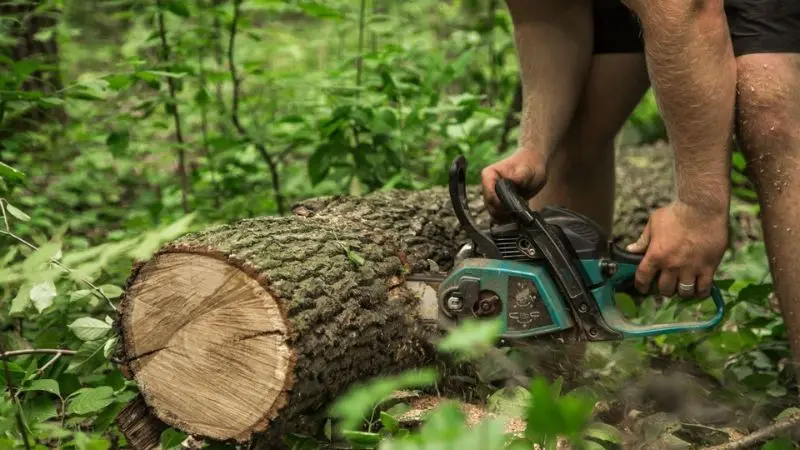
The right chainsaw you choose will depend on the size of your yard, how often you are using it, and what you are using it for. Gas and electric models have different strengths, and understanding the differences between gas and electric chainsaws can make your choice easier. The right choice will make your project easier, quicker, safer-whether you’re cutting firewood or trimming branches.
Let’s look at which chainsaw works best for different needs and situations.
Best Chainsaw for Small Yards and Occasional Use
If you need to prune branches or cut logs for firewood two or three times annually, using electric chainsaws will be the easiest option for you. The product is light, does not make noise, and can start with a button push. You will have freedom of movement with battery-powered versions that do not require any cord or fuel to function. At the same time, corded ones function solely on electric current, and they provide consistent power, making them great for quick jobs.
Easy to use and perfect for small yards and homeowners who like convenience. Since minimal maintenance is necessary and there is no mixing of fuel, you’ll spend less time on upkeep and more time on the task. With proper care and maintenance, electric chainsaws can last for a surprisingly long time and provide years of reliable service for light to moderate cutting tasks.
Best Chainsaw for Large Yards and Frequent Use
If you’ve got a large property, chop wood frequently, or regularly attack thick logs, then you need something stronger. Gas chainsaws are powerful and tough enough to stand up to demanding jobs. They can slice through huge trees and hardwoods with ease and run as long as you have fuel on hand.
A lot of people wonder if a gas-powered chainsaw is better for heavy cutting jobs. If you frequently carry out tough tasks, then yes, it can deliver added performance. Even though battery versions get better every year, gas versions have consistent power and toughness for large projects and outdoor work where there are no outlets.
Modern and Hybrid Chainsaw Options
If you want a compromise between gas and electric chainsaws, newer hybrid and smart designs offer gas and electric power and convenience. These models have modern battery technology to give long run times and high cutting power versus the electric versions. Numerous options also involve smarter features such as automatic chain tensioning, safety sensors, and efficiency controls.
Modern innovations are closing the gap between gas and battery chainsaws, giving you more flexibility and performance choices than ever before. No matter if you are looking for environmentally friendly, tough, or with lots of comfort, chainsaws are made to suit your needs without compromise.
Wrap Up
Gas vs. electric chainsaws have their pros and cons, and the best one depends on your needs. A gas chainsaw is more powerful and will last longer than an electric one if you often cut thick trees or do heavy work. Electric yard tools are easier, quieter, and cleaner to use for light jobs. You may now have both types with hybrid options. Gas chainsaws perform better than electric chainsaws and are good for large and frequent work. Therefore, understanding the difference between gas and electric chainsaws will help you choose the best one.
FAQ
Can I use an electric chainsaw for cutting firewood?
An electric chainsaw is good for small logs and light firewood. A gas chainsaw is advantageous for cutting through larger, thicker logs than an electric chainsaw. Electric options can pretty much handle what most yards throw at them, which means, generally, they’re not up to the heaviest firewood jobs.
How often should I sharpen my chainsaw chain?
You should check your chain after every use. When a tool or item cuts slowly and makes fine dust instead of chips, it needs sharpening. To ensure good cutting performance, it is advisable to sharpen your chainsaw after every so use for routine yard work.
Are battery-powered chainsaws safe for beginners?
Yes, battery-powered chainsaws are great for beginners. The button initiates a lighter feel with safety-first features. Put on protective equipment and know the equipment’s manual before use. Practice on small branches first.
What safety gear do I need when using a chainsaw?
When using power tools, always wear safety glasses and gloves. A helmet and hearing protection help too. Never skip safety gear, even for quick jobs.
Do electric chainsaws need oil?
Electric chainsaws still need bar and chain oil. This oil is added to keep the chain moving smoothly. Before cutting, always inspect the oil level before starting your machine. There is no need to mix fuel.