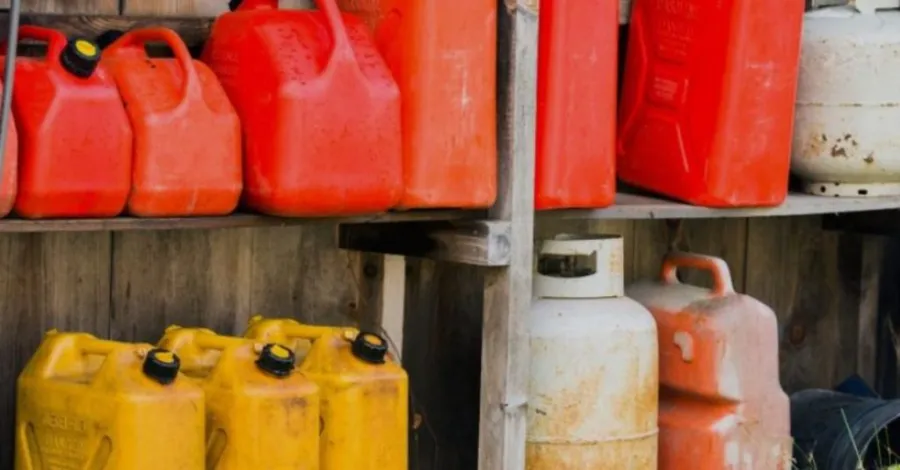
Choosing the right fuel storage solutions is essential for safety and smooth operations. The right system ensures your fuel is protected, your team stays safe, and your daily work runs without interruptions. To make the best choice, consider how much fuel you need, the space available, and whether the tank needs to be portable. Look for important safety features, the right jerry can and material, and plan for installation and maintenance costs. Thoughtful planning ensures you get the best fuel storage solutions for homes or industries that are safe, reliable, and efficient.
Know Your Fuel Storage Needs
Before setting up any system, fuel will need to fit into your normal day-to-day work. Different businesses use different fuels depending on their vehicle, machinery, and operational hours. Looking over these particulars carefully helps avert shortages and delays. It makes it easier to select trustworthy fuel storage solutions that align with actual use. When fuel requirements are clear, the planning is easy, and operations run smoothly with no risk.
Check How Much Fuel You Use
Begin by analyzing how frequently and how much your business uses fuel each day, week, and month. Identify the vehicles and equipment using fuel and note down their consumption rate. Understanding the required overall storage capacity requires adding these figures together.
Don’t forget to account for high-volume seasons when fuel usage increases. It prevents supply shortages by planning for them. A critical evaluation helps in making intelligent decisions and ensures that businesses select a reliable fuel storage solution whose demand is rising.
Pick the Right Place for Fuel Storage
Choosing an appropriate location is just as essential as choosing the right tank for fuel storage. Take measurements to assess the available dimensions and ensure ease of fuel deliveries and daily refueling. A clear work area away from active work zones should be ensured.
To prevent any incidents, tanks should be stored far away from flames, sparks, and heat. Always comply with local regulations. An organized location enhances workflow efficiency and allows safe storage of diesel and gasoline fuel storage tanks without obstructing daily work.
Safety Rules You Must Follow for Fuel Storage
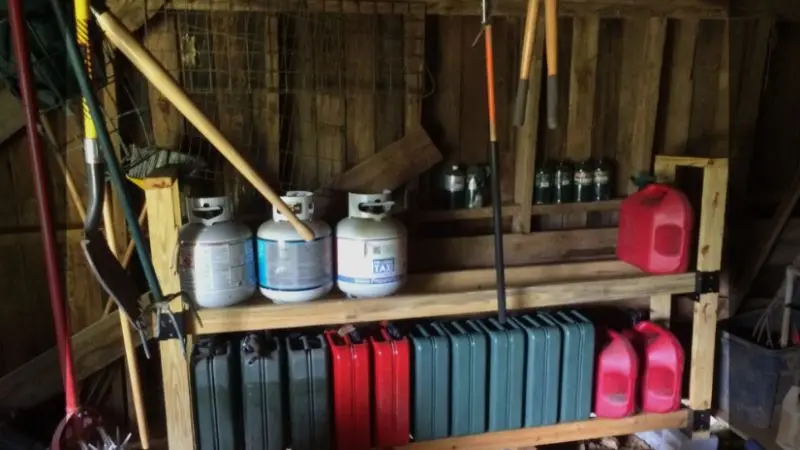
Storing fuel is not just about having space and tanks. It also has some laws to keep people, property, and the environment safe. It minimizes the risk of leakages, fire, and contamination. What is needed is a good understanding of safety and legal requirements from the start to ease the selection of efficient fuel storage equipment. If you plan properly, you won’t face costly fines later.
Learn the Fuel Storage Rules in Your Area
Regulations at the local, state, and federal levels govern the storage of fuels at storage sites. Regulations often specify the permitted positions of tanks, the minimum distance from structures, and the systems that must be installed to control spills or leaks. Staying updated is essential because rules and regulations can change. When inspections occur, being compliant becomes easier with proper records and permits.
By performing regular checks on your tank, you can catch small issues before they become big problems. Follow these steps to ensure snag-free management and that your fuel storage will serve the industry for a long time without legal issues.
Safety Features That Make Fuel Storage More Secure
While selecting storage systems for fuel, one must check their safety features. The features help minimize risks and safeguard workers, equipment, and surroundings. High-quality tank manufacturing understands how to contain leaks and spills and withstand pressure. Look for these common elements to be safe.
- Double-walled tanks minimize the chances of leaks.
- Vents to relieve pressure when internal pressure builds up.
- Systems to control accidental leaks are spill containment storage systems.
- Quick-response emergency shut-off valves.
Staff training is equally important as equipment for work. Understanding safety procedures allows workers to use fuel storage tanks or jerry cans for diesel and gasoline with greater confidence, keeping operations safe and smooth.
Common Types of Fuel Storage Options
Gasoline stockpiling is not subject to one measurement or figure. Different businesses and locations need different storage setups based on space, fuel volume, and usage style. Knowing the primary types of tanks makes it easier to choose a system suitable for day-to-day operations. By understanding these options, you can also invest in safe fuel storage solutions that will achieve greater efficiency.
Above-Ground Fuel Storage Tanks
Above-ground tanks are the most frequently used for storage across multiple industries. Since these tanks are on the ground, one can easily get them checked and maintained. Since they are visible, leaks or damages can be noticed quickly, which enhances safety. The operation provides easy access for refuelling and fuel monitoring. They are preferred by many businesses due to the ease of installation and relocation. Common benefits include:
- Inspections and maintenance without any hassles.
- Dynamic placement and movement.
- Offered in steel or polyethylene.
The above-ground tank is the most economical fuel storage solution for the industry, for which accessibility and control are important.
Underground Fuel Storage Tanks
Underground tanks are perfect for places where surface or aesthetic constraints apply. Because they are placed underground, they keep fuel safe from the climate and climate change. This storage maintains stable fuel conditions over time.
To comply with regulations, underground tanks must undergo stringent, consistent monitoring for leakage. They are frequently selected for long-term storage applications where space efficiency is critical. This option is often chosen by businesses that wish to keep their site free of clutter when planning bulk storage of diesel and gasoline for constant use.
Portable Fuel Storage Solutions
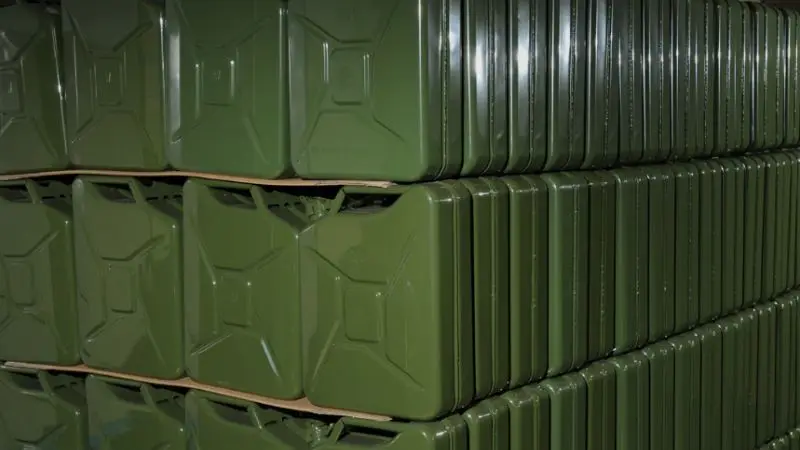
Portable tanks are designed to be flexible and movable. They are very useful for operations involving temporary projects, remote sites, or mobile equipment. These tanks are compact and easily transportable on trucks or trailers, bringing fuel directly to equipment when required. This helps reduce downtime and improve productivity.
Portable storage comes in handy for building, farming, and other emergencies. When chosen correctly, portable systems and jerry cans ensure safe storage of fuel at home or at work, allowing controlled refueling without relying on fixed storage facilities.
How to Choose the Right Material for Fuel Storage Tanks
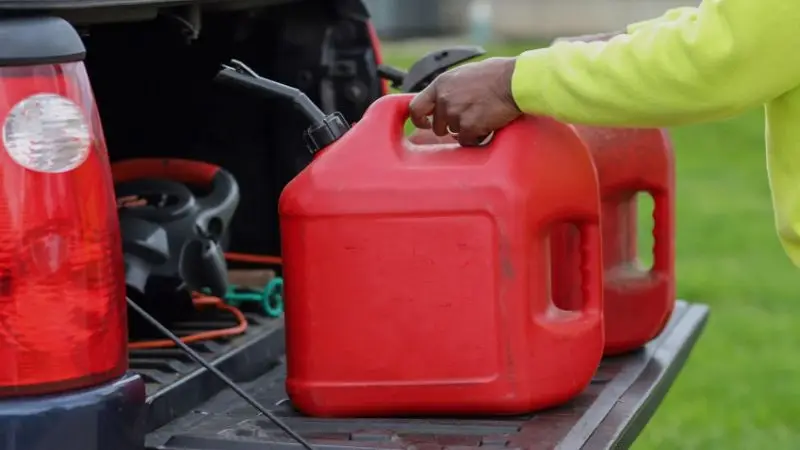
Selecting the correct tank material is an essential step in fuel storage preparation. The material impacts the safety, durability, and long-term performance. Varied surroundings and gasoline quantities require various tank strengths. The selection of the right material reduces maintenance problems and enhances the protection of fuels. It helps to invest in good fuel storage systems that last longer and work well in daily usage.
Difference Between Steel and Polyethylene Fuel Storage Tanks
Steel and polyethylene are the two most popular fuel storage tanks. Two options offer different advantages. Steel tanks have sturdy structures, making them suitable for holding large amounts of fuel for a long time. In heavy-duty applications, they’re also used in areas where strength is most important. However, steel should have a proper coating and regular inspections to avoid rusting.
The polyethylene tanks can be moved with ease. They remain corrosion-free and compatible with multiple kinds of fuels. Knowing the difference in fuels allows you to choose quality Fuel storage tanks for diesel and petrol according to use.
How Weather and Environment Affect Fuel Storage Tank Life
Weather conditions play a crucial role in influencing how long a gas tank lasts. Steel tanks are great with heat and cold, but require frequent inspection for outdoor use. If not managed, moisture will cause rust. Polyethylene tanks are less resistant to rain, sunlight, and humidity. The choice of a tank suitable for your climate means less upkeep and protects fuel. This method works for the long-term performance of home and business fuel storage.
How to Understand Fuel Storage Costs and Maintenance Needs
The cost of fuel storage exceeds the price of the tank. Over time, the overall cost will increase due to installation, monitoring, and maintenance. Considering these factors up front avoids unforeseen expenses down the road. A well-managed fleet promotes safety and efficiency with secure fuel. This thoughtful method determines the Best fuel storage solutions for home and workplace, which reflects actual long-term value.
Compare Initial Fuel Storage Costs With Long-Term Expenses
Weighing early costs against future spending is essential in choosing a fuel storage system. The cost of the tank, installation, and safety gear. Due to their strength and capacity, steel tanks initially cost more than the others. Polyethylene tanks can be installed more easily and are cheaper. Inspections and repair work minimize those high costs after a while. Good fuel management lowers waste and supports safe ways to store fuel at home and in industrial settings while keeping maintenance costs manageable.
Wrap-Up
Choosing the right fuel storage system is key to safety, efficiency, and savings. Through understanding of fuel volumes, site space, tank type, material, and maintenance needs, businesses and homeowners can select reliable fuel storage solutions. Whether you need above-ground, underground, portable, or steel, polyethylene tanks, all have their uses and unique suitability.
Fuel storage can be safe and effective by following regulations, incorporating safety devices, and planning costs. A good tank or jerry can offers excellent protection for your fuel, whether for industrial use or at home. When a good time is spent planning for residential-industrial fuel storage, it helps you get the best.
FAQs
What kinds of fuel can be stored in business tanks?
It can be used for diesel, gasoline, and other approved fuels. Whenever possible, verify the cylinder label and local regulations. Certain tanks perform better for certain fuels. If unsure, check with your supplier about your fuel requirements.
How regularly should you check your fuel storage tanks?
You need to check your fuel tanks every month. Check for leaks, rust, and damage. Routine inspections assist you in maintaining your fuel cleanliness. It is possible to identify issues early as well. This helps your business operate while safeguarding your fuel supply.
Is it possible for you to relocate your fuel storage tank?
You can transfer certain fuel tanks. Portable gasoline tanks are ideal for moving. You can relocate above-ground tanks if you wish to change your location. Always drain the fuel first and follow safety procedures before moving any fuel tank.
What is the best way to prevent fuel contamination?
Ensure your fuel tanks are clean and dry. Filters to be used while filling tanks. Inspect your fuel for any water and dirt. Close your tanks properly. Clean drop tanks regularly. Constructing good habits helps you keep your fuel safe and pure.
Are specific skills required to work with fuel storage?
Yes, you should have proper training to manage fuel safely. Find out how to fill, check, and move fuel tanks. Accidents are avoidable through training. It also helps you comply with regulations regarding the storage of fuel.