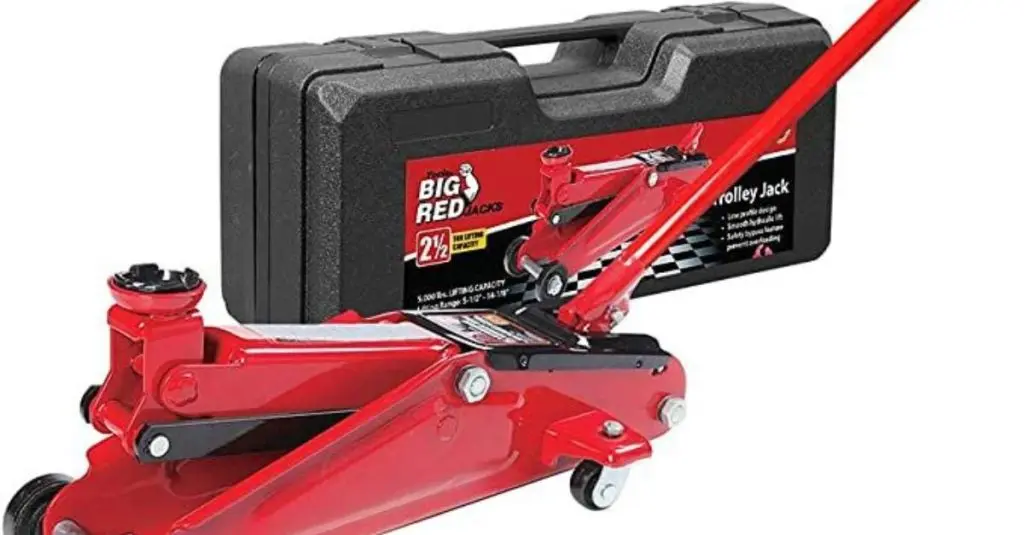
You want to use your floor jack with the case safely and keep your tools in top shape. Don’t worry if you’re new to this—everyone starts somewhere! Using a case keeps your jack organized and protected. Good safety habits help you avoid injuries and make your work much easier. When you take your time and follow the proper steps, you protect both yourself and your equipment.
Floor Jack Basics

What Is a Floor Jack?
You might wonder what a floor jack does. A floor jack is a tool that helps you lift your car off the ground. You use it when you need to change a tire or check under your car. Most floor jacks use hydraulic power. This means you pump a handle, and the jack lifts your car with oil pressure. You get a lot of lifting power with minimal effort. Many people like floor jacks because they are easy to use and work fast.
Types of Car Jacks
You will find many types of car jacks in stores and online. Each type has its own job. Here are the main types of car jacks you might see:
- Scissor Jacks: These jacks use a screw to lift your car. You turn the handle, and the jack opens like scissors. Scissor jacks are light and small. They work well for quick tire changes, but they do not lift heavy cars easily.
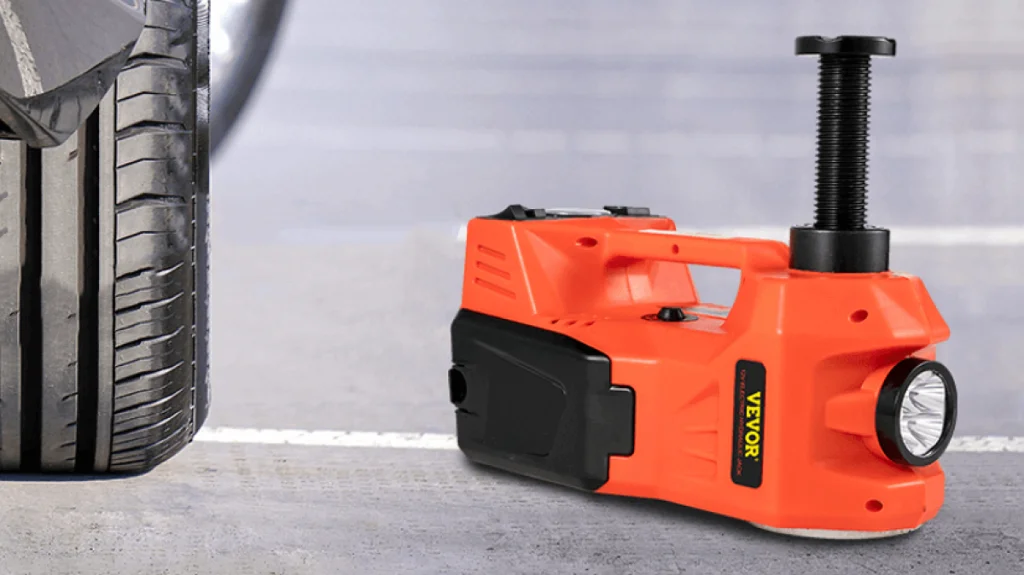
- Hydraulic Jacks: These include floor jacks and bottle jacks. Hydraulic jacks use oil and a pump to lift your car. You get more power with less work. Many beginners choose hydraulic floor jacks because they are stable and easy to use. These are also heavy-duty floor jacks with a plastic case.
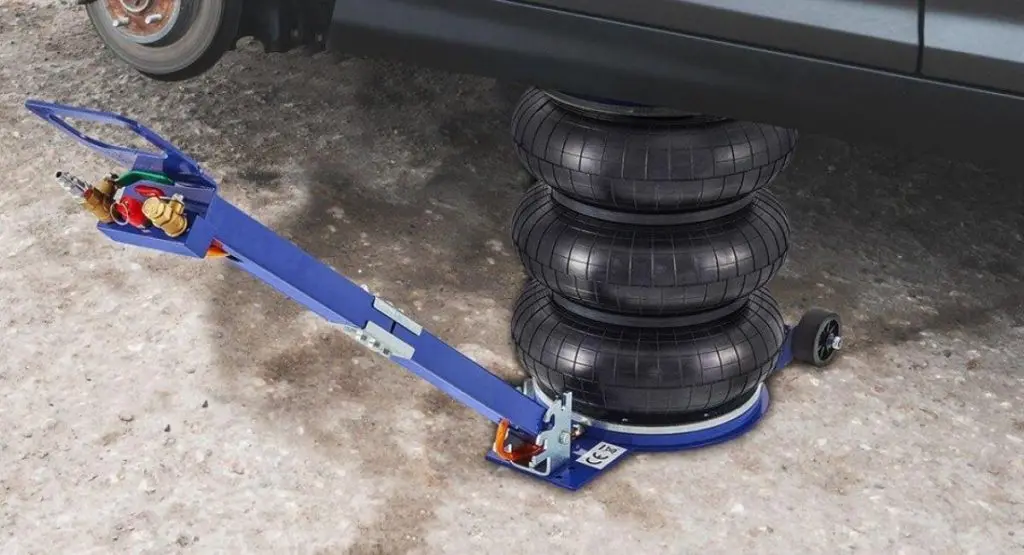
- Air Jacks: Air jacks use compressed air to lift your car. You connect them to an air compressor. Air jacks work quickly, but they require additional equipment.
| Types of Car Jacks | How They Work | Best For |
| Scissor Jacks | Screw mechanism | Light cars, emergencies |
| Hydraulic Jacks | Oil and pump | Most cars are easy to lift. |
| Air Jacks | Compressed air | Quick lifts, garages |
Choosing a Floor Jack with Case

Why a Case Matters
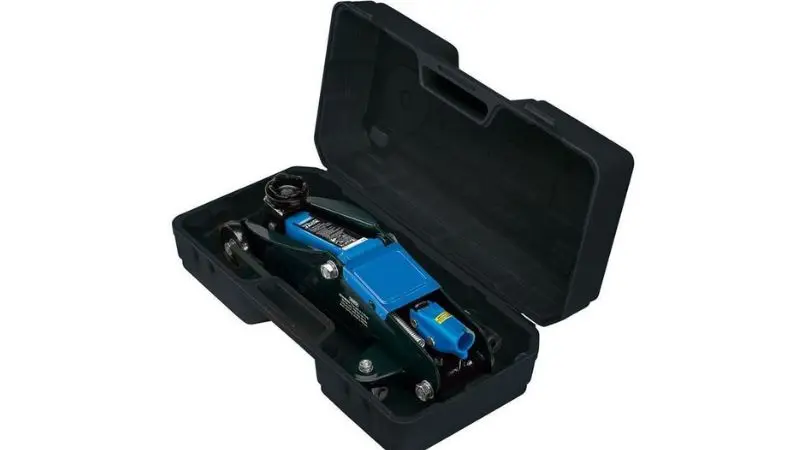
When you buy a floor jack with a case, you get more than just a tool. The case keeps your car jack safe from dirt and damage. You can carry your jack easily because the case has a handle. You do not have to worry about losing parts. Everything stays in one place. If you want to keep your garage neat, a case helps you stay organized.
A floor jack with a case for a car makes your life easier. You grab the case, take it to your car, and you have everything you need for the job. Many beginners like a safe jack kit because it comes ready to use. You do not need to search for missing pieces. You just open the case and start working. This makes choosing the right car jack much simpler.
Weight and Capacity
You need to consider the weight and lifting capacity of a car jack before purchasing it. Look at your car’s manual. Find out how much your car weighs. Your floor jack with case should be able to lift more than your car’s weight. Most people pick a jack that can lift at least 25% more than their car. This gives you extra safety. Here is a quick guide to help you:
| Vehicle Type | Suggested Jack Capacity |
| Small Car | 2 tons |
| Sedan | 2-3 tons |
| SUV/Truck | 3-4 tons |
Preparation Steps
Setting Up Your Workspace
You need a safe and clear space to work in before you lift your car. You want to make your job easier and stay safe. Here’s how to get your space ready:
- Choose a Flat Surface: Always work on a flat, sturdy surface. Concrete is the best. Don’t use grass or gravel. Your jack needs a solid base.
- Get rid of everything in the area: Get rid of any tools, toys, or junk that are in the way. You need room to get around in your car.
- Look for good lighting: Check to see that you can see what you’re doing. If your garage is dark, use a work light.
- Put on the parking brake: Stop your car from moving. Put the car in gear if you drive a manual, or park it.
- Block the Wheels: Place wheel chocks behind the tires that stay on the ground. This keeps your car from moving.
Tools and Accessories
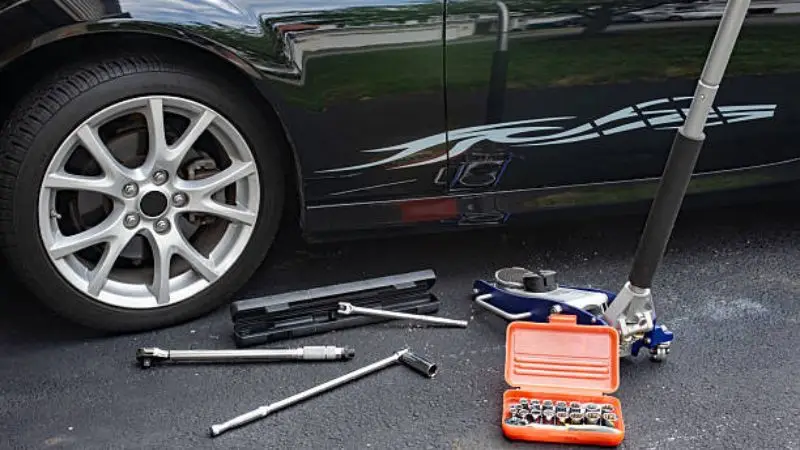
You need more than just your compact floor jack with carrying case. Gather all your tools before you start. This saves time and keeps you safe. Here’s a checklist to help you:
| Tool/Accessory | Why You Need It |
| Floor Jack (with case) | Lifts your car safely |
| Jack Stands | Holds your car up after lifting |
| Wheel Chocks | Stops your car from rolling |
| Work Gloves | Protects your hands |
| Flashlight/Work Light | Helps you see under the car |
| Lug Wrench | Removes and tightens lug nuts |
You might also want a kneeling pad for comfort. Keep your phone nearby in case you need help.
How to Use a Car Jack
Inspecting the Jack and Case
Before you start, always check your car jack and its case. You want to make sure everything works right. Open the case and look for cracks, leaks, or bent parts. If you see oil around a hydraulic jack, do not use it. Oil leaks mean the jack might not lift your car safely. Check the handle and wheels.
They should move smoothly. Look at the lifting pad. It should be clean and flat. You also want to check the case. Make sure it closes well and holds all the parts. A good case keeps your car jack safe when you store it. If you see missing pieces, find replacements before you start. This step helps you avoid problems during usage. For a variety of vehicles, you choose a floor jack with a case for an SUV or truck
Positioning the Jack
Now you need to place the car jack in the right spot. Park your car on a flat surface. Set the parking brake. Put wheel chocks behind the tires that stay on the ground. This stops your car from rolling. Look under your car for safe lift points.
These are strong spots made for lifting. You can find them in your owner’s manual or look for small notches under the frame. Never place the car jack under the floor pan or plastic parts. These spots can bend or break. Here’s a quick way to find safe lift points:
| Vehicle Area | Common Safe Lift Points |
| Front | Behind the front wheels, on the frame rail |
| Rear | In front of the rear wheels, on the frame rail |
| Sides | Near the tires, on pinch welds |
Lifting the Vehicle
You are ready to lift your car. Grab the handle and start pumping. If you use a hydraulic jack, the car will rise with each pump. Watch the lifting pad. It should stay on the safe lift point. If it slips, lower the car and reposition the jack. Lift the car until the tire is just off the ground. You do not need to go higher than needed. Check the lifting height in your jack’s manual.
Most jobs only need a few inches of height. To change a tire, lift it until it spins freely using a low-profile floor jack with a case. Once you reach the right height, stop pumping. Place jack stands under the car at the safe lift points. Lower the car slowly onto the stands. Now you can work on your tire or check under the car.
Using Jack Stands

Placing Jack Stands
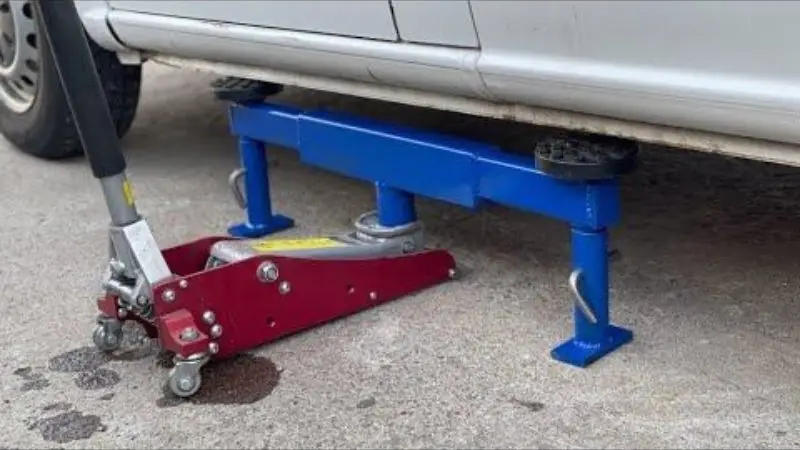
You have your car up with the jack. Now you need to use stands to keep it safe. Grab your car jack stands and place them near the lift points. These spots are strong and made to hold weight. Slide the stands under the car, right next to where the jack touches the frame. Make sure the base of each stand sits flat on the ground. Wobbly stands can tip over.
Check the height of the stands before you move the jack. Adjust the stands so the top lines up with the lift point. You want both stands at the same height. This keeps your car level. If you use two stands, place one on each side. For bigger jobs, you might need four stands. Always double-check that the stands lock in place.
Lowering onto Stands
Now you need to lower the car onto the stands. Hold the jack handle and turn it slowly. The vehicle will drop a little at a time. Watch the lift point as it comes down. The vehicle should rest right on top of the stands. If the car misses the stands, stop and lift it again. Move the stands if you need to. Once the vehicle sits on the stands, give it a gentle push.
The vehicle should not move or rock. If it feels loose, lift the car and fix the stands. Safety comes first every time you use a jack and jack stands. When you finish your work, use the jack to lift the car off the stands. Remove the stands and lower the vehicle to the ground. Put your car jack stands back in the case for next time.
Lowering and Storage
Removing Jack Stands
You finished your work under the car. Now it’s time to get your vehicle back on the ground. Start by sliding your floor jack under the same lift point you used before. Pump the handle to raise the car just enough so the weight comes off the jack stands. You don’t need to lift the vehicle high—just enough to free the stands.
Next, pull the jack stands out from under the car. Keep your hands and feet clear of the car’s path. Lower the car slowly by turning the jack handle. Watch the vehicle as it comes down. Make sure it settles on all four tires. Never rush this step. Take your time and stay safe.
Storing the Floor Jack with Case
After you finish, you want to keep your tools in good shape. Wipe down your floor jack to remove dirt or oil. Check for any leaks or damage. Place the jack and all its parts back into the case. Make sure everything fits snugly. Close the case and snap it shut.
A floor jack with a case makes storage simple. You can carry it easily and keep your garage tidy. Store the case in a dry spot, away from water or chemicals. This helps your jack last longer. If you use your jack often, keep it somewhere you can reach quickly.
| Storage Step | Why It Matters |
| Clean the jack | Prevents rust and damage |
| Check for leaks | Keeps you safe next time |
| Use the case | Protects and organizes tools |
| Store in a dry place | Stops rust and corrosion |
Essential Jack Safety Precautions
Key Safety Tips
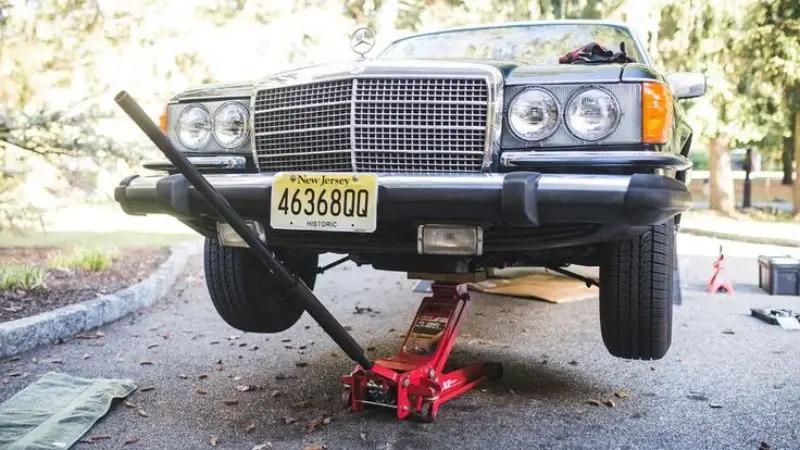
You want to stay safe every time you use a floor jack. These essential jack safety precautions help you avoid accidents and keep your tools in good shape. Always start by reading your jack’s manual. The manual shows you the right way to use your jack and gives you essential safety and maintenance tips.
- Check your jack and jack stands before each use. Look for cracks, leaks, or missing parts.
- Use your jack only on a flat, solid surface. Never use it on grass or gravel.
- Place wheel chocks behind the tires that stay on the ground. This stops your car from rolling.
- Wear gloves and closed-toe shoes. Protect your hands and feet from injury.
- Never crawl under a car that sits only on a jack. Always use jack stands for extra safety.
Common Mistakes
Many people make the same mistakes when using a floor jack. You can avoid trouble by learning what not to do. Here are some common mistakes to watch out for:
| Mistake | Why It’s Dangerous |
| Using a damaged jack | It can cause the car to fall |
| Skipping jack stands | Jack can slip or fail |
| Lifting at the wrong point | Can bend or break your car |
| Rushing the job | Leads to missed safety steps |
You might forget to check your tools or skip reading the manual. These small steps matter. Following safety and maintenance tips keeps you and your car safe. Take your time and double-check your setup. You will build good habits and avoid accidents.
Precautions
Before Lifting
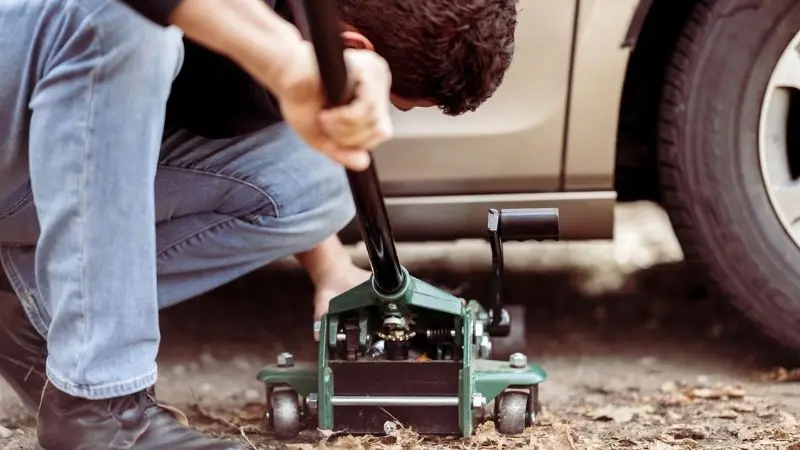
You want to stay safe and get the job done right. Start with these important precautions before you lift your car. First, check your floor jack and case for any damage. Look for leaks or cracks. If you see anything wrong, do not use the jack. Always read your manual before you begin. It tells you the correct lift points and the right height for your car.
Next, make sure your car sits on a flat, solid surface. Concrete works best. Never try to lift your car on a slope or soft ground. Set your parking brake and block the wheels that stay on the ground. This keeps your car from rolling when you lift it. Place wheel chocks behind the tires that will not leave the ground.
During and After Use
When you begin to lift, pump the handle slowly. Watch the lifting pad as it rises. Make sure it stays in the safe spot. If it slips, lower the jack and try again. Once you reach the right height, place jack stands under the car. Lower the vehicle gently onto the stands. Never work under a car that sits only on a jack.
Always use stands for extra support. After you finish, use the jack to lift the car off the stands. Remove the stands and lower the vehicle slowly. Watch the tires as they touch the ground. Make sure the car sits level. Clean your jack and put it back in the case.
| Step | What to Check |
| Before you lift | Jack’s condition, surface, and tools |
| While lifting | Pad position, lift height, tire clearance |
| After lowering | Tire contact, tool storage |
Bottom Line
You now know how to use a floor jack with a case safely. Each step matters—from setting up your workspace to storing your tools. Careful preparation, regular inspection, and correct jack placement keep you safe. Always double-check your setup before you start. Good habits protect you and your car.
FAQ
How do I know if my floor jack is safe to use?
Check your jack for cracks, leaks, or bent parts. Make sure the handle and wheels move smoothly. If you see oil leaking, do not use it. Always read the manual before you start.
Can I use a floor jack for changing a tyre?
Yes, you can use a floor jack for changing a tyre. Make sure you place the jack on a safe lift point. Always use jack stands before you work under your car. Safety comes first every time.
What is a four-ton hydraulic bottle jack best for?
A four-ton hydraulic bottle jack is well-suited for lifting heavy vehicles, such as trucks or SUVs. It provides strong lifting power in a compact size. Always check your vehicle’s weight before you use this jack.
Are recovery jacks suitable for off-road use?
Recovery jacks help you lift your vehicle when you get stuck off-road. They work well in mud, sand, or rough ground. Always follow the instructions and use them only on stable surfaces.
Should I choose a pro eagle off-road jack for my truck?
If you drive off-road often, a pro Eagle off-road jack can help you. It has big wheels and a strong frame. You can use it on dirt, gravel, or sand. It makes lifting your truck much easier.