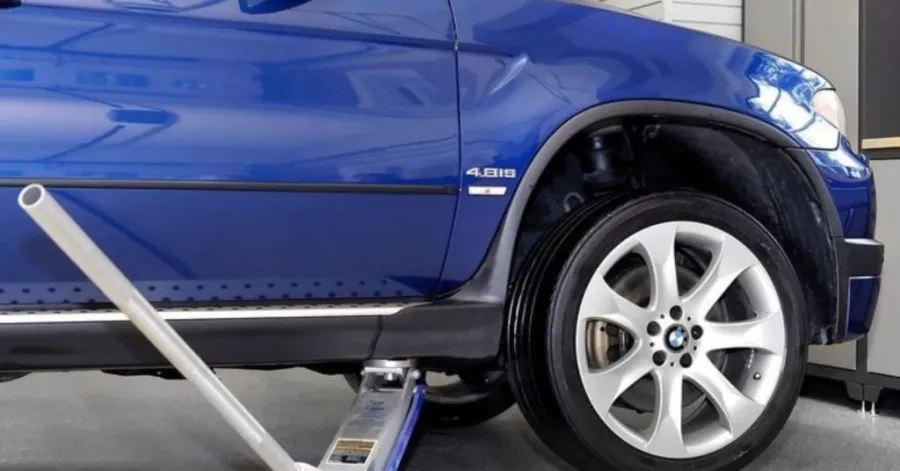
Floor jack oil helps your hydraulic jack lift heavy objects safely. It is important for Jack’s performance. Different oil brands are available in the market. You should choose the right one for your jack to keep it performing well. Some people use motor oil or any other oil they have at home instead of jack oil. This can damage your jack. So never ever use any substitute oil for your jack. In this guide, we have done our best to help you understand floor jack oil. Let’s uncover!
What Is Floor Jack Oil
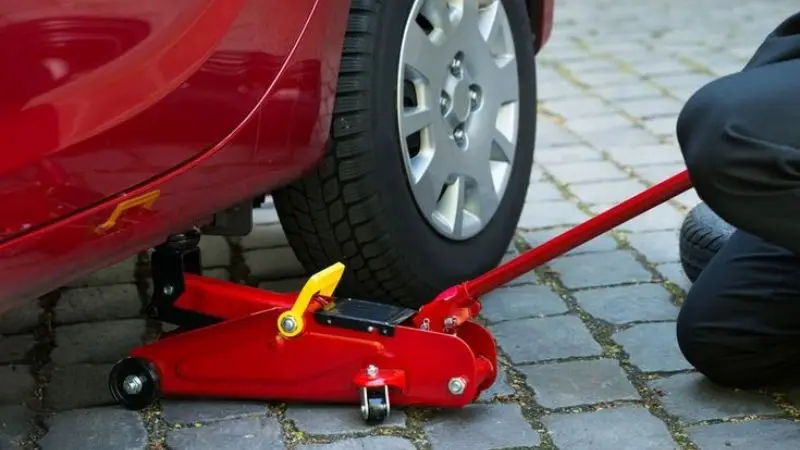
Key Features and Functions
You use floor jack oil to make your hydraulic jack work. This oil is a specialized hydraulic fluid. It helps your jack lift heavy loads by transferring force through the hydraulic system. The oil creates pressure, which moves the jack’s piston and raises the object. The right oil is also necessary to protect your jack from rust and wear. It is important, as any greasing is important for any tool.
How It Differs from Other Oils
You might think you can use motor oil or transmission fluid in your hydraulic jack. This is not safe. Floor jack oil and hydraulic jack oil have properties that other oils do not. They are designed for hydraulic systems and can handle high pressure without failing. Choosing the wrong oil can stop your jack from performing regularly. It is a need for any jack to perform well.
Importance of Hydraulic Jack Oil

Impact on Performance and Safety
You rely on your hydraulic jack to lift heavy objects safely. The right hydraulic jack oil helps your jack work smoothly and gives you steady control. When you use the correct oil, you avoid jerky movements and sudden drops. You protect yourself and others from accidents. Sometimes rust reduces the smooth functioning of the jack. To protect you from any sudden injury, Jack Oil is needed. Hydraulic jack oil keeps the system sealed, preventing air and dirt from getting inside. This oil also helps the jack handle high pressure without breaking down.
Effects on Longevity and Efficiency
Hydraulic jack oil plays a big role in how long your jack lasts. Good oil reduces friction and wear on moving parts. You prevent rust and corrosion from damaging the inside of the jack. Clean oil helps the jack run efficiently. You do not need to spend hours in the car lifting and doing a minor repair. For this quality, oil is important; if you want to save some pennies and use dirty oil, it can damage your jack. Instead, you will have an expensive repair of jack in some cases you have to buy new jack.
How to Choose Floor Jack Oil
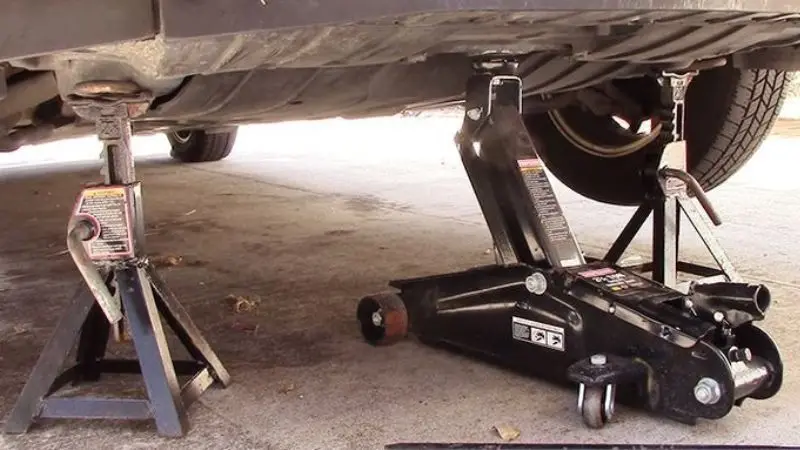
Manufacturer Recommendations
What oil to use in a floor jack? You should always start by checking your jack’s manual. The manual tells you which oil works best for your tool. Manufacturers test their jacks with certain oils. They know which ones keep the jack safe and strong. If you use the wrong oil, you might damage the seals or cause leaks. You can find the recommended oil types in the manual or on the manufacturer’s website.
Viscosity and Oil Types
Viscosity means how thick or thin the oil is. You need to pick the right viscosity for your floor jack oil. If the oil is too thick, it moves slowly and can make the jack hard to pump. If the oil is too thin, it might leak or not build enough pressure. Most hydraulic jacks use ISO 32 or ISO 46 oil. These numbers show how the oil flows at different temperatures.
Additives and Fluid Properties
Some oils have special additives. These help your jack last longer and work better. Look for oils with anti-wear agents. These protect the moving parts inside your hydraulic system. Non-corrosive oils stop rust and keep the inside of your jack clean. High-pressure fluids help your jack lift heavy loads without breaking down. When you choose the best oil for a hydraulic floor jack, check the label for these features:
Floor Jack Oil Maintenance
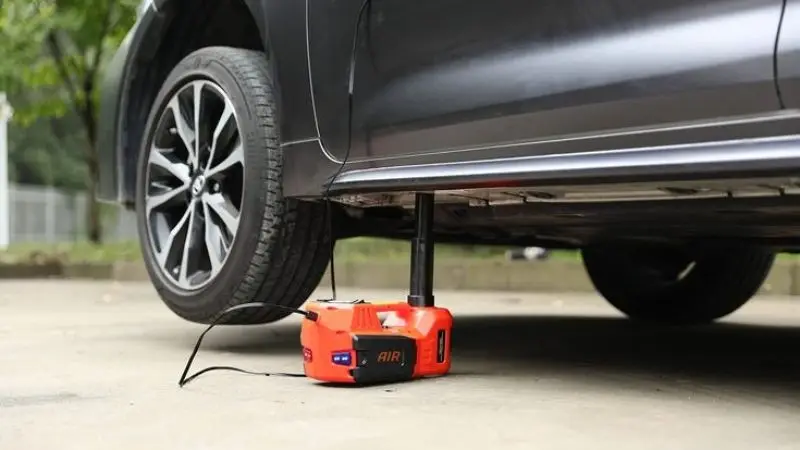
Inspection and Replacement Intervals
You should check your floor jack oil at least once every few months. Look for signs of low oil or dirty oil. If you use your jack often, inspect it more often. Most experts recommend changing the oil every two years or sooner if you notice problems. Fresh oil keeps your hydraulic system working well and helps prevent damage.
How to Change Hydraulic Jack Oil
How to add oil to a floor jack? Changing the oil in your jack is simple if you follow the right steps. Here is a basic guide:
- If you are using a jack to lift, stop the process and lower the jack properly.
- You have to remove the old oil before refilling. To do this, simply tilt the jack and empty it.
- Now it’s time to add new hydraulic jack oil slowly. There are recommended levels fr each jack; you need to fill it till that level.
- Replace the fill plug and wipe away any spills.
- If the bubbles form in the oil while filling, they can trap air inside. So always pump the jack a few times.
Conclusion
You now know that floor jack oil is a special hydraulic fluid. It keeps your jack safe and in good working order. Using the right oil helps you avoid damage and accidents. Always check your manual before you choose oil. Regular oil checks and changes protect your jack and extend its life. This simple step of buying oil for a jack is really important for its performance.
FAQ
What happens if you use the wrong oil in a floor jack?
You risk damaging the seals and internal parts. The jack may not lift properly or could fail. Always use oil made for hydraulic jacks.
How do you know when to change floor jack oil?
You should check the oil every few months. If you see dirty oil, leaks, or hear strange noises, change the oil. Most people change it every two years.
Can you mix different brands of hydraulic jack oil?
You should not mix brands. Different formulas may not work well together. Mixing can cause poor performance or damage. Always use one type at a time.
Is there a difference between floor jack oil and bottle jack oil?
Most floor jacks and bottle jacks use the same type of hydraulic oil. You should check your manual to be sure. Always follow the manufacturer’s advice.