Floor jack fluid plays a critical role in lifting performance and safety. Proper selection maintains hydraulic efficiency, protects internal seals, and prevents jack failure. Hydraulic jacks work more safely and efficiently when they are lubricated with floor jack fluid.
Jack oil is used inside the jack in order to lift heavy loads and create pressure. Your jack could lose power if you use the wrong oil or if it gets dirty. The right fluid for your jack will protect the internal parts and help you to work confidently.
What Is Floor Jack Fluid?
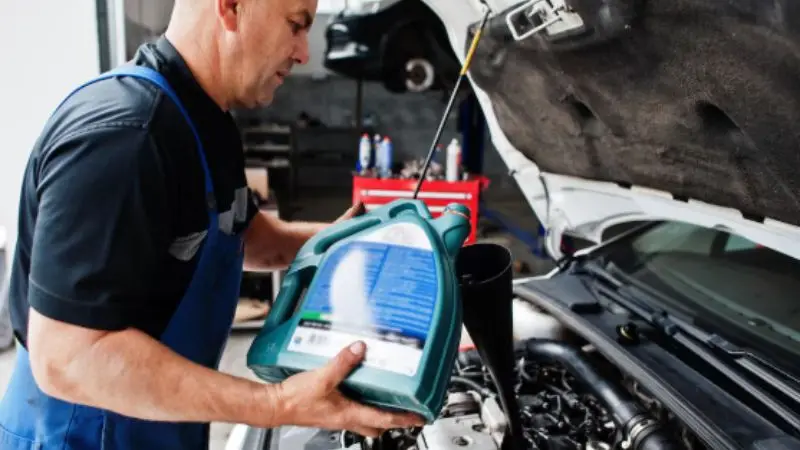
The right hydraulic fluid is needed to get your hydraulic jack working. The floor jack fluid is a specialized type of hydraulic oil. This fluid is often referred to as Jack Oil. You pour it into your hydraulic jack. The oil is low in viscosity and flows easily within the hydraulic jack. The jack can lift heavy objects with ease. The jack oil protects internal parts against rust and wear. Your hydraulic jack will remain strong and safe when you use the right hydraulic fluid.
How Hydraulic Fluid Powers a Floor Jack
Hydraulic fluid is used to lift your hydraulic jack. By pumping the handle, you force jack oil into small passages within the jack. This builds pressure. This pressure then moves a piston, which raises the weight. Your hydraulic jack will not be able to lift as much weight if you don’t have enough jack oil. The jack can also lose power if the hydraulic fluid is dirty or old. When you know how to check floor jack hydraulic fluid regularly, it will help to ensure the best lifting performance.
Tip: Check the hydraulic fluid first if your hydraulic jack is slow or weak.
Is Floor Jack Fluid the Same as Hydraulic Oil?
You may wonder what type of fluid goes in a floor jack. The jack oil, which is used in most floor jacks, is actually a blend of special oils. This type of fluid is best suited for the smaller parts in a hydraulic jack. Some hydraulic oils can be too thick or contain additives that damage seals. It’s better if you can choose a jack oil that is specifically designed for hydraulic jacks. It will keep your hydraulic jack running smoothly and safely.
Why Floor Jack Fluid Is Important

Floor jack fluid plays an important role in the hydraulic system by transmitting force that allows the jack to lift heavy loads efficiently. Some of the important benefits are listed below
Maintaining Lifting Power and Performance
Your hydraulic Jack should be able to lift heavy weights every time. Your hydraulic jack will be able to lift heavy loads with the help of jack oil. By filling your jack up with clean hydraulic fluid, you can help it move more smoothly. When you use the right fluid for your floor jack, it allows the piston to push up with great force. Your hydraulic jack might not be able to lift as high as it should if you are using the wrong oil. The jack may feel weak or slow. Check the hydraulic fluid before lifting.
Cleaning jack oils will help your hydraulic jack perform at its best. Low or dirty fluid can make lifting more difficult
Preventing Internal Wear and Seal Damage
Jack oil is more than just a way to help lift your hydraulic jack. It protects internal parts. Fluid that is smooth will prevent the moving parts of your hydraulic jack from rubbing together and wearing them out. Seals are kept soft and strong with good floor jack fluid. Seals can crack or dry out if you use the incorrect jack oil. It can lead to leaks and damage. Use the correct hydraulic fluid to ensure that your hydraulic jack will last a long time.
Use the right jack oil for maximum benefits:
- Wear on moving parts is reduced
- Stronger seals
- Fewer leaks
Safety Risks of Low or Old Floor Jack Fluid
Keep your hydraulic jack secure. Low or old jack oil may cause serious problems. The hydraulic fluid can become dirty and block small passages in the hydraulic system. Your hydraulic jack could fail just when you need to use it. You could hurt yourself or drop a large load. Check your jack’s oil regularly and replace it if it appears dirty or low. Proper inspection and timely replacement are essential parts of a floor jack fluid replacement guide.
Note: Do not use your hydraulic jack when the fluid level is low or dirty. A fresh jack oil will help you and your tools stay safe.
Types of Floor Jack Fluid
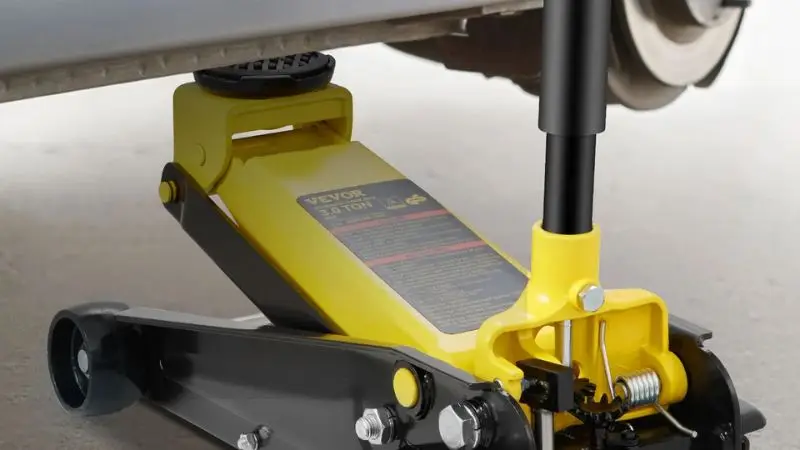
Not all hydraulic fluids are the same; they come in different types. When you select an incompatible fluid, it will reduce performance and shorten the life of the jack.
Hydraulic Jack Oil
You will need hydraulic oil in order to maintain the performance of your hydraulic jack. Jack oil is a specialized hydraulic fluid for lifting tools. It protects your hydraulic jack’s moving parts and flows smoothly. Always use the oil that is recommended for your hydraulic jack. This oil helps to build up pressure in the hydraulic system and lift heavy objects. Your jack could be damaged if you use the incorrect oil.
Check your owner’s guide for the correct hydraulic fluid to use before adding anything new to your hydraulic jack.
ISO 32 vs ISO 46 Hydraulic Fluid
On bottles of hydraulic fluid, you may see ISO 32 or ISO 46. These numbers indicate the thickness of the fluid. ISO 32 is a thinner fluid than ISO 46. ISO 32 jack oils are best for hydraulic jacks because they move quickly through small parts. ISO 46 is used by some heavy-duty jacks to provide extra protection. Choose the right type for your jack.
| Fluid Type | Thickness | Best Use |
| ISO 32 | Thinner | Most floor jacks |
| ISO 46 | Thicker | Heavy-duty hydraulic jack |
Can You Use ATF as Floor Jack Fluid?
You may wonder if your hydraulic lift can be used with automatic transmission fluid. ATF is readily available. ATF and Jack Oil are not the same thing. ATF contains different chemicals that can damage the seals of your hydraulic jack. Use only the hydraulic fluid or jack oil listed in your manual.
Fluids You Should Never Use in a Floor Jack
Never use motor oil, brake fluid, or power steering fluid to fill your hydraulic jack. These fluids can cause your hydraulic system to leak and damage seals. These fluids also don’t provide the correct pressure for lifting. Use Jack Oil or the appropriate hydraulic fluid to meet your floor jack fluid requirements.
If you use the wrong fluid, your hydraulic jack may fail at a time when you most need it.
How to Check Floor Jack Fluid Level
To check the hydraulic fluid level in your hydraulic jack, you will need some simple tools. Before you begin, gather the following items:
- Use a clean rag or paper towel
- To open the fill plug, use a flathead screwdriver (or wrench)
- Flashlight (to look inside the reservoir).
- Safety gloves
Properly wear gloves whenever you are working with hydraulic fluid. This will keep your hands safe and clean.
Step-by-Step Guide to Inspecting Floor Jack Fluid
Follow these steps to check the fluid in your Hydraulic Jack. You can use this process to determine when you should fill your hydraulic jack with fluid or whether you need to replace the fluid.
- Place your hydraulic jack onto a stable, flat surface.
- Reduce the jack to the lowest position so that the piston is fully lowered.
- The fill plug is located on the top or side of the jack. Remove it with a wrench or screwdriver.
- A flashlight can be shone into the opening. Check the level of fluid. The fluid level should be just below the opening.
- Fill up the hydraulic jack if you see that it is low. You may need to replace the fluid if it looks dirty.
- Remove any spills using a rag. Replace the plug tightly.
Use the correct hydraulic fluid to fill your hydraulic jack. This will protect the hydraulic system and keep your jack in good condition.
Signs Your Floor Jack Is Low on Fluid
These are the signs that your hydraulic jack may need more fluid. Keep an eye out for the following problems.
- The jack doesn’t lift as high before.
- When you pump the handle, it feels soft or spongy.
- The jack is making strange noises or moving slowly.
- The hydraulic fluid is foamy or bubbly.
Check your fluid level immediately if you see these signs. Filling a hydraulic jack correctly and using the correct amount of fluid will help your hydraulic jack work and last longer.
How to Add or Replace Floor Jack Fluid
If you want to know how to refill floor jack fluid or replace it, just follow these steps:
- Place the jack on a level surface. The jack should be lowered all the way.
- Find the fill plug. Open it with a wrench or screwdriver.
- Use a rag to clean the area around the plug. This will keep dirt from entering the jack.
- Remove the fill plug. Place it in a secure place.
- Fill a hydraulic jack using a funnel. Pour slowly, and keep an eye on the level.
- When the fluid is just below the opening, stop.
- Remove any spills. Replace the plug tightly.
Tip: Use the correct hydraulic fluid when using your jack. This will help your jack to last longer.
How Much Fluid Does a Floor Jack Needs
Do not overfill or underestimate your jack. The fluid should reach the bottom of the fill hole on most jacks. You can find the exact amount in your owner’s guide. Fill the hydraulic jack with fluid until it almost reaches the bottom of its opening if you don’t have the owner’s manual. A hydraulic jack filled with too much fluid may leak. The jack can become weak if there is too little fluid.
| Jack Size | Fluid Needed (Approx.) |
| Small (1-2 ton) | 85-100 ml |
| Medium (3-4 ton) | 150-200 ml |
| Large (5+ ton) | 250-300 ml |
Bleeding Air After Adding Hydraulic Fluid
When you fill your hydraulic jack, air can become trapped. This air must be removed to ensure that the jack functions properly. Follow these steps to remove the air
- Open the release valve.
- The piston will move up and down by pumping the handle.
- Close the release valve, and then test the jack.
- If the jack is still weak, repeat this step.
Bleeding the air will help your jack lift safely and smoothly.
Common Floor Jack Fluid Problems and Solutions
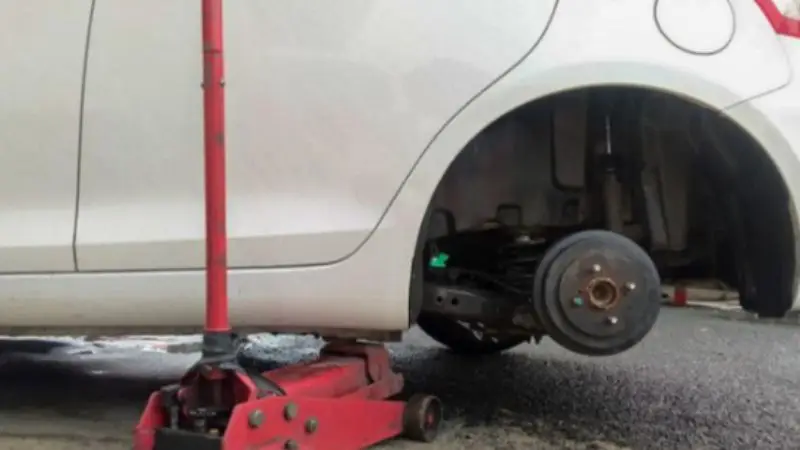
When you are using a floor jack, you may face different problems, so here are the common problems with their solution that will help you identify and resolve the issue quickly and safely.
Floor Jack Not Lifting Due to Low Fluid
Your floor jack may not be lifting as much as it should. Low fluid levels are a common problem. The jack will not build up enough pressure when the fluid level drops below the correct level. The jack may make strange noises or move slowly. You will need to learn how to refill a hydraulic jack if you want to fix it. Begin by lowering your jack to the lowest point. Check the fluid by opening the fill plug. Fill the hydraulic jack until the oil reaches the opening. If the fluid level looks low, add more oil. Wipe up any spills, and then replace the plug.
Check your owner’s guide for in-depth instructions if you don’t know how to fill up a hydraulic jack.
Leaking Floor Jack Fluid
Your jack can suffer serious damage if it leaks. Fluid levels may drop quickly, or you might notice oil underneath the jack. Leaks are often caused by worn seals or loose connectors. Clean the area where you see a leak and check for cracked seals. Any damaged parts should be replaced immediately. If your jack leaks, never use it. Leaks make your jack unreliable and can cause it to fail at the worst possible time.
Common Leakage signs:
- Oil puddles under the jack
- There are wet spots on the fill plug
- Jack’s lifting power is reduced
Contaminated or Foamy Hydraulic Fluid
Foamy or dirty fluid can cause your jack to not work properly. Fluids can become contaminated with dirt, water, or air bubbles. When you pump the handle, the fluid may appear milky or foamy. Contaminated liquid can cause internal damage. Drain the old oil and refill a hydraulic jack if you see it. Use clean tools, and make sure the area surrounding the fill plug is free of dirt. It will help your jack to last longer and operate safely.
It is important to know how to properly fill your hydraulic jack and perform regular checks to avoid any kind of damage.
How Often Should You Change Floor Jack Fluid?
The frequency of changing the floor jack fluid depends on how often the jack is used and its condition. Some important points are listed below for better understanding.
Manufacturer Recommendations
The manual of your floor jack will give you the best advice. The majority of manufacturers will tell you when to change your hydraulic fluid. Most manufacturers recommend changing the hydraulic fluid every 1 to 2 years. Some heavy-duty jacks require more frequent fluid changes. Fluid changes may be needed sooner if you use your jack frequently. Follow the manufacturer’s instructions when changing the fluid in your jack.
If you’ve lost your manual, visit the website of the manufacturer.
Usage-Based Fluid Change Schedule
The fluid change frequency is affected by how often you use the jack. Fluid will wear faster if you use it every week. Fluid may last longer if you only use it a few times a year. Here’s a quick guide:
| Usage Level | Change Fluid Every |
| Heavy (daily/weekly) | 6-12 months |
| Moderate (monthly) | 12-18 months |
| Light (a few times/yr) | 18-24 months |
Check the fluid at a minimum twice a year. You can detect problems early and prevent them from getting worse.
Signs It’s Time to Replace the Hydraulic Fluid
You don’t have to wait until a certain time to change the fluid. Keep an eye out for the following signs:
- Fluid looks dirty, milky, or dark.
- The jack is weak or slow.
- Foam or bubbles are visible in the fluid.
- When lifting the jack, it makes strange noises.
If you see any of these issues, change the fluid immediately. Your jack will be safe and secure with fresh fluid.
Dirty or old fluid can cause your jack to malfunction and become unsafe. Use only clean fluid to get the best results. Use the correct fluid and inspect it regularly to keep your floor jack safe and strong. Lift heavy loads with ease when you use the correct jack oil.
Conclusion
Keep in mind that regular fluid and check-ups protect your tools from damage. You can only use the fluid that your jack requires. Before each use, check the level of the fluid. Always replace dirty or old fluids immediately. Follow these simple steps to keep your jack in good condition and safe. Using the correct floor jack fluid helps to maintain consistent lifting power and improve performance.
FAQ
How often should you check the floor jack fluid?
You should check the fluid before each use. Regular checks help you spot leaks or low fluid early. This keeps your jack safe and strong.
Can you mix different brands of Jack oil?
Do not mix different brands. Your seals can be damaged by different formulas. Use the same brand and type for best results.
What happens if you overfill your floor jack?
Overfilling can cause leaks and reduce lifting power. You should fill the jack only to the recommended level. Check your manual for the correct amount.
Is it safe to use motor oil in a hydraulic jack?
Never use motor oil. Motor oil can cause seals to be damaged, and your jack will fail. It’s better if you can use hydraulic oil for jacks.
How do you dispose of old hydraulic fluid?
You should take old fluid to a recycling center or hazardous waste facility. Never pour it down the drain or on the ground.