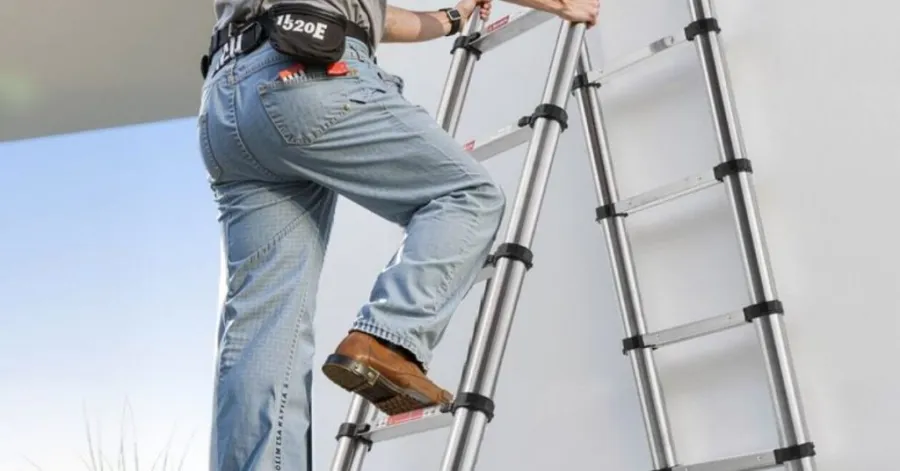
You don’t want just any ladder; you want the right ladder for the job. The best choice is one that suits your task, your height requirements, and your emphasis on safety. Keep in mind that extension ladders are available in various materials and duty ratings. Choose the one that fits your job and keeps you safe. In this guide, you can select the ladder with the proper features that best suit your job.
Choose a Ladder for Your Project
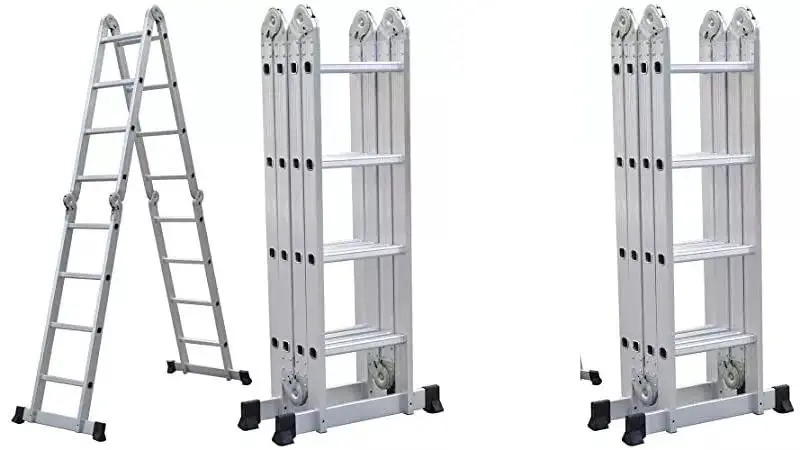
Different Types of Ladders
You want to finish the job quickly and safely. There are many kinds of extension ladders. First, determine which ladder will work best for your project. Not every ladder is right for every job. Extension ladders are the best choice for accessing high places, such as your roof or the top of a tall wall. These ladders can be made longer to give you more height. You can use them to paint, clean gutters, or fix outside lights.
For work inside your house, step ladders work well. You can use them to change light bulbs or get to shelves. They don’t need any help to stand up. Ladders with multiple positions can change shape. You can use them as an extension ladder or a step ladder. If you need one ladder for a lot of different jobs, these are great.
Ladder Size Guide
You want to reach your work area without stretching or standing on the top rungs. The right extension ladder should be 7 to 10 feet longer than the highest point you need to reach. This keeps you safe and gives you room to stand comfortably. Here is a quick guide to help with ladder selection:
| Highest Point You Need to Reach | Recommended Ladder Size | Safe Standing Height |
| 9 ft | 16 ft | 13 ft |
| 13 ft | 20 ft | 17 ft |
| 17 ft | 24 ft | 21 ft |
You can use this table to choose the right ladder for your project. Always remember, never stand on the top four rungs. This keeps you steady and safe.
- Check your reach height before making a purchase.
- Select the appropriate ladder size for your task.
- Review the duty rating to ensure the ladder meets your needs.
Now you know how to use an extension ladder safely for your project. You can choose the right extension ladder and stay safe while working.
Find the Right Extension Ladder Height

Reach Height Calculation
You want to feel safe and steady when you climb. To do that, you need to select the height of your ladder the right way. Many people think they can buy a ladder that matches the spot they want to reach. That is not true. You should never stand on the top four rungs of an extension ladder. This rule helps keep you balanced and reduces the risk of falls. Here is a simple way to figure out what size you need:
- Decide on the maximum height you want to reach. This could be your roof, a window, or a high gutter.
- Subtract about 3 feet from your own height. This is your safe reach.
- Add 7 to 10 feet to your reach height. This gives you the right ladder length.
Common Sizes
You will find many extension ladders in stores. Each size is best suited for specific tasks. Here is a quick table to help you pick:
| Ladder Size | Safe Standing Height | Best For |
| 16 ft | 13 ft | 1-story roofs, windows |
| 20 ft | 17 ft | 2-story gutters, siding |
| 24 ft | 21 ft | High gutters, roof repairs |
You can use a 16-foot ladder for most single-story homes. If you need to reach a second story, a 20-foot or 24-foot ladder is more suitable. Always check the safe standing height before you climb.
- Select a ladder that suits your specific job requirements.
- Make sure you can move and store it easily.
- Never use a ladder that is too short for your project.
Now you know how to select the right ladder height for your next project. You can work with confidence and stay safe every time you climb.
Extension Ladders Duty Rating
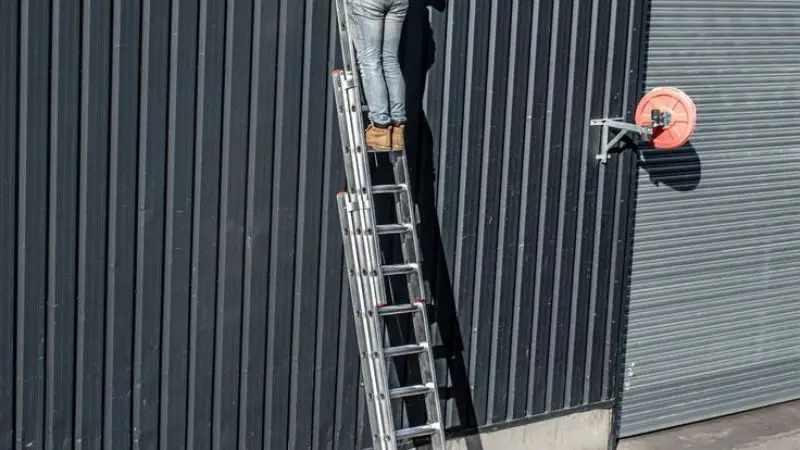
Weight Capacity
When selecting extension ladders, check the duty rating first. This rating indicates the maximum weight the ladder can safely support. You might see words like “Type I” or “Type II” on the label. These types show the maximum capacity for each ladder. If you carry heavy tools or supplies, you want a ladder with a higher duty rating. Here’s a quick table to help you understand the most common ratings:
| Duty Rating | Load Capacity (lbs) | Best For |
| Type III | 200 | Light household tasks |
| Type II | 225 | Painting, cleaning |
| Type I | 250 | Heavy-duty home use |
| Type IA | 300 | Professional projects |
| Type IAA | 375 | Industrial, extra heavy |
Usage Needs
Consider how you plan to utilize your ladder. If you only need it for simple tasks like changing a light bulb, a lower duty rating is sufficient. If you plan to use it for large projects or if you carry a lot of gear, you need a ladder with a higher capacity. Ask yourself these questions:
- Will you use the ladder for home or work?
- Do you carry heavy tools or paint cans?
- Will more than one person use the ladder at the same time?
If you answer yes to any of these, pick a ladder with a higher duty rating. This makes it the safest extension ladder for home use, helping your ladder last longer.
Ladder Material Selection
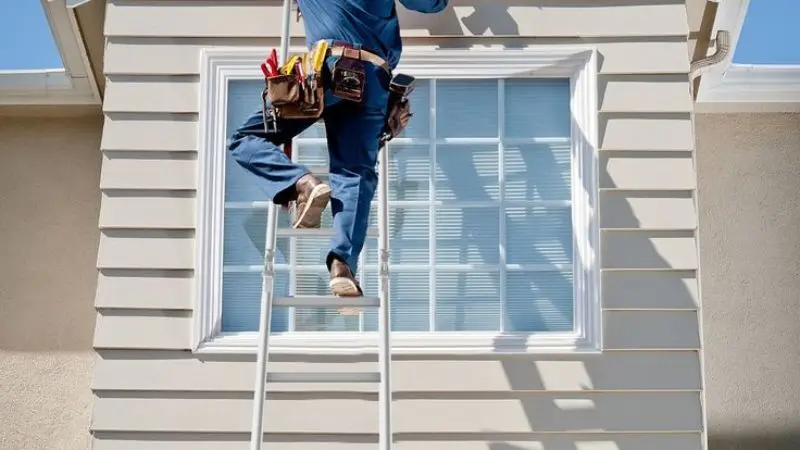
Material Comparison
When shopping for extension ladders, you will encounter three primary materials: fiberglass, aluminum, and wood. Each one has its own strengths. You want to select the material that fits your job and keeps you safe.
- Fiberglass ladders do not conduct electricity. If you work near power lines or wires, this is the safest choice. Fiberglass also withstands the weather well. It does not rust or rot. You can use it outside in the rain or sun, and it will last a long time.
- Aluminum ladders are light and easy to carry. If you work alone or frequently need to move your ladder, aluminum makes your job easier. It does not rust, but it can bend if too much weight is applied to it. Never use aluminum near electricity, as it conducts electricity.
- Wood ladders feel sturdy and do not conduct electricity when dry. They work well for indoor jobs. Wood can become heavy, and it may rot or crack if left outside. You should inspect wood ladders for damage before each use.
Here’s a quick table to help you compare:
| Material | Weight | Weather Resistance | Electrical Safety | Durability |
| Fiberglass | Medium | Excellent | Yes | High |
| Aluminum | Light | Good | No | Medium |
| Wood | Heavy | Poor | Yes (when dry) | Low-Medium |
Safety Factors
You want your ladder to last and keep you safe. Think about where you will use it. If you work outdoors a lot, fiberglass provides the best durability. If you need to move your ladder up and down stairs or across your yard, aluminum saves your back. Always check for cracks, bends, or loose parts before you climb.
If you plan to use your ladder in wet or humid environments, avoid wooden ladders. Suppose extension ladders are required for painting high walls. It can get slippery or weak. For jobs near power lines, never use aluminum. Safety comes first every time you climb.
Features for 2025 Extension Ladders
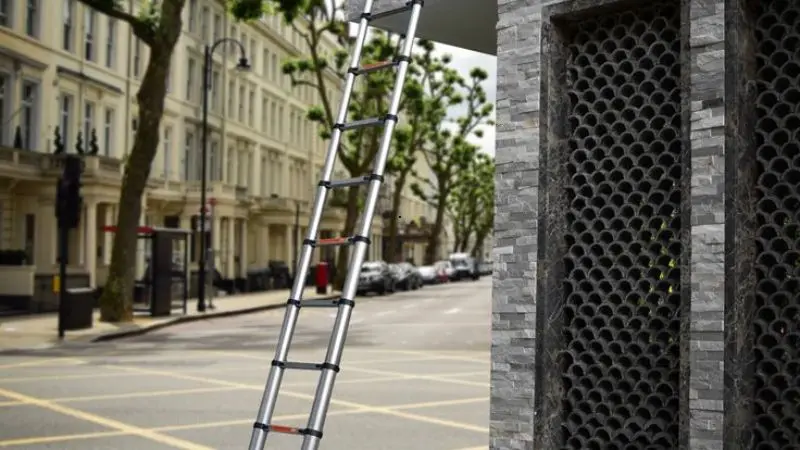
Safety Upgrades
You want to feel confident every time you climb. In 2025, manufacturers have added new safety features to extension ladders. You see wider, slip-resistant rungs that help your feet stay secure. Some ladders now have built-in stabilizer bars. These bars keep your ladder steady, even on uneven ground. You also notice locking mechanisms that click into place. These locks stop the ladder from sliding or folding when you climb.
Many ladders include bright safety labels. These labels indicate the safe standing height and warn you about potential electrical hazards. You can check these labels before you start your project. Some ladders even have anti-tip feet. These feet grip the ground, helping to prevent falls. You get maximum safety with these upgrades.
Smart Features
You want your ladder to work smarter, not harder. In 2025, you will find innovative features that make your job easier. Some extension ladders come with built-in sensors. These sensors alert you if the ladder is not level. You hear a beep or see a light flash. This helps you adjust the ladder before you climb. You can track ladder attributes with a mobile app. The app shows you the ladder’s height, duty rating, and last inspection date.
You scan a QR code on the ladder to get this info. Some ladders have tool trays that fold out for easy access. You place your paint can or screwdriver right where you need it. Manufacturers also offer ladders with LED lights. These lights help you see in dark spaces. You get more control and less stress. Innovative features save you time and boost your safety.
Conclusion
Choosing the right extension ladder can seem easy when you follow a few simple steps. First, select the type and size that best fit your project. Next, check the duty rating and material. Look for new features that help you stay safe and secure. Always match your ladder to your job and space. Quick Checklist:
- Pick the right ladder type
- Check ladder height and reach
- Confirm duty rating
- Choose the best material
- Look for safety and smart features
Stay safe and try new ladder tech in 2025!
FAQ
How do you store an extension ladder safely?
You should keep your ladder in a dry spot. Lay it flat or hang it on sturdy hooks. Make sure kids and pets can’t reach it. Check for damage before you use it again.
Can you use an extension ladder on uneven ground?
No, you shouldn’t. Extension ladders need a flat, solid surface. If the ground isn’t level, use a ladder stabilizer. This helps keep you safe and prevent falls.
What is the best way to clean your ladder?
Wipe your ladder with a damp cloth. Remove dirt and dust. For sticky spots, use mild soap. Dry it thoroughly before storing. Don’t use harsh chemicals.
How often should you inspect your ladder?
Before every use, inspect your ladder for cracks, loose parts, or bent rungs. If you see damage, don’t use the ladder. Safety comes first!