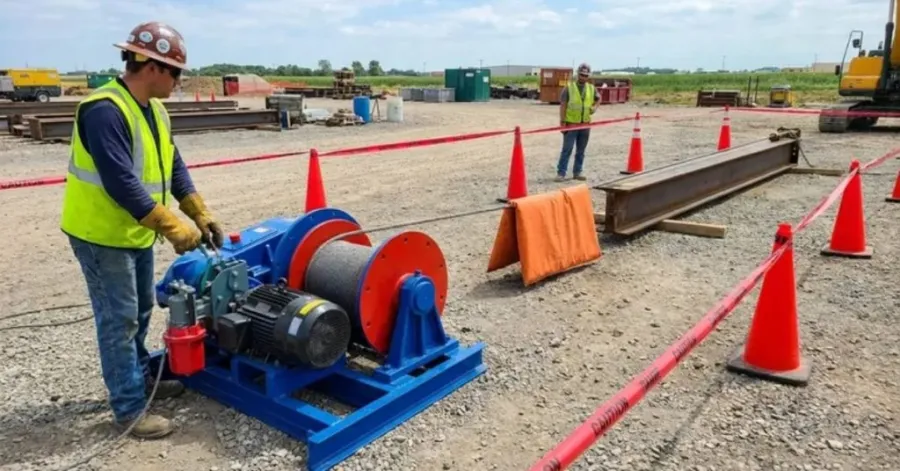
Whenever you operate an electric cable winch, safety comes first. Simple safety procedures can help prevent accidents, safeguard personnel in the area, and keep the machine in proper operating condition for a long time. Always read the manufacturer’s instructions before operating the winch and check the cable, hooks, and controls for damage. Wear suitable safety gear, including gloves and safety boots, and do not exceed the winch’s weight capacity. Keep the working area clear. Do not stand in line with a laden cable while the winch is in operation. Good safety practices and frequent maintenance will improve performance, reduce hazards, and make the work environment safer for everyone involved.
In this article, we will discuss crucial safety advice for cable winches, proper operating techniques, and maintenance practices to help prevent accidents and enhance performance. You will also learn how to inspect your winch, use safety equipment properly, and set up a safer work environment when performing lifting and pulling jobs.
- Why Safe Electric Cable Winch Operation Matters
- Step 1 – Inspect the Electric Cable Winch Before Use
- Step 2 – Wear Proper Safety Gear and Prepare the Work Area
- Step 3 – Set Up the Electric Cable Winch Correctly
- Step 4 – Operate the Electric Cable Winch Safely and Efficiently
- Step 5 – Safely Disconnect, Store, and Maintain the Winch
- Essential Electric Cable Winch Safety Tips for Beginners
Why Safe Electric Cable Winch Operation Matters
Common Hazards of Incorrect Winch Usage
If you don’t follow the appropriate safety tips for the best electric cable winch for heavy lifting, you are at considerable risk. Neglecting safety precautions can cause injuries, equipment damage, and unsafe conditions in the workplace. A malfunctioning or overburdened wire may fail suddenly and strike those nearby. If the winch is overloaded, it can break or fail under pressure. Loose hooks, weak connections,s or insecure anchor points may cause unexpected load movement. Loose cables or tools in congested work environments also cause trips and falls. Correct application of winch safety protocols helps to keep people, equipment, and work surroundings safe.
Benefits of Following Proper Winch Safety Procedures
How does an electric cable winch work? If you follow the safety requirements, you safeguard yourself and your equipment. You make your work easier and faster, too. Here are some advantages:
- You prevent accidents and injuries.
- You hold the winch on for a long time.
- You save money by avoiding repairs.
- Clear directions inspire confidence.
Safe winch operation allows you to do your work without issues. You learn to trust yourself and the machine. You follow the rules, you lead by example. Each time you use a winch, you demonstrate that safety counts.
Step 1 – Inspect the Electric Cable Winch Before Use
You must examine everything very carefully before you start using your industrial electric cable winch applications. This step is to help you stay safe and avoid any trouble. Clear instructions and recommendations can help you safeguard yourself and your equipment.
Check the Wire Rope or Steel Cable for Damage
Before you start using the electric cable winch for construction sites, you should inspect the steel cable or wire rope. Look for frayed strands, broken wires, or rust. If you notice any damage, replace the cable at once. Damaged cables may snap, causing further damage. Ensure the cable is solid with the right accessories.
Examine Winch Components and Mounting Points
All sections of the best electric cable winch for heavy lifting should be inspected. Check the motor, controls, and drum. Make sure the winch is clamped securely in the mounting positions. Loose nuts or defective brackets might make the winch unsafe. Look for leaks or wear. Correct any flaws before you use the winch.
Verify Load Capacity and Operating Conditions
How does an electric cable winch work? To know, read the label or guide. Never try to lift any weight heavier than the capacity of the winch. You also have to check the weather and ground conditions. The winch can be a bit harder on wet or muddy ground. Always follow the manufacturer’s directions. You want your cable winch to go smoothly and keep you safe. You take the directions and wear the right accessories. This process may help you avoid accidents and keep your winch in good condition.
Step 2 – Wear Proper Safety Gear and Prepare the Work Area
Essential Personal Protective Equipment for Winch Operators
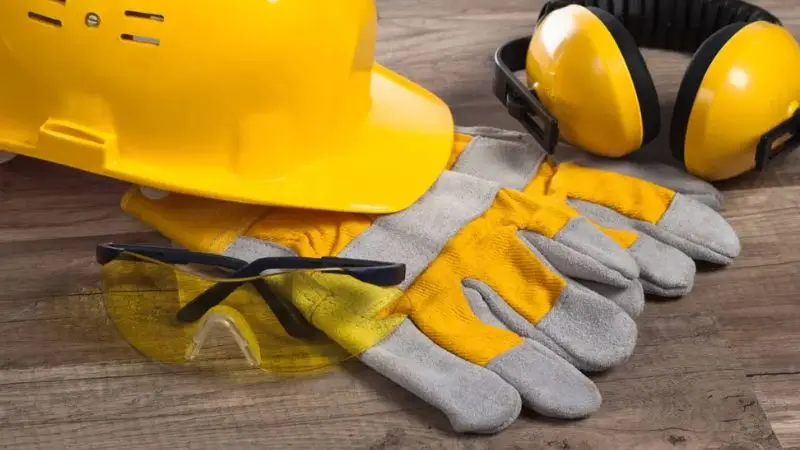
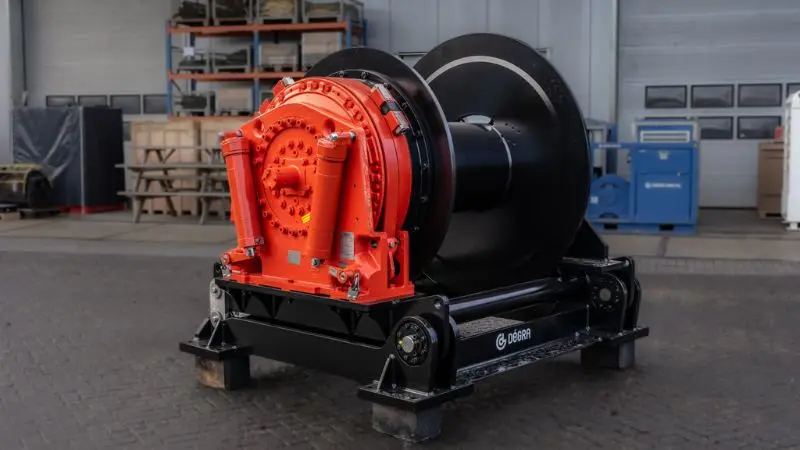
Before you begin operating an industrial electric cable winch applications, you need to wear the required equipment. Safety precautions will help you protect yourself from injury. Gloves protect your hands from dangerous cable strands. Safety glasses protect your eyes from flying debris. Steel-toed boots protect your feet from heavy objects. falling on them. If you work around overhead risks, you also need to wear a hard hat. High-vis apparel makes you easier to spot. You follow instructions when you choose PPE that fits well and conforms to the manufacturer’s requirements.
Clear the Area of Obstacles and Bystanders
You need to get the work area right. Remove tools, rocks, and other trip hazards. Keep the ground flat and level. Warn folks to keep clear of the winch and cord. This provides a clear area around the winch, and all are safe. Mark off areas people can’t go using cones or tape. You follow orders and keep the place clean and safe.
Position the Vehicle or Equipment Correctly
And you need to park the vehicle or equipment in the proper area. Ensure the winch is aligned directly with the load. The cable should run in a straight path. You avoid side pulls that can damage the electric cable winch for construction sites. If feasible, use the parking brake and turn off the engine. Check that the mounting points are tight. There are principles for winching that help keep things stable.
Step 3 – Set Up the Electric Cable Winch Correctly
Secure the Anchor Point Safely
You need good anchor points before you start winching. Find a large object such as a tree, a large boulder, or a car of decent weight. Be certain that the anchor isn’t going to shift when you pull it. Use a tree strap or chain around the anchor. Use the correct equipment to protect your cable and anchor. Be safe. Always keep yourself and others safe.
Properly Attach the Winch Hook and Cable
You should correctly attach the electric cable winch for material handling. Open the hook lock and connect to the anchor strap or chain. Make sure the hook is facing up. This stops the hook from falling out if the cable turns slack. Before you start tugging, make sure the hook is secure. If you use a shackle, tighten it hand-tight, then back off by one-quarter turn. This prevents the shackle from sticking.
Maintain Correct Cable Alignment
Keep the electric wire rope winch for warehouses straight and centered on the winch drum. Don’t follow the wire trail. Don’t bend the cable hard; guide it softly. If the cable twists when winding, stop and fix it before proceeding. The wires can become misplaced, and the cables can get tangled, damaging the winch. See your handbook for best results. If the winch is aligned properly, it will run smoothly and safely.
Step 4 – Operate the Electric Cable Winch Safely and Efficiently
Apply Smooth and Controlled Winching Techniques
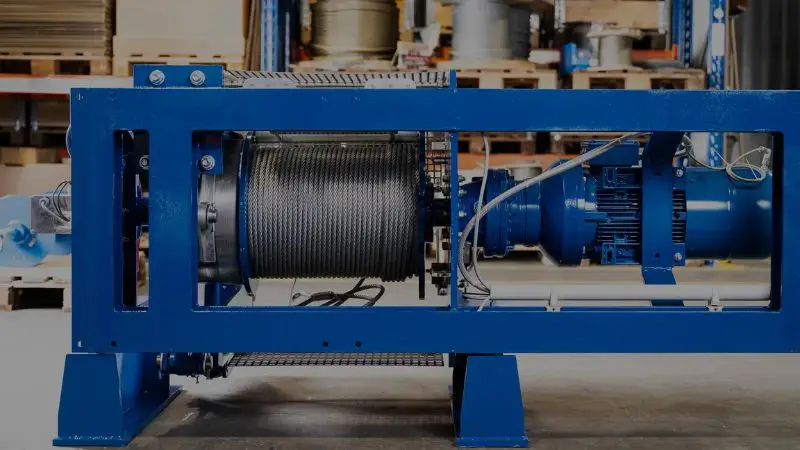
Use smooth, steady movements only while using industrial electric cable winch applications. Sudden jerks or stops will damage the cable or the load. Winch control switch. Turn on. See the cable being pulled in or out. Stop immediately if you notice the wire bunching or twisting. All right, but make sure you tighten the cable before you go. This is the finest for safety. You are in charge.
Monitor Load Movement Throughout the Operation
How does an electric cable winch work? You’ll need to watch the load very closely at all times. Make sure you are in a safe position where you can see the cable, the winch, and the load. Stop the winch if you observe the load shifting or the cable fraying. Check for problems before you proceed. If you work with other people, use hand signals or radios. Good communication prevents mistakes and ensures everyone is safe.
Avoid Overloading the Winch
You should never pull more weight than your winch can handle. Before you begin, check the winch’s load rating. If you try to move a cargo that is too heavy, you can break the winch or snap the rope. This can lead to significant injury. If you are not sure of the weight, use a load scale. Read and follow the manufacturer’s instructions to protect yourself and your equipment.
| Do’s | Don’ts |
| Check load rating | Guess the weight |
| Use a load scale | Ignore warning signs |
| Stop if overloaded | Force the winch |
You keep yourself and others safe when you use the electric wire rope winch for warehouses properly. Careful operation helps your winch last longer and work better.
Step 5 – Safely Disconnect, Store, and Maintain the Winch
Release Tension and Disconnect Equipment Properly
Remove all strain from the rope before disconnecting any component of the electric cable winch for material handling arrangement. Switch off the winch and secure the load. Keep out of the way of the cable. Slowly let slack out with the winch controls. Never hurry this step. When the rope is slack, the hook can be securely removed from the anchor point. Always follow the directions for this technique in your winch manual.
Re-spool the Cable Correctly
You will need to respool the cable onto the drum correctly. This will preserve the cable in good shape for future use. Wear gloves to protect your hands. Wind the cable on the drum in even layers. Make sure the cable is not coiled or overlapping. If you see kinks or twists, stop and repair them immediately.” Nice cable. Reduces jams and damage.
Perform Routine Electric Cable Winch Maintenance
Your winch needs to be regularly inspected to keep it operating properly. Check for wear, rust, or broken pieces. After each use, clean the winch. Lubricate moving parts as needed. Keep the winch in a dry place. Regular Maintenance: Follow the manufacturer’s recommendations. Proper maintenance will ensure your winch operates properly every time and lasts longer.
| Maintenance Task | How Often |
| Inspect cable | Every use |
| Clean winch | After each use |
| Lubricate parts | Monthly |
| Check bolts | Every use |
Essential Electric Cable Winch Safety Tips for Beginners
Never Step Over a Tensioned Winch Cable
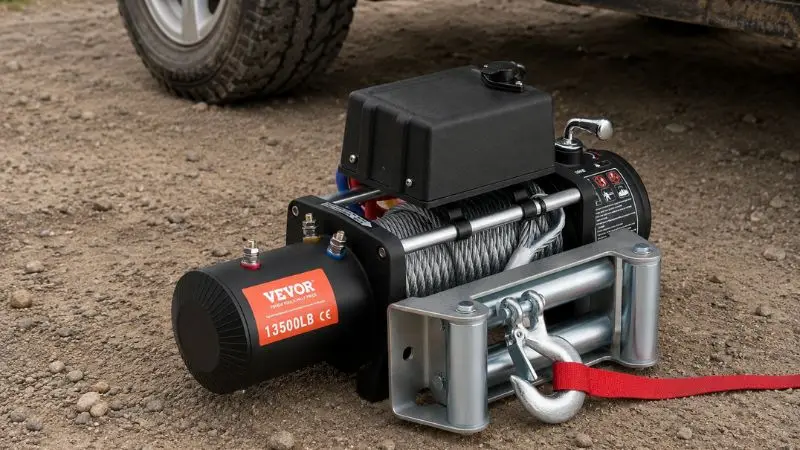
Do not step over a tight electric wire rope winch for warehouses. The cable is under a lot of strain. If it snaps back, it can whip fast. This can lead to significant injury. Never step on the cable; always go around it. Show others how to do the same. This basic guideline is your best protection for your team and yourself.
Use a Cable Damper for Added Protection
The electric cable winch for construction sites requires a cable damper for enhanced safety. You slack off on the center of the cord. If the cable snaps, the damper helps to arrest it. That decreases the chance of injury. You can use a specific damper or a heavy blanket. Before you start winching, make sure the damper is on the cable.
Follow Manufacturer Instructions at All Times
You need to read and follow the winch manufacturer’s instructions. These instructions explain how to operate the winch safely. They tell you the best approach for installing, operating, and repairing your equipment. Rules can be variable from winch to winch. I’ve been trying to reach you all day. By following the guidelines in the manual, you keep yourself safe.
Conclusion
Follow these procedures in order to make safe use of an electric cable winch. Make sure you put on your protective gear first. Clear the path and arrange your workspace. Not only is it necessary to go slowly and deliberately, but it is also necessary to carefully set up the winch. It is crucial to check your winch often to ensure it is in good condition. Always be careful to read the directions that come with the product properly before you start using it.
FAQ
What should you check before using a winch?
You should inspect the cable for damage, check all winch parts, and confirm the load capacity. Always read the manual before using a winch. This helps you spot problems early and keeps you safe.
How do you stay safe when using a winch?
Wear gloves, boots, and safety glasses. Clear the area of people and obstacles. Stand to the side when using a winch. Never step over a tight cable. Always follow the safety tips in the manual.
Can you use a winch in the rain or mud?
You can use a winch in wet or muddy conditions, but you must take extra care. Wet ground can make using a winch harder. Check your footing and keep the cable clean. Always dry and maintain your winch after use.
What is the most important rule when using a winch?
The most important rule is never to overload the winch. Always know the weight of your load before using a winch. If you are unsure, ask for help or use a scale. This keeps you and your equipment safe.
How often should you practice using a winch?
You should practice using a winch with light loads often. This helps you build skill and confidence. Regular practice makes using a winch easier and safer. You learn how to handle problems before they become serious.