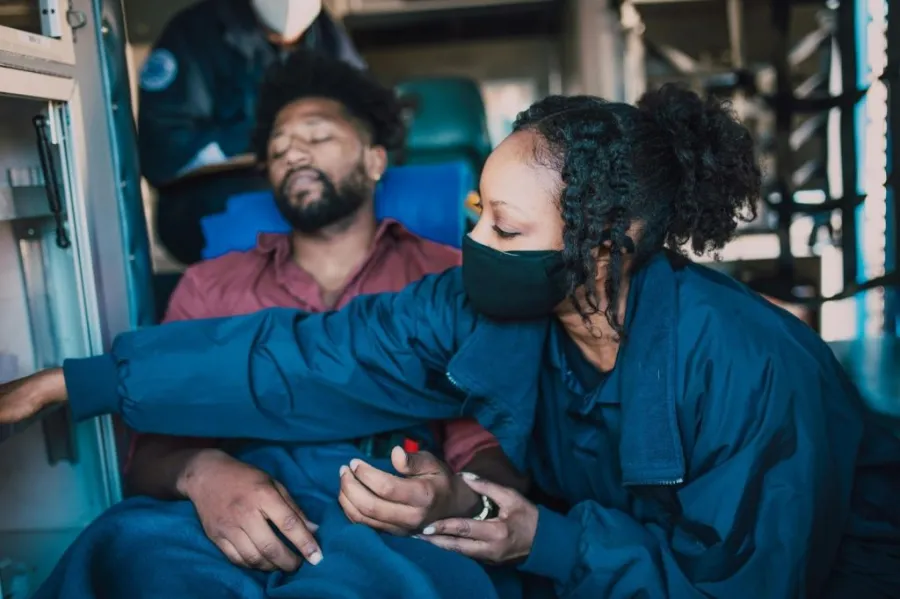
Living in a region with extreme cold causes many serious health issues if precautions are ignored. One of the most common is frostbite, in which the skin and underlying tissues freeze after being exposed to very cold weather. It causes numbness after a few minutes if first aid is not provided.
Understanding DIY frostbite first aid with an essential first aid kit becomes important before giving professional medical treatment. It gives you confidence to respond correctly and calmly in an emergency situation of mild frostbite treatment. This article will go through the necessary frostbite aid you must know. Let’s begin!
How to recognize frostbite early
The first important thing is to recognise the symptoms early so you can prevent severe injury. Frostbite often occurs suddenly, and many people do not recognise its symptoms until the damage has progressed. Here are the signs to note:
Numbness or tingling
The first aid for frostbite sign is a needling sensation in the skin. Hands, feet, nose, and toes are the areas to catch frostbite. First, it feels cold, and then it begins to lose feeling. The numbness is due to the decrease in blood flow in these areas.
Pale, white, or grayish skin
The skin changes its colour and appears pale, grayish yellow, or white. It is due to the construction of blood vessels to conserve body heat.
Waxy or firm skin texture
After some time, the skin may feel hard, waxy, and stiff. It can feel smooth or shiny.
Loss of sensation
In severe cases, the affected area feels completely numb. There is no feeling of sensation, pain, or touch. This is a sign of seriousness and for taking immediate action.
Identifying these symptoms early gives you chances to begin DIY frostbite aid before any permanent damage.
Immediate steps to take
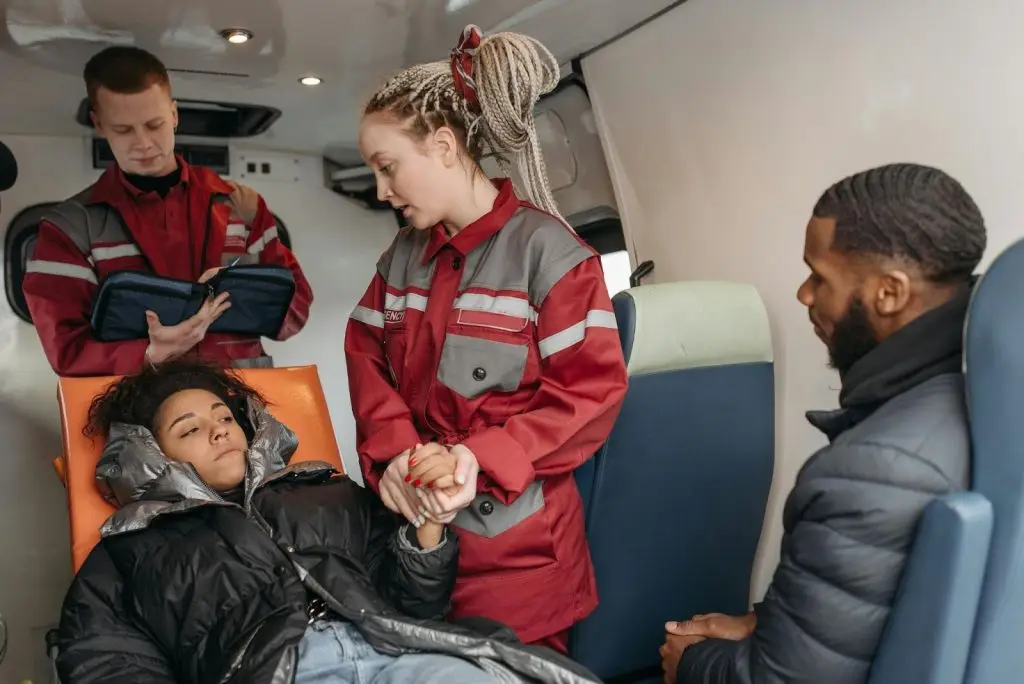
In frostbite suspection, you have to act quickly but calmly. Don’t hesitate to know how to do first aid for frostbite as we will guide you. Your main goal is to stop further cold exposure and prevent severe tissue damage. Take these steps immediately to avoid any serious loss.
Move to a warm, sheltered area
First of all, simple first aid for frostbite is you have to get out of the cold area as soon as possible. Seek indoor places that can be an insulated room or a warm vehicle. Cold wind can make the situation worse even if the temperature is not low.
If you don’t have any sheltered area nearby, cover the affected area with the help of any thick cloth or the warmth of your hands.
Remove wet or tight clothing
Wet clothing catches a cold and speeds up heat loss. This increases the risk of freezing. Remove wet socks, gloves, boots, or jewellery like rings and watches.
These tight items can slow down blood circulation and make tissue damage worse. Replace the wet items with dry and loose clothing. You can also wrap the affected area with soft fabric.
Warm the affected area gradually
Remember not to apply pressure to the affected area because the skin is fragile and it can be damaged. Giving warmth is necessary, and if you have moved to a sheltered area, you can rewarm slowly and gradually. Use lukewarm water that skin can bear. If it is not available, use body heat to regain circulation.
Learn how to make a DIY smokeless fire pit to keep yourself warm.
Use body heat if necessary
Note these immediate steps to help the affected person from frostbite:
- Place frostbitten fingers under your armpits for complete warmth.
- Cup your hands around nose or ears to stop the cold air entering the body
- You can use your body warmth to warm the frostbitten skin. It is better than using artificial heat sources.
These steps are described in detail to improve the effectiveness of DIY frostbite first aid and reduce the risk of complications.
How to rewarm safely
Rewarming correctly is a necessary and delicate part of DIY frostbite first aid. The correct way can avoid serious complications.
Soak in lukewarm water
Soak the affected area in lukewarm water ranging between 37° to 39°C. The water should be warm but not too hot. Soak for about 15 to 30 minutes, and the skin can turn slightly red or swollen as the circulation begins.
Avoid hot water
Do not use hot water, direct heat, or heating pads. The affected skin is numb and can burn easily without you knowing it. So it’s best to avoid hot water on frostbitten skin/area.
Do not rub or massage the skin
Rubbing the frostbitten skin can cause internal damage to the skin. There may be ice crystals in the tissue, and friction can harm the injury.
Loosely cover with sterile dressings
After rewarming, dry the area gently and cover it with a loose dressing. Use soft gauze to separate fingers and toes. These careful measures ensure DIY frostbite first aid supports healing.
You can store all important medical first aid items in a plastic rolling cart for easy access.
Vevor Stainless Steel Medical Cart – 2-Layer Utility Trolley with Drawer & 360° Silent Wheels
What not to do
There are certain things to avoid that can worsen the frostbite situation.
- Do not use a direct heat source: Never use hot water bottles, heating pads, fireplaces, hair dryers, or heaters directly in the affected skin. Skin is numb, and it can not feel burned, but applying heat directly can damage the skin tissues.
- Do not break blisters: After rewarming, blisters may form. Do not break them as they protect the underlying tissue and reduce infection risks. If you break them, raw skin will be exposed, and complications will increase.
- Avoid walking on frostbitten feet: if feet and toes are frostbitten, avoid walking. Pressure and friction can burst the skin tissues and delay healing.
- Do not swarm in a refreezing environment: If you are sure the area will not freeze again, only then begin rewarming. It is because refreezing after thawing causes more damage and leads to permanent tissue injury.
Avoid the use of alcohol and smoking during recovery because they reduce circulation. These points are necessary to understand to strengthen your approach to DIY frostbite first aid.
When to seek medical attention
Mild frostbite can improve with careful home treatment but certain warning signs indicate immediate medical care.
Severe discoloration
If the affected skin turns dark purple, blue or black, it indicates tissue damage. You need to get immediate help.
Persistent numbness
After rewarming, if the feeling of numbness lasts for hours, you need to see a doctor. Loss of feeling shows nerve damage. To prevent dangerous numbness in the wild outdoors, read our essential winter car camping safety tips here.
Signs of infection
Check for increased redness, swelling, fever, or pus. Infection can develop after frostbite and immediate cure is needed.
Large blisters
Large blisters should be treated by healthcare professionals because they require specialized wound care.
Swelling or Intense pain
Deep pain during rewarming indicates severe frostbite. Medical treatment is needed for proper treatment.
You should not hesitate to seek medical care when practising DIY frostbite first aid if symptoms appear severe.
FAQs
How long does frostbite take to occur?
It just takes 30 minutes to catch frostbite. In extreme cold and wind, it can take 5 to 10 minutes to happen.
Can frostbite heal on its own?
Frostbite on a mild level can cure itself with proper rewarming. Severe frostbites require medical treatment. Ignoring warning signs can cause serious loss.
Is numbness always frostbite?
No, not always. Mild frostbites can cause temporary coldness without numbness. Numbness is due to tissue freezing, and if you find persistent numbness, you should seek medical help.
What temperature causes frostbite?
Frostbite can occur below 0°C. Cold wind can increase it by increasing the loss of heat.
Conclusion
Living in a colder region is beneficial and enjoyable, but taking care of your health is a basic responsibility for everyone. Frostbite is common in colder areas, and everyone living there must know the DIY frostbite first aid for immediate help.
Knowing the basic first aid tips for frostbite can allow you to warm quickly, remove wet clothing, and rewarm safely. For finding severe symptoms, you have to seek medical treatment immediately. Cold weather brings awareness, informed action, and preparations. Stay warm and follow these tips in case of catching frostbite around you, and save lives.