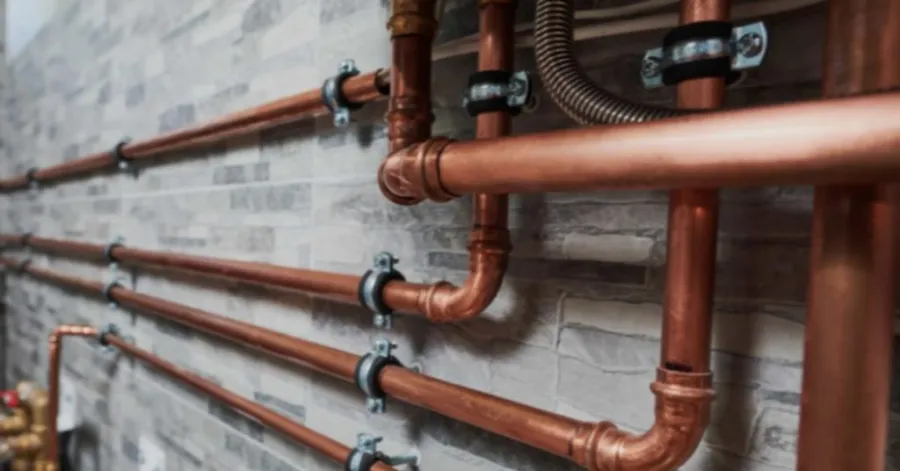
Copper plumbing is commonly used in houses because it is robust, durable, and corrosion-resistant. The cost of copper plumbing pipes, however, can fluctuate depending on the type, size, installation process, and the market. Homeowners are increasingly concerned about the price of copper plumbing pipes in 2026 as building and renovation costs continue to climb. Modern equipment, such as the ProPress electric crimping tool, can enhance installation speed and minimize workload, yet material cost has the greatest impact. Pricing factors like the price per foot of copper pipes and the total installation cost can be understood and used to make better budgeting decisions.
Key Factors That Affect Copper Plumbing Pipe Cost
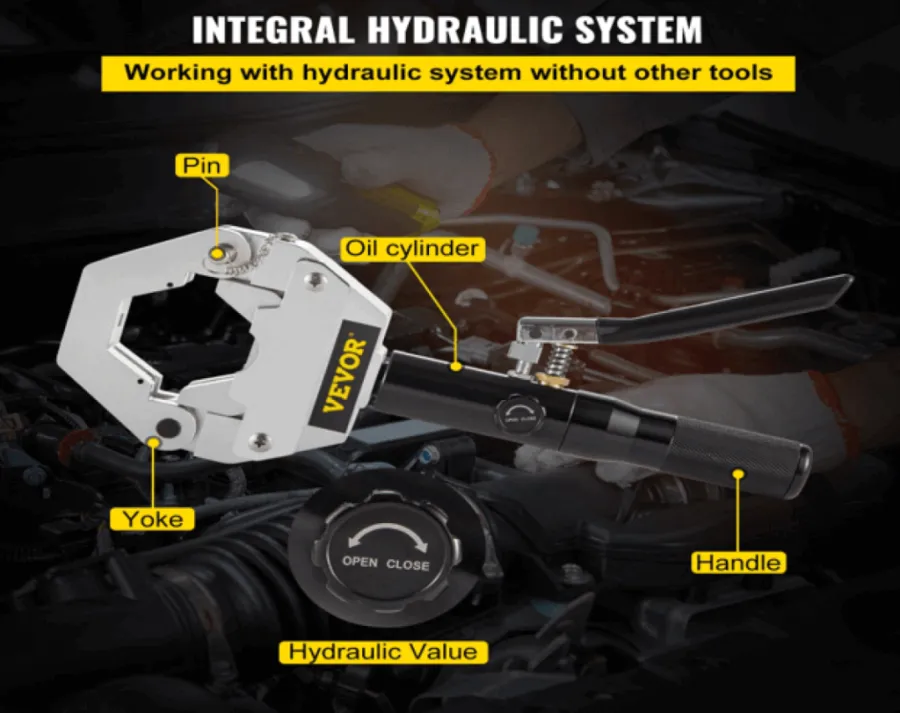
The overall cost of copper piping is not set in stone, as it varies with many real-life factors. The budget will be affected by every step, starting with the cost of the raw materials, then the cost of installation. Electric crimping tools, including the ProPress electric crimping tool, are important in both minimizing the amount of labor time in plumbing and increasing the reliability of a joint in plumbing today. As the plumbing system changes in 2026, understanding of these cost drivers will aid in estimating a more accurate plumbing cost of copper pipes to homes and projects.
Copper Market Price Fluctuations
Copper plumbing pipes are most sensitive to the worldwide copper market circumstances. Copper is a metal that is bought and sold, and therefore, it varies every day based on its demand, mining capacity, and other factors related to world trade. Copper price automatically increases the price per foot of copper pipe, triggering a rise in the cost of whole plumbing projects as soon as copper prices increase. The 2026 pricing will be dynamic as the market is unstable, and there is a need to establish the market. Any slight shift in the price of raw copper would result in a radical change in the overall price of copper pipe to the home plumbing industry, especially in settings where a long run of pipe would have to be laid.
Pipe Thickness and Grade Differences
The final cost of copper plumbing pipes also depends heavily on pipe quality. Increased copper thickness and quality make the pipes more resilient, corrosion-resistant, and suitable for high-pressure systems; however, at a higher cost. When it comes to residential plumbing, the selected grade should balance performance and cost. When contractors use modern joining systems, such as the ProPress electric crimping tool, they tend to use standard fittings and high-quality pipes to ensure a leak-free connection. This mixture enhances efficiency but may raise the price of installing copper pipes, particularly in modern housing systems that are built to be reliable over time.
Supplier and Transportation Costs
Copper pipe plumbing rates also vary according to where you buy the materials. Domestic suppliers can offer competitive prices, whereas imported raw materials may incur additional costs such as shipping and handling charges. In recent years, transportation costs have been rising, which has an impact on the overall plumbing budgets. Purchasing in large volumes reduces the cost per foot of copper pipes, but small residential jobs might not be well represented by wholesale prices. As of 2026, the condition of logistics and supply chains will continue to dictate the price of copper pipes in home plumbing systems, especially in regions without a major distribution center or where plumbing supplies are specialized.
Installation Complexity
The other major factor that influences the price of copper pipe installation is the installation difficulty. Simple straight-line plumbing is cheaper, and a complicated layout with many bends, joints, and confined spaces is more labor-intensive. Installations can also be made easier with new equipment, such as the ProPress electric crimping tool, which can replace the previous method of soldering, which is slower and less reliable for making joints. It, however, still needs skilled work to keep its quality, fitting, alignment, and pressure check. In more advanced plumbing, faster installation techniques can be employed to save on labor costs of the installation, although the price of materials and tools setup can also still make a significant contribution to the overall price of copper plumbing pipes.
Types of Copper Pipes and Their Price Differences
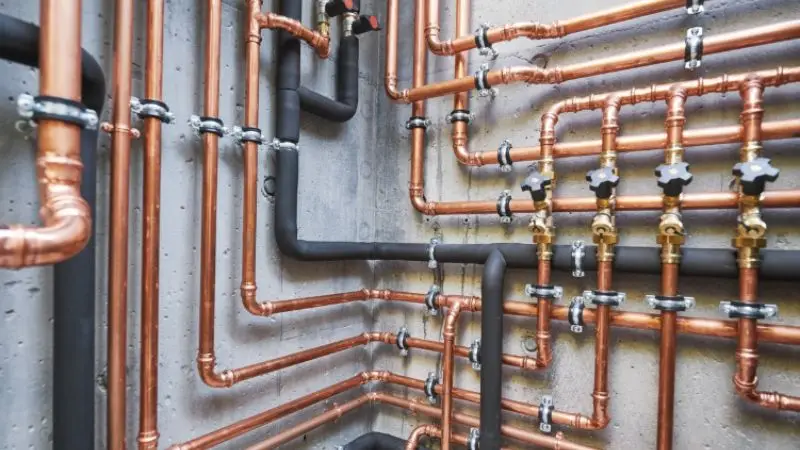
The right type of pipe is directly related to the total price of copper plumbing pipes, particularly in the design of residential or commercial plumbing systems. All varieties of copper pipes have varying levels of strength, durability, and cost, which also influence the system’s performance and long-term maintenance. Consequently, the plumbing cost of copper pipe in 2026 also depends on the type of pipes used, based on the project size and how it is installed.
Type K Copper Pipes (Heavy-Duty Use)
The thickest and strongest type of copper pipes is known as type K, and is used primarily as underground water supply lines and heavy-duty plumbing systems. They are the most expensive copper plumbing pipes due to their durability and long lifespan. Their greater thickness also increases the price of copper pipes per foot, making them more suitable for projects where cost savings are less crucial than strength and reliability. In large infrastructure or commercial applications, Type K is commonly used in combination with the modern joining system, such as the ProPress electric crimping tool, to provide secure fittings in high-pressure conditions. It also makes installing copper pipes more expensive but ensures greater stability over time and lower maintenance requirements.
Type L Copper Pipes (Standard Residential Use)
The most commonly used type of copper pipes in residential plumbing systems is type L. They offer a moderate balance of reliability and cost-effectiveness, making them a good option for use as water supply lines in households. They are moderately priced in terms of their copper pipe when compared to the heavier-grade pipes and are therefore suitable for our daily lives. Type L copper plumbing pipe is typically constant, though the price is still relative to the market and the length of the pipe. The installation is also quicker and more cost-effective when using tools such as the ProPress electric crimping tool, while still providing a high-quality joint. This helps regulate the overall cost of installing copper pipes without affecting performance.
Type M Copper Pipes (Budget-Friendly Option)
Type M copper pipes are the thinnest and the least expensive of all, and are typically utilized in low-pressure residential systems and short plumbing runs. They are commonly used in cost-effective projects, when it is important to save on the price of copper pipes per foot. They are inexpensive in terms of material costs but cannot be used in high-pressure or heavy-duty environments. Type M systems are cheaper overall due to the cost of copper plumbing pipes, although some caution is necessary during installation to ensure reliability over time. This is despite the fact that the copper plumbing pipe is likely to incur long-term costs in 2026, with the need to plan for future repairs, even when the user has high-quality tools such as the ProPress electric crimping tool.
Copper Pipe Sizes and Their Impact on Cost
The size of copper pipes is a major factor in the overall cost of copper plumbing. Larger pipes require more material, making them more expensive and more challenging to install. Smaller pipes are cheaper but are used for limited water flow. In most households, plumbers do not use the same size in all areas as they need to balance between performance and cost. The final plumbing copper pipe cost in 2026 is strongly dependent upon the pipe size, even with fast tools such as the ProPress electric crimping tool, since the amount of material does not vary with the tool.
Common Pipe Sizes Used in Homes
Copper pipes found in most homes are available in 3 common sizes: 1/2 inch, 3/4 inch, and 1 inch. Sinks, showers, and other small water outlets are fitted with 1/2-inch fittings. Main water lines within the house are 3/4 inch in size. It is 1 inch in size when a greater amount of water flow is required. The price of copper pipe used in house plumbing varies with the size of the pipe, in that the bigger the pipe, the more copper it requires. The rates of copper plumbing pipes are controlled by size, even when installers are working faster with the ProPress electric crimping tool, since the amount of copper used in larger pipes is greater.
Why Bigger Pipes Cost More
Larger pipes consume more copper and are therefore always more expensive. The size of the pipe increases the quantity of material required to manufacture each foot, and this directly correlates with the copper pipe price per foot. This increases the overall price of copper plumbing pipes in the project as well. Main water supply lines that require high water pressure are usually made of large pipes. Although equipment such as the ProPress electric crimping tool can make the installation quicker and easier, it cannot decrease the amount of material that is used. This is why size is among the key variables in the total cost of copper pipe installation.
@milusos502 En trabajo sacas la inversion #vevor #vevorpresstool #fentysuperbrandday #dealsforyoudays #parati
♬ sonido original – milusos502
Price Difference Between Small and Large Pipes
Small copper pipes are less expensive as they require less material, and they are easy to manage. The large pipes are more expensive, as they take more copper and hard fittings. This distinction is quite evident in complete home plumbing systems that involve multiple sizes of pipes being used simultaneously. When the size of the copper plumbing pipe is increased in the system, the copper plumbing pipe rates rise rapidly. The home plumbing copper pipe price also increases due to the tendency of the main lines to require a larger diameter. The copper plumbing pipe is still more or less costly based on the size of the pipes and the material used, even with an effective installation procedure such as the ProPress electric crimping tool.
Average Copper Plumbing Pipe Cost per Foot or Meter
The average copper plumbing prices per foot/meter would be useful in determining a plumbing budget more precisely. Pipe prices also fluctuate based on the type of pipes, their sizes, and market conditions; thus, being aware of the general price range makes it easy to determine the overall project costs. This part explains the typical pricing patterns and factors that affect them under various circumstances.
Typical Price Ranges for Different Pipe Types
The price of copper pipes per foot varies depending on the type of pipes. Type K pipes are typically the most costly because they are heavy and intended for heavy applications. Type L pipes are medium-priced and are mostly applied in houses. The most affordable type of pipe is type M, which is commonly used in light residential plumbing. The net impact of these differences is on the general copper plumbing pipe rates of any project. The price of copper piping for home plumbing is largely determined by the type of pipe and the quantity of copper, even though installation is faster with the help of the ProPress electric crimping tool.
How Regional Pricing Affects Costs
Whereabouts is also a major factor in the end copper plumbing pipe price. The prices in those regions where copper becomes easily available tend to be lower. Conversely, areas relying on imported supplies tend to have to pay more for copper plumbing pipes because of transportation and taxation. The cost of labor also differs according to the region, and this influences the overall price of copper pipe installation. Although plumbers can install efficient systems, which can help to save time on installations, the pricing of the material in the region still has a significant influence on the final cost of copper pipes per foot and the final project budget.
When Prices May Go Up Or Down
The prices of copper vary according to the world demand, mining production, and construction. The cost of the copper plumbing pipe generally rises when there is demand, particularly in the peak construction seasons. Prices can fall slightly when supply improves or demand is low. The price of copper pipes in home plumbing can also be influenced by the seasonal construction trends, whereby when the seasons are warmer, the demand rises as well. The plumbing copper pipe cost in 2026 remains highly dependent on the trends in the global market.
Installation and Labor Costs for Copper Plumbing
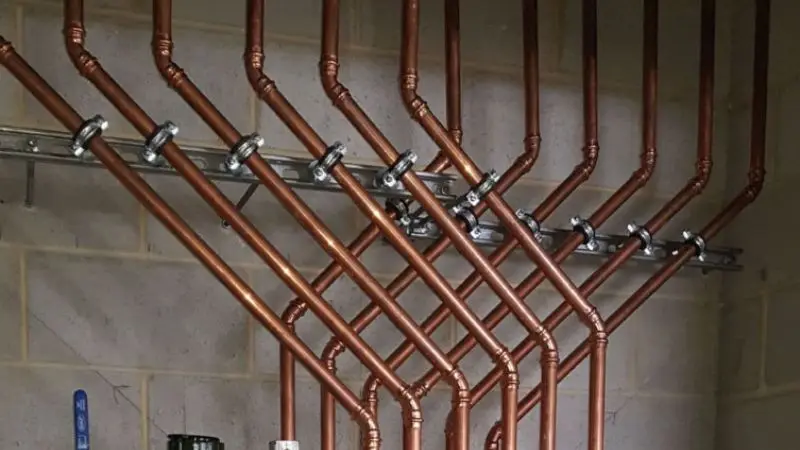
The overall cost of copper plumbing pipes includes not only the cost of materials but also installation and labor. In most situations, labor may constitute a significant portion of the final bill, particularly where the system is complicated or involves special fittings. Contemporary equipment, such as the ProPress electric crimping tool, has resulted in the increased speed and efficiency of installation, although trained workers are required to maintain safety and correct sealing. Consequently, labor pricing is significant as it can be utilized in estimating the total cost of plumbing copper pipes 2in 026 in any home or building project.
Average Plumber Labor Charges
Plumber labor rates vary with experience, area, and job complexity. In the residential projects, the plumbers are billed either on hourly rates or fixed installation rates, depending on the type of work. Basic pipe replacement is cheaper, whereas installations in whole homes are more expensive. Although tools such as the ProPress electric crimping tool save working time, the proper alignment and pressure test remains the work of the professional. This implies that installing copper pipes still requires skilled labor, which can significantly add to the cost of a complete plumbing system.
Factors that Increase Installation Costs
The cost of copper plumbing pipes can be increased during installation due to several factors. The multi-layered complex systems with several bends, narrow spaces, and multi-story systems are more time-consuming and demanding. The old houses may also require additional preparation, which increases labor costs. The size of the pipes and the type of pipes will also have some effect on the difficulty of installation, which in turn will directly affect the price of copper pipes used in home plumbing, with the labor cost factored in.
Hidden Costs Homeowners Should Expect
Homeowners usually overlook other costs that affect the final cost of copper plumbing pipes. These may be: wall opening, repair, removal of old pipes, fittings, inspection charges, and unexpected adjustments of the system. These indirect costs may make the copper plumbing pipes rates much higher than what was originally estimated. These hidden causes can inflate the total plumbing copper pipe cost in 2026 on most occasions, and therefore, it is crucial to plan adequately before undertaking any plumbing project.
Total Cost of Copper Plumbing for a Home
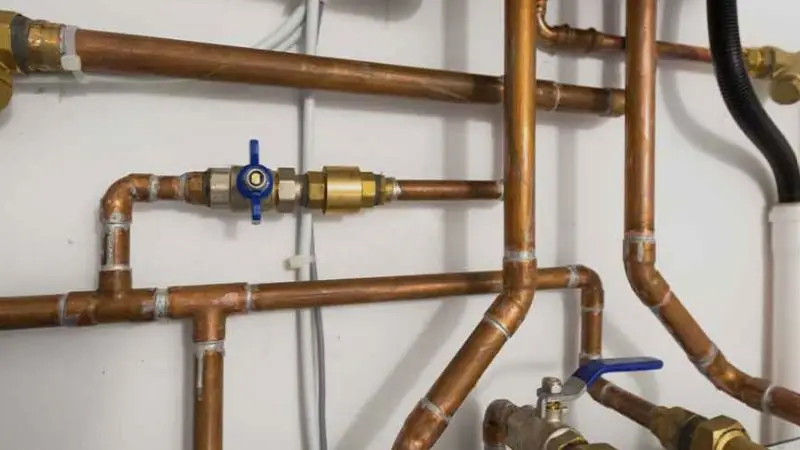
The overall cost of copper piping in a home will vary depending on the size of the home, the water points, and the layout of the home. The end result of all the above is the final budget made of material quality, pipe size, and labor. Knowing these home estimates will allow you to budget the cost of plumbing copper pipes 2026 more realistically before you begin to renovate or build a new home.
Small Apartment Plumbing Cost Estimate
A small apartment tends to have a shorter pipe system with fewer bathrooms and kitchen outlets, so the price of copper pipes used in home plumbing is relatively low. Simple water supply lines and fittings are the main factors affecting the overall cost of copper plumbing pipes in these spaces. It also requires less labor time, particularly when installers use effective equipment such as the ProPress electric crimping tool, which reduces installation time. The choice of pipe and pipe layout at that time determines the ultimate copper plumbing pipe prices, with small apartments being ultimately the least expensive.
Medium-Sized House Plumbing Cost Estimate
A medium-sized house contains a greater number of bathrooms, a longer pipe run, and various water distribution points, which in turn consume more materials and labor. The result is a more expensive copper pipe per foot of usage in the system. The increase in copper pipe prices is due to increased use of Type L copper pipes to balance performance and longevity. On the whole, medium homes show a gradual increase in the cost of copper pipe used in home plumbing compared to smaller apartments.
Large Property Or Full Replacement Cost
Big houses or entire piping replacements involve huge piping systems, which contribute greatly to the overall cost of copper plumbing pipes. These projects have longer pipe runs, more fittings, and, in critical places, higher-grade copper, which increases the overall cost of copper plumbing pipes. The price of copper pipes on a per-foot basis is a significant consideration because of the high amount of materials required. Although installations can be faster and more efficient using tools such as the ProPress electric crimping tool, the amount of work still results in high plumbing copper pipe costs in 2026, particularly when replacing the old system in its entirety.
Wrap Up
The overall price of copper plumbing is determined by several factors, such as the type of pipe, size, labor, and local prices. Although the cost of copper plumbing pipe is pegged to materials, the installation and complexity of the system can make the final cost very high. Despite the availability of effective equipment, such as the ProPress electric crimping tool, homeowners should always have a budget in mind when working out the plumbing budget to prevent some financial surprises. Comparing options, such as copper pipe price, home plumbing, and learning about copper plumbing pipe rates, will assist in making informed decisions. All in all, copper is a viable choice, and when well planned, the cost of installing copper pipes can be well controlled in 2026.
FAQ
How much is the average plumbing pipe that is made of copper per foot?
The cost of a copper pipe per foot is dependent on the type and size. Type M is the lowest priced, and Type K is the highest priced. Prices vary according to the market conditions and the availability in the regions.
What is so different about the price of copper plumbing?
The prices of copper plumbing pipes will be affected by the copper prices in the market, the thickness of the copper pipes, labor expenses, and location. Even the process of installation and installation tools, such as the ProPress electric crimping tool, has an impact on overall pricing.
Will copper plumbing be worth using in 2026?
Yes, copper is long-lasting and durable. Copper pipe in 2026 is more expensive but more reliable, safer, and longer-lasting than other plumbing materials, making it a strong contender for home plumbing.
What is the relationship between the cost of pipes and their size?
The bigger the pipes, the more materials will be used, and thus the price of the copper pipes for the home plumbing will increase. Larger diameters are also labor-intensive, thus making the installation of copper pipes very expensive.
Are there tools that can help lower the cost of copper plumbing installation?
The ProPress electric crimping tool is one of the tools that saves time and enhances productivity. Nevertheless, they do not decrease the cost of materials, and the general rates of copper plumbing pipes remain dependent on the use of pipes.