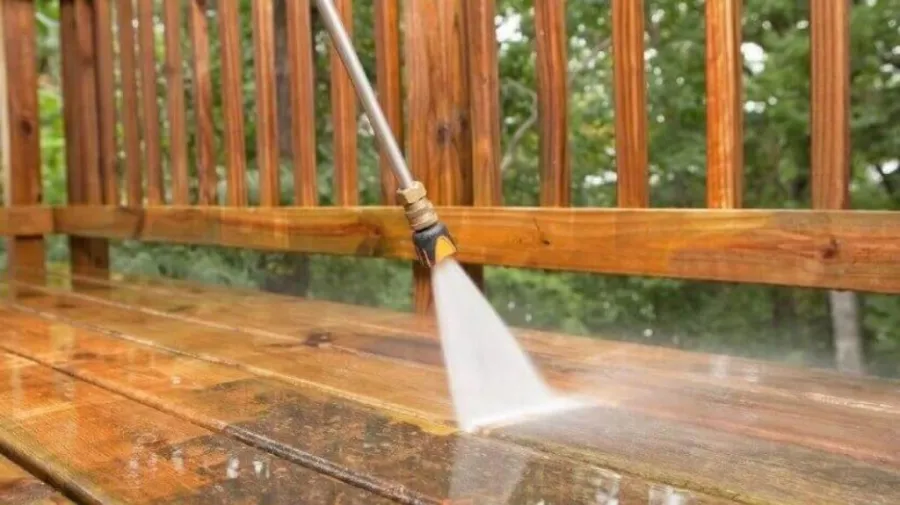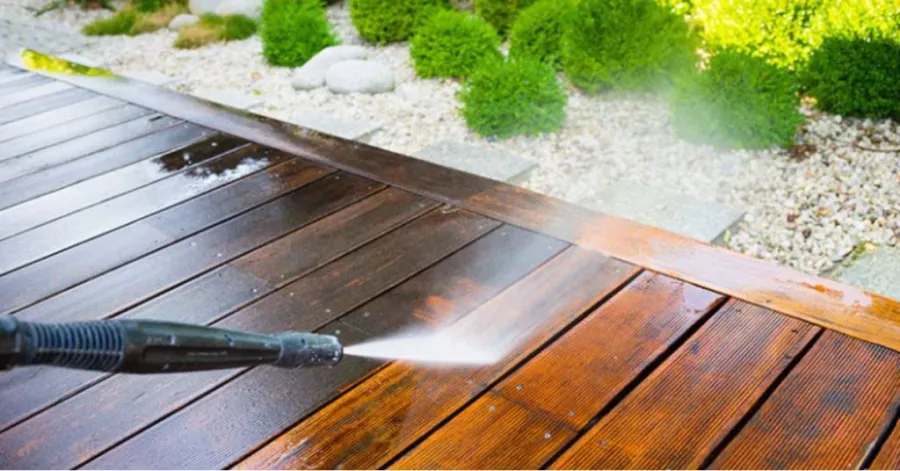
When equipped with the proper equipment, cleaning your outdoor patio is much easier and quicker. Pressure washer patio cleaner removes dirt, algae, moss, and hard-to-remove stains, leaving a smooth, streak-free finish. Whether you have concrete, stone, brick, or paving slabs, an appropriate attachment will save you time and trouble cleaning the surface. This guide will provide instructions on operating a patio cleaner with a pressure washer, preparing your patio, common mistakes, and achieving professional-level results. You will also learn how to select the appropriate settings and keep your patio clean year-round.
How to Prepare Your Patio for Pressure Washing
You should prepare the area for a few minutes before you start cleaning. Preparation will make the cleaning process easier and reduce the risk of damaging your patio or surrounding objects. It also enables your equipment to perform better and provides a smoother, more consistent finish.
No matter which type of patio cleaner you are applying to your pressure washer or which type of pressure washer surface cleaner you are applying to your patios, it is a good idea to prepare the surface first. An organized, clean workspace can also help you save time and achieve better results.
Remove Furniture and Loose Debris
Begin by clearing the patio of all outdoor furniture, flower pots, grills, toys, and other mobile objects. This will provide you with enough space to wash all parts of the surface without distraction. Then clean off loose soil, leaves, twigs, sand, and small stones with a broom or leaf blower. Prior to pressure washing, it is recommended to remove debris before it gets onto the surface to avoid scratches. When you have a pressure washer patio cleaner attachment, it is also important to make sure the area is free of loose debris so the attachment moves freely and cleans the surface evenly.
Inspect the Patio Surface for Damage
Thoroughly inspect your patio and then begin cleaning. Search for paving stones, loose tiles, broken concrete, missing joint sand, or uneven surfaces that might need repair. Existing damage can be aggravated by the high-pressure water when it is neglected. Highlight any areas that require additional attention and minimize pressure during cleaning. When cleaning up a patio or concrete driveway, you should also check for surface damage, since damaged concrete may chip or erode under heavy pressure. Spending a couple of minutes to check the surface can save a lot of money in the future.
Remove Weeds and Moss Between the Joints
Paving stones often have weeds, moss, and algae between them, which may decrease the effectiveness of pressure washing. Larger weeds should be pulled by hand, and a scraper or stiff-bristled brush should be used to loosen moss from the joints. This enables the water to reach deeper into the crevices and clean more effectively. Pulling out the unwanted growth before cleaning also reduces the risk of plant debris spreading across the patio during cleaning. A properly prepped surface should receive the most suitable surface cleaner to pressure wash patios to provide more uniform results and assist in restoring the original look of the patio.
@ashtonbrown007 Vevor’s Electric Pressure Washer #pressurewasher #powerwasher #elctricpressurewasher #pressurewasher #tool #vevortools #pressurewashinghouse #springcleaning #spring
♬ original sound - AshtonBrown007
Attach the Patio Cleaner Properly
Before starting the pressure washer, attach the cleaning component according to the manufacturer’s instructions. Secure all connections to prevent leaks or accidental disconnections. When you have a Karcher machine, it is important that the patio cleaner attachment to the Karcher pressure washer is compatible with your particular machine. Check the connection and then start the cleaning process. An appropriate attachment ensures a stable flow of water, improved cleaning capabilities, and control. Learning the basics of using a patio cleaner with a pressure washer starts with properly assembling the equipment.
Choose the Correct Pressure and Nozzle Settings
The appropriate pressure will ensure the safety of your patio while delivering the correct cleaning performance. Hard concrete surfaces can generally bear more pressure than natural stone, wood, or decorative paving. Always start with less pressure and work it up slowly as needed. Adjust the nozzle or spray setting to match the cleaning attachment so as not to damage the surface. Appropriate settings also enhance the performance of the best patio cleaner with a pressure washer so that it can clean dirt, stains, and algae without leaving streaks or causing unjustifiable wear on the patio surface.
How to Use a Patio Cleaner with a Pressure Washer
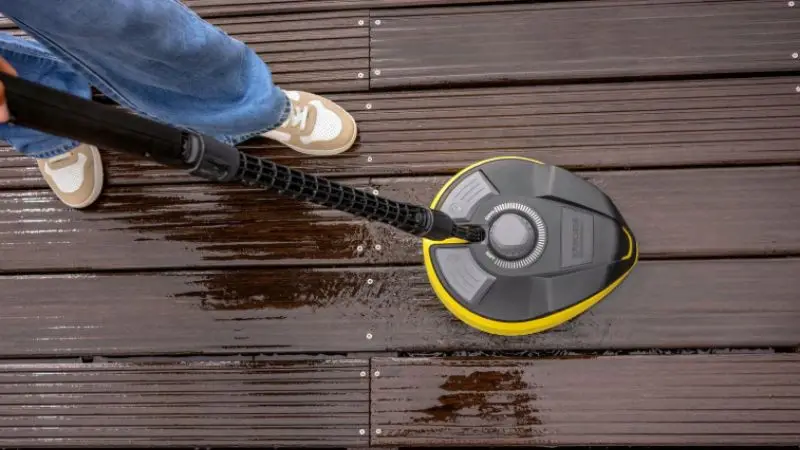
When used properly, a patio cleaner helps clean the surface, eliminating dirt, algae, moss, and stains without causing damage. Applying the right cleaning technique also creates a more consistent finish and reduces the time required to complete the work. It is better to approach cleaning systematically so that all parts of the patio are cleaned equally.
Regardless of the type of pressure washer attachment you are using, such as a pressure washer patio cleaner or a pressure washer surface cleaner for patios, cleaning is easy when you do it in a systematic manner. These steps will ensure that you can easily produce professional-looking results.
Start in One Corner and Clean in Small Sections
Start cleaning at one end of the patio and slowly move towards the other. It is also better to divide the area into smaller parts to ensure that you cover everything and do not miss any spots. When possible, do not walk over any freshly cleaned spaces since this will reintroduce dirt onto the surface. Breaking tasks into parts also helps you track your progress and speed up your cleaning rate as needed. When you are teaching yourself how to use a patio cleaner with a pressure washer, this step-by-step method will simplify the task and give you a more professional finish.
Keep the Surface Cleaner Flat During Operation
It is important to ensure that the cleaning head remains flat to the patio when the pressure washer is in operation. When the cleaner is tilted or lifted, it will leave irregular cleaning patterns, and high-pressure water might destroy the surface. Most surface cleaners are designed so that the rotating spray bars are optimally utilized when kept flat during cleaning. Constant contact also enhances the efficiency in cleaning and minimizes splashback. Regardless of whether you have the best patio cleaner among pressure washers or a different quality model, it is advisable to ensure that it is kept level to ensure consistency in cleaning the whole patio.
Move at a Slow and Consistent Speed
Use slow and steady motions to move the cleaner instead of rushing around. Excessively fast can leave dirt behind, whereas excessively slow can over-clean different sections and lead to uneven results. Walk steadily, allowing the rotating jets ample time to do their job well in removing grime. Moving over, check the area being cleaned to ensure that stains are removed evenly. The constant speed assists your pressure washer patio cleaner to work effectively and lessens the need to clean the area repeatedly.
Overlap Each Cleaning Pass
To achieve optimal results, make sure each pass overlaps by a few inches as you cross the patio. This avoids streaks, and there are no thin strips of dirt left between cleaning lines. Remember to continue in the same overlapping pattern until you have cleaned the whole surface. The given approach will result in a more consistent look and a higher quality of cleaning. This is particularly handy when applying the most effective surface cleaner during the pressure washing of patios, because overlapping passes can allow the rotating spray pattern to clean all areas evenly.
Rinse Off Remaining Dirt and Debris
Once the whole patio is cleaned, use the spray wand and spray out all the dirt, mud, or cleaning residue. Begin at the top of the patio and head towards the drainage area to allow dirty water to flow naturally. Look at corners and low points where debris can accumulate. A complete running under of water exposes any spots that might require further cleaning and makes the surface appear clean. This last rinse is particularly necessary when cleaning a patio, a concrete driveway, or big paved areas.
Finish the Edges and Hard-to-Reach Areas
Surface cleaners are not always able to access down walls, steps, corners, or narrow spaces. After completing the main patio, use your pressure washer spray wand to clean these areas. Choose a nozzle that is powerful enough to clean the surrounding surfaces, yet not so powerful as to damage the surroundings. Apply the cleaned edges to the rest of the patio for a uniform look. This is the final step that completes the job and makes all areas of the outdoor space appear clean. It is also a way to have your pressure washer surface cleaner for patios produce a professional-quality finish in the whole area.
Common Mistakes to Avoid When Cleaning a Patio
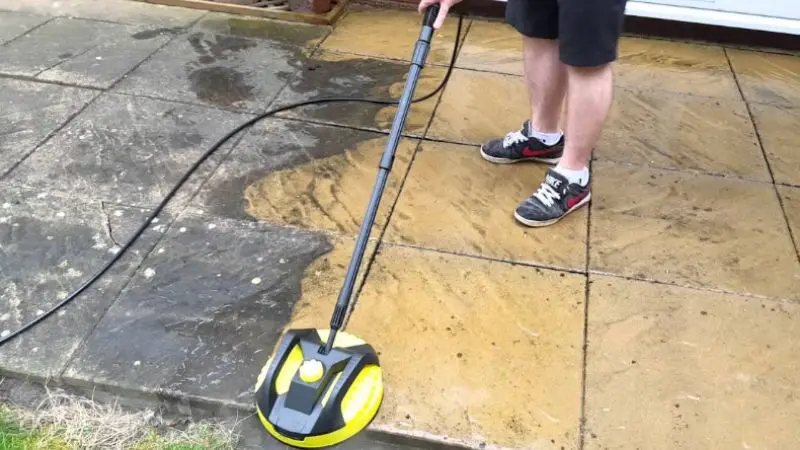
With the correct equipment, there are several pitfalls that can decrease the effectiveness of cleaning or destroy your patio. The appropriate technique will protect various surface materials and create a cleaner, smoother finish. It is always possible to identify these mistakes in advance before you start the project, saving time and avoiding unnecessary repairs.
You may be using a patio cleaner with a pressure washer or the best surface cleaner for pressure washing patios, but by avoiding the following mistakes, you will get a professional appearance and extend the life of your patio and cleaning equipment.
Using Excessive Water Pressure
An increase in pressure does not necessarily improve cleaning. Over-pressure may cause concrete damage, paving joints to loosen, natural stone to be chipped, or protective surface coating to be stripped off. Various patio materials require different pressures; thus, it is always good to consult the manufacturer. Start with a minimum setting and move to a higher setting only when more cleaning power is required. With the right amount of pressure, the pressure washer patio cleaner attachment will be able to remove dirt and not cause unnecessary wear or damage to the surface.
Moving the Cleaner Too Fast
Among the most frequent errors is driving the surface cleaner too fast over the patio. The rapid movement means that the rotating spray jets do not have enough time to pick up dirt, algae, and even stains, resulting in an uneven cleaning effect. There is also the risk of having to repeat the same areas, a waste of water and time. Rather, go at a slow, steady rate and leave the work to the cleaner. This technique enhances the work of the optimal pressure washer patio cleaner and gives the patio a more uniform look.
Tilting the Surface Cleaner While Cleaning
A surface cleaner is geared to work by lying flat on the surface. The uneven cleaning patterns may occur as a result of tilting or lifting it during use, and subject the surface to the high-pressure water streams. This can cause unsightly marks or even damage fragile paving material. Always hold on to the handle with both hands and move the cleaner in a straight line through the patio and even on the surface. It is also best to enhance control by learning how to use a patio cleaner with a pressure washer.
Skipping a Small Test Area
Always run the pressure washer on a small, less conspicuous part of the patio before cleaning it. This will help ensure that the pressure setting, nozzle, and cleaning attachment are appropriate for your patio material. When there are signs of damage or discoloration on the surface, change the settings and proceed. Another benefit of a quick test is that it will tell you how well dirt and stains are being removed. This step is easy to implement and can help avoid expensive errors and enhance the cleaning procedure.
Choosing the Wrong Surface Cleaner
Not all cleaning attachments fit all outdoor surfaces. There are models that suit large concrete areas, but others that suit stone, brick, or decorative paving. Improper equipment may reduce the cleaning rate and further damage surfaces. Choose a cleaner that suits your pressure washer requirements and the material to be cleaned. For example, a patio cleaner attachment for a Kärcher pressure washer should be compatible with your Kärcher model to ensure safe and effective operation.
Ignoring Personal Safety Equipment
Pressure washers produce a strong jet of water that, when misused, can cause severe injuries. Always wear safety glasses to protect your eyes from flying debris and waterproof, non-slip shoes to prevent slipping on wet surfaces. Another use of gloves is that they help to get a better grip and protect your hands during long cleaning. Keep animals and children out of the workplace until the patio is completely dry. By adhering to these simple safety measures, you will be more confident when using a pressure washer surface cleaner on patios and minimize the chances of accidents.
Wrap Up
One of the simplest ways to redecorate your outdoor area is to use a pressure washer surface cleaner on your patio. Cleaning techniques can eliminate dirt without harming the surface through proper preparation, proper pressure settings, and consistent cleaning techniques. Selecting the optimal patio cleaner for a pressure washer also enhances efficiency and yields more consistent results. With the correct procedure and by avoiding common errors, patios, paving stones, and driveways can be cleaned with confidence. Regular care maintains the appearance of the exterior surfaces, minimizes the growth of algae and moss, and extends the life of your patio by many years.
FAQs
Am I able to use a patio cleaner on all patio surfaces?
Concrete, brick, and paving stones are handled by most patio cleaners. Nevertheless, it is always important to consider the manufacturer’s recommendations and apply them to a small section when cleaning natural stone or decorative surfaces.
Which pressure should be used to clean a patio?
The proper pressure is dependent on the surface material. Begin with a low setting and then progressively raise it until dirt is removed without leaving behind traces of cleaning.
How frequently ought I to pressure wash my patio?
Most patios are good candidates for pressure washing at least once a year, if not twice. Areas that have high foot traffic, moss, or are regularly in shade might need cleaning more frequently to look good.
Does a surface cleaner remove oil stains on concrete?
A patio cleaner is used to remove loose dirt and light stains from the concrete driveway. Deep oil spills may need to be pretreated with an appropriate concrete cleaner or degreaser, then pressure-washed.
Do I require any special attachment for my pressure
Yes. An apt pressure washer patio cleaner attachment enhances cleaning and provides a more uniform finish. Always select an attachment that will match your pressure washer model and pressure rating.