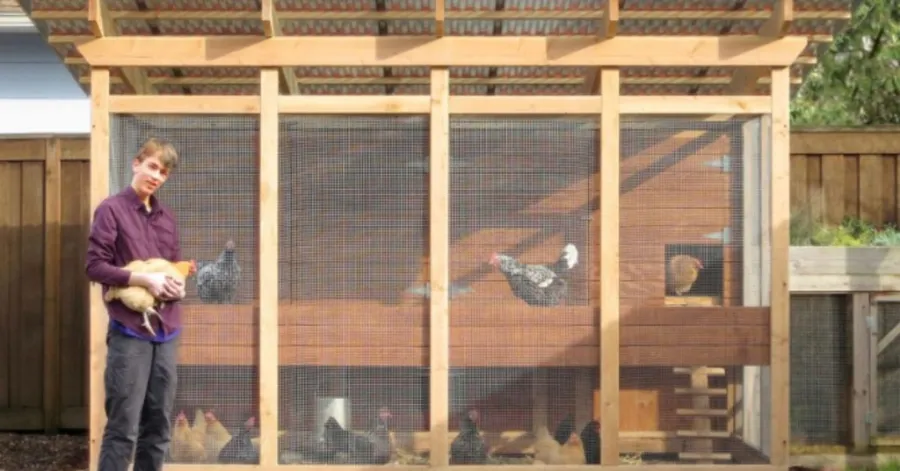
Effective ventilation is critical in ensuring that the chickens are healthy, comfortable, and productive throughout the year. Devoid of proper airflow, heat, moisture, and other detrimental gases, such as ammonia, can accumulate within the coop, subsequently causing stress and disease in the birds. Ventilation of the chicken coop helps ensure fresh air, consistent temperatures, and a clean environment throughout the seasons. You might be constructing a new coop or refurbishing an existing one, but it is important to learn about the chicken coop ventilation ideas. Here you will learn easy DIY fixes, seasonal tips, and ways to keep things out of the way to ensure you provide a safe and healthy environment for your chickens.
- Why Chicken Coop Ventilation Is Important
- Easy Chicken Coop Ventilation Ideas for Beginners
- Advanced Chicken Coop Ventilation Solutions for Better Air Control
- Seasonal Chicken Coop Ventilation Tips for Year-Round Comfort
- Easy DIY Chicken Coop Ventilation Ideas You Can Build at Home
- Common Mistakes to Avoid in Chicken Coop Ventilation
Why Chicken Coop Ventilation Is Important
Ventilation is definitely one of the most crucial components of a healthy chicken house. Daily exposure to fresh air keeps chickens active, helps them produce eggs as they should, and prevents illness. In the absence of proper airflow, the harmful gases and moisture may accumulate in the coop. This may result in an unhealthy, stressful environment for the birds. A properly ventilated coop will ensure the air is clean, dry, and safe all year round.
Appropriate airflow also helps balance temperature and eliminate unpleasant odors, making the coop more comfortable for the chickens and easier to care for.
Role of Fresh Air in Chicken Health
To keep chickens strong and healthy, they need fresh air. It prompts them to inhale and relieves tension in the coop. Air flow in the right direction eliminates dust, heat, and poisonous gases, which could harm their health. Proper aeration also enhances the growth and energy in chickens. Chicken coop ventilation concepts are used by many farmers in order to enhance air circulation and create a healthy environment. Fresh air is also useful in decreasing bacterial accumulation, thereby decreasing the risk of infections. A well-ventilated coop will ensure that chickens are active, comfortable, and productive year-round.
@frankbrooks8 Replying to @Apphole a coop is anything you make it that’s enclosed 🤷🏻♂️#chickens #chickencoop #chickenrun #vevor #tiktokshopblackfriday
♬ original sound – FrankzFindz
How Poor Ventilation Affects Egg Production
Poor ventilation in a chicken coop directly affects egg production. Increased heat, humidity, or odor causes stress in chickens, thereby decreasing their laying capacity. The absence of air also causes them to be less active and more susceptible to illness. In the long run, it may result in low egg production and poorer birds. A lot of farmers seek the best chicken coop ventilation tips to avoid summer heat and enhance the laying performance in hot seasons. Proper airflow keeps the coop cool and comfortable, sustaining consistent egg production and healthier chickens overall.
Common Problems Caused by Bad Airflow
Poor ventilation of a chicken house can pose severe health and sanitation issues. Wet bedding promotes unpleasant odors and bacterial growth. The droppings may also contain ammonia, which can be carried in the air and irritate the chicken’s eyes and lungs. This may lead to breathing problems and contagion of disease. To address these issues and ensure a safe environment, many people seek to understand how to increase airflow in chicken coop ventilation systems. The coop is not healthy and comfortable without proper ventilation. To prevent moisture buildup, minimize odors, and protect chickens from illness, there must be good airflow.
Easy Chicken Coop Ventilation Ideas for Beginners
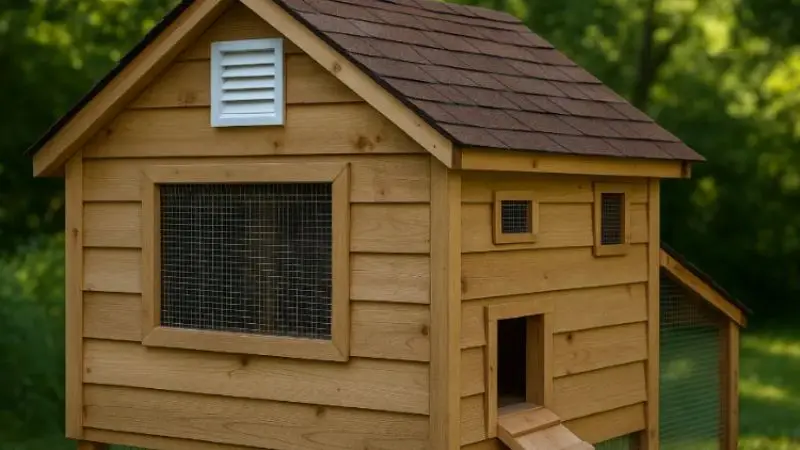
Proper ventilation ensures the health, comfort, and activity of the chickens. Simple airflow solutions suffice to create a significant difference for beginners. It is aimed at eliminating hot air, humidity, and unpleasant smells and introducing fresh air. Quick improvements, such as easy upgrades to vents and windows, can enhance air quality. These concepts are affordable, easy to install, and can fit in small backyard coops. They are also useful in minimizing disease and maintaining the coop fresh and clean throughout the year.
Add Roof Vents to Let Hot Air Out
Roof vents are an easy way to enhance air circulation in a chicken coop. Roof vents allow warm air to escape naturally, which helps cool the coop and keep it comfortable. This can be of great use, especially in hot weather, when heat can build up indoors. Chicken coop ventilation ideas are used by many individuals in their roof airflow plans for their ease and effectiveness. Roof vents also help reduce moisture in the coop, keeping the bedding dry and making the coop smell less. This minor modification can contribute significantly to the health and comfort of chickens.
Add Side Windows for Fresh Air Flow
Side windows provide a simple and cheap means to add ventilation to the coop. When arranged on different sides, they allow the natural flow of air. The wire mesh on the windows excludes predators but allows ventilation. The arrangement also admits sunlight that keeps chickens active and healthy. Most novices use DIY chicken coop ventilation concepts to keep chickens healthy and develop simple airflow designs. The best place to start would be the side windows, since they are simple to construct and can enhance air quality in the shortest time possible.
Use Roof Ridge Vents for Constant Air Movement
Ridge vents are installed on the roof and allow air to circulate continuously. They help eliminate hot air and bring in fresh air without creating strong drafts. This provides a balance and comfort to the coop in every season. Ridge vents are particularly beneficial for designing the ventilation of chicken coops during winter and summer, since they are utilized year-round. They require little maintenance and deliver consistent airflow. This makes them a prudent choice for ensuring a healthy, safe, and comfortable environment for chickens.
Advanced Chicken Coop Ventilation Solutions for Better Air Control
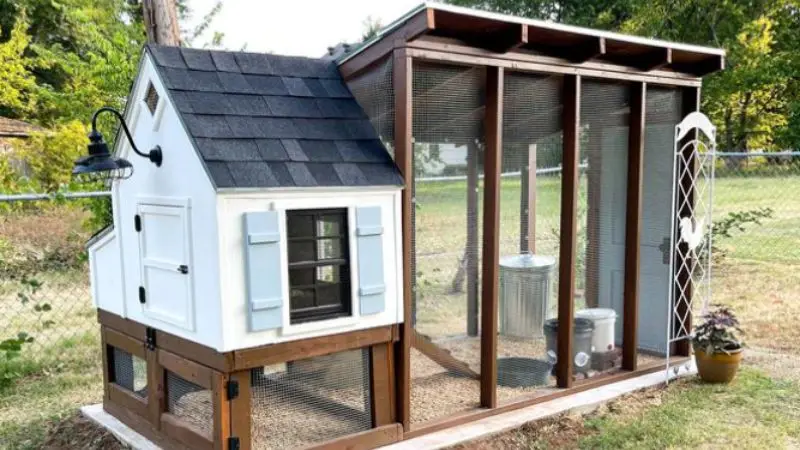
High-ventilation systems come in handy when you want greater control over the temperature and airflow in the chicken coop. Such solutions can be particularly helpful in extreme weather when simple vents cannot be used. They are useful for maintaining a stable environment, alleviating heat stress in summer, and improving air quality in winter. They are more expensive than simple ones, but they offer more comfortable living and healthier conditions for the chickens. These systems are best suited to larger co-ops or farmers who require automated, efficient airflow management.
Automatic Fans for Temperature Control in Chicken Coops
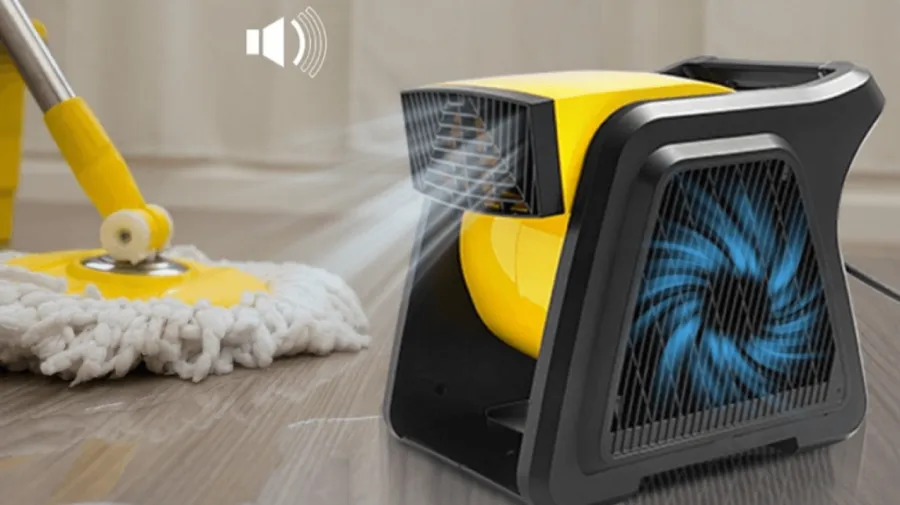
This is an intelligent method for regulating the temperature in a chicken coop without manual operation. These fans are switched on when the temperature is too high, helping to evacuate hot air. This maintains a cool environment in the coop and lessens heat stress in chickens, particularly in summer. Most farmers integrate this with the best chicken coop ventilation concepts in summer to control heat and ensure a stable environment. Automatic fans are also used to enhance air circulation, eliminate unpleasant smells, and control the humidity. They are simple to install and provide consistent airflow to support healthier, more comfortable chickens.
Solar-Powered Ventilation Systems for Energy Saving Airflow
Solar-powered ventilation systems use sunlight to power fans and air systems, reducing energy use and making them cost-effective. They come in particularly handy in places with abundant sunlight, since these systems do not require electricity. They provide air circulation, keeping the coop fresh and minimizing heat buildup. The majority of poultry owners would choose to enhance airflow in the chicken coop ventilation system using solar solutions, as they are environmentally friendly and reliable. Solar systems are also effective in providing adequate ventilation during power outages. They are an excellent long-term investment in keeping the air and a healthy environment for chickens.
Adjustable Vents for Seasonal Airflow Control in Chicken Coops
Adjustable vents, or louvers, allow you to control the amount of air entering or leaving the coop. In summer, you may open them fully so they have more air, and in winter, you may open them halfway to keep out cold draughts. This is flexible in that it creates a balanced environment year-round. When designing adjustable systems, many farmers consider chicken coop ventilation to balance winter and summer conditions. These vents are easy to operate and help maintain comfort in changing weather conditions. They are a convenient way to ensure the safety, warmth, and ventilation of the chickens in all seasons.
Seasonal Chicken Coop Ventilation Tips for Year-Round Comfort
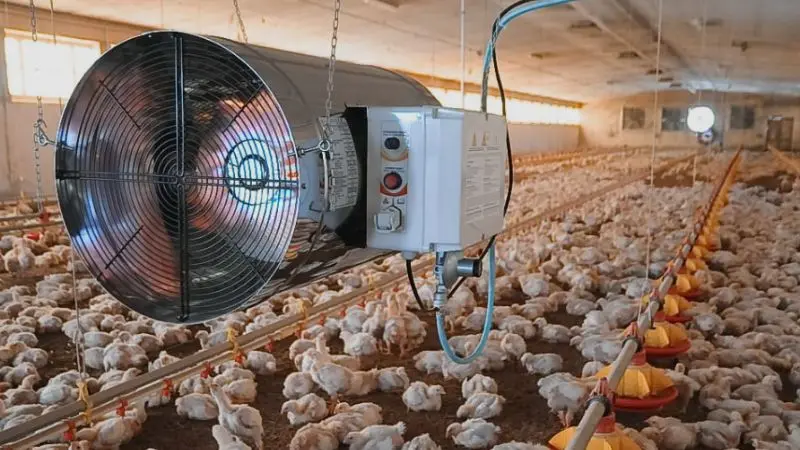
The ventilation of chicken coops varies by season; it is advisable to adjust airflow as the seasons change. During the summer, the aim is to cool off in the heat. During winter, you want to get some air but not be too cold. During rainy seasons, moisture control is the primary consideration. Seasonal changes will ensure the chickens are healthy, not stressed, and free of diseases. An adjustable ventilation system will ensure the coop remains safe and comfortable year-round.
Good seasonal planning is also beneficial for better egg production and the health of the flock.
Summer Ventilation to Keep Chickens Cool and Safe
During summer, heat stress in chickens can be induced easily by high temperatures; therefore, ventilation is essential. Open vents, windows, and roof outlets to enable the hot air to escape and fresh air to enter. The shade is added, and more air flow is provided to keep the coop cooler. Most farmers adhere to best practices for chicken coop ventilation to manage summer heat and minimize the risk of overheating. Fans or mesh-covered openings are also useful to have additional airflow. It is designed to maintain airflow to ensure that chickens are active, hydrated, and comfortable even in extreme heat.
Winter Ventilation Without Creating Cold Drafts
Ventilation should still occur in winter, but in such a way that cold drafts are not observed. The trick here is to ensure that moist air can escape and that the wind is not directly on the chicken. The high vents are most effective because they are situated higher in the coop, where warm air tends to rise naturally. Chicken coop ventilation design is used by many owners to maintain winter-summer balance and ensure safe airflow during cold weather. It is important not to close the coop without allowing the moisture to escape since it may lead to sickness. Even air circulation helps keep chickens warm, dry, and healthy without exposing them to freezing winds.
Rainy Season Moisture Control for a Dry Coop
When it rains, moisture accumulation is a significant issue in chicken coops. Bad smells, bacterial growth, and disease can develop due to wet bedding. Ventilation is used to eliminate the excess humidity and to keep the coop dry. Ensure that the vents are sufficiently open to allow air to pass through and closed to exclude rain. How to improve airflow in the chicken coop ventilation system is also used by many people to control damp conditions. Moisture can also be minimized through regular cleaning and good drainage. It is important to keep the coop dry to ensure a healthy and safe environment for the chickens.
Easy DIY Chicken Coop Ventilation Ideas You Can Build at Home
Do-it-yourself ventilation concepts are an easy and inexpensive way to enhance air circulation in your chicken house. These techniques are the best to start with, as they do not involve special equipment and costly supplies. Proper air circulation helps eliminate heat, moisture, and unpleasant odors and maintains the health and activity of chickens. You can do little things to make a huge difference in comfort and cleanliness.
Your coop can be made a safer and more breathable environment for your chickens with a couple of ingenious modifications.
Cheap Ventilation Upgrades Using Recycled Materials
Recycled materials would help you to save a lot of money and improve the ventilation. With some creativity, old things can be converted to useful airflow solutions.
Simple notions are:
- A board of wood to make small vents.
- Wire mesh is used as a covering to close openings.
- Plastic containers are sliced through airflow holes.
- Reused window frames to open on the side.
Most individuals adhere to DIY chicken coop ventilation ideas for healthy chickens since it is cost-effective and efficient. Recycled upgrades are known to enhance airflow at low cost. They are also sustainable since they reuse their materials rather than waste them. They may significantly enhance airflow and reduce heat buildup in the coop when installed correctly.
Making Safe Ventilation Holes Without Harming Chickens
Ventilation holes are highly effective and should be constructed in a way that neither harms chickens nor allows predators to access them. Before any openings are cut, it is important to plan.
The most important safety measures are:
- Create holes well above the chicken’s height.
- Clean off sharp edges post-cutting.
- Seal openings using wire mesh.
- Make holes small to prevent predators from entering.
How to enhance airflow in a chicken coop ventilation system is a guide for many builders in designing safe airflow points. These holes enable fresh air to flow in and keep the chickens safe. Safe design – this provides a more secure airflow without jeopardizing the health or safety of your flock.
Simple Changes to Improve Airflow in Your Coop
This may be a little modification that can go a long way in improving air circulation in a chicken coop. Better ventilation does not require big buildings.
Easy modifications include:
- Adding small side windows to introduce air.
- Having holes at the top to release hot air.
- Raising the coop a bit out of the ground.
- Installation of small adjustable vents.
These are basic improvements that most owners make with the help of chicken coop ventilation concepts. These alterations promote natural circulation of air and avoid the formation of heat, moisture, and smells. Even minor changes might greatly improve a chicken’s life, making it easier and healthier throughout the year.
Common Mistakes to Avoid in Chicken Coop Ventilation
Ventilation is highly necessary to ensure the health of the chicken, and a few mistakes by most individuals can minimize air circulation or create new problems. These errors may lead to stress, disease, and low egg production. Finding out what to avoid will enable you to provide a safer and better environment for your flock. There would be an appropriate circulation of fresh air without seasonal damage to chickens during any season.
These are the most typical errors that you can prevent to make your ventilation system more efficient and sustainable.
Over-Ventilating and Causing Cold Stress in Chickens
Excessive ventilation is as bad as insufficient ventilation. An overcrowded coop can cause cold air to get into the coop, thus causing stress to the chickens, especially during winter. This may cause them to be uncomfortable and reduce their egg production. A balanced airflow system is an element that needs to be taken into account regarding comfort and security.
There are a few details that are essential to remember:
- It will not open wide when it is cold.
- Closeable vents, which are closed in winter and opened in spring.
- Keep out of the path of direct wind.
- Moderate air circulation and heating.
To avoid this, most builders plan the ventilation of chicken coops in a winter/summer balance. This is to keep the air warm without producing cold drafts, which would harm the chickens.
Blocking Airflow with Nesting Boxes or Clutter
Another mistake made is the setting up of nesting boxes, feeders, and storing the materials in such a manner that does not allow air to pass. The reason is that the heat and moisture will be trapped in the coop when the air does not move freely. This gives an unhealthy environment to chickens.
To prevent blockage of airflow:
- Do not nest boxes in vents.
- Maintain free walking areas.
- There should not be a pile-up of equipment.
- Make sure that vents are not covered accidentally.
Many people also use it to better understand where to place them and how to increase airflow in a chicken coop ventilation system. It is also advised that the coop should be kept clean to enable airflow and to make it comfortable.
Ignoring Ammonia Buildup Warning Signs
The accumulation of ammonia due to chicken droppings is a thorny problem that cannot be overlooked. It may lead to respiratory complications, eye irritation, and chronic health problems in chickens. The initial warning of improper ventilation is usually a strong smell.
Warning signs include:
- Unpleasant odor in the coop.
- Wet or dirty bedding that fails to dry.
- Sneezing or discomfort in chickens.
- Birds with red eyes or irritated eyes.
This can be solved by cleaning regularly and improving the airflow. Many farmers use chicken coop ventilation ideas, which help improve air quality and reduce harmful gases. The chicken coop should be kept clean, safe, and healthy through good ventilation.
Wrap Up
Good ventilation is one of the most important factors in keeping chickens healthy, active, and productive. A proper airflow system gets rid of heat, moisture, and harmful gases and brings in fresh air. The simplest homemade methods and more advanced systems can be used, but the task is always to make the coop uncluttered and comfy throughout the year. This is because proper ventilation helps avert the most prevalent health problems and balances summer cooling and winter heating. With proper practices and the elimination of some common errors, you will be able to provide a safe environment where the chickens will grow and produce more eggs annually without the stress and strain of hard work.
FAQ
What is the significance of ventilation of chicken coops?
The importance of ventilation is that it introduces fresh air, eliminates harmful gases like ammonia, and regulates temperature and humidity in the coop.
What do you do to improve air ventilation in a chicken coop?
Among the things that can be incorporated to achieve this are roof vents, side vents, and ample space, which would ensure continuous air movement and prevent heavy drafting.
Does low ventilation impact egg production?
Yes, inadequate airflow may cause stress in chickens and make them less active, and ultimately lower the production of eggs.
What can I do to ensure that my chickens are warm and at the same time open up the coop?
Install a few small controlled holes and high-positioned air vents, which will enable air to get into the enclosure, but not cold drafts to the gaps where the chickens are.
Is it possible to implement DIY ventilation in chicken coops?
Yep, even the simplest of DIYs, such as mesh windows and little vents, can become great airflow enhancers once properly deployed.