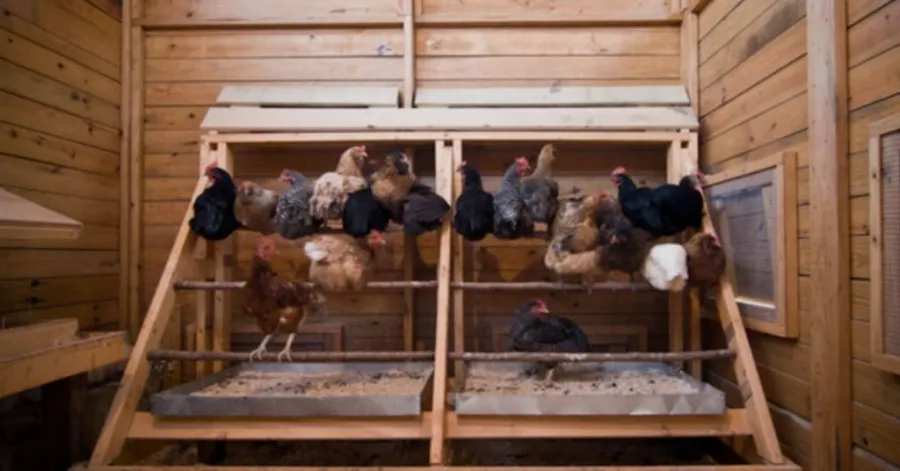
If you want your backyard chickens to be happy, healthy, and lay plenty of eggs, a well-planned chicken coop layout inside is essential. Think through aspects of comfort, safety, and functionality to keep your chickens thriving. Plan to have enough room for each chicken to move around. Then cozy roosting bars for sleeping, and private nesting spots for egg-laying. Also, be sure to include feeding and watering stations, and plan for ventilation so there is always fresh air. Lastly, think through predator proofing. Planning these chicken coop layout aspects will ensure your chickens are safe and productive all year round.
How to Plan the Chicken Coop Layout Inside Your Backyard
Designing the inside of a chicken coop requires careful planning for space, airflow, and lighting. A well-thought-out chicken coop interior ensures your flock stays healthy, comfortable, and productive. Let’s explore the key principles that will make your coop both functional and cozy for your birds.
How Much Space Each Chicken Needs Inside the Coop
Stressful conditions can lead to a decrease in egg production. To avoid this, plan for each bird to have 3-4 sq ft of space in the coop, and 8-10 sq ft in the outdoor run. Be sure to consider vertical space, and use nesting boxes, shelves, and perches to help each bird have the space to move around. Happy flocks are less likely to fight with each other and thrive more, especially in cold weather.
How to Provide Proper Ventilation and Airflow in Your Chicken Coop
The coop should always be comfortable for both you and the chickens, and having air circulation is a major part of that. The chickens create moisture and ammonia, which can build up and cause respiratory issues for the chickens. Good ventilation in your chicken coop interior plan for five chickens keeps the air clean and safe.
Air can be let in from the top. This way, warm and wet air is able to escape, while the chickens are not getting hit with a direct draft. A solid airflow will remove smells, avoid the spread of disease, and make it easier for you to clean. Knowing how to design the inside of a chicken coop will make your chickens feel better, be more active, and keep them comfortable in cold weather.
How to Set Up Lighting for Your Chicken Coop Interior
Quality lighting is crucial for the interior of your chicken coop. Proper lighting aids with egg production, particularly in the winter. If it’s possible, make your coop with windows so your chickens can benefit from natural lighting. If your coop is in a part of the world with limited sunlight, installing timers for artificial lights can provide your chickens with artificial daylight.
Make sure the lights are placed high enough so that the chickens can rest without being disturbed. Thoughtfully placed lights make it easier for you to monitor the layout of your coop and the comfort of your chickens. Healthy lighting makes it easier for you to make your chickens care and happier.
Essential Elements to Include in a Chicken Coop Layout Inside
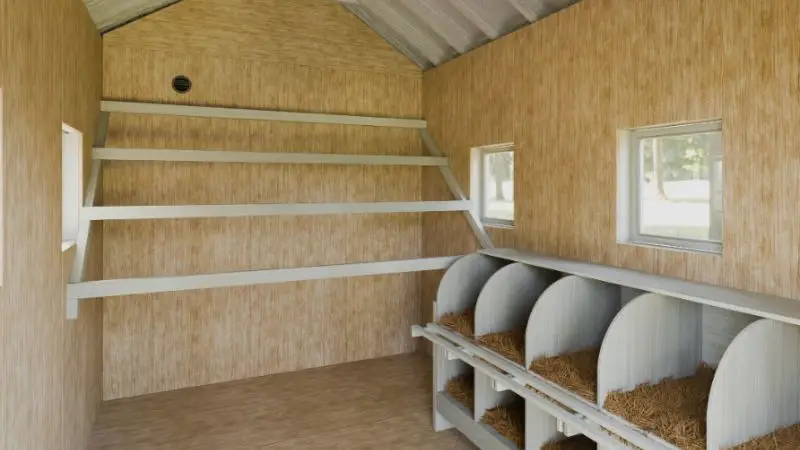
Creating a functional inside chicken coop layout means thinking about the key elements your birds need: safe sleeping spots, cozy nest boxes, and durable flooring. These features not only keep your chickens healthy but also make daily care easier. Let’s go through each essential element to design a coop your flock will love.
How to Place Roosting Bars for Comfort and Safety
Roosting bars allow chickens to sleep soundly. As chickens sleep, they tend to perch and for this reason, place the bars 18 to 24 inches off the floor, and higher than the nesting boxes. To prevent stress, leave 8 to 10 inches for each bird.
It is best to use rounded wooden bars since they are healthy for the feet and will prevent injuries. To protect the flock from drafts, place the bars away from windows and doors. Planning the layout of the chickens’ coop carefully will ensure the chickens will sleep and wake up healthy.
How to Arrange Nest Boxes Inside a Chicken Coop
Nest boxes are where hens lay their eggs, so making them cozy and private is important. Place the boxes in a quiet corner, lower than the roosting bars. A 12×12 inch size works well, and one box for every three or four chickens is sufficient.
Adding clean bedding like straw or wood shavings keeps eggs clean and makes collecting them easier. Proper inside chicken coop ideas for winter also include placing the nest boxes away from drafts and damp areas. Well-planned nest boxes help hens feel comfortable, encouraging steady egg production and a happier flock overall.
Best Flooring Options for Chicken Coop Interiors
Choosing the best floors makes upkeep of your coop easier. Coop floors should be secure, simple to clean, and keep the chickens dry. Wood, dirt, and concrete are some of the best choices. Although wood can be comfy and warm, it must be sealed. Concrete takes the prize for being durable and easy to clean. On the other hand, it can be easy to become unkept.
To soak up moisture and smell, use bedding like straw or wood shavings. A smart chicken coop design for 5 chickens also balances and makes upkeep easier.
How to Design a Chicken Coop Interior Layout for Easy Cleaning
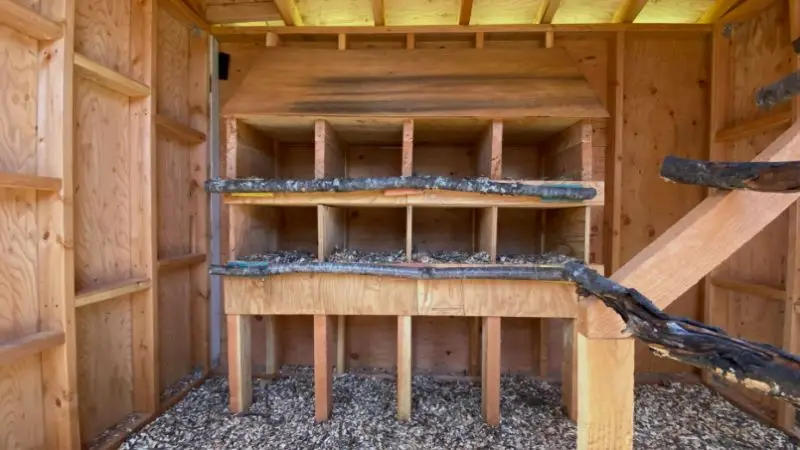
Keeping your chicken coop interior plan for 5 chickens clean doesn’t have to be a chore. A smart layout with the right features makes maintenance faster, reduces odors, and keeps your flock healthier. By focusing on droppings management, removable flooring, and easy access, you can make daily care simple and stress-free.
How to Set Up Droppings Boards for a Cleaner Coop
One of the best tools available for cleaning chicken coops is a board. When positioned under the roosting bars, where the chickens sleep, make a wooden board with a smooth, flat surface. Most of the waste will fall onto the board and can be easily scraped off each morning.
Cleaning chickens and their homes is also about improving their overall hygiene, and droppings boards help with this, too. Reduced waste in the coop equals reduced germs, and a smaller disease risk means healthier chickens. You can even use droppings to fertilize your garden. If you are looking for thoughtful ideas for your chicken coop in the winter, boards are a great way to minimize mess and make cleaning easy.
How Removable Flooring and Access Doors Simplify Cleaning
Removable flooring and well-placed access doors make chicken care much easier. Floor panels made of plywood or durable plastic can be lifted out to shake off old bedding, reaching every corner of the coop. This keeps your chickens dry and reduces moisture-related problems.
Access doors let you reach inside without crawling, making egg collection, feeding, and inspections easier. Wide doors also make sweeping and wiping down surfaces simpler. Planning your chicken coop layout for maximum space with these features saves time, reduces stress, and ensures your flock stays healthy and productive year-round.
Chicken Coop Layout Inside for Different Coop Sizes
The size of your coop and individual backyard flock leads to the size of the coop. Large and small coops require thoughtful planning of the inside to ensure the chickens have space to sleep, eat, and lay eggs. To maximize comfort and productivity, let’s think about some ideas for different coop sizes
Small Chicken Coop Interior Layout Ideas
Even a small chicken coop can be efficient and comfortable with smart planning. Use every inch of space wisely. Place roosting bars along one wall and nest boxes in a quiet corner. If space is limited, consider stacking nest boxes to free up floor space.
Keep feeders and waterers near the door for easy refilling and cleaning. Add vents near the roof for airflow, while using hardware cloth for protection. A well-thought-out inside chicken coop idea for winter ensures your chickens stay warm, happy, and active. Even a compact coop can be cozy and productive with a simple, organized layout.
Medium to Large Chicken Coop Interior Designs
With a large or medium chicken coop, you can get more flexible, but you should still be cautious of overcrowding when planning your layout. Create separate zones to avoid crowding: roosting bars on one side, nest boxes on the other, and a clear pathway in the center for your flock to walk. This will make chicken care easier and more efficient.
Add more roosting bars for larger flocks, and make sure to provide three nest boxes for every ten chickens. Include removable flooring for easy cleaning, and wide doors for easy access. The best chicken coop interior plans for five chickens or more include fresh air vents and windows for natural light, which makes daily chores easier. Proper spacing will keep your flock healthy, active, and productive.
Seasonal Adjustments to Chicken Coop Layout Inside
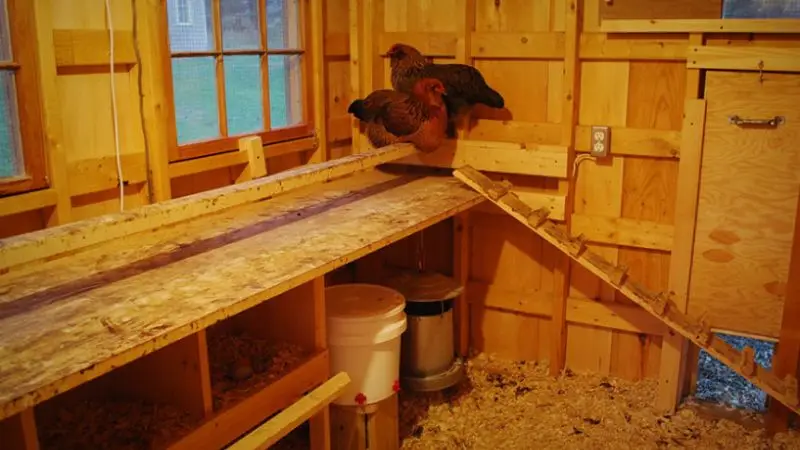
Your chicken coop interior layout needs to be flexible to handle different seasons. Seasonal changes affect your flock’s comfort, egg production, and health. To make your chickens safe and productive year-round, make simple adjustments for winter and summer.
How to Set Up Your Chicken Coop Interior for Winter
In winter, there are many things to consider to ensure the protection of your flock. Start by checking windows and doors to ensure there are no drafts and fill in any cracks. Place straw and pine shavings to ensure the chickens are warm and dry. Place the roosting bars far enough from windows so that the birds won’t fall out, but close enough that the birds can huddle for warmth.
Temperature can be controlled with safe, appropriate heating like flat panel heaters and heated waterers. It is important to maintain humidity and cold drafts by keeping the coop ventilated. Thoughtful arrangements of the coop can help maintain your chickens and prevent frostbite.
How to Adjust Your Chicken Coop Layout Inside for Summer
Chickens experience a heat load in summer, and a close coop design can be a cause of heat stress. A coop design for summer should have open windows and vents for cross ventilation, and provide shade with trees, tarps, or awnings. Put waterers in the shade and refill them regularly, placing fans to circulate air, but high enough to avoid blowing directly onto the flock.
In summer, reduce bedding to prevent heat retention, and provide a shallow dust or sand bath for cooling and pest control. Observe for chickens showing signs of overheating. A thoughtful inside chicken coop layout keeps chickens comfortable, hydrated, and productive even during extreme heat.
Wrap Up
Designing an efficient chicken coop layout inside is essential for happy, healthy, and productive backyard chickens. By planning space per bird, roosting bars, nest boxes, ventilation, lighting, flooring, and seasonal adjustments, you create a safe and comfortable environment. Smart layouts make daily care easier, reduce stress, and encourage steady egg production.
Whether you have a small or large flock, implementing thoughtful inside chicken coop ideas for winter, easy-cleaning features, and space-maximizing designs ensures your chickens thrive year-round. A well-planned coop keeps your flock healthy, simplifies chores, and allows you to enjoy backyard chicken keeping to the fullest.
FAQs
How often should you do a chicken coop cleaning?
Aim for a chicken coop cleaning once a week. Check for moisture and old bedding, scrape the dropping boards, and replace bedding. Fresh bedding helps your chickens stay healthy and keeps egg laying on track.
What is the best chicken bedding?
Bedding options that can work for you are straw, sand, or pine shavings. Straw is soft and absorbs moisture well, pine shavings help control odor, and sand is the easiest for cleaning. Select what works best for you and your climate.
How do you keep chickens laying eggs in winter?
The chickens will need artificial light in the winter months. A timer can be set in order to keep the light on for 14 hours. Also, chickens need access to food and fresh water, so be sure to check this. Warm bedding is also important for your chickens during the winter months.
Can you keep different chicken breeds together?
Chickens are social animals, so don’t be afraid to mix different breeds in the same coop. Each chicken will need enough space and food, though, or there will be social issues, and you may observe social bullying. It is normal for egg production to vary, as different breeds lay eggs at different rates.
What do chickens need for a healthy life?
Chickens need a safe space to shelter in, and fresh food and clean water. They need enough room to move, and they need roosting bars to sleep on and nesting boxes to lay eggs in. Pay attention to your chickens so you can observe if they are sick or stressed.