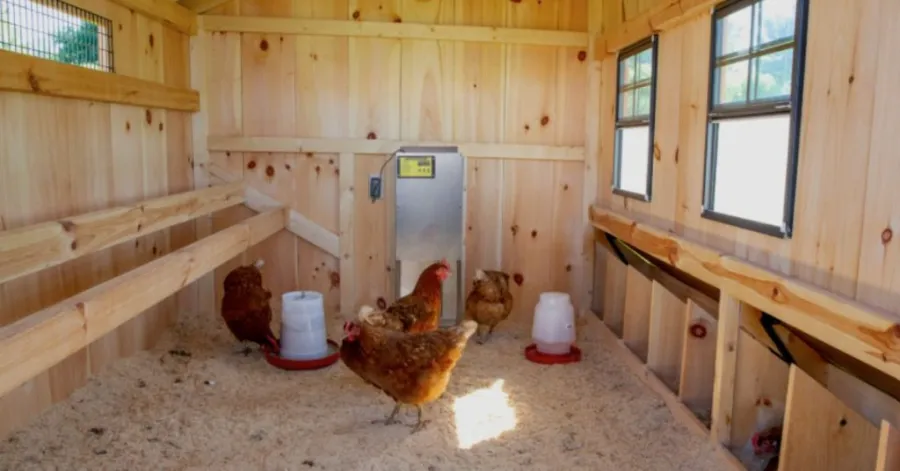
es, you can convert a garden shed to a chicken coop Whether you are looking for a fun, practical, and budget-friendly DIY project for backyard chickens that will help provide you with fresh eggs every morning, or for fun, backyard chickens are likely the best option. You don’t need complex tools or carpentry experience – just a little bit of planning and creativity. Start by looking at regulations in your state, making sure your shed is safe, and considering the comfort of your chickens. With the right amount of space, ventilation, and predator-proofing, an old shed can be transformed into a home that is cozy and secure in no time. Using what you already have, you will soon be reaping the goodies of happy chickens and fresh eggs right in your backyard.
- Why Convert a Garden Shed to a Chicken Coop?
- Important Things to Consider Before Converting a Garden Shed Into a Chicken Coop
- How to Convert a Garden Shed Into a Chicken Coop Step by Step
- Flooring Options When Converting a Garden Shed Into a Chicken Coop
- Insulation and Weatherproofing Your Shed Chicken Coop
- How Many Chickens Can a Converted Garden Shed Hold?
- Essential Accessories for a Garden Shed Chicken Coop
- Common Mistakes to Avoid When Converting a Garden Shed Into a Chicken Coop
Why Convert a Garden Shed to a Chicken Coop?
An old garden shed will come in handy in ways you can’t even imagine. Many backyard chicken keepers have chosen to convert a garden shed to a chicken coop because of its practicality, affordability, and ease of management. Instead of going out to the shed and sitting around, you make it a safe, comfortable place for your chickens. This is a great option for beginners and experienced keepers who want to have an easy setup and don’t want to start from scratch.
There are a number of reasons for the continued growth of this idea:
- Less time and effort: A shed provides you with a good foundation, so you don’t have to go through many construction steps. This makes turning an old garden shed into a chicken coop a faster project compared to making a coop from the ground up.
- Rigid, strong, and weather-ready structure: Garden sheds are designed to deal with rain, wind, and sun. With a few improvements, such as ventilation and secure doors, the shed is now a good chicken home.
- Easy to tailor make to your flock: You can choose the inner layout to suit your needs. This works especially great for a shed chicken coop for 4-6 chickens to provide enough room for nesting boxes, roosts, and feeding areas.
- Perfect for small backyards: Many homeowners seek small backyard shed chicken coop ideas because sheds fit well into small spaces while also providing warmth and safety.
By reusing what you already have, you have more control over design, comfort, and cost. Converting a shed into a chicken coop is a smart way to create a functional, long-lasting space for healthy and happy chickens.
Where Can I Find Affordable Chicken Coop Plans and Materials?
What are some easy and free chicken coop plans I can build at home? You can find free and affordable chicken coop plans on DIY websites, gardening blogs, poultry forums, and home improvement websites. Look for beginner-friendly plans that explain how to arrange nesting boxes, roosting bars, ventilation, and secure doors. Since you’re converting an existing shed, choose a plan that fits its size and layout instead of following plans designed for a completely new coop.
For materials, compare prices at local hardware stores and online retailers. You may be able to reuse suitable materials, such as untreated wood, shelves, and hardware, to reduce costs. Make sure all reused materials are clean, sturdy, and safe for chickens. Planning your layout and shopping list before starting can also help you avoid unnecessary expenses.
Important Things to Consider Before Converting a Garden Shed Into a Chicken Coop
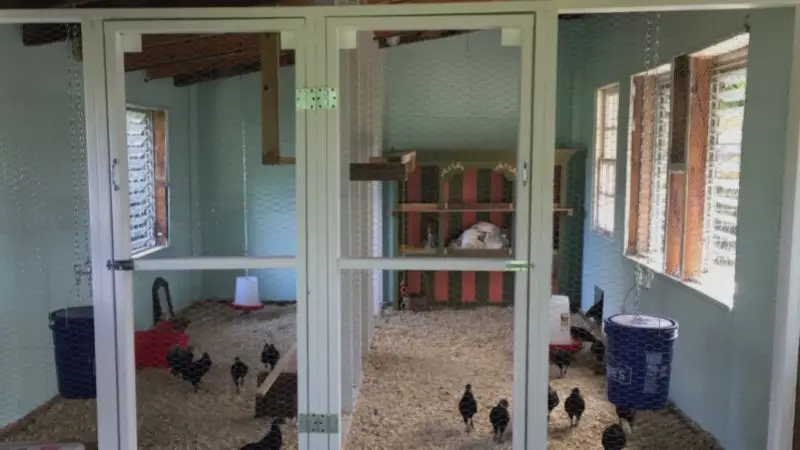
Before you start any construction work, it’s beneficial to gain some knowledge on the basics that impact the safety and comfort of your chickens. Careful planning ensures a smoother process with no problems down the line. When you are prepared, building a chicken coop out of a shed for 4-6 chickens is much easier and more successful than before.
Below are the main areas you should review before starting your project.
Check Local Zoning Laws and Backyard Chicken Rules First
Before you know how to turn an old garden shed into a chicken coop, you need to be sure that it is legal for you to keep chickens in your area. Some towns allow backyards to have chickens, while others have limits on the number you can have. There may also be rules on things like permits, noise, smell, and how far away your coop can be from other homes or fences. Ignoring these rules can result in fines or losing your chickens. A quick call to your local office or a search of your city’s website can give you some good guidelines. The things you need to know about coop keeping. You want to know the rules early in order to plan your coop with confidence.
Make Sure Your Shed Is Large Enough for Chickens
Space is important for maintaining chickens as healthy and calm individuals. When you want to build a coop out of a garden shed, the first step is to measure the inside of the shed. Each chicken should be given enough space to move around, rest, and breathe comfortably. Crowded conditions tend to result in stress, fighting, and poor air quality. This is especially important if you are constructing a cheap DIY chicken coop from a garden shed, where space will be quite restrictive. If the shed seems rather small, augmenting it with an outdoor run can help balance the space and increase overall comfort.
Choose a Safe and Comfortable Location for the Shed
The location of your shed has an impact on your chickens on a day-to-day basis. Choose an area that does not flood and remains firm during periods of heavy rain. Morning sunlight helps to keep the coop warm and dry, while some shade will help to protect chickens from overheating. As for the backyard chicken coop ideas for small sheds, many people put the shed near enough the house to easily check the chickens daily. Staying away from busy roads and predator hiding places gives one an added layer of safety. Good airflow and balance of light help to provide a comfortable environment for your flock.
How to Convert a Garden Shed Into a Chicken Coop Step by Step
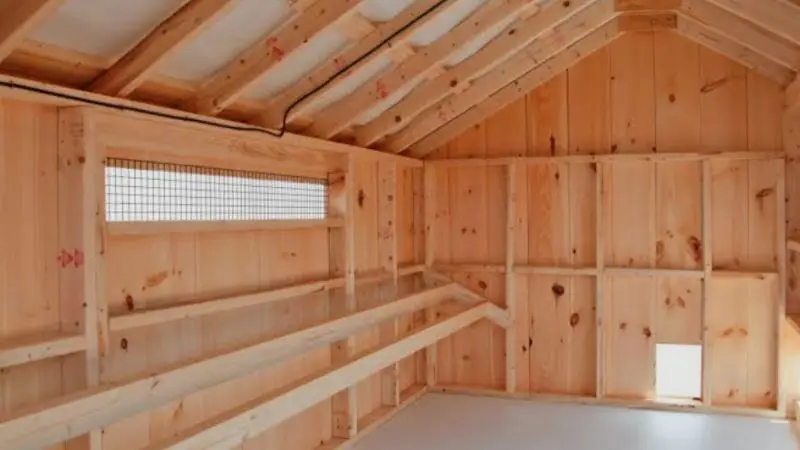
Turning your old shed into a comfortable home for chickens may sound complicated, but when you break it down into clear steps, it is manageable. Following a careful plan will ensure that your flock remains safe, healthy, and happy. With each step, you get closer to a workable shed chicken coop for 4-6 chickens that works year-round.
Find Easy and Free Chicken Coop Plans
You can visit the find affordable chicken coop plans website at DIY, gardening blogs, poultry forums, and household improvement websites. Search for beginner-friendly plans, which will show you how to arrange nest boxes, roosting bars, ventilation, and safe doors. Because you’re converting an existing shed, choose a plan that fits its size and layout rather than the purchase of plans for a completely new coop.
For materials, compare the prices of local hardware and online stores. You may be able to reuse existing appropriate materials like untreated wood, shelves, and replacement hardware. Ensure that materials reused are clean, robust, and safe for chickens. Planning your layout and your shopping list before you begin may help prevent unnecessary expenses.
Clean and Prepare the Shed for Your Chickens
The first step in making a low-cost DIY chicken coop from a garden shed would be clearance and cleaning of the area. Remove tools, old shelves, or anything that may hurt your chickens. Sweep the floor, scrub the walls to get rid of dirt and dust. Inspect for mold, rot, or other weak spots and repair. A clean, sturdy space not only protects your chickens from illness but also allows for it to be easier to install nesting boxes and roosting bars, among other upgrades. This new beginning establishes the atmosphere of a safe and comfortable home.
Add Proper Ventilation to Keep the Coop Healthy
Good air circulation is also vital to a healthy chicken coop. Chickens should have fresh air to be comfortable and prevent the coop from becoming damp, which leads to illness. Cut vents close to the roof or put small windows over with wire mesh. Place vents on opposite walls so that you get a constant flow of air through the shed. Avoid facing vents directly at bars where chickens roost; the cold draft may make the chickens sick. Proper ventilation is the key to ensuring that your flock experiences a fresh, dry environment throughout the year, which is an important part of how to turn an old garden shed into a chicken coop successfully.
Install Nesting Boxes and Roosting Bars for Comfort
Nesting boxes and roosting bars provide a cosy and functional inner. Place nesting boxes in quiet, darker corners, one box for every three or four hens. For comfort, fill the boxes with clean straw or wood shavings. Roosting bars help you get your chickens out of the dirt to sleep, and not only does it keep your eggs clean, but they will also help you reduce stress on your flock. Put the bars above the nesting boxes, and make sure to secure them all so that they won’t wobble. Properly installed boxes and bars give your shed the feeling of an actual home for your hens.
Predator-Proof the Shed for Maximum Safety
A good and secure coop will protect chickens from raccoons, foxes, rats, and other predators. Cover windows and vents, and block holes or gaps with sturdy hardware cloth, and set secure latches on doors. For added protection, you can bury wire mesh around the base of the shed to prevent digging predators. Taking these steps will ensure your flock is kept safe while also having the freedom of the coop. This is one of the most important aspects in the case of converting any shed into a small backyard shed chicken coop.
Where can I buy predator-proof chicken accessories online?
You can buy predator-proof chicken accessories from poultry equipment suppliers, farm supply stores, and online retailers. Before choosing a product, check the material, size, and suitability for your shed. The following options can help protect chickens from common predators.
| Predator-Proof Accessory | Main Purpose | What to Check Before Buying |
| Hardware cloth | Covers windows, vents, and other openings to block predators | Choose strong welded mesh with small openings |
| Automatic coop door | Closes the coop entrance at a set time or in response to light | Check the door size, power source, and safety features |
| Predator-proof door latch | Helps prevent raccoons and other animals from opening the coop door | Choose a secure latch that is difficult for animals to manipulate |
| Electric poultry fencing | Helps discourage predators from entering the chicken run | Check the fence height, energizer requirements, and safe installation |
| Reinforced wire mesh | Strengthens vulnerable areas around the run and shed | Choose weather-resistant material and secure it firmly |
You can compare these accessories through online poultry stores and farm equipment retailers, including VEVOR, where relevant products are available. Always check product specifications and reviews before ordering.
Add Windows and Natural Light for a Cheerful Coop
Chickens do well with bright and natural light. If it is too dark in the shed, add a window or two with clear plastic or glass covered with wire mesh for safety. Natural light induces hens to lay more eggs and helps keep the interior bright and cheery. Open windows on warm days to let in more air and provide more comfort. Including windows in your how to turn an old garden shed into a chicken coop plan makes a noticeable difference in the health and happiness of your chickens.
Flooring Options When Converting a Garden Shed Into a Chicken Coop
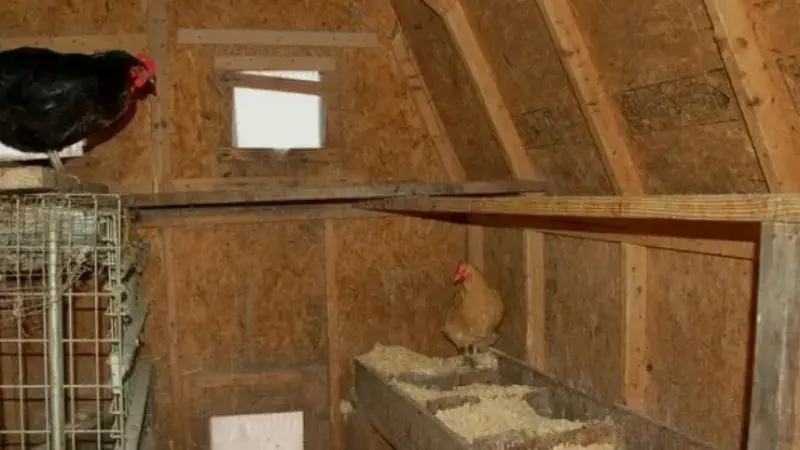
One of the most important steps you need to take when you convert a garden shed to a chicken coop is choosing the right floor. The flooring has significant implications for the comfort, safety, and ease of cleaning your chickens. A well-laid floor keeps the pests out, helps protect your shed, and makes it easy to maintain on a day-to-day basis. Here’s a look at the best choice in shed floors.
Best Flooring Materials for a Chicken Coop
Different shed floors work better depending on your needs and budget. The most popular choices include:
- Concrete: Very durable and long-lasting. Easy to sweep and hose down. Concrete also keeps rats and other pests from digging in your coop. If your shed already has a concrete floor, you’re one step ahead. The only downside is that for chickens, it can get chilly and hard.
- Wood: Prevalent in many sheds, wood has a warm and comfy feel. It must be sealed to prevent rotting, and you must add a thick layer of bedding such as straw or wood shavings to prevent it from rotting.
- Vinyl or Linoleum: These are sheets that may be placed on wood or concrete, and make cleaning a snap. They are waterproof and prevent moisture from seeping into the floor. However, they can be torn if not carefully installed.
- Dirt: Dirt floors are cheap and natural, but can get muddy in wet weather. You need an At Lots of bedding to make it comfy, so that you don’t get too many pests going under the coop.
The choice of the material depends on your budget, climate, and the amount of effort you want to invest in cleaning. For an inexpensive chicken coop out of a garden shed, a balance between practicality and comfort is the key.
How to Make Your Shed Floor Easy to Clean
Keeping the floor clean is very important when it comes to healthy chickens. A few tricks can help make maintenance easier:
- Use removable mats: Rubber mats or old sheets of linoleum can be picked up and hosed out.
- Deep litter method: Deeply pile straw or wood shavings and allow them to decompose naturally. Scoop up the top layer when dirty. This method makes the odor less and saves time.
- Seal cracks and gaps: Fill in any cracks and gaps with caulk to help prevent bedding and droppings from sticking.
- Install a sweeping edge: A small board at the door helps to keep bedding in and to make sweeping a bit easier.
With the proper floor setup, your small backyard shed chicken coop ideas will be much easier to manage. You’ll be devoting less time to cleaning and more time to enjoying fresh eggs from happy and healthy chickens.
Insulation and Weatherproofing Your Shed Chicken Coop
Keeping your chickens comfortable all year means preparing your shed for both cold winters and hot summers. Proper insulation and ventilation help your flock stay healthy, reduce stress, and make your shed chicken coop for 4-6 chickens a safe, cozy home. Planning for seasonal changes now saves headaches later.
Keeping Your Chickens Warm During Winter
Chickens can live in cold temperatures, but they must have a dry place that does not draft out of the coop to keep them healthy. Start by inspecting your shed for gaps or cracks in the walls and seal the cracks with caulk or spray foam. You can also staple foam boards or old blankets to the inside walls to provide additional insulation. Cover windows with clear plastic during the winter- It admits light but blocks out the cold.
- For the base, put straw bales on the ground to stop drafts and provide heat.
- Use deep bedding such as wood shavings or straw to retain heat and keep the chickens warm.
Remember, chickens naturally huddle together at night, so you don’t really need a heater unless winters are extremely harsh.
With these steps, your cheap DIY chicken coop from a garden shed stays warm and dry, protecting your flock from sickness and stress.
Cooling and Providing Shade in Summer
Hot weather can easily stress your flock, so keeping the coop cool is essential. Open windows and vents during the day to let hot air escape and create a breezy environment. Shade is crucial, whether from trees, bushes, or a tarp over the roof.
- Hang a shade cloth on the roof to block direct sun.
- Place frozen water bottles inside the coop to provide cool air.
- Use a safe, outdoor-rated fan for extra airflow if needed.
- Ensure chickens always have fresh, cool water.
- Provide a shady dirt area for dust baths—this helps chickens regulate body temperature naturally.
By planning both insulation for winter and shade for summer, your small backyard shed chicken coop ideas become a comfortable home year-round. Watch your chickens for signs of overheating, such as panting or spreading wings, and adjust airflow or shade as needed.
How Many Chickens Can a Converted Garden Shed Hold?
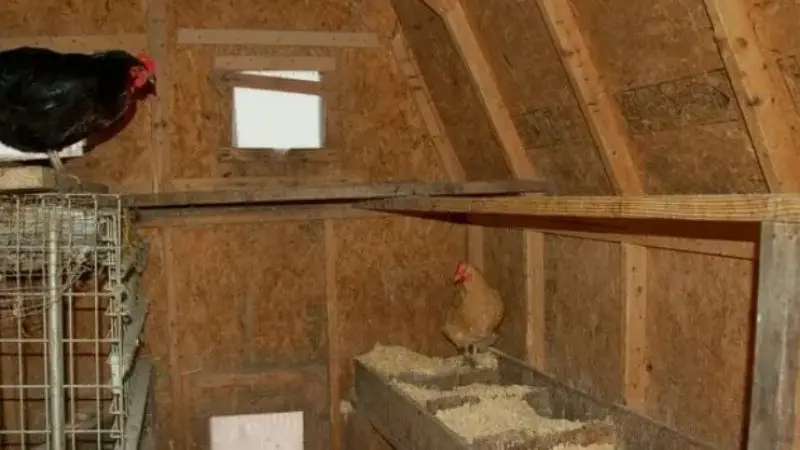
When planning a conversion from a garden shed to a chicken coop, it is important to know how many chickens your space will be able to accommodate comfortably. Chickens require space to move around, to sleep, lay eggs, and complete natural behaviors such as dust bathing. Crowded conditions stress the animals and result in illness and decreased egg production. With proper planning, you will have a happy, healthy flock thriving in your shed chicken coop for 4-6 chickens.
Space Requirements Per Chicken
Giving each chicken enough space is key. Most backyard chicken keepers follow this simple rule:
- Inside the coop: At least 3–4 square feet per chicken.
- Outside in the run: At least 8–10 square feet per chicken.
For example, a shed that’s 8×10 feet (80 sq ft) could technically hold up to 20 chickens inside, but that only works if you have a large outdoor run. Most keepers stick to fewer chickens for comfort, easier cleaning, and healthier birds. More space reduces stress, keeps bedding cleaner, and prevents aggression.
Problems Caused by Overcrowding
Excessive crowding of chickens into a small shed can easily lead to the following problems:
- Chicken pecking and fighting.
- Dirty, smelly bedding.
- Placement at a higher risk of sickness and parasites.
- Reduced egg production
Chickens require space to stretch, flap, and dust bathe. Flocks containing many birds are often known to have missing feathers, squawking loudly, or being aggressive. To prevent problems:
- Before you count your chickens, you must build your coop.
- Be careful of the space of your shed and outdoor run.
- Adhere to the suggested space rules.
Having an ample shed will make it easier to keep chickens. Taking these steps into account assures that your small backyard shed chicken coop ideas will work well for you and your flock.
Essential Accessories for a Garden Shed Chicken Coop
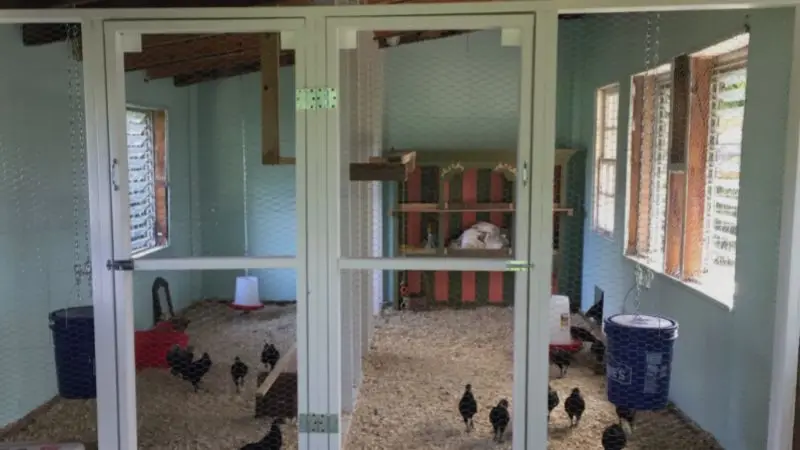
Adding the right accessories can make your shed chicken coop for 4/6 chickens more functional, safer, and easier to maintain. The right setup, from keeping your chickens healthy to decreasing the daily chores and ensuring that your flock is happy. These are must-haves when you are going to convert a garden shed to a chicken coop.
Feeders and Waterers for Healthy Chickens
Chickens require food and water daily. It is important to select feeders and waterers that remain stable and clean. Hanging feeders ensures that the chicken does not scratch to get food out, and the water in the waterers is fresh and does not spill over. Popular options include:
- Hanging Feeder: Eliminates messiness and is simple to fill up.
- Farmer Feeder: Large flocks.
- Gravity Waterer: Can help to maintain water purified with minimal replenishment.
- Nipple Waterer: Prevents spills and keeps water longer.
Install all feeders and waterers above-ground to leave the bedding and droppings outside. This is a slight modification that will speed up your daily cleaning and have your flock in better health.
Chicken Coop Doors and Automatic Openers
A safe door is the way to protect chickens at night from predators. You may use a simple wooden door with a latch or go for an automatic opener for your convenience. Automatic doors allow the chickens to go out in the morning and lock them in at night or dusk, which is perfect if you’re busy or away from home.
Benefits of automatic doors:
- Save time on busy mornings
- Keep predators out at night
- Work even when you’re away
Battery-powered or solar versions are suitable for most sheds, so you can choose one that will suit your coop size.
Chicken Run Ideas for Converted Sheds
Chickens love to be outside, to scratch, peck, and explore. A chicken run off your shed provides them with a safe space to move around and keeps the predators away. Simple runs can be made using wire mesh and wooden posts, but you can also make it more fun and comfortable:
- Add logs/wood stumps for perching
- Hang for pecking with vegetables or treats
- Use tarp/shade cloth to make cool spots
The run should be provided with a roof or wire top to protect from hawks and climbing predators.
With the right feeders, doors, and run setup, it becomes easier for you to manage and more fun for you and your flock in your small backyard chicken coop ideas.
Where Can I Find High-Quality Chicken Coop Accessories Online?
You can buy high-quality chicken coop accessories online through dedicated poultry supply websites, farm equipment retailers, and e-commerce marketplaces. VEVOR offers poultry equipment and coop accessories, while Tractor Supply, Chewy, and My Pet Chicken provide feeders, waterers, nesting boxes, and other flock-care supplies. You can also explore Amazon and Walmart to compare products from different brands, prices, and customer reviews. These online retailers offer various accessories, including automatic coop doors, fencing, and cleaning supplies. Comparing product features, prices, and delivery options helps you choose accessories that fit your coop design, flock size, and budget.
The table below compares six popular online retailers based on their chicken coop accessory selection, delivery options, and key shopping features.
| Online retailer | Chicken coop accessories available | Delivery and shopping features | Best for |
| VEVOR | Feeders, waterers, and coop accessories | Online ordering, product specifications, and published return policies. Check shipping costs and destination eligibility. | Practical equipment at competitive prices |
| Tractor Supply | Poultry feeders, waterers, fencing, and coops | Standard delivery and selected local delivery options; availability varies by location. | Farm and backyard poultry supplies |
| Chewy | Feeders, waterers, and poultry-care products | Online ordering, order tracking, and product reviews. Shipping eligibility varies by destination. | Poultry-care supplies |
| My Pet Chicken | Nesting boxes, feeders, waterers, and flock-care accessories | Online shopping with product-specific shipping and return conditions. | Backyard chicken keepers |
| Amazon | Automatic coop doors, feeders, waterers, nesting pads, and fencing | Multiple brands, customer reviews, and seller-dependent delivery options. | Comparing prices and product features |
| Walmart | Feeders, waterers, fencing, and cleaning supplies | Delivery and pickup options on eligible products, depending on location. | Budget-friendly accessories |
Before placing an order, compare product materials, dimensions, flock capacity, installation requirements, shipping costs, and return policies.
Common Mistakes to Avoid When Converting a Garden Shed Into a Chicken Coop
Even when you plan thoroughly, it’s easy to make mistakes when you are converting a garden shed to a chicken coop. These missteps can have consequences for your chickens in terms of health, comfort, and safety. By knowing what to look out for, you can avoid problems and make your flock happy and healthy at home.
Some of the most common mistakes are:
- Poor Ventilation: Chickens need fresh air to keep them healthy. Skipping vents or windows may result in damp, smelly conditions and sick birds. Always include vents towards the roof or small windows, and cover those vents with hardware cloth to keep predators out.
- Overcrowding: Packing too many chickens into your shed has a whole range of upsetting effects, including stress, fights, dirty bedding, and fewer eggs. Follow space guidelines – 3 – 4 sq ft of space inside and 8-10 sq ft of space in the run per chicken = a comfortable space for a flock.
- Skipping Predator-Proofing: Raccoons, foxes, and rats easily gain access if the doors, windows, or holes aren’t secure. Use strong latches and cover openings with hardware cloth, and check for weak spots.
- Neglecting Cleaning and Maintenance: A dirty coop attracts pests and spreads disease. Use removable mats, deep litter bedding, or sealed flooring to facilitate easy daily cleaning.
- Ignoring Local Rules: Some towns put restrictions on keeping chickens in the backyard or require permits. Always be sure to check zoning laws and regulations before beginning your project in order to avoid fines or forced removal.
Accommodating these mistakes makes sure your little backyard ideas of a shed chicken coop succeeds safe, comfortable and easily to manage. A properly planned coop will not only keep your chickens happy and productive, but it also makes your life as a coop keeper much easier.
Wrap Up
You can convert a garden shed into a chicken coop in a sensible and economical way to enjoy fresh eggs and raise healthy chickens. By doing a lot of planning, checking the area, ventilation, and predator-proofing, you will be able to make an old shed a safe and comfortable place to live with your flock.
Proper flooring, nesting boxes, roosts, and other required accessories also ensure that day-to-day care is not difficult, and insulation and shade can ensure that the chickens are happy all year round. Whether you are building a small backyard shed chicken coop or putting together a cheap DIY chicken coop out of a garden shed, these steps will see you have a functional and long lasting and enjoyable coop long into the future.
FAQ
How to make a chicken coop not smell?
Be sure to check on the coop frequently and clean the bedding. Each week, scoop out the old bedding and refill with fresh straw or shavings. Good airflow will help, and adding some garden lime will help to suck up smells.
However, are all garden sheds good for chickens?
Most sheds can be used, but be sure to look to make sure that the shed is dry with no rotting or wood. Make sure that you will be able to add windows, vents, and other predator-proof features. More space is always better.
Is it necessary to have light in a chicken coop?
Chickens need some form of natural light in order to lay their eggs. If your shed is too dark, you can add a window, skylight, or clear panel. During the day, you can even open the windows to have sunlight and to allow fresh air in.
What are the top materials for coffee coop flooring?
For the flooring of your chicken coop, you can choose to use straw, sand, or wood shavings. These types of materials have the ability to absorb moisture and are useful for cleaning. Though don’t use cedar shavings, as they are harmful for the chickens.