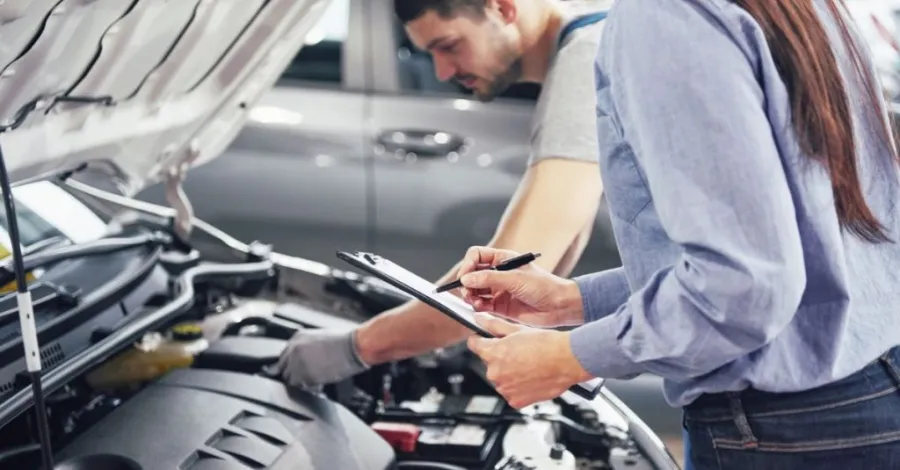
Keeping your car safe and reliable doesn’t have to be complicated. A quick daily vehicle inspection takes just a few minutes and can save you from costly repairs or unexpected breakdowns. By following a simple checklist for car inspection, you can spot small issues before they turn into big problems. It also helps you stay road-legal and confident every time you drive. Many drivers find that using a vehicle checklist makes the process fast, easy, and stress-free. Need a head start? Grab a printable checklist for car inspection, make sure essentials like your car jack are ready, and make safety part of your everyday routine.
Daily Vehicle Inspection Checklist
A simple check prior to driving will spare you the unexpected problems related to driving. A car inspection checklist will make the process easier to follow and keep things straight. With a printable or written list, you simplify and repeat the process. May it be the morning drive to work, a business car, or a trip, this daily routine will keep your car on the road and a safe one. Now, let us see how you can prepare and make use of a checklist to perform your daily drives.
Printable Vehicle Inspection Checklist
A printable checklist keeps your inspection routine quick and stress-free. Instead of relying on memory, you have a clear list to follow:
- Tires & Wheels – Check for wear, damage, and proper air pressure.
- Lights & Signals – Test headlights, brake lights, and indicators.
- Fluid Levels—Inspect oil, coolant, and windshield washer fluid.
- Mirrors & Windows—Ensure visibility and cleanliness.
- Brakes—Listen for unusual noises and check responsiveness.
- Wipers & Washer—Confirm proper operation for clear vision.
- Horn—Make sure it works for safety.
- Safety Equipment – Verify presence and condition (e.g., jack, first aid kit).
Having this step-by-step checklist for vehicle safety inspection in your glove box or garage means you’re always ready to check your car before hitting the road.
How to Use the Checklist
Start your day by picking up your inspection list and walking around your car. Work through each item, marking it as “pass” if everything looks fine or noting issues if something needs attention. You don’t need advanced mechanical knowledge—just check for anything unusual, like low tire pressure or a flickering light.
If you find a problem, schedule repairs quickly. Making this complete checklist for car inspection before buying or driving part of your daily routine helps you avoid breakdowns, extend your vehicle’s life, and drive with confidence. Over time, this small habit pays off in safety and peace of mind.
Why Daily Vehicle Inspection Matters
Daily checks aren’t just for mechanics—they’re for every driver who values safety, reliability, and peace of mind. A quick look over your car each day can prevent costly repairs, help you follow local regulations, and keep your journeys stress-free. By making this a habit, you build a routine that not only protects your investment but also ensures your vehicle is ready for the road ahead. Let’s explore the main reasons this practice matters.
Safety and Reliability
You need your car to work properly every time you drive. A car inspection checklist enables you to recognize issues before they turn into major problems. Examine your brakes, tires, lights, mirrors, and windows every day to prevent accidents and make sure all systems work properly.
Failure to undertake such a step will result in risky conditions, like blowing tires or low visibility due to faulty lights. Whether it is long road trips or daily commuting, a car inspection checklist may help you feel assured and ready. These minutes spent checking up on your car every morning will save you hours of problems later.
Compliance and Prevention
It is usually helpful to keep your car in a safe shape and operable in order to remain in compliance with the host nation laws. A comprehensive list of a used car inspection, whether as a buyer or a daily driver, will help you do that without fines. Breakdowns can also be prevented through regular inspections, which detect worn parts, leaks, or any faulty safety equipment in good time. This entails items such as seat belts, airbags, and emergency kits. This is what you get by checking every day:
- Safety—Prevent accidents and protect passengers.
- Reliability—Reduce the chance of roadside breakdowns.
- Compliance—Meet legal inspection requirements.
- Prevention—Detect and fix small issues before they escalate.
By making inspections a non-negotiable part of your day, you safeguard your vehicle and everyone who rides in it.
Inspection Areas
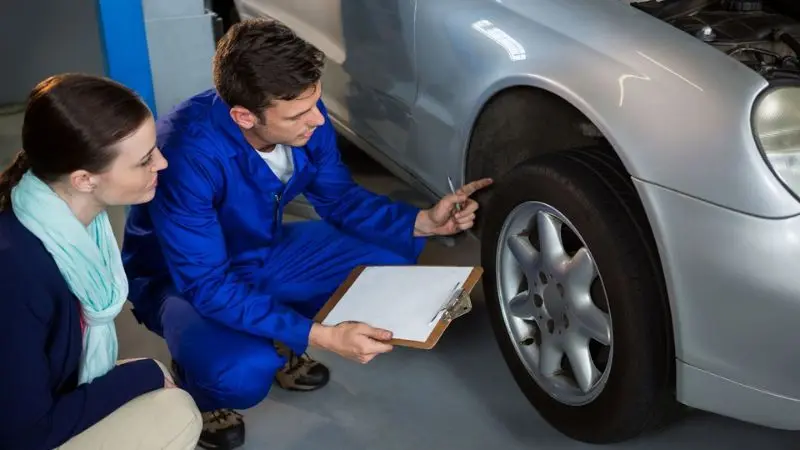
A thorough inspection covers both the inside and outside of your vehicle. By checking each area daily, you can spot small issues before they turn into costly repairs. Using a step-by-step checklist for vehicle safety inspection ensures you don’t overlook important parts like tires, lights, fluids, or safety equipment. Whether you’re doing a routine check, preparing for a long trip, or evaluating a used car before purchase, covering all inspection areas helps keep your vehicle safe, reliable, and ready for the road.
Exterior
Start by walking slowly all around the car. Examine the car carefully to find any scratches or dents that might lead to poor performance or safety of the car. Make sure that doors, windows, and mirrors work. Check the windshield and see whether there are cracks or chips that will cause you to lose vision. Make the mirrors and windows clean so there is clear visibility.
When purchasing a car, it would be safe to have a car inspection checklist in which you note any issues that you observe so that they can be corrected immediately. A few minutes to examine the exterior of your car daily will keep it in shape and make it look good; moreover, it will make you safe to drive it on any road.
Tires and Wheels
Tires are one of the most important safety components on your car. Look for visible damage such as cuts, bulges, or objects embedded in the tread. Use a pressure gauge to confirm the tires are inflated to the manufacturer’s recommended level. Inspect the tread depth to make sure it’s sufficient for traction, especially in wet or slippery conditions.
Check for uneven wear, which could signal alignment problems. Spinning each wheel briefly helps identify stiffness or imbalance. Adding tire checks—and making sure your car jack is ready—to your car inspection checklist for long road trips boosts safety, improves braking efficiency, and ensures a smoother, more reliable driving experience.
Lights and Signals
Good lighting will help you be visible to other motorists and will enhance your visibility. Check the headlights, brake lights, turn signals, and hazard lights, one at a time. You must go around your car and ensure every light operates and is quite bright. Any burnt-out bulbs should be replaced immediately because inoperable lighting may cause accidents and result in fines.
Light covers should be clean to get the most visibility. To guarantee road safety laws compliance and effective communication with other car users, it is rational to add light checks to your entire checklist of controls before purchasing or driving a routine car.
Fluids
Under the hood, check vital fluids such as engine oil, coolant, brake fluid, and windshield washer fluid. Low oil can damage the engine, while low coolant can cause overheating. Insufficient brake fluid can reduce braking efficiency, and washer fluid is essential for keeping your windshield clear. Look for leaks under the car and investigate them quickly.
Keeping these fluids topped up is a crucial part of any detailed used car inspection checklist for buyers, as it indicates proper maintenance and prevents serious mechanical issues. Regular fluid checks help your car run smoothly and extend its lifespan.
Interior
Ensure all the safety functions and controls within the car are functional. Click every seat belt to make sure that it is latched and sturdy. Check the dashboard to see warning lights that may indicate the need for maintenance. Make sure the horn is loud and clear, and the windshield wipers move easily and are effective in cleaning.
Adjust mirrors so that you can see as many things as possible. To have an extra sense of comfort, control, and preparedness in any driving situation, incorporating interior checks into your step-by-step checklist of vehicle safety inspection is always a great idea.
Safety Equipment
Tools of emergency may count a lot in case of a breakdown or an accident. Check your first aid kit and make sure all gadgets are fully stocked and not expired. Make sure that your fire extinguisher is charged and accessible.
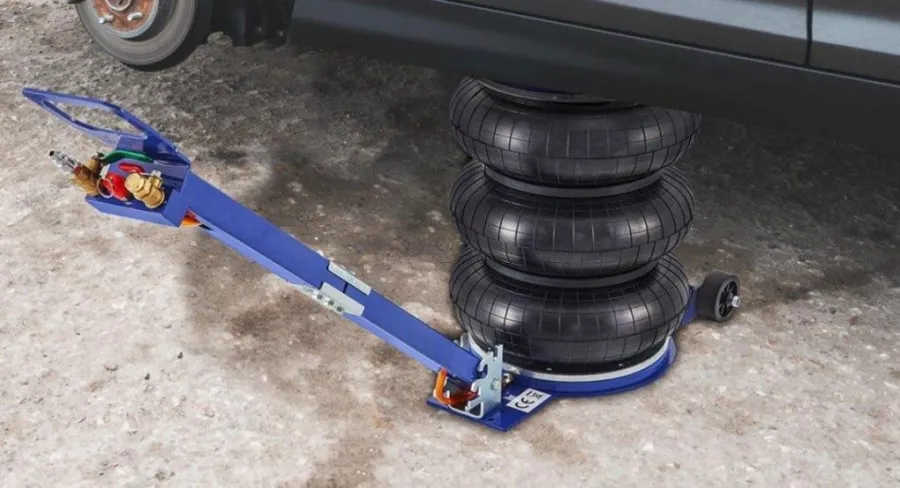
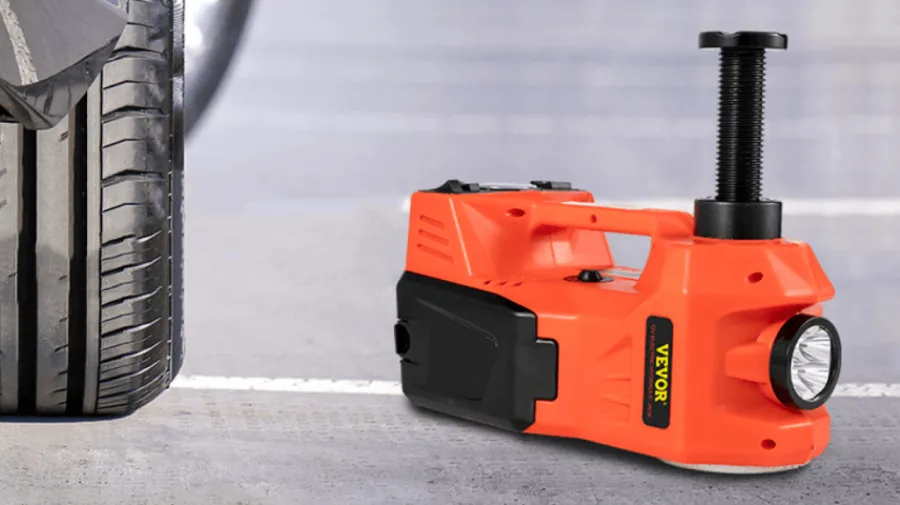
Carry a car jack and a working flashlight with extra batteries, and have a warning triangle or flares in the car. When you own an air compressor, test it to make sure that it is working. Include the list in your car inspection checklist—it will help you be ready in an emergency and be more secure on the highway.
EV Battery and Charging
In electric vehicles, it is necessary to have battery health. Always make sure that you have an adequate battery charge before making a trip, particularly on a long drive. Check that the charging cable is not damaged or worn, and connections are clean and stable. Monitor the dashboard low-battery and charging system warning lights.
When something seems wrong, have a charge or maintenance immediately. A fit battery saves you the trouble of getting on your way, and it leads to constant performance. By including EV checks on your car inspection checklist when planning a long road trip, you ensure a less stressful and smoother travel experience without unexpected stops to recharge.
Checklist Tips
A checklist is only effective if you use it consistently. Making inspections part of your daily habits ensures your vehicle stays in good condition and ready for the road. Whether you’re following a step-by-step checklist for vehicle safety inspection before work or a car inspection checklist for long road trips, the key is routine. By checking your car regularly, you’ll catch small problems before they turn into bigger, more expensive repairs. Let’s look at how to build this habit and what to do if you find issues during your inspection.
Making Inspections a Habit
Daily inspections become second nature when tied to your regular schedule. Keep your printable checklist in your glove box or somewhere you’ll see it often. Try these ideas to make it stick:
- Set a daily phone reminder.
- Perform the check at the same time every day.
- Link it to another habit, like your morning coffee.
- Ask a family member to remind you.
By following a complete checklist for car inspection before buying or driving daily, you ensure your car remains safe, reliable, and prepared for any trip.
What to Do If Issues Are Found
It is not necessary to panic about discovering a problem in your inspection. Start by writing down the problem in your checklist to be able to follow it. Simple issues you can fix yourself, such as filling the washer fluid or inserting air into a tire. More major faults, such as brake faults, require the services of a professional mechanic.
Never go on the road again before repairing the fault that interferes with safety. This practice, combined with a thorough used car inspection checklist when selling or buying a car, will help you address the problem early enough, maintain a car in perfect condition, and prevent any risky situation while on the road.
Wrap up
A daily vehicle inspection is one of the simplest habits you can adopt to keep your car safe, reliable, and ready for any journey. By following a checklist for car inspection, you can quickly spot small problems before they become costly repairs. Whether you use a step-by-step checklist for vehicle safety inspection for everyday driving or a car inspection checklist for long road trips, this routine helps protect you, your passengers, and others on the road. Consistency is key—make inspections part of your day, address any issues promptly, and enjoy the peace of mind that comes with a well-maintained vehicle.
FAQ
What is a daily car inspection?
It requires only a several minutes you spend doing a regular check daily. Circle your car and inspect every item in your checklist, and check what you note. Frequent scans allow you to notice issues at an early stage.
Does daily inspection require the use of special tools?
You do not require fancy equipment. A tire pressure gauge and a flashlight assist, but the rest depends on the eyes of your hands. In case you drive an EV, take your charging cable with you.
What do I do in case I detect a problem in my check?
Put the problem on your checklist. Correct minor things, such as low washer fluid, immediately. In larger problems, it is your mechanic on the phone. Completely disregard safety.
In case I am short of time, can I omit the inspection?
Do your best not to miss it. It can keep you safe even to glance at your tires, lamps, and mirrors. Part of making it a habit, just as you do when you buckle up in the car.