The right vacuum sealer can make a great difference in how long your food remains fresh and how easy it is to store. Chamber vacuum sealers and external vacuum sealers present the two key options that people consider. They are both meant to remove air from food packaging, but they work very differently and serve different purposes. Some are more appropriate for home kitchens, and others are designed for heavy use in commercial applications. We shall explicitly compare the two types, features, pros, and limitations in this guide so that you can easily decide which vacuum sealer best suits your requirements.
What Is A Chamber Vacuum Sealer?
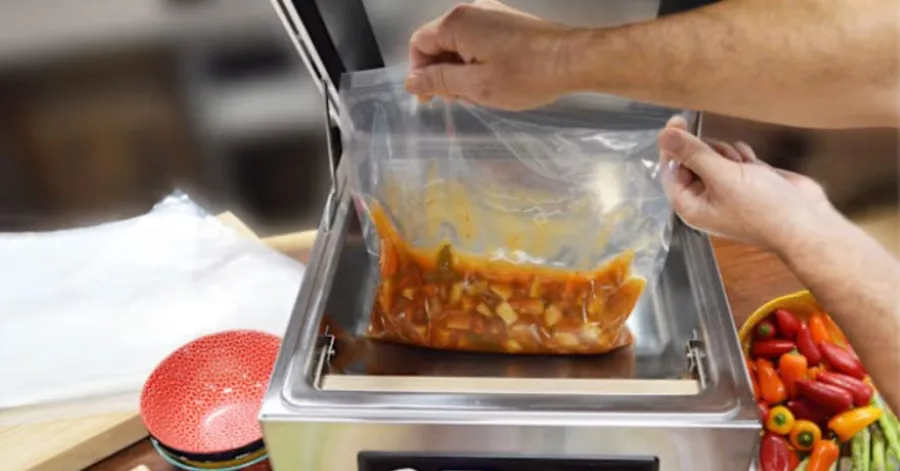
A chamber vacuum sealer is a machine that removes all the air from a sealed bag housed in a closed chamber. It is commonly employed in food storage, food preparation, and commercial packaging. The process extends food’s shelf life by reducing air exposure.
How A Chamber Vacuum Sealer Works
A chamber vacuum sealer operates by placing the entire bag into a vacuum chamber. When the lid is closed, the machine removes all the air from the entire chamber rather than just the bag. This is because equal pressure helps seal liquids and soft foods without spillage. The bag is then tightly closed after removing all air from the chamber and returning the chamber to normal atmospheric pressure.
The distinction between a chamber and an external vacuum sealer machine is principally the way in which air is removed. External sealers remove air only through the bag opening, whereas chamber sealers remove all the air from the entire chamber. This results in a stronger, more dependable chamber machine for handling wet or heavy food. They are commonly found in professional kitchens because they provide high, consistent sealing performance.
Key Features Of Chamber Vacuum Sealers
The chamber vacuum sealers are characterized by their high sealing force and capacity to process a very wide variety of foods. They are particularly effective in liquids, marinades, and soft products without losing suction. This makes them highly useful in both domestic and commercial kitchens, where food quality is important. Before settling on the appropriate model for daily use, many users compare the advantages and disadvantages of chamber and external vacuum food sealers.
Their commercial-quality performance is one of the greatest benefits, providing long-term storage and improved freshness. The question people frequently ask is which type of chamber or external vacuum sealer is best to use at home, because chamber machines are effective but may be expensive. Nevertheless, they are ideal when they need to be used heavily, store a lot of goods, and prepare food with strong, airtight seals every time.
What Is An External Vacuum Sealer?
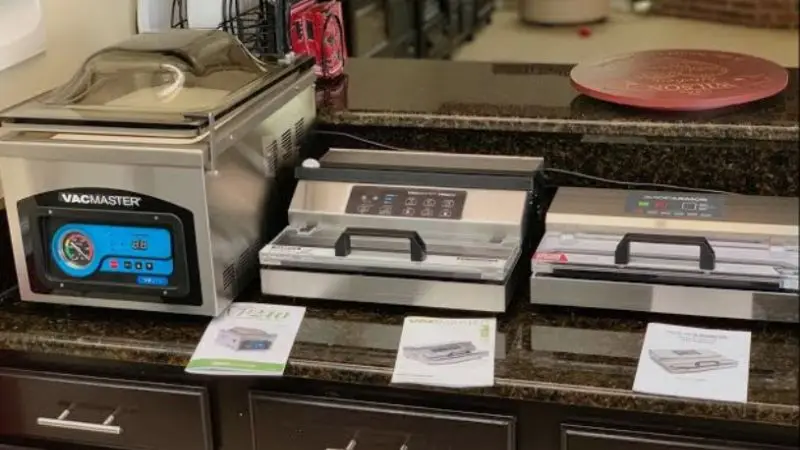
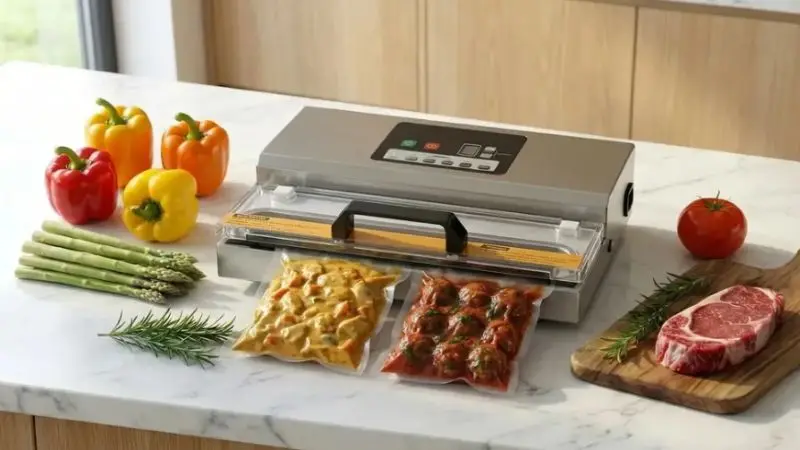
An external vacuum sealer is a common kitchen appliance that removes air from special bags and seals them tightly. It operates outside the bag rather than using a closed-chamber system. This renders it small and can be easily stored in a home kitchen. Before purchasing a chamber vacuum sealer or an external vacuum sealer, many users compare them, as both are used for the same purpose but operate on different principles. Depending on their food storage needs and budget, people often wonder which is better, a chamber vacuum sealer or an external vacuum sealer.
To use it, it is best to understand how it works to select the appropriate option to preserve food daily.
How An External Vacuum Sealer Works
An external vacuum sealer has a clamping system. The machine is filled with the open end of the bag, and the lid is tightly closed. The machine then only removes air through the bag opening and then closes the bag. This leaves an empty bag and preserves food longer.
The difference between chamber and external vacuum sealer machines is that external sealers can only remove air from the bag itself, whereas chamber machines can remove air from the entire sealed area. As a result, external sealers are easier and more appropriate for daily home use. They are, however, not good with liquids or very wet foods, as suction may draw out moisture when sealing the food.
Key Features Of External Vacuum Sealers
External vacuum sealers are popular due to their compactness, lightweight, and low prices. They do not take up much space and thus would fit in any small kitchen. They are popular among beginners because they are easy to use and require no special training.
In a comparison of the advantages and disadvantages of chamber and external vacuum food sealers, external vacuum models are identified as a convenient alternative for home use. They are very efficient with dry foods such as snacks and grains, as well as frozen foods. Nevertheless, they might have problems with fluids or complicated sealing operations. That is why individuals tend to find out the type of chamber or external vacuum sealers to be used at home before making a decision. External sealers are a viable and cost-effective option to serve light to moderate kitchen use.
Chamber vs External Vacuum Sealer: Main Differences Explained
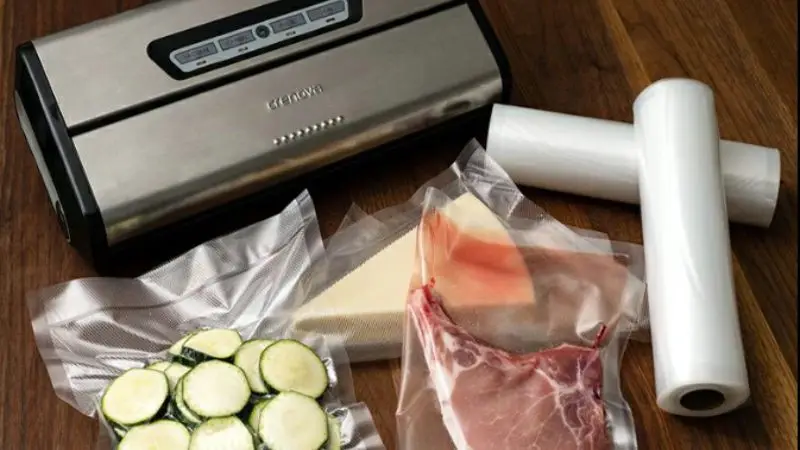
When deciding which type of machine to buy for vacuum sealing, one should actually know how each machine works in real life. The two machines preserve food freshness; however, their performance, cost, and usage differ. Before purchasing a chamber vacuum sealer vs an external vacuum sealer, many people compare them. Others also ask which is better: a chamber vacuum sealer or an external vacuum sealer, to find the most suitable one to use at home or in business.
Which Machine Seals Food Better
The sealing performed by chamber vacuum sealers provides stronger, more reliable sealing because it removes air from the entire chamber. This makes them perfect for liquids, sauces, and soft foods. External vacuum sealers only evacuate air at the bag opening, an operation that effectively removes air from the bag for dry food but is less effective for wet food. It is at this point that knowledge of the distinction between the chamber and external vacuum sealer machine comes in very handy in making a choice.
Which One Costs Less to Buy
External vacuum sealers are far more affordable and less budget-intensive, and as such have become a popular choice amongst home users. Chamber vacuum sealers are pricier because they are designed for heavy-duty, professional applications. When individuals weigh the benefits and drawbacks of chamber and external vacuum food sealers, cost is often one of the most important factors. Your budget usually determines which machine is most appropriate for you.
@theoutdoorcousin Everyone knows that when you have a garden or you go hunting that you’ll end up with a lot of extra food. Well now you can vacuum seal it like the professionals and keep it good for years with this! #gardening #hunting #survivaltips #homesteading
♬ original sound – The Outdoor Cousin
Which One Is Easier to Use at Home
External vacuum sealers are extremely user-friendly and ideal for beginners. You simply put the bag and begin to seal. Chamber vacuum sealers are simple and yet a little more advanced because of their closed system. Many users keep this in mind when choosing the most appropriate type of chamber for a vacuum sealer, or even an external one, so they can use it whenever they want to do quick, hassle-free tasks in their kitchen.
Which Foods Each Machine Works Best With
Virtually anything, including liquids, marinades, and soft foods, can be placed in chamber vacuum sealers without any mess. External sealers are effective for dry foods, such as snacks and grains, as well as for frozen foods. This distinction is significant when comparing chamber and external vacuum sealer machines, as using the wrong machine can affect sealing quality and food freshness.
Which One Lasts Longer and Handles More Use
Chamber vacuum sealers are designed for long-term, heavy use, which is why they are the best fit for restaurants and bulk storage. Light home use and occasional sealing are better with external vacuum sealers. Durability is also a factor when considering the advantages and disadvantages of chamber vs external vacuum food sealers. The correct one will depend on how often you intend to use it and how much food you will need to seal regularly.
Pros And Cons Of Chamber Vacuum Sealers
Chamber vacuum sealers are strong machines designed for heavy-duty use and food storage. Their popularity is attributed to their good sealing performance and their ability to work with a range of foods. Nevertheless, they are also associated with a couple of limitations that may not apply to all home users.
Strengths
- Offer extremely powerful, reliable vacuum sealing to ensure food lasts longer.
- It can safely seal liquids, sauces, and marinated foods without spills.
- Constructed to be heavily and repeatedly used, suitable for large-scale storage.
- Provide professional-level performance in line with commercial kitchens.
- Preservation of food quality and freshness over a long period.
Limitations
- Costlier than outside vacuum sealers, which are less expensive.
- A larger size will require more kitchen space to set up and store.
- May is perhaps more developed than is required for simple food-sealing jobs at home.
- Being heavier, they are less portable.
- An increased initial cost of investment for casual users.
Best Use Cases
- Ideal in restaurants, catering services, and commercial kitchens.
- Ideal when preparing bulk food and storing it for the long term.
- Ideal for sealing liquids, soups, and moist food products.
- Appropriate for those users who often vacuum-seal large amounts of food.
- Professional or high-volume kitchen use is recommended.
Pros And Cons Of External Vacuum Sealers
External vacuum sealers are cheap, easy to use, and commonly used in home kitchens. They are a daily food storage device, and are particularly favored by novices. Although convenient and easy to use, they also have certain limitations compared to chamber sealers.
Strengths
- Low-priced and affordable to the majority of home budgets.
- It is small in size and consumes less time in the kitchen.
- Extremely easy to operate, and are therefore suitable for the novice.
- Perfect for daily food storage and freezing requirements.
- Pairs well with dry food items like snacks, grains, and vegetables.
Limitations
- Unsuitable for sealing liquids or very wet food.
- Less powerful suction than chamber vacuum sealers.
- Weaker for heavy or continuous use.
- Moisture at the bag opening may reduce seal performance.
- Not well-suited to commercial or large-scale applications.
Best Use Cases
- Ideal for an in-home kitchen and small families.
- Perfect for storing dry foods and leftovers.
- Applicable to freezing snacks, meat, and vegetables.
- Good at infrequent vacuum sealing jobs.
- Most suitable for users with a limited budget and space.
Which Vacuum Sealer Is Better For Home Use vs Commercial Use
When selecting a vacuum sealer, the ideal one depends on how and where you will use it. Home users tend to require something easy and cheap, whereas commercial users require a strong and long-lasting performance. Both machines can perform well; their purposes are very different. That is why it is necessary to understand the differences between the chamber vacuum sealer and the external vacuum sealer before making a choice. It can also be used to compare the chamber vacuum sealer and the external vacuum sealer to determine which is better in various applications.
Best Choice for Home Use
External vacuum sealers are typically the better choice due to their ease of use, affordability, and, where applicable, compact size. These are ideal for daily food storage such as snacks, leftovers, and frozen food. The advanced features are unnecessary to most home users, and simplicity is more important. When determining which type of chamber or external vacuum sealer is best to use at home, an external vacuum sealer is typically the most viable option for beginners.
External vacuum sealers are also cheaper, and so they are best suited to fit small kitchens. They do not take up much space and are very easy to use, even for first-time users. This would suit well individuals who require the food items to be preserved without incurring a lot of money.
Best Choice for Commercial Use
In commercial use, the clear choice would be chamber vacuum sealers as they are made to work in heavy-duty environments. Restaurants, catering services, and the food industry require machines capable of operating continuously and processing large amounts of food. Knowledge of what constitutes a chamber and an external vacuum sealer machine can explain why chamber models are more popular in professional kitchens.
Chamber vacuum sealers offer stronger sealing, greater durability, and easier handling of liquid and bulk packaging. They are constructed to work long hours without compromising on performance. Comparing the pros and cons of chamber versus external vacuum food sealers, it is evident that chamber machines perform well, are strong, and capable of working in harsh commercial conditions.
How to Choose Between Chamber and External Vacuum Sealers
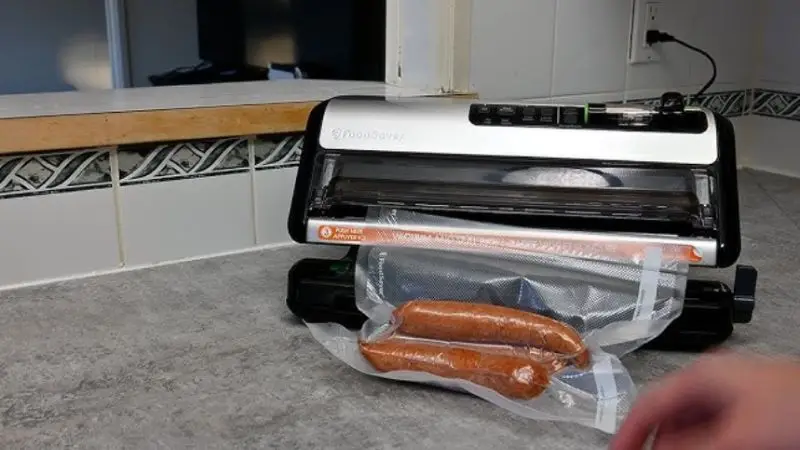
It becomes simple to decide between chamber and external vacuum sealers once you understand your daily needs, budget, and food habits. The two machines help preserve food, but they are designed to suit different users. Before purchasing a chamber vacuum sealer vs. an external vacuum sealer, many people tend to be confused. It also helps answer whether a chamber vacuum sealer or an external vacuum sealer is better in practice, based on actual kitchen use.
How Much You Want to Spend
One of the most crucial factors when selecting a vacuum sealer is your budget. External vacuum sealers are also cheaper and easier to use at home, so they are ideal if you want something simple and affordable. The reason is that chamber vacuum sealers are more expensive as they are designed to be heavy-duty and professional. In considering the pros and cons of chamber vs external vacuum food sealers, the biggest variance is normally price. When you simply need to store your daily food, external sealers are not only cheaper, but also can work well. However, for high performance and high usage, the chamber sealer will be a better investment for serious users.
What Type of Food Will You Store
The nature of the food you intend to store is a major factor that would influence you. Chamber vacuum sealers are excellent for all types of food, including liquids, sauces, marinades, and soft foods, as they enclose them in a chamber. External vacuum sealers are more suitable for dry foods such as snacks, rice, pasta, and frozen foods. Their ability to handle liquids may be limited, making sealing them problematic. Knowing the difference between chamber and external vacuum sealer machines can help you make the right decision and choose the correct machine. When you primarily store dry food, you can use an external chamber, but with mixed types of food, the chamber is more flexible.
How Often You Will Use It
Another factor is the frequency of using the machine. An external vacuum sealer is typically sufficient if you only need it occasionally for cooking or preserving leftovers at home. It is easy, fast, and simple to operate, requiring little effort. However, when you plan to use it daily or in large quantities, a chamber vacuum sealer will be more efficient, as it is designed for bulk use. The most common type of chamber or external vacuum sealer used by many users in their homes is based on the frequency of use. Exterior machines are well matched for light use, whereas frequent or heavy use is better suited to the chamber models.
How Long Do You Want to Store Food
Your storage objective also helps you choose the right machine. An external vacuum sealer is suitable if you want to store food fresh for a short time or freeze it for weekly use. However, a chamber vacuum sealer would be more appropriate if you need to keep your items in a chamber to ensure a stronger, more airtight seal. This helps food remain fresh longer without compromising it. Storage time is an important factor when comparing a chamber vacuum sealer vs. an external vacuum sealer. External storage will be more suitable for everyday storage, whereas the chamber will be more suitable for long-term preservation and large food quantities.
Common Mistakes When Choosing A Vacuum Sealer
It might seem easy to choose a vacuum sealer, but most people make mistakes that lead to poor performance or financial loss. Chambers and external machines serve different purposes; therefore, it is important to be aware of their functions before purchasing them. Comparing a chamber vacuum sealer and an external vacuum sealer is a common comparison many buyers make to avoid confusion. It is also useful for answering whether a chamber vacuum sealer or an external vacuum sealer is better, based on actual needs rather than assumptions.
The following are typical errors one should avoid.
Ignoring Your Actual Usage Needs
The most common mistake one may make is not considering how one will actually use the machine. There are even those who purchase costly chamber sealers when all they require is simple food storage. Some purchase external sealers only to discover they can’t seal liquids or large amounts. That is why it is important to comprehend the difference between chamber and external vacuum sealer machines. When you use it lightly and occasionally, then all you need is a simple external sealer. However, when you intend to use it heavily or frequently, a chamber machine would be more appropriate. It is recommended to match the machine to your actual kitchen requirements to prevent wastage and disappointments.
Choosing the Wrong Type of Machine
The other error is to choose the wrong kind of vacuum sealer without making the right comparison. External sealers are lighter and less complex and are better suited to dry, simple home use, whereas chamber sealers are heavier and more complex and are designed for dry, simple home use. Most users do not consider the pros and cons of chamber vs external vacuum food sealers prior to purchase, which subsequently results in low performance later. The wrong choice of machine may lead to poor sealing or a needless high price. Never force yourself to decide on the type of machine to purchase unless you understand the kind of food you want to prepare.
Not Checking Bag Compatibility
Many people overlook the need to ensure their vacuum sealer works with the appropriate type of bags. External vacuum sealers typically require textured bags to generate sufficient suction, whereas chamber sealers can use smoother, easier-to-use bags. When you use the wrong bags, seal quality may decrease, or the machine may not work properly. This is a crucial consideration when determining the most effective type of chamber in a vacuum sealer or external type that can be used at home. Always ensure that the bags are compatible with your machine to achieve better sealing and preserve food better.
Wrap Up
When you know how they actually work and what you need them to do, then you can far more easily decide between chamber and external vacuum sealers. Chamber sealers are robust and ideal in heavy-duty or commercial environments, whereas external sealers are simple, cheap, and suitable in everyday home food storage. When you align the machine with your budget, type of food, and level of usage, you can avoid pitfalls and achieve better long-term performance.
There are many buyers who ask chamber vacuum sealer vs. external vacuum sealer, which is better, but the actual answer is in their individual needs and not just on one best alternative.
FAQ
Which vacuum sealer is most suitable when one is new to the vacuum sealer?
External vacuum sealers are also user-friendly for beginners since they are simple to operate, inexpensive, and have straightforward settings.
Is it possible to use chamber vacuum sealers at home?
Yes, home use of chamber vacuum sealers is possible, but they tend to be more appropriate in cases where heavy-duty sealing is necessary or large amounts of food have to be stored on a regular basis.
Are external vacuum sealers able to work with liquids?
Liquids do not make good external vacuum sealers since the suction can suck out moisture and influence the quality of sealing. Liquids are much safer in the hands of chamber sealers.
What are the foods that I should not seal using exterior machines?
It is advisable not to use outer sealers to seal very wet food, soups, and sauces because they can leak or fail to seal properly.
Does a chamber vacuum sealer pay off?
Yes, however, primarily commercial users or severe home users will need strong sealing, large storage areas, and long-term food preservation.