You find yourself on the side of the road with a flat tire. At home, you might need to lift your car for an oil change. The choice between a car jack vs floor jack affects your safety and convenience in these situations. Knowing the difference helps you select the right tool for your needs.
What is a car jack?

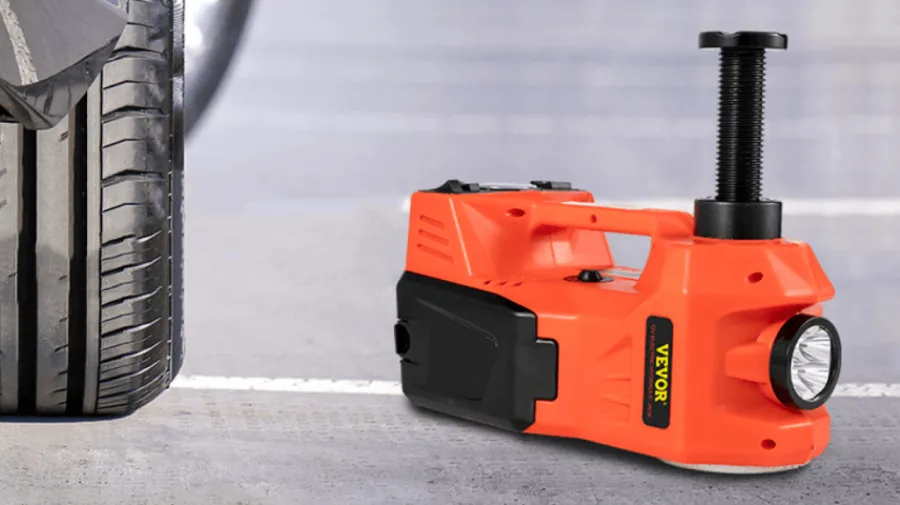
A car jack is a tool you use to lift your vehicle off the ground. You often find it in your trunk, ready for roadside emergencies. When you need to change a tire or check under your car, this tool helps you raise one corner or side of your vehicle safely.
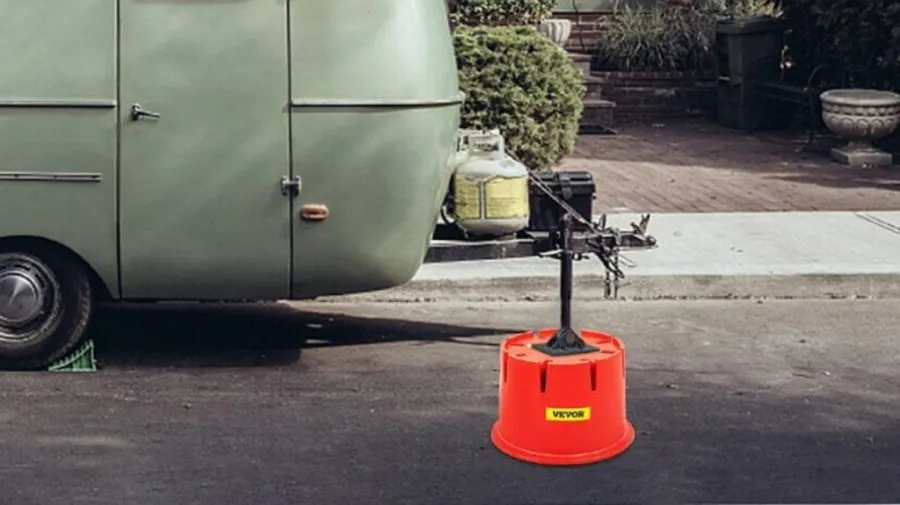
You will see many types of car jacks. Some of the most common include:
- Scissor jacks
- Bottle jacks
- Farm jacks
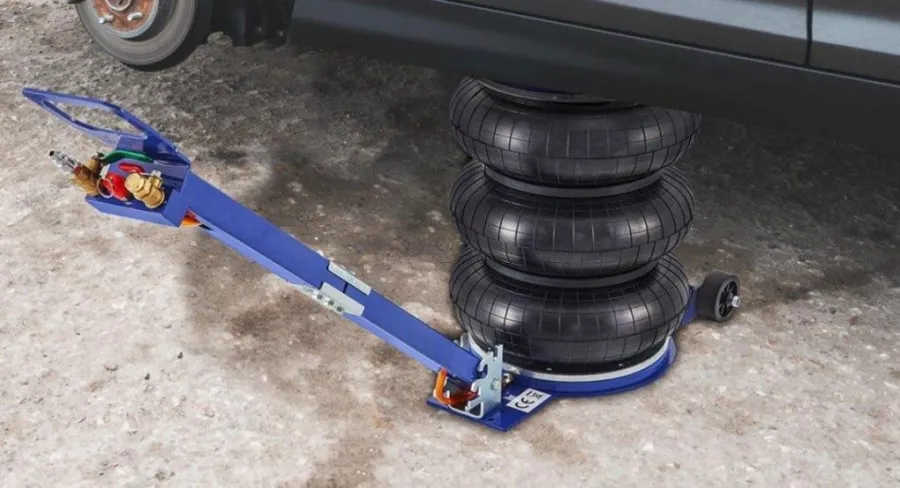
- Air jacks
- Pneumatic jacks
- Hi-lift jacks
- Strand jacks
- Trolley jacks
- Motorcycle jacks
Each type works a bit differently, but they all serve the same purpose: to help you lift your car. Most drivers use a scissor jack or a bottle jack for quick fixes. These jacks are small and easy to store, making them perfect for emergencies.
When you look at weight capacity, a 2-ton jack usually works for most cars. If you drive a heavier vehicle, you might want a jack that can handle more weight, like a 3-ton model. Some lighter cars can use a 1.5-ton jack. You should always check your car’s weight before choosing a jack.
In the car jack vs floor jack debate, car jacks stand out for their portability and ease of use during emergencies. You may not get the same stability as a floor jack, but you gain convenience when you need it most.
What is a floor jack?
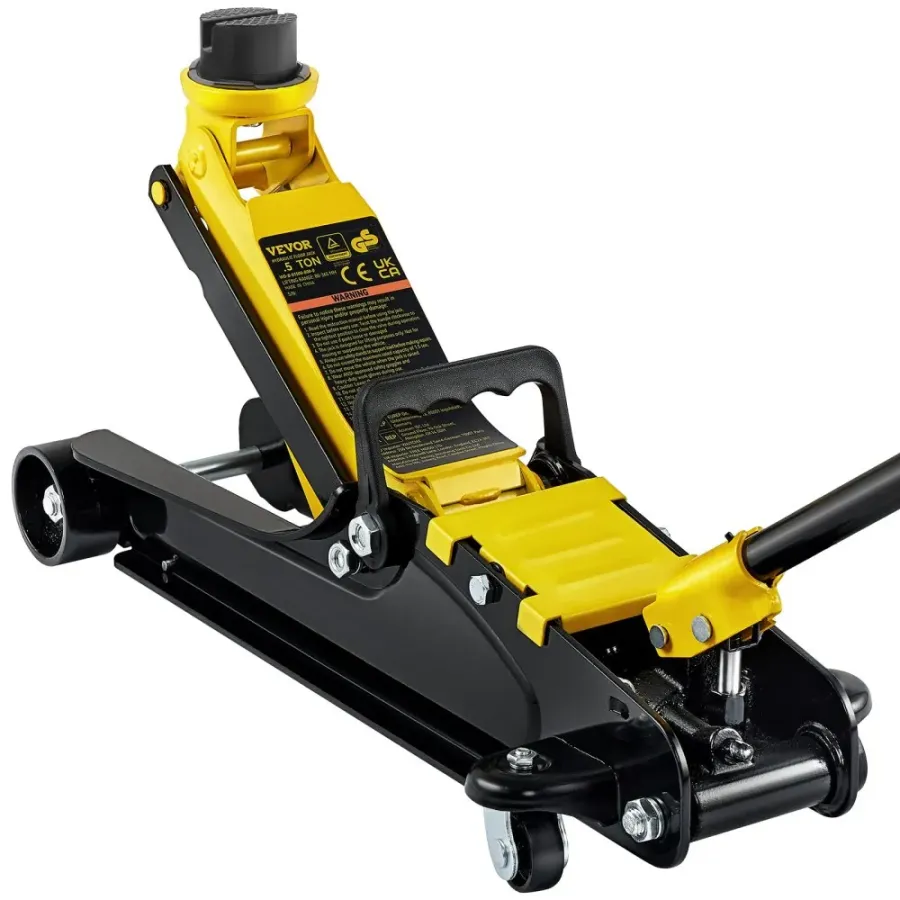
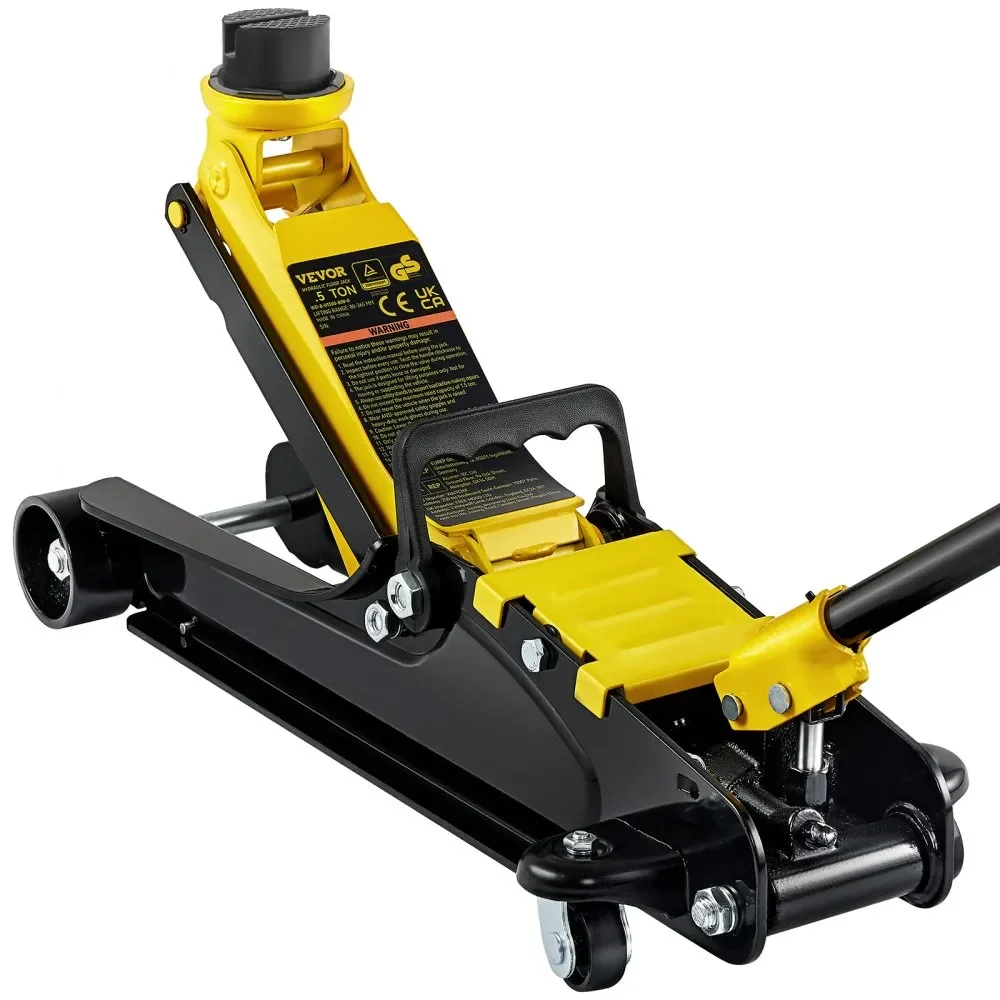
A floor jack is a tool you often see in garages or workshops. You use it to lift vehicles for repairs or maintenance. Unlike a car jack, a floor jack sits flat on the ground and has a long handle. You move it easily because it has wheels and casters.
You will notice that a floor jack uses a hydraulic system. This system lets you lift heavy vehicles with less effort. Here is how it works:
- A horizontal piston pushes on a bellcrank, which creates vertical motion to lift your car.
- The hydraulic mechanism uses an incompressible fluid. This fluid multiplies the force you apply, making it much stronger than a simple screw jack.
- The jack has two cylinders, one large and one small. Both have equal pressure, but the larger cylinder creates more force because of its size.
You can find floor jacks in different sizes. Most are rated by how much weight they can lift. For small cars and sedans, a 2-ton floor jack is usually enough. If you drive a full-size sedan, crossover, or mid-size SUV, a 3-ton model is a better choice. Larger SUVs and trucks may need a 3-ton or 4-ton jack.
When you compare a car jack vs floor jack, you see that floor jacks offer more stability and power. They work best for garage maintenance and repairs, not for roadside emergencies.
Car jack vs floor jack: main differences
Design and operation
When you look at the design, you see clear differences between a car jack and a floor jack. A car jack often uses mechanical parts like gears, levers, or screws. You turn or crank these parts to lift your vehicle. This design works well for quick jobs, such as changing a tire on the side of the road.
A floor jack uses a hydraulic system. You pump a long handle, and the jack lifts your car with less effort. The hydraulic fluid multiplies your force, so you can raise heavier vehicles easily. You notice that floor jacks have a wide base and wheels. This design gives them better balance and stability.
The operation also feels different. With a car jack, you may need more physical strength. You might spend more time lifting your car. A floor jack rises quickly and smoothly. You use less energy, and you get more lifting power.
Portability
Portability matters when you choose between a car jack and a floor jack. You find that car jacks are small and light. You can store one in your trunk or under a seat. When you face a roadside emergency, you grab your car jack and set it up fast.
A floor jack is bigger and heavier. You usually keep it in your garage or workshop. Moving a floor jack takes more effort, and it does not fit in your car easily. If you need to lift your vehicle away from home, a car jack is the better choice.
You see that some drivers use scissor lifts with wide bases for extra stability. Floor jacks can work on unpaved surfaces, but they are not as easy to carry. For quick roadside fixes, portability gives car jacks an advantage.
Safety and stability
Safety and stability are important when you lift your car. Floor jacks have a wide base and wheels. This design keeps your vehicle steady while you work. You feel more confident using a floor jack for big repairs or heavy vehicles.
Car jacks can slip if you do not place them correctly. You must use them on flat, solid ground. Statistics show that jack failures cause thousands of injuries each year. Most failures happen because the jack slips or tips over. You should always check your jack and use it carefully.
Floor jacks offer better balance. You see fewer accidents when you use a floor jack in a controlled setting. For tire changes, car jacks work well if you follow safety tips.
Usability
Usability affects your choice in the car jack vs floor jack debate. Car jacks are easy to use for simple tasks. You follow the instructions, and you lift your car for a tire change. Some car jacks fit only certain vehicles. You may need to check if your jack matches your car.
Floor jacks work for many types of vehicles. You roll the jack under your car, pump the handle, and lift with ease. You do not worry about matching the jack to your car model. Floor jacks save you time and effort, especially for regular maintenance.
Drivers sometimes find car jacks tricky. You may struggle with placement or lifting. Floor jacks solve many of these problems. You get a smoother, faster experience.
When you compare car jack vs floor jack, you see that each tool has strengths. Car jacks win for portability and quick fixes. Floor jacks offer more stability and easier operation for garage work.
How to choose the right type of jack
Emergency use
You will be in need of a jack that is lightweight and fast to set-up when you experience a roadside emergency. The majority of drivers have a scissor jack or bottle jack in their trunk. These jacks are of low weight and small size. They can be stored in tight places and they are also good for changing a tire.
Consider the weight of your car and ground clearance before making your choice. Ensure that the jack is positioned under your car and it has the capacity to lift it. Safety features matter, too. Search solid-base jacks and locking mechanisms. In the case of an emergency, it should depend on portability and storage.
Garage maintenance
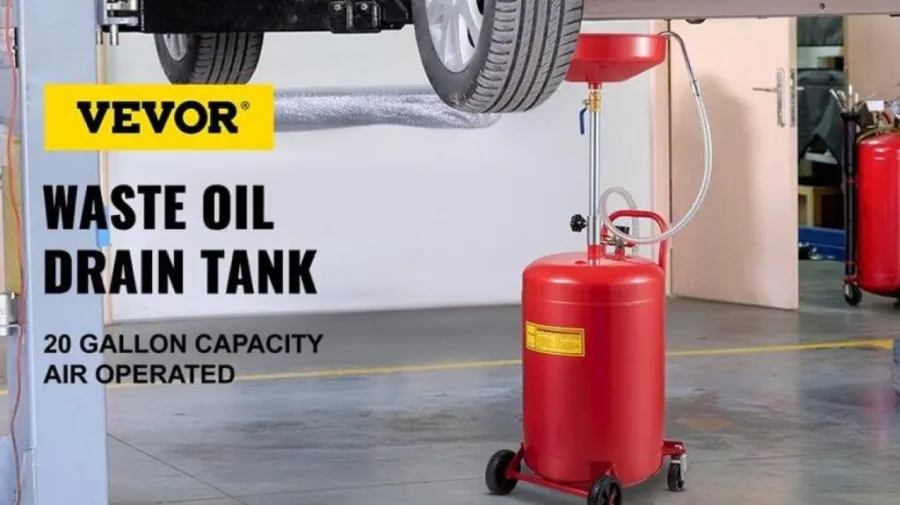
For regular maintenance at home, a floor jack offers more stability and lifting power. You can lift your car quickly and with less effort. A hydraulic floor jack helps you work on heavier vehicles and gives you a stable platform.
Regular maintenance of your floor jack, like checking for leaks and lubricating moving parts, keeps it working well and safe. This type of jack improves efficiency when you do oil changes or brake repairs. You get more control and safety during garage work.
Vehicle type
Your vehicle’s size and weight play a big role in your decision. Lighter cars, like sedans, work well with scissor or bottle jacks. Heavier vehicles, such as SUVs or trucks, need a stronger jack. Floor jacks or air jacks handle more weight and provide better support. For sedans, a 2-ton or 4-ton jack is usually enough. Larger SUVs may need a 3-ton or 4-ton jack. Always match the jack’s lifting capacity to your vehicle’s weight.
Budget
Your budget affects your choice, too. Higher-priced jacks often last longer and offer better safety. Lower-priced jacks may work for occasional use but might not be as durable.
If you use your jack often, investing in a quality model can save you money and trouble in the long run. When you compare car jack vs floor jack, think about how often you will use it and what you need it to do.
You see clear differences between a car jack and a floor jack. A car jack works well for emergencies because it is light and easy to store.
A floor jack for garage uses gives you more stability and power for garage work. Experts suggest the Big Red 4-Ton Torin Hydraulic Low Profile Service/Floor Jack for everyday drivers.
You might also like the Husky 3-Ton Low Profile Floor Jack if you want a budget option. Most accidents happen from using jacks the wrong way, so always check your jack’s capacity and use jack stands for safety. Regular checks and cleaning help your jack last longer. Choose the right tool for your needs, and you stay safe and ready for any job.
FAQ
What is the safest way to use a car jack?
You should place your car jack on a flat, solid surface. Always use jack stands for extra support. Check your vehicle’s weight before lifting.
Can you use a floor jack for roadside emergencies?
You might find a floor jack too heavy and bulky for roadside use. It works best in garages or workshops where you have space and time.
How do you choose between a car jack and a floor jack?
You should think about your needs. For quick tire changes, a car jack works well. For regular maintenance, a floor jack gives you more stability.
Conclusion
In deciding between car jack vs floor jack, it would be based on your work environment and locale. Car jacks are mobile and ideal in cases of roadside rescue and the floor jacks are strong and stable when used to maintain a garage.
There is one thatwhich is a convenience and one thatwhich is power. To come across high quality and reliable lifting tools, go to VEVOR. Their long term jacks are safe, accurate and reliable in all vehicles and in all drivers and mechanics.