There’s nothing quite like the nauseating sensation of your automobile slipping toward a red light while your tires spin aimlessly on a patch of new slush. We’ve all been there: white-knuckled, heart racing, and hoping for the grip to kick in. If you’re sick of the winter blues and the dreaded biannual tire swap, finding the best tires for all weather and snow is your passport to freedom.
This guide is your road map to year-round success and peace of mind. To be even safer, keep a 42-inch extended snow brush and ice scraper in your trunk so that once your tires are moving, your visibility remains clean throughout the storm.
Why choosing the right year-round tire matters
Choosing the best tires for all weather and snow means more than skipping a trip to the tire shop. It is about making sure your car responds properly when the weather turns bad. While many drivers believe they are safe with ordinary tires, the reality of regular tires vs snow tires is that conventional rubber loses grip as soon as the temperature drops.
- The all-weather advantage
Unlike regular all-season tires, all-weather variants are designed to withstand frigid temperatures without becoming brittle. They offer a “one-and-done” option for men seeking peak performance in July heat and January blizzards.
| Feature | All-Season Tires | All-Weather Tires | Winter Tires |
| Rubber Compound | Hard (stays firm) | Adaptive (stays flexible) | Soft (very pliable) |
| Best Temperature | Above 45°F | All Temperatures | Below 45°F |
| Snow Traction | Poor | Good to Great | Excellent |
What makes a tire good in all weather?
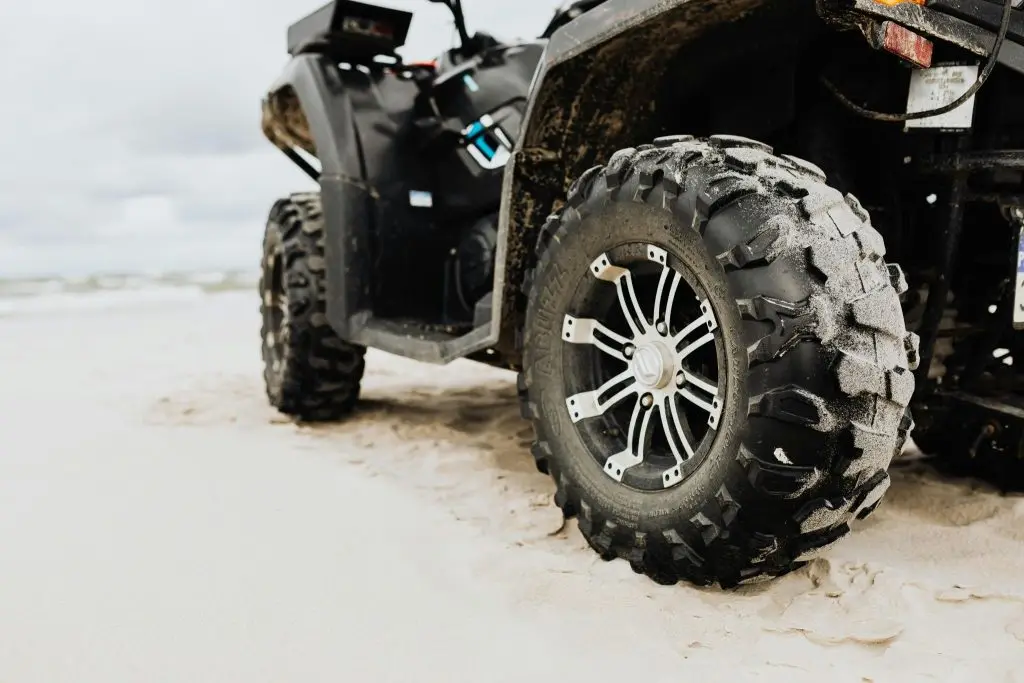
A tire must balance opposing technologies in order to be classified among the best tires for all weather and snow. It needs to be silent on a dry surface but aggressive in slush. If you are a DIYer who likes to inspect your own wheel wells, knowing the difference between car ramps vs jack stands is critical for safe maintenance.
Tread design for snow grip
The ability of a tire to bite into the snow is based on siping. These tiny perforations result in thousands of microscopic edges that grasp slick surfaces. The best tires for all weather and snow frequently use a “V” or “hook” pattern to direct slush away from the contact patch.
Rubber compounds for cold temperatures
The key difference between regular tires vs snow tires is silica. All-weather tires are made with a particular combination that resists stiffening in the cold. This enables the tire to deform and wrap around road imperfections, even when the ground is frozen solid.
Three-peak mountain snowflake certification
Always search for the 3PMSF sign. This certification indicates that the tire has been tested for heavy snow service. If you also maintain household equipment, such as a mower, having high-quality turf pneumatic tires ensures that your yard work does not halt because the ground is damp.
Top all-weather tires that perform well in snow
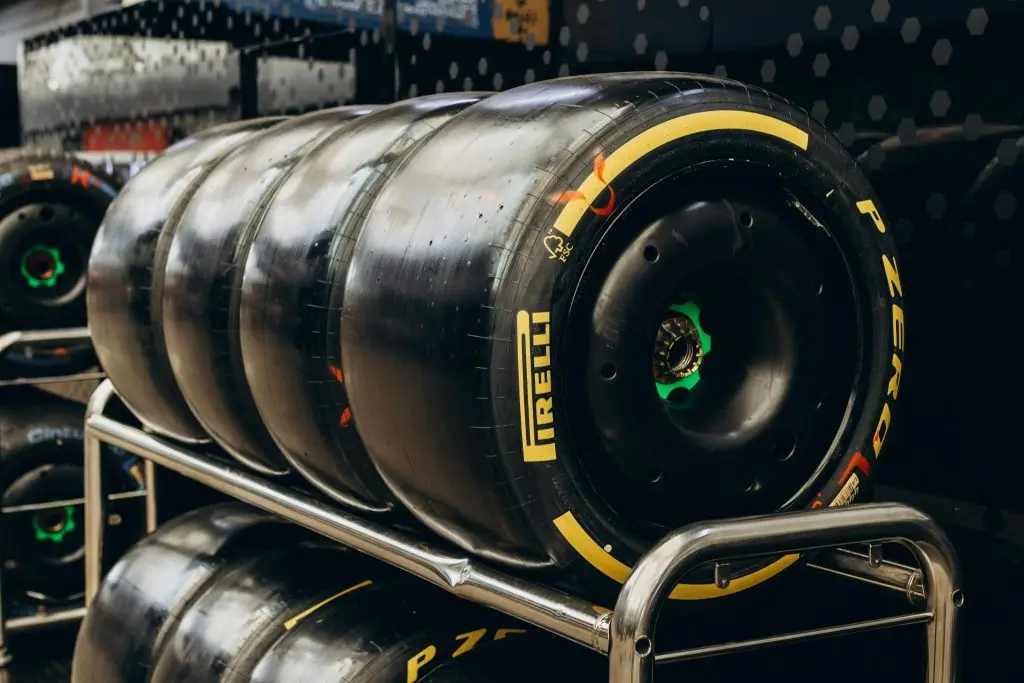
With so many brands available, choosing the best tires for all weather and snow might be intimidating. I’ve ranked the top five contenders based on their real-world performance, durability, and how they feel when driving in a storm.
1. Michelin CrossClimate2
This tire, often regarded as the best in its class, has a distinctive V-formation tread pattern. It’s designed to bite into snow and expel water more effectively than anything else on the market.
- Main features: Include thermal-adaptive tread compound and 3-D SipeLock technology.
- Why Drivers Love It: It consistently ranked # 1 for braking distance on wet and icy roads. The rubber responds to temperature variations, remaining gripping in the cold and firm in the heat.
2. Pirelli Cinturato WeatherActive
Pirelli applies its racing heritage to the all-weather market. This tire is ideal for the guy who prefers a smooth, quiet interstate ride during the week but requires a tank to get out of the driveway on Saturday morning.
- Main features: Include trumpet-shaped grooves for water outflow and a polymer-rich tread.
- Why Drivers Love It: It is very quiet on dry summer asphalt while maintaining Pirelli’s “sporty” performance, giving you more confidence in tight, slippery corners.
3. Continental AllSeasonContact 2
If you’re concerned about tire lifespan, this is your best bet. Continental built this tire with a high-mileage composition that resists wear during the hot summer months while maintaining winter certification.
- Main Features: New adaptable tread design and low rolling resistance for improved fuel economy.
- Why Drivers Love It: The tread surface changes gradually as it wears, ensuring that snow grip does not fade over time. It is designed to survive much longer than a normal all-weather tire.
4. Bridgestone Turanza All-Season 6
Bridgestone excels in creating a well-balanced tire designed for urban driving. It handles a combination of deep slush, rain, and dry areas better than others.
- Main features: Include Enliten technology for weight reduction and increased sipe density.
- Why Drivers Love It: It has more biting edges per square inch, which is essential for how to choose snow tires for icy roads. It is arguably the best in the bunch for preventing hydroplaning in heavy weather.
5. Vredestein Quatrac
Vredestein, sometimes referred to as the value pick, provides top performance at a lower cost. It has a split tread design, with one side designed for summer and the other for winter.
- Main features: Include deep longitudinal grooves and a summer/winter split tread pattern.
- Why Drivers Love It: It helps you keep a straight path even when driving in thick, heavy slush. The inner section of the tread is packed with sipes designed specifically for ice and snow, providing an excellent value-to-performance ratio.
How all-weather tires compare to true winter tires
Many men worry about how to choose snow tires for icy roads vs simply purchasing all-weather tires. All-weather tires are great, but they are a compromise. For those who conduct their own repair, possessing the proper automotive mechanics tools makes monitoring your own tread and brakes simple.
Snow traction Wet road performance
True winter tires are softer and always outperform on a deep snow climb. However, for 90% of winter driving, the best tires for all weather and snow are more adaptable. They perform far better on wet, black pavement than the soft, mushy lugs of a specialist snow tire.
Year-round usability
If you want to know how long will winter tires last, the answer is “not long” if you drive them in July. All-weather tires are designed to withstand high temperatures. This eliminates the cost and inconvenience of keeping two sets of rims and tires. If you have larger cars, you may want to look into truck tire changing bead breakers to do your own maintenance.
When all-weather tires make the most sense
Not all environments necessitate a “tank-like” winter tire. If you’ve cleared your driveway, possibly with a 16-inch broad aluminum alloy snow shovel, all-weather tires are probably your best option.
Moderate winter climates
In places with “yo-yo” temperatures (50°F one day and 20°F the next), the adaptive rubber in the best tires for all weather and snow outperforms ordinary tires. They retain their flexibility when the sun goes down.
Drivers wanting one tire year-round
If you don’t have a basement or garage to keep extra sets, all-weather tires are the only option. This is especially true if you enjoy activities such as racing; go-kart wheels and tires take up enough room as it is!
When you should still consider winter tires
While the best tires for all weather and snow are fantastic for most drivers, they are not a perfect substitute for a dedicated winter set in every situation. There is a reason specialty snow tires exist, and for some of us, they are a must-have safety feature. If your winter is more like a survival movie than a postcard, you should know how to choose snow tires for icy roads.
Heavy snowfall regions
In regions where snow is measured in feet rather than inches, you want the deepest “biting edges” possible. Winter tires have larger, more aggressive tread blocks that are meant to scoop up and throw away snow. If you find yourself routinely plowing unpaved roads, you may need to use a corded electric snow thrower to clear a way to the main road.
Frequent icy roads
Ice is the ultimate test for any tire. While all-weather rubber is useful, it cannot compete with the specialized “ice-grip” compositions and deep siping found in real winter tires. If your regular drive includes shady backroads or bridges that freeze over quickly, a specialized winter tire can stop your vehicle up to 30% faster than even the best all-weather options.
Extreme cold climates
Temperature is the quiet opponent of traction. When the temperature dips below 0°F, even all-weather rubber begins to stiffen. True winter tires are constructed of a highly flexible silica combination that remains soft as a sponge even in the harshest freezes. If you reside in an area where the air stings your face, you’ll need a tire that won’t convert into a hockey puck on the road.
FAQs
Are all-weather tires good in snow?
Yes, the best tires for all weather and snow are 3PMSF-certified. This means they offer much more traction than regular all-season tires and are suitable for usage in moderate to heavy snowfall.
Can all-weather tires replace winter tires?
For city and suburban drivers, sure. If the roads are routinely plowed, these tires make a great substitute. They do not, however, perform as well on solid ice as a winter tire.
Do all-weather tires wear faster?
They feature a little softer compound than summer tires, but the “tire lifespan” is still rather impressive. Most owners utilize their products for at least 5 years before needing to replace them.
What symbol shows snow capability?
Look for the Three Peaks Mountain Snowflake (3PMSF) on the sidewall. This distinguishes the best tires for all weather and snow from the regular tires vs snow tires that only receive an “M+S” grade.
Conclusion
Finding the best tires for all weather and snow means you can finally stop bracing yourself for winter. By selecting a high-quality set from Michelin, Continental, or Pirelli, you have the confidence to drive year-round without the hassle of tire replacement. As we previously said, whether it’s keeping your windshield clear or shoveling your driveway, proper preparation makes all the difference. Get your tires sorted and rotated, and you’ll be prepared for whatever the road throws at you this winter. Drive safely and keep grip!