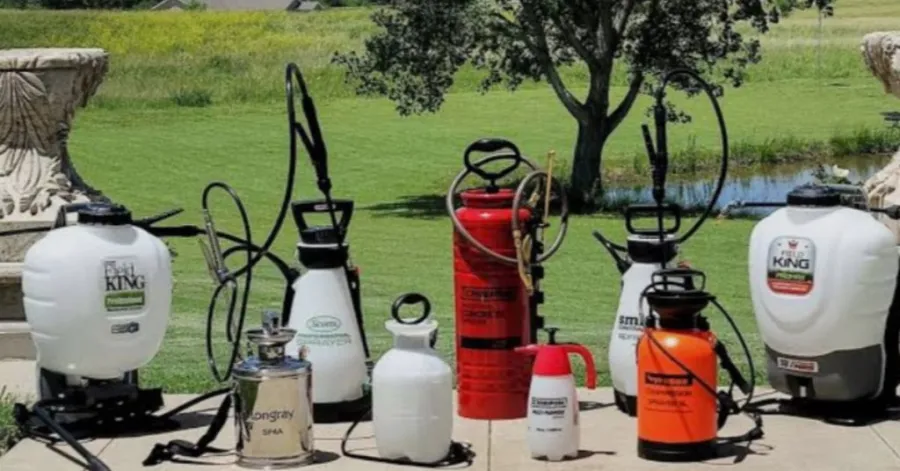
The choice of the battery-powered sprayer can make garden maintenance easier and reduce the burden of using fertilizers, pesticides, and other treatments. From compact hand models to large backpacks and wheel-mounted models, several suit different gardening sprayer requirements. The best garden sprayers offer convenient operation, compatible tank capacity, reliable battery power, and adjustable nozzle control for multiple applications. Whether you’re worried about flower pots or about your big lawn, a comparison of characteristics before buying might help you find the right solution. The guide discusses popular models, key advantages, selection factors, and maintenance tips for daily gardening tasks.
The Best Battery-Powered Garden Sprayers for Different Needs
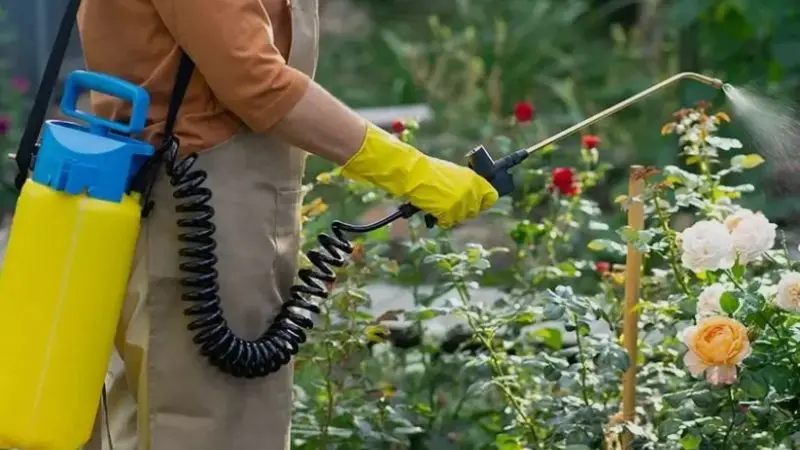
Battery-powered garden sprayers are available in various sizes and designs to suit different gardening tasks. Tank capacity, battery life, pressure, and wear have an influence on their performance. Before selecting each model, the best garden sprayers for small gardens can be different from those for large lawns, so compare the features.
Recommended For Your Project
1. VEVOR 4-Gallon Battery-Powered Backpack Sprayer — Best Overall
Vevor’s battery-powered model is great for beds, bushes, and lawn edging. Like other sprayers, the backpack design means the user can be more mobile when spraying. The tank capacity means less time is spent refilling. Battery life, pressure, and other features will impact what you consider the best garden sprayer. It’s worth a look if your family needs a basic but versatile sprayer for general use. Always check specifications for battery time and other features to see if they meet expectations.
2. PetraTools HD4000 Battery-Powered Backpack Sprayer — Best for Large Gardens
PetraTools HD4000 is designed for gardeners who need to maintain a large area regularly. The 4-gallon tank is plenty big for spraying beds and lawns. Like the other sprayers, the backpack design of this model allows for more movement than a wheeled design. The best garden sprayers for large areas have features for battery runtime, comfort, pressure, and nozzle selection. Test the current specifications for battery time and other features to make sure they meet your expectations.
3. Scotts 2-Gallon Lithium-Ion Sprayer — Best for Small Gardens
The Scotts 2-gallon Lithium-ion sprayer is an easy-to-use option for small yards, flowerbeds, and outdoor plant products. The compact tank makes it easier to wear than larger backpack models, making it advantageous for occasional treatments and focused applications. The rechargeable battery reduces the effort required to maintain spray performance. For small gardens, compare the best garden sprayer for a lightweight design, simple controls, and a nozzle for appropriate spray patterns. The lower capacity can require extra refills for larger areas, but it can be beneficial for everyday gardening at home.
4. Chapin 63924 Battery-Powered Backpack Sprayer — Best for Everyday Use
The Chapin 63924 backpack sprayer is a battery-powered option for general lawn and garden spraying. Compare the range of features, such as battery life, hose length, pressure, accessories, etc., when considering this model. The best garden sprayers are the correct size for your garden and include features for the liquids you want to spray. Check the product specs to make sure you understand battery and pressure details before you buy.
5. VEVOR 15-Gallon Battery-Powered Wheeled Sprayer — Best for Large Lawns
The VEVOR 15-gallon battery-powered wheeled sprayer is designed for large-scale spraying, so it is not the most comfortable sprayer to wear as a complete backpack unit. Something to consider when selecting the best garden sprayer for large lawns or gardens is the storage capacity of the sprayer, the type and terrain of the area to be sprayed, the battery capacity of the unit, the distance between the spray areas, and the overall weight of the unit. While a large capacity unit may not be the best choice for small lawns or gardens, a unit of this capacity may be ideal for larger lawns and objects.
Battery-Powered Garden Sprayer Comparison Table
Comparing the five models helps you identify the most suitable option for your garden size and workload. The best garden sprayers balance capacity, battery performance, pressure, and ease of handling.
| Product | Tank capacity | Battery type | Pressure | Best use |
| VEVOR Backpack Sprayer | 4 gallons | 18V battery (model XF-16M15A-US) | 0–90 PSI, adjustable | General gardening and medium-sized yards |
| PetraTools HD4000 | 4 gallons | 12V, 8Ah lead-acid | 40–90 PSI, adjustable | Large gardens and extended spraying |
| Scotts 2-Gallon Sprayer | 2 gallons | Rechargeable lithium-ion (verify exact model) | Verify exact model | Small gardens and spot treatments |
| Chapin 63924 | 4 gallons | 24V lithium-ion | Approximately 35–60 PSI, depending on specification source | Everyday garden care and professional landscaping |
| VEVOR Wheeled Sprayer | 15 gallons | 12V/12Ah battery with 5–6 hours of runtime | 0–90 PSI adjustable pressure | Large lawns and extensive garden areas |
Why Choose a Battery-Powered Garden Sprayer?
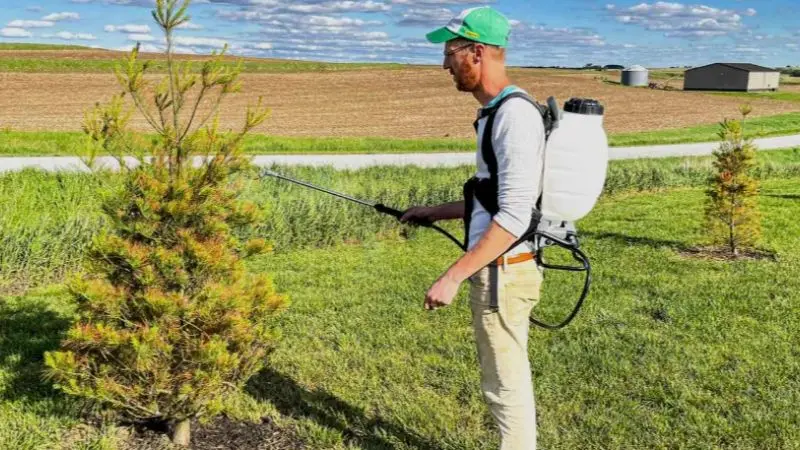
Battery-powered sprayers facilitate regular gardening, reduce manual labour, and assist in the distribution of liquid products between plants and lawns. Available in compact handheld models and larger backpack designs, they are suited to diverse gardening requirements. On the use frequency and preferred comfort level of your garden size, the choice of best garden sprayers depends.
Less Manual Pumping and Physical Effort
Manual sprayers require repeated pumps to build and maintain pressure, which can be exhausting during extensive gardening sessions. Battery-powered models use an electric liquid pump, which reduces the need for constant manual control. This feature is useful when treating several flower beds, shrubs, or lawns. The best garden sprayers should also be designed with comfortable handles, accessible controls, and manageable weight. Before buying, consider how long you will normally spray and whether your design matches your routine with a handheld or backpack. Battery-powered operation can save problems, although you will still have to charge the battery and clean the equipment after operation.
More Consistent Spray Output
According to pump design and pressure settings, Battery-powered sprayers can deliver a steadier flow than manual models. Consistent output helps to evenly distribute suitable garden treatments if you keep the recommended plant distance. The best garden sprayers often feature adjustable nozzles which enable the user to switch between different spray patterns. This flexibility is useful when treating delicate flowers, shrubs,s or bigger garden beds. A consistent spray, however, is also dependent on the liquid in use, the condition of the nozzle, and maintenance of the equipment. Always follow the label of the product in order to use the right quantity to prevent excessive spraying or unwanted runoff.
Convenient Coverage for Larger Areas
Across the property, the coverage of a large garden with a manual sprayer may include frequent pumps, refills, and repeated trips. Battery-powered Backpack and bike models can handle these jobs with the combination of bigger tanks and powered spraying. A best garden sprayer for large gardens must ensure sufficient battery run times and convenient means to carry liquids. Before choosing a model, note the distance between the planting plots, the terrain, and the volume of treatment needed. A larger tank can reduce refill stopper levels, but it also adds weight; therefore, balance capacity against portability.
How to Choose the Best Battery-Powered Garden Sprayer
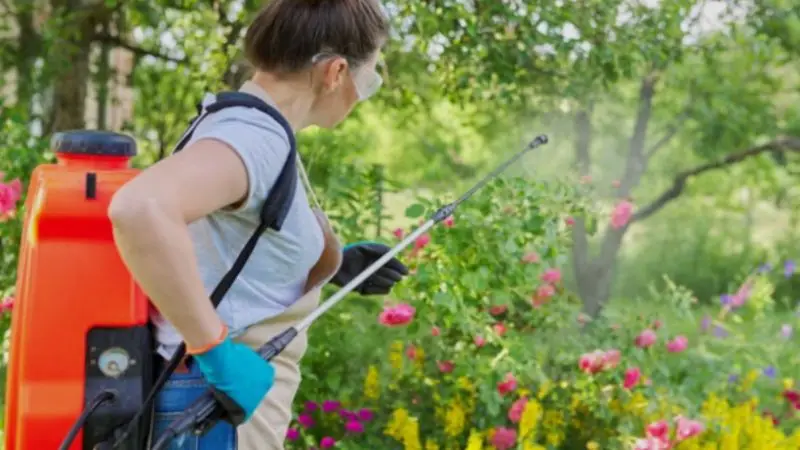
The correct sprayer must match the size of your garden, the products you plan on using, and how often you work outside. Comparison of capacity, battery power, pressure, and comfort can help you avoid a model that does not match your needs. With easy handling and maintenance, the best garden sprayers combine practical features.
Choose the Right Tank Capacity
Tank capacity specifies how much liquid the sprayer can hold before it has to be refilled. Small tanks are generally equipped with balconies, potted plants, and compact flower beds, while larger tanks are better suited to large gardens and lawns. The best garden sprayer for small gardens should be light enough to carry comfortably without leaving much liquid behind for use. While spraying, for larger properties, a backpack or wheel model can reduce interruptions. Now remember that the liquid adds weight to the equipment, so instead of using the empty tank capacity, let’s consider the filled weight.
Check Battery Life and Charging Time
Battery life affects how much work you can finish before you stop to charge. Check the manufacturer’s estimated life, charging time, battery voltage, and when substitute batteries are available. Actual operating time may change with pressure settings, nozzle selection, and the type of liquid that should be sprayed. The best garden sprayers for larger properties must provide enough runtime to cover the target area in one session. If you spray frequently, the replaceable battery can be more convenient. A foundation rechargeable model may provide a sufficient operating time for occasional use in a small garden.
Consider Pressure and Adjustable Nozzles
While the nozzle design determines the spray pattern, the spray pressure affects the flow of the liquid through the nozzle. Adjustable nozzles can provide a fine mist for convenient applications or a more concentrated flow for targeted treatment. The best garden sprayer for outdoor plants should be able to provide settings for the plants and products you are using. Higher pressure isn’t always better because excessive force can damage sensitive leaves or cause spray drift. Before purchase, check the pressure range and the nozzle options of the manufacturer. Follow the treatment label to select appropriate application and avoid accidental spraying of neighbouring plants.
Look for Comfortable Straps and Lightweight Design
If you carry the sprayer for longer periods, comfort is particularly important. Packing models must have padded straps and balanced weight distribution, whereas handheld units should have a secure grip and accessible controls. The best garden sprayer for large gardens must stay manageable when the tank is full. If you prefer not to transport heavy equipment, consider a wheel sprayer, which may travel on the relevant surfaces. The hose length, helm construction, and the ease of filling the tank should be checked. These details can make garden maintenance on a regular basis more comfortable and reduce unnecessary loading.
Check Chemical Compatibility and Cleaning Requirements
Before buying a sprayer, you should confirm that the tank, the seals, the hose, and the nozzle are compatible with the liquids that you want to use. Some chemicals require specific materials or equipment, so please always refer to the product label and the sprayer manual. For the intended herbicide and application method, the best garden weed and grass sprayers must be appropriate. The manufacturer shall clean and empty the equipment after each use, as required by the instructions. Keep the sprayer separate from equipment that is used on edible plants, if possible, when herbicides are used. Proper cleaning prevents the buildup of residues, clogging nozzles, and accidental cross-contamination.
Battery-Powered vs. Manual Garden Sprayers
Battery-powered and manual sprayers can carry out both routine gardening tasks, but they differ in cost, effort, and ease of use. Manual models are usually simpler and cheaper, as battery-powered options reduce repeated pumping. The comparison of these features will help you choose the best garden sprayers for your available budget and garden size.
| Feature | Battery-powered garden sprayer | Manual garden sprayer |
| Convenience | Powered spraying reduces repeated pumping | Requires manual pumping to build pressure |
| Operating effort | Usually less physical effort during spraying | Requires more hand or arm effort |
| Purchase cost | Generally more expensive | Generally more affordable |
| Maintenance | Requires cleaning and battery care | Requires cleaning and checking seals and pump components |
| Battery requirements | Needs charging or battery replacement | No battery required |
| Small gardens | Useful for frequent treatments or reduced physical effort | Suitable for occasional, short spraying tasks |
| Large gardens | Larger backpack and wheeled models can cover extensive areas | May require frequent pumping and refilling |
| Best suited for | Regular use and longer spraying sessions | Light, occasional gardening |
Tips for Maintaining a Battery-Powered Garden Sprayer
Regular maintenance helps keep your sprayer working well, prevents blockages, and prolongs its lifetime. Cleaning equipment after use is particularly important when applying fertilizers, pesticides, or herbicides. The best garden sprayers require appropriate care to maintain reliable spray output and reduce the risk of residue buildup. Follow these simple maintenance arrangements to prepare and keep your equipment for the next gardening session.
Rinse the Tank and Spray Wand After Every Use
After spraying, empty the tank and rinse according to the manufacturer’s instructions. Wash clean water through the hose, wand, and nozzle to remove residual liquid that could cause blockages or damage. The best garden sprayers for outdoor plants must be cleaned immediately after use, particularly after chemical applications. Follow the label of the product for the safe disposal of residual solutions and rinse water. Never pour any chemical residues into the drains, ponds, or areas where they can be harmful to plants and wildlife. Proper rinsing helps to maintain the constant spray power and prepares the sprayer for next use.
Clean Filters and Inspect Nozzles Regularly
Filters and nozzles can be filled with dirt, mineral deposits, or dry treatment residues. Check these parts regularly and clean them according to equipment instructions. Only use suitable cleaning tools since sharp objects can damage nozzle openings and influence spray patterns. The best garden sprayers for weeds and grass need clear filters and working nozzles to properly distribute treatments. If the spray becomes irregular or the flow decreases before continuing the work, check the filter, hose, and nozzle. Replace damaged components with compatible parts to facilitate the work and maintain reliability.
Check Hoses, Seals, and Connections for Leaks
Check the hose, tank cap, seal, and connections for cracks, wear and tear, or loose fittings. Small leaks can reduce the spray’s performance and expose you to liquid in the tank. The best garden sprayers must have secure connections and seals that remain compatible with the products used. If you notice drops, abnormal pressure loss, or damaged components, stop using the sprayer and follow the manufacturer’s repair instructions. Replace worn seals with appropriate parts rather than relying on temporary fixes. Regular inspections can help you recognize problems before you interfere with gardening.
Care for the Battery and Charging Equipment
Battery care can help maintain reliable operation and will reduce the risk of charging issues. Follow the instructions of the manufacturer for charging, removing, and storing the battery. Maintain the battery’s contacts clean and dry, and only use the recommended charger. The best garden sprayers should be stored with their batteries as prescribed by the manufacturer, including instructions about the height and temperature of the charge. Never charge a damaged, swollen, or leaking battery, and stop using it if you have a clear indication of excessive heat or other damage. Proper battery care can help keep up your runtime and lengthen your equipment’s service life.
Store the Sprayer in a Clean, Dry Place
Before storage, clean and empty the tank, flush the spray system, and leave the components to dry as stipulated in the instructions. Keep the sprayer from extreme temperatures, direct sunlight, and unauthorized access in a dry and protected area. The best garden sprayer for small gardens must be sufficiently compact to make safe storage at a non-pressure on the hose or wand possible. If temperatures can be frozen, follow the manufacturer’s instructions to protect against pump damage and water line damage. Conceal chemicals separately in your original branded containers and keep the sprayer ready for subsequent use.
Wrap-Up
A battery-powered garden sprayer can save time and decrease manual effort while taking care of your routine. The correct choice depends on the size of your garden, the budget, and the preferred way of carrying and treating that you plan on implementing. The best garden sprayers combine comfortable tank capacity, reliable battery life, easy handling, and simple maintenance. Smaller models work well for pots and compact gardens, while backpacks and wheel sprayers can accommodate larger surfaces. Check the specifications of the products carefully and check the chemical compatibility before buying. Regular cleaning, battery care, and good storage will also help to maintain performance and enhance the useful lifetime of the equipment.
FAQ
1. Compare Handheld vs Backpack pump sprayers for small French allotments application – what’s better?
Because they are lightweight and easy to store, Handheld pump sprayers are ideal for small French allotments, the flower beds and the treat spots. Backpack sprayers provide more capacity for bigger sections, but require more effort.
2. Is it ideal for medium-sized French gardens to compare the pressure levels and dimensions of pump sprayer tanks?
Medium-sized French gardens benefit from pump sprayers with a practical tank volume, controlled pressure and appropriate nozzles. Compare Tank Size, operating pressure, spray width and refill rate to select a model for regular garden treatments.
3. Which pump sprayers have the best chemical resistance for herbicides for use in France — list and Comparison?
Herbicide sprayers must be equipped with chemically compatible tanks, seals, hoses and wands. Comparison of models with chemicals, gasket materials that are approved by the manufacturer and cleaning requirements. Product labels and local rules on pesticide use must always be followed in France.
4. What pump sprayers would be easier to clean and maintain — do the recommendations in France indicate?
When using the storage container, it is normally easier to maintain multi-hole pump sprays in tanks, with removable filters, available nozzles and replaceable seals. Compare existing French models with access to spare parts, washing instructions, and compatibility with planned horticulture.