Selecting the best flooring for a chicken coop is one of the most crucial aspects of maintaining the health, safety, and productivity of your flock. The floor affects hygiene, odor control, comfort, and ease of daily cleaning in the coop. Concrete, wood, sand, and gravel are materials with distinct advantages and disadvantages depending on climate and cost. A properly selected floor can minimize the risk of diseases and enhance the overall coop management. This guide will help you determine which type of flooring is best for chicken coops, compare both types, and provide tips to keep the coop clean, dry, and durable.
Why Good Coop Flooring Is Important
Good Coop flooring is clean, sturdy, and comfortable, thus keeping the chickens safe and healthy and reducing the number of days they need to be cared for.
The following are the important points to note:
- The most suitable flooring in a chicken house is the durable one that can be easily washed as time goes by, and that makes the coop easy to manage.
- The ease of cleaning and maintenance makes the best flooring the favorite of chicken coop owners, as they spend less time cleaning the floor daily.
- Farmers frequently consider concrete vs wood flooring in a chicken coop as a choice of which one is more comfortable, better insulated, and stronger.
- People also desire cheap, eco-friendly backing of flooring of backyard chicken houses to trade off price and longevity.
- Learning to choose the optimal flooring can help prevent diseases and injuries and achieve health and safety in a chicken coop.
The choice of the right flooring will offer a safer, cleaner, and more comfortable living environment to chickens on a daily basis.
What to Consider Before Choosing Flooring
You want to consider your surroundings, budget, and your chickens’ comfort before choosing a type of flooring. The correct decision is based on the practical aspects that influence the cleaning, safety, and durability.
Taking time and investigating these points will be worthwhile to enable you to make a smarter, more cost-effective decision.
Climate and Weather Conditions Affect Flooring Choice
Climate may play a major role in determining the most suitable material for chicken coop flooring because different materials respond differently to heat, cold, and rain. Wet areas should not have any moisture on the flooring, as this may cause rot and growth of bacteria. To make the chickens comfortable and warm in cold climates, it is important to insulate them. Lowering the cost of concrete and wood flooring in a chicken coop is what most people opt for, with the view to ascertaining which of the two would be better suited to the weather. Selecting the right type of flooring for the climate will keep the coop dry, secure, and durable.
Ease of Cleaning and Daily Maintenance Needs
The flooring must be simple and quick to clean, too, since it is a routine task. A significant number of owners of chicken will adopt the most efficient flooring on chicken coops in order to keep the workload down as well as the coop hygienic and clean. Flat surfaces are simpler to wash, and rough or absorbent surfaces might harbor dirt and debris. Flooring that is easy to clean is also effective in controlling odors and bacteria. Maintenance flooring will be easy and inexpensive to maintain and will keep the chickens in a cleaner, healthier environment throughout the day.
Cost and Availability of Flooring Materials
Cost is always an all-important factor in choosing flooring. Many people will look at the cheap and long-lasting flooring products to paint in the backyard chicken coop facilities; products that will work, but still at low costs. Locally available materials can be cheaper and can be readily substituted in case of need. They have to find a compromise between price and quality so that this flooring will be long-lasting and require little maintenance. A smart flooring investment will be cost-effective in the long term, as well as a safe and functional coop installation.
Comfort and Safety for Chickens
Chickens will need a comfortable and safe walking and resting area. Floors that are slick or hard might cause injuries, but the very rough surfaces can injure their feet. One of the main issues that can be prevented is the foot infection, stress, etc., by simply learning how to choose the most suitable flooring to provide the health and safety of chicken coops. To increase comfort, soft bedding may be used on hard floors. A secure floor ensures that chickens stay busy, healthy, and productive without any unnecessary risks in the coop.
Drainage and Moisture Control in the Coop
To maintain the cleanliness of the coop, as well as prevent the harmful bacteria, moisture should be kept in check. Lack of drainage will lead to wetness, and this can lead to bad smells and health issues. This is one of the reasons why a majority of people would want to know the type of floor to install in chicken cages so they can clean and maintain the floor easily, as well as the floor having the right qualities in moisture control. Other people are also reported to compare the best flooring to work with water and wonder whether concrete vs wood flooring is better for a chicken coop. Drainage will make sure that the coop is dry, the surroundings are more hygienic, and the chicken is in a better environment.
Popular Flooring Materials for Chicken Coops
Choosing the proper material is one of the most essential points of creating a coop. The pros and cons of both types of floors depend on your climate and budget, as well as your cleaning regime.
Being aware of these assists you in deciding what would be fitting in your setup and comfortable for your chicken.
Dirt Flooring and Where It Works Best
One of the simplest and natural choices is dirt, commonly employed in simple constructions. It may be included in the optimal flooring of chicken coops in arid environments where moisture is not a significant concern. Dirt is inexpensive and simple to set up, thus it is popular among novices. But when wet, it can get dirty and difficult to wash. Dust is another factor many individuals consider when seeking inexpensive, long-lasting flooring for their backyard chicken coop, yet it requires frequent bedding to ensure it remains hygienic and safe.
@frankbrooks8 @Vevor Store US chicken coop was so easy to put together and comes with everything you need! #vevor #chickens #chickencoop #farmlife #countrylife
♬ original sound – FrankzFindz
Concrete Flooring for Durability and Easy Cleaning
Concrete has been characterized by its strength and durability. It is usually applied to the best flooring of chicken coops since it is very easy to clean and disinfect. These floors will also keep the coop out of the reach of pests. But it is often cold and stiff, and one needs a bed to be comfortable. Comparing concrete and wood flooring, it is possible to use concrete since it is more durable, yet it cannot provide natural insulation to chickens.
Wooden Flooring for Comfort and Insulation
Wooden flooring is easier and warmer for chickens and thus can be a comfortable flooring option. It is mostly adopted in situations where emphasis is placed on selecting the best flooring to ensure the health and safety of the chicken coop, since it reduces stress on the chicken’s feet. Wood is also good for insulation during the colder months. But it can absorb moisture and will rot in the long run unless well-maintained. When it comes to the argument of concrete flooring vs wood flooring as to which is better, the wood flooring is more comfortable; however, it needs more attention.
Sand Flooring for Drainage and Odor Control
Sand is contemporary because of good drainage and smell resistance. It typically comprises the best flooring found in chicken coops that are easily cleaned and kept, since the waste may be removed with ease through scooping. Sand also dries up easily, hence preventing bacterial growth. However, it may need to be periodically adjusted and replaced. For those concerned about the best flooring for chicken coops, sand is a good choice for cleanliness and the chickens’ natural comfort.
Gravel Flooring for Long-Term Drainage Support
The major application of gravel is as a base layer to enhance drainage and avoid water accumulation. It can be applied to backyard chicken coops, where expensive, durable flooring is needed. Gravel allows water to pass easily, keeping the coop dry. It is, however, not very comfortable and is normally covered with another material. Layering gravel well makes it a good support system that ensures hygiene and longevity.
Rubber Mats or Covered Floors for Modern Coops
Rubber mats and covered floors are also becoming popular in modern chicken farming. They provide a safe, soft floor, hence used to establish the most suitable flooring for chicken coops so as to keep them healthy and safe by minimizing injuries. Such mats are also easy to clean, and this is why they are the best flooring materials to use in chicken coops. They are expensive at the start-up, but they are durable and help to promote cleanliness. This makes them an ingenious choice of efficient and hygienic coop management.
Best Chicken Coop Flooring Choice Based on Your Needs
Different chicken keepers have different needs; hence, no universal flooring will fit. This depends on the size of your flock, the climate, the time you have to spend on cleaning and maintenance, and so on.
The following recommendations can help you choose the right alternative for your scenario.
Best Flooring for Backyard Chicken Keepers
For small flocks, simplicity, affordability, and ease of care are the objectives. Many backyard owners are searching for the most suitable flooring for chicken coops that is cost-effective and convenient. Deep-bedded or sandy soil is a popular option, as it is cheap and manageable during dry periods. Experts note that dirt floors are the least expensive, but they require a good drainage system and bedding to remain clean. The setups are also suitable for cheap and durable flooring options for backyard chicken coops, which are ideal for beginners with tight budgets.
Best Flooring for Large Poultry Farms
Massive installations require time-saving and cleaning speed to conserve time and effort. Concrete is considered the most suitable flooring for a chicken coop due to its ease of cleaning and maintenance: it can be washed, is very durable, and can last many years. It also prevents pests from digging into the coop. Comparing concrete vs wood flooring in a chicken coop, which is better? Concrete tends to be better in large farms because it is stronger, much more hygienic, and will save money over the long term. Lying on a bed enhances comfort for the chickens.
Best Flooring for Cold Climate Areas
In cold places, the most important things are insulation and dryness. In cold regions, insulation and dryness are the top priorities. Many poultry keepers focus on choosing the best flooring for chicken coops to support health and safety, prevent frostbite, and reduce moisture-related illness. Flooring made of wood or concrete with thick bedding is good as it is warming and insulating. It is recommended that deep litter (thick bedding) be used to retain heat and keep chickens comfortable during winter. Additional insulation could be provided by rubber mats over a base to prevent chickens’ feet from coming into contact with cold surfaces.
Best Flooring for Hot and Humid Regions
Hot and sticky weather necessitates flooring that accommodates moisture and prevents the growth of bacteria. Under such conditions, concrete is usually recommended as the most appropriate flooring for chicken coops, since it does not rot or develop mould and is easy to clean. Sand is also a good alternative due to its ability to drain well and minimize odor. The wood should not be untreated, because it easily rots in damp conditions. Selecting the most suitable flooring for chicken coops to ensure easy cleaning and maintenance in such climatic conditions helps regulate moisture and keep the coop fresh and safe.
Installation Tips for a Long-Lasting Coop Floor
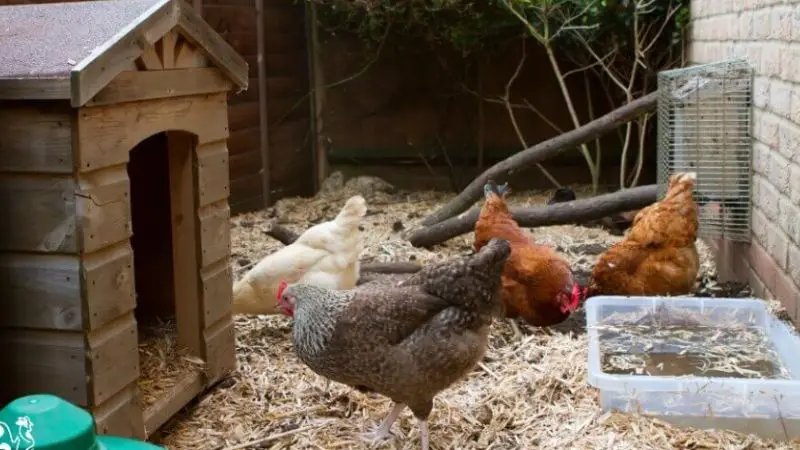
Correct installation will help prolong the life of your flooring and make it work. Even the most appropriate flooring in chicken coops can not work well unless it is properly laid.
With the correct actions, you can enhance durability, drainage, and general coop cleanliness.
Step-by-Step Practical Tips for Setting Up Flooring
The coop floor should be properly set up to be strong and used in the long term. The following is just one easy way:
- The first thing is to clear the ground and remove debris to create a solid foundation for installing the best flooring on chicken coops.
- Add a gravel layer underneath to improve drainage, especially useful for cheap and durable flooring options for backyard chicken coops.
- Install your primary flooring, wood, concrete, and so on, depending on your requirements and climate.
- Before making the final decision, many individuals compare concrete vs wood flooring to determine which is better for a chicken coop.
- Add bedding such as sand or straw to the top to enhance comfort, and learn how to select the best flooring in chicken coops to promote health and safety.
An adequate arrangement can ensure that the coop is dry, clean, and comfortable for the chickens.
How to Keep Flooring Clean, Odor-Free, and Disease-Resistant
It does not necessarily have to be hard to keep the coop clean if you follow a routine. The following are some useful tips:
- Clean up droppings every day to ensure the flooring of chicken coops is at its best so that it can be easily cleaned and repaired.
- Change wet or dirty bedding frequently to avoid moisture accumulation and odors.
- Have the floor deep-cleaned once a week, particularly when using such a solid floor as concrete.
- Make sure the coop is well ventilated to minimize humidity levels and enhance the quality of air in the coop.
- A lot of owners are concerned with how they can select the most appropriate flooring to facilitate the health and safety of chickens to avoid diseases and infections.
Frequent treatment helps in maintaining the optimal flooring of chicken coops and in maintaining healthy, active, and safe chickens.
Wrap-Up
When deciding on the appropriate flooring, it is necessary to have a clean, safe, and durable chicken coop. The best flooring for chicken coops depends on your climate, budget, and maintenance routine. Concrete, wood, sand, and dirt are all materials with advantages and disadvantages, and therefore need to be compared carefully. As owners of chicken coops, many are interested in the ideal flooring that makes cleaning and maintenance easy, saving time and effort. When selecting the most appropriate flooring for chicken coops, focus on health and safety to ensure you set up a comfortable environment where your chickens are healthy, active, and productive daily.
FAQ
What should the flooring of the chicken coops be?
The most suitable flooring for a chicken coop depends on your requirements; however, concrete, sand, and wood are commonly used because they are durable and comfortable.
Which is the easiest floor to clean?
Concrete or sand is the most appropriate for chicken coop floors, as it is easy to clean and maintain.
Which is better, concrete or wood flooring for a chicken coop?
The question is about concrete or wood flooring, which is better in a chicken coop. Concrete is stronger, whereas wood is more comfortable and better insulated.
What are both low-cost and long-lasting flooring materials to use in the backyard chicken coop?
Good flooring materials that are cheap and durable, that can be used in the backyards as chicken coops are dirt, gravel, and sand with appropriate bedding.
What is the ideal flooring that can be used in a chicken coop for health and safety?
The key ideas to consider to select the most appropriate flooring in the best interests of chicken coop health and safety include comfort, dryness, non-slip floors, and easy cleanability.