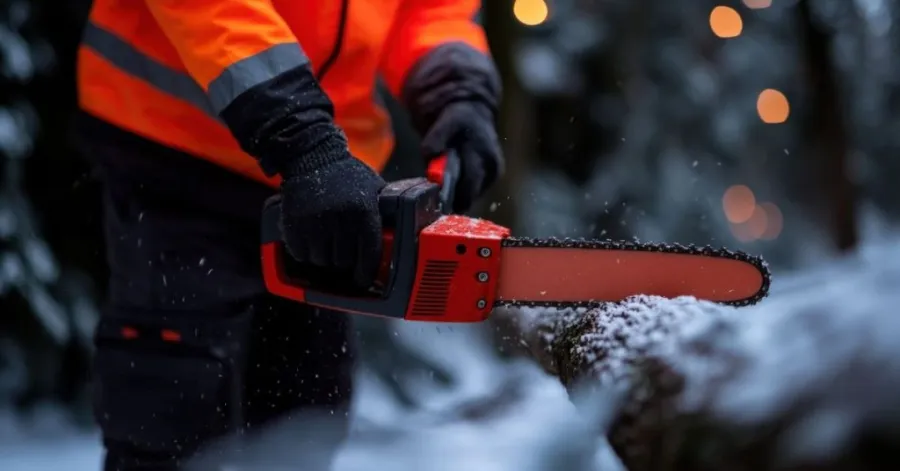
Choosing between a battery-powered chainsaw vs. a gas chainsaw depends on your needs. For most homeowners, a battery chainsaw is the easier choice—it’s lightweight, simple to start, and requires little maintenance. It also runs quieter, making it perfect for trimming branches or cleaning up after a storm without disturbing the neighborhood.
On the other hand, if you’re planning to cut down large trees, work for longer hours, or handle heavy-duty jobs, a gas chainsaw may be the better fit. Think about the size of your yard and the type of cutting you’ll do before making your decision.
- Chainsaw Comparison: Battery Powered vs Gas
- Power and Performance: How Gas vs Battery Chainsaws Compare
- Ease of Use: Which Chainsaw Is More Comfortable to Handle?
- Battery-Powered Chainsaw vs Gas: Which One Is Easier to Maintain?
- Noise and Environment: Which Chainsaw Is Quieter and More Eco-Friendly?
- Cost and Value of Gas vs Battery Chainsaws
- Safety: Choosing the Chainsaw That Keeps You Protected
- Home Yard Maintenance: Finding the Best Chainsaw for Everyday Jobs
- Decision Guide: How to Choose Between Gas and Battery Chainsaws
Chainsaw Comparison: Battery Powered vs Gas
When choosing a chainsaw, the first step is to understand what sets gas and battery models apart. Both types can cut wood effectively, but they are built for different needs. By looking at weight, power, noise, and upkeep, you’ll see which one fits your yard work best.
Battery-Powered Chainsaws
Battery-powered chainsaws are designed for lightness and convenience. They’re easier to carry around the yard and won’t leave you worn out after a few cuts. Starting one takes only the push of a button, so there’s no pulling cords or mixing fuel. They run quietly, letting you work in the early morning or evening without disturbing neighbors.
Because they produce no fumes, they’re also more eco-friendly. Many people ask, are battery-powered chainsaws as good as gas? For everyday jobs like trimming branches or using a battery chainsaw for cutting firewood, the answer is yes—they work perfectly for most homeowners.
Gas Chainsaws
Gas chainsaws bring the raw strength you need for tough jobs. They’re heavier and louder, but the trade-off is unmatched cutting power. If you need to clear storm damage, handle large logs, or maintain a yard full of trees, gas is the better choice. Unlike batteries that require recharging, gas models let you work for hours without interruption.
Still, they require more care—you’ll need to check oil, mix fuel, and clean the engine regularly. This higher upkeep may feel like extra work, but many find the reliability worth it. A gas vs battery chainsaw comparison shows gas models are built for durability and heavy workloads.
Which Chainsaw Is Best for Homeowners?
When it comes to choosing between gas vs battery chainsaws, the right pick depends on your yard and workload. A battery vs gas chainsaw for homeowners usually leans toward battery models since they are light, quiet, and simple to use. They’re perfect for pruning, trimming, or quick storm clean-up, and many people find a battery chainsaw for cutting firewood handy for small jobs.
If you wonder how long battery-powered chainsaws last, most models run long enough for routine tasks, and spare batteries extend their use. Gas chainsaws, on the other hand, deliver nonstop power and handle big trees or thick logs with ease, making them the better choice for heavy, demanding work.
Power and Performance: How Gas vs Battery Chainsaws Compare
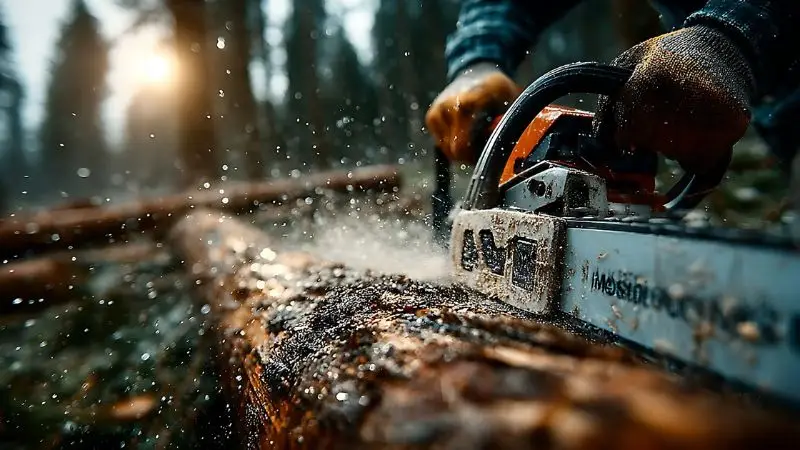
When choosing a chainsaw, performance plays the biggest role. Both gas and battery models can cut effectively, but their power levels differ. By looking at how each handles wood, you’ll see which tool fits your needs best.
Cutting Ability of Gas vs Battery Chainsaws
Gas chainsaws usually deliver faster cutting speed and more strength. They can handle thick logs, hardwood, and large branches with ease, making them reliable for big jobs. A gas vs battery chainsaw test often shows gas models winning in raw power.
Battery-powered chainsaws, on the other hand, are ideal for lighter tasks such as pruning, trimming, and cutting smaller branches. A battery chainsaw for cutting firewood works well as long as the logs aren’t too large or dense. While gas saws dominate heavy-duty cutting, battery saws provide more than enough performance for most homeowners focused on regular yard work.
Runtime and Reliability of Gas vs Battery Chainsaws
Gas chainsaws keep running as long as you have fuel, making them dependable for extended jobs like cutting firewood or clearing storm damage. Just refill the tank and keep working.
Battery-powered chainsaws depend on charge life, usually lasting 30 to 60 minutes per battery. Many people ask, How long do battery-powered chainsaws last? The answer varies by model, but most run long enough for trimming and small projects. With spare batteries, you can extend work time easily.
In a gas vs battery chainsaw comparison, gas excels in nonstop runtime, but batteries deliver consistent performance for lighter, everyday tasks.
Handling Larger Jobs: Gas vs Battery Chainsaws
Not all chainsaws are built for the same type of work, and when the tasks get tougher, the differences between gas and battery models become clear.
Gas chainsaws are better equipped for heavy workloads. They cut through hardwood, thick trunks, and storm-damaged trees without slowing down, making them the top choice for demanding use.
Battery chainsaws, in contrast, work best for small to medium jobs. They can handle trimming branches and preparing manageable firewood, but they slow down on dense or oversized wood. Still, for most homeowners, battery-powered chainsaws deliver enough performance for routine yard maintenance.
Ease of Use: Which Chainsaw Is More Comfortable to Handle?
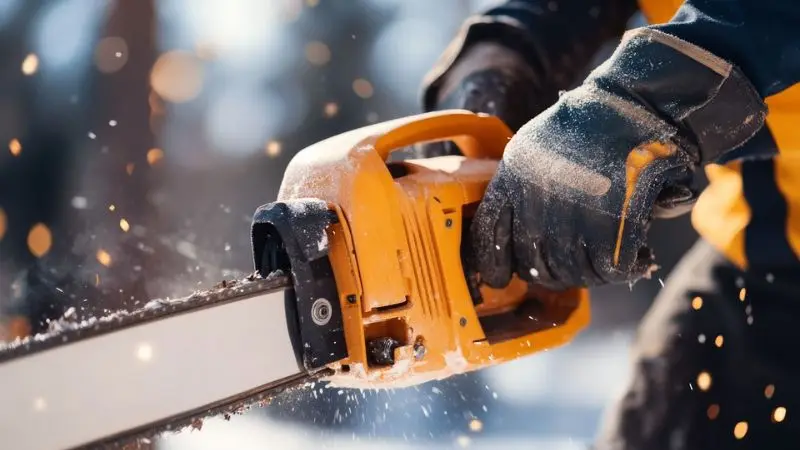
When it comes to chainsaws, comfort makes a big difference. A tool that’s easy to carry and control lets you work longer without strain. Weight, balance, and how the saw starts all affect your overall experience.
Weight and Maneuverability
Battery-powered chainsaws are lighter, which makes them easier to handle for longer periods. You can lift them with one hand for small tasks, reach higher branches, or move around bushes with less effort. This lighter weight helps reduce fatigue, allowing you to work without feeling worn out quickly.
Gas chainsaws, on the other hand, are heavier and require more strength to manage. The added weight can make your arms sore after extended use and can slow you down during longer cutting sessions. When comparing a gas vs battery chainsaw, lighter battery models clearly win for maneuverability and ease of control.
Starting and Day-to-Day Operation
The way a chainsaw starts can make or break your experience. Battery-powered chainsaws are straightforward—you just press a button, and the saw is ready to cut. There’s no pulling cords, mixing fuel, or checking settings. This makes them especially appealing for beginners and homeowners who want something easy to grab for quick jobs.
Gas chainsaws are more complicated. To get them running, you’ll usually need to pull a starter cord, adjust the choke, and sometimes use a primer. For new users, this can feel intimidating or time-consuming. In the comparison of battery vs gas chainsaws for homeowners, battery models stand out for their simplicity, while gas saws demand more effort and know-how.
User Comfort and Fatigue Levels
Battery-powered chainsaws offer a much more pleasant time. They run quieter, produce no fumes, and create less vibration, so your hands and arms won’t feel as shaky after a job. You can even use them without ear protection for short tasks, making them less intimidating to operate.
Gas chainsaws, however, are loud and produce stronger vibrations, which can quickly become tiring. You’ll often need ear protection and gloves just to stay comfortable. The fumes from the engine can also be unpleasant during longer sessions. For most homeowners, especially those who value comfort, a battery-powered chainsaw is the better everyday choice.
Battery-Powered Chainsaw vs Gas: Which One Is Easier to Maintain?
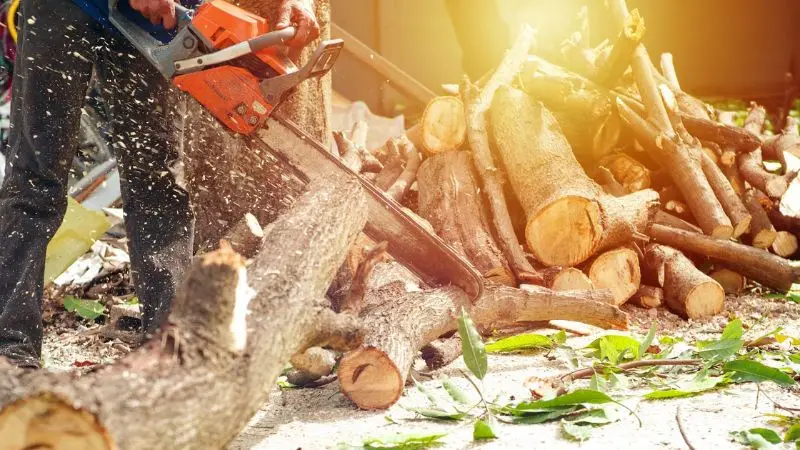
When choosing between a battery-powered chainsaw vs a gas chainsaw, the difference in maintenance is clear. One requires only simple checks, while the other demands regular upkeep. The level of care you’re comfortable with will help decide which type fits your lifestyle.
Battery-Powered Chainsaw vs Gas: Upkeep Needs
A battery-powered chainsaw offers the simplest maintenance. You only need to keep the battery charged and make sure the chain has enough oil. There’s no mixing of fuel, cleaning carburetors, or checking spark plugs. This makes battery chainsaws great for homeowners who want more cutting time and less tinkering.
Gas chainsaws, however, need regular attention. You must mix gas and oil properly, clean air filters, and maintain spark plugs. If left with fuel inside, they can develop problems that need fixing before the next use. In a gas vs battery chainsaw comparison, battery models clearly win for convenience and low-maintenance care.
Reliability: Which Chainsaw Works When You Need It?
Battery-powered chainsaws are dependable for quick use. With just the press of a button, they start instantly—even after months in storage. You don’t have to worry about stale fuel or clogged parts.
Gas chainsaws, while powerful, can be less predictable. Old fuel, dirty carburetors, or worn spark plugs can make starting difficult. Sometimes you’ll need to pull the cord several times before the engine runs. For homeowners who value ease and dependability, battery models feel more reliable. Gas chainsaws can also be consistent, but only with careful, regular maintenance.
Storage: How Easy Is It to Put Away Your Chainsaw?
The storage of a battery-powered chainsaw is easy and a hassle-free affair. All you need to do is take the battery out and place it in cool and dry areas. No fuel is used, so no fumes, leaks, or spoiled gas in the future.
There should be more preparation involved with gas chainsaws. You will have to empty the tank or put on a fuel stabilizer, clean the saw, and leave it standing so that it does not spill. Even though this keeps the engine ready, it is more demanding. Among the choices, gas vs battery chainsaw, the battery models are less stressful for everyday homeowners to keep safe and easy.
Noise and Environment: Which Chainsaw Is Quieter and More Eco-Friendly?
When choosing a chainsaw, sound and environmental impact matter just as much as cutting power. Some models are easier on your ears and safer for the planet, while others may feel harsher in daily use. By comparing gas vs battery chainsaws in both noise levels and emissions, you’ll see which tool better matches your lifestyle and values.
Sound Levels: How Loud Are Gas and Battery Chainsaws?
One of the biggest differences between battery and gas chainsaws is the noise they create. Battery-powered chainsaws run much quieter, usually at levels that let you work early in the morning or late in the evening without disturbing anyone nearby. This quieter operation also means less stress for you, your family, and even your pets.
Gas chainsaws, however, produce loud engine noise that often requires ear protection. The sound can carry across yards, making long cutting sessions more tiring. If peace and comfort are important, a battery-powered chainsaw is the better choice, offering quieter use and less disruption overall.
Emissions: Which Chainsaw Is Better for the Environment?
The other major aspect in the battery-powered chainsaw vs gas argument is the effect on the environment. This is because battery chainsaws do not emit any direct gases or fumes as you work with them. This is healthier for you and lighter on the atmosphere around your house.
Gas chainsaws burn the fuel and produce exhaust that contributes to air pollution and leaves behind powerful odors. These fumes, with time ,may become offensive and damaging to breathe in. A battery-powered chainsaw will eliminate smoke and be environmentally conscious. Battery models have been made available to homeowners who are concerned with performance and sustainability.
Cost and Value of Gas vs Battery Chainsaws
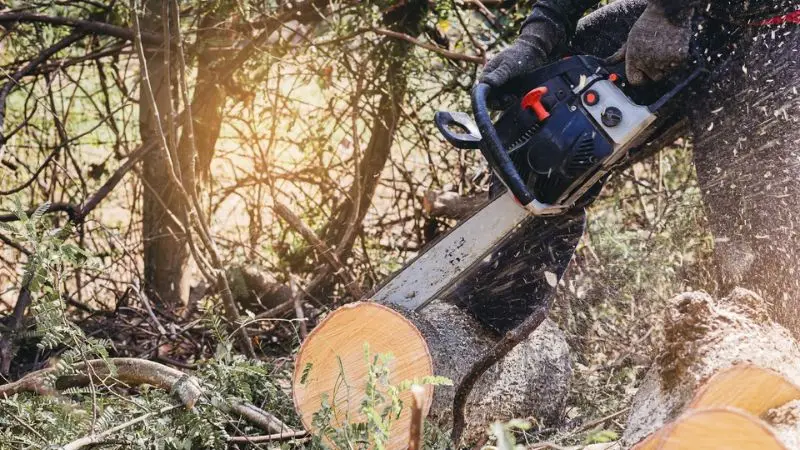
Price plays a big role when choosing between gas and battery chainsaws. Beyond the first purchase, you also need to think about what it costs to keep the tool running. While gas models give you raw cutting power, battery-powered chainsaws often deliver better value for everyday homeowners. Comparing the two helps you see where your money really goes in the long run.
Initial Purchase Price of Gas vs Battery Chainsaws
The first thing you see is the amount you are going to pay on checkout. A battery-operated chainsaw is usually less expensive and offers an affordable upfront point of entry to the majority of household owners. You can use the same batteries that are already in your possession in some cases, and this makes your expenditures even less.
Gas chainsaws are more expensive in that they are constructed with stronger engines and include added features for tough cutting work. This greater cost just covers the additional power you receive through occasional use; many tend to find the battery models more affordable.
Operating Costs of Battery Chainsaws vs Gas Chainsaws
Once you purchase your chainsaw, the recurrent cost starts. A battery-powered chainsaw’s only real cost is recharging, and this consumes minimal electricity. You can decide to buy an additional battery to cut longer hours, and no fuel-mixing, no spark plugs, and no clogged air filters.
However, a gas chainsaw will need consistent expenditures on gasoline, bar oil, and engine maintenance. These costs will accumulate over time, particularly when repairs may be required. Homeowners concerned with basic yard maintenance often find battery models to be the more cost-effective option due to their lower operating costs.
Long-Term Value of Gas vs Battery Chainsaws
Thinking beyond today, long-term value shows another clear divide. Battery-powered chainsaws offer excellent value for homeowners who handle light trimming, pruning, or occasional storm cleanup. They’re simple to maintain, save you time, and cost less overall. However, if your work includes cutting large logs or heavy firewood, gas chainsaws are built to last and provide the strength you need.
You’ll spend more over the years, but you gain a tool that can handle demanding tasks. In the debate of whether powered chainsaws are as good as gas, the answer depends on your needs—battery saves money and hassle, while gas gives lasting power for big jobs.
Safety: Choosing the Chainsaw That Keeps You Protected
Safety should always come first when deciding between gas and battery chainsaws. While both include protective features, the overall experience of using them feels different. From built-in safeguards to comfort during use, your choice affects not only how well you cut but also how secure and confident you feel while working.
Safety Features: Built-In Protection You Can Rely On
Gas-powered chainsaws, as well as battery-based chainsaws, are engineered to minimize risks during cutting. There is a battery-powered chainsaw with a chain brake that halts the saw in case the chain snaps, and a hand guard to protect your hand. A lock-off button is also available on many models, making them particularly user-friendly to beginners.
Gas chainsaws have the same type of features, including throttle lock, hand guards, and chain brakes, and are heavier and stronger, making them a little harder to control safely. Regardless of the type you select, safety-related attributes provide you with comfort.
Comfort and Fatigue: Staying Steady While You Work
Comfort plays a big role in staying safe during longer cutting sessions. A battery chainsaw for trimming branches or cutting firewood feels lighter and produces less vibration, which reduces fatigue. You can work longer without sore arms or shaky hands, making it easier to stay steady and avoid mistakes.
Gas chainsaws, however, are heavier and create more vibration, which can wear you out quickly. Noise and fumes add to the strain, often making it harder to focus. In the gas vs battery chainsaw debate, many homeowners prefer battery models because they combine comfort with safety, helping you finish tasks without feeling drained.
Home Yard Maintenance: Finding the Best Chainsaw for Everyday Jobs
Most homeowners don’t need a chainsaw for heavy logging—they need it for routine yard care. From pruning trees to cutting firewood now and then, the right tool makes these jobs faster, safer, and easier. Choosing between gas and battery-powered chainsaws depends on how big your projects are and how often you take them on.
Pruning and Light Cutting: Easy Yard Work with a Battery Saw
For most home yard maintenance, a battery-powered chainsaw is the clear winner. These saws are light, easy to carry, and start instantly with the press of a button. You don’t need to deal with fuel mixing or loud noise, which makes trimming trees and bushes less of a chore.
When you’re cutting small branches or tidying up storm debris, a battery chainsaw gives you enough power to finish quickly. If you wonder how long battery-powered chainsaws last, most models handle routine jobs on a single charge. With an extra battery on hand, you can extend your work time without interruption.
Occasional Heavy Use: When Gas Chainsaws Take the Lead
Certain lawn activities require additional muscle strength, such as splitting firewood in the winter or getting rid of big trees blown down. Here, the gas chainsaws shine through. Their more powerful motors deal with heavy logs and hardwood without much trouble, and allow you to work longer periods without interruption.
Battery models are able to handle these heavy jobs in big bursts but might fall behind or require a recharge in big projects. When cutting wood that requires a lot of strength, a battery chainsaw will do the job, provided you have spare batteries stored. However, when your yard frequently needs to be brushed out by big trees or regularly cut for firewood, gas is a more advantageous long-term option.
Decision Guide: How to Choose Between Gas and Battery Chainsaws
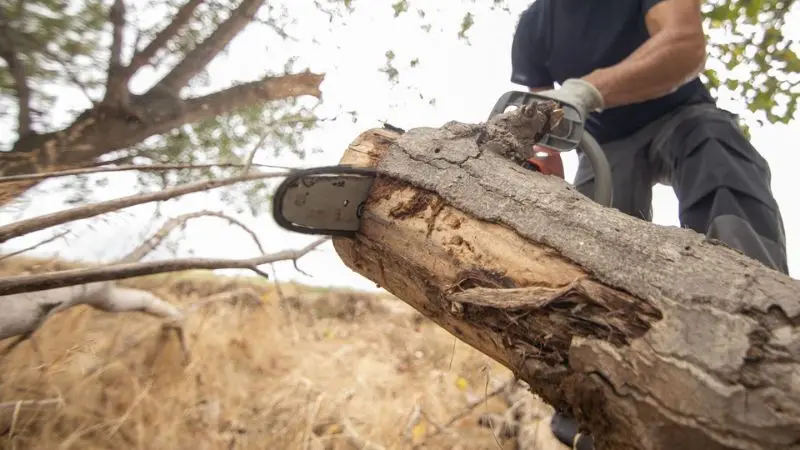
Choosing between a battery-powered chainsaw and a gas chainsaw depends on your yard, the type of jobs you handle, and how often you use the tool. Each has clear strengths, so the best choice comes down to your personal needs.
Who Should Choose Battery-Powered
Battery-powered chainsaws are ideal for homeowners who want a simple, lightweight tool for everyday use. They start instantly, make little noise, and require almost no upkeep. If your tasks are light, a battery model will fit perfectly into your routine.
Choose a battery-powered chainsaw if:
- You have a small or medium yard.
- Most of your work involves pruning, trimming, or light cutting.
- You prefer low maintenance and no fumes.
- You value quiet operation for early morning or evening use.
Battery chainsaws work best for regular yard maintenance, occasional storm cleanup, and small firewood tasks. They save you time, energy, and hassle.
Who Should Choose Gas
Gas chainsaws are constructed in a way that is powerful. They work with heavy wood, difficult wood, and heavy-duty work without getting tired. Your lawn chores should work, so gas should be used.
Choose a gas chainsaw if:
- You have a big yard, or you have plenty of trees.
- You frequently cut fire-depot or go on storm clean-up.
- It also requires a long non-rechargeable run time.
- You desire to have the speed of cutting large work.
- You are not bothered with routine upkeep and additional sound.
A gas chainsaw is a tool that offers the homeowner a long-life tool that is reliable in its use for long periods of long working assignments.
Special Cases
There are some homeowners who discover that a single chainsaw is insufficient. Quick and light work with a battery chainsaw and heavy work with a gas model can be undertaken. With both, you have the freedom:
- Use a battery pruner, trimmer, or emergency clean-up.
- Use gas fuel when burning wood, cutting heavy, or doing all-day work.
Are battery-powered chainsaws as good as gas? Again, this all depends on your requirements. A battery is the less challenging option for most homeowners. In tough and continuous jobs, gas provides the power of your wish.
Wrap Up
Choosing between a battery-powered chainsaw vs. a gas model comes down to your yard, your workload, and your comfort level. Battery chainsaws are lighter, quieter, and easier for everyday pruning, trimming, and light firewood cutting. They keep maintenance simple and make yard work less tiring.
Gas chainsaws, on the other hand, deliver more power and longer runtime for heavy-duty tasks like splitting firewood or handling storm damage. Both have clear strengths, and some homeowners even keep one of each. Think about how often you cut, what you cut, and pick the chainsaw that truly fits your needs.
FAQ
Is it possible to use an electric chainsaw to cut firewood?
An electric chainsaw can also be used when cutting firewood, when the logs are small or medium-sized. It is suitable for light to moderate jobs. In case you require cutting long logs frequently, then you could want a gas model, which is more powerful.
What is the duration of the battery on an electric chainsaw?
The battery life of most electric chainsaw tools ranges between 30 and 60 minutes. The time is already determined by the size of the battery used and the intensity with which one works the saw. You have the option of carrying a spare battery when you must work longer.
Can a novice use an electric chainsaw?
Yes, an electric chainsaw would be a good beginner tool. You have smooth beginnings, fewer and simpler controls, and less noise. Essentially, it is good to read the manual and to wear personal protection. To practice, stick to small branches first before going bigger.
Can you tell what type of maintenance an electric chainsaw requires?
You should ensure that the chain is sharp and service it with bar oil. Clean the saw after each use. Test the battery and the charger. You do not have to add any fuel or wash the engine. This causes an electric chainsaw to be easy to maintain.
Is it possible to use an electric chainsaw when the environment is wet?
A chainsaw cannot be operated in the rain or on wet wood with electricity. Water may destroy the battery or motor. Wait for dry weather. When you retire your electric chainsaw, always keep it dry and store it in a house. This is to ensure that your electric chainsaw is checked before every use. One glance will assist you in the detection of problems.