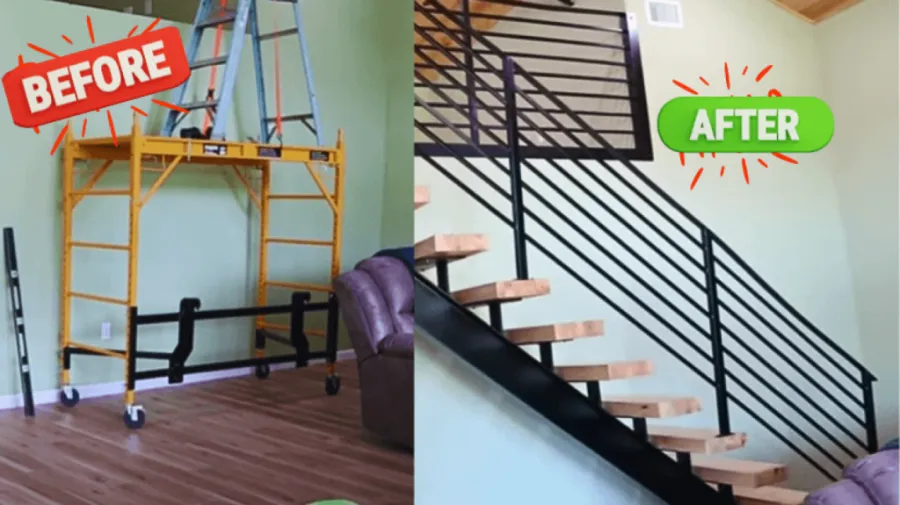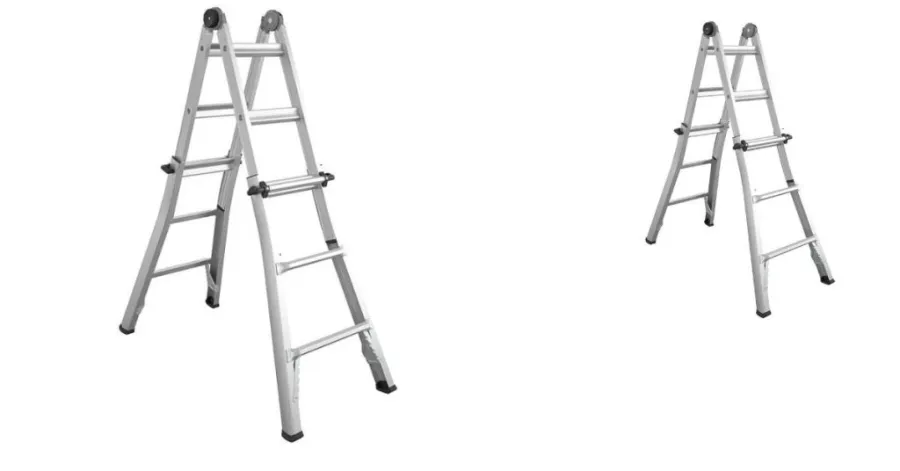
To find the right ladder for your home, you first need to know what you need. You want something easy to use, safe, and the right height. Aluminum ladders are a good choice for most homes because they feel light but strong. Consider what you need to do and select a ladder that suits your needs. Look for features that make you feel secure and stable, as your safety is a top priority. Are you ready to find the best fit? Let’s keep it simple.
Why Aluminum Ladders
You want a ladder for your home that is easy to carry and will last a long time. You can have both with aluminum ladders. You can easily lift them, even when you move them from one room to another. You can use them inside or outside because they don’t rust. They stay in good shape regardless of the circumstances. You don’t have to worry about painting or treating them to keep them from getting wet.
Here are some quick pros of aluminum ladders:
Benefits in Terms of Materials
- They are lightweight, making them easy to move.
- They last for years because they are strong.
- They won’t rust, so you can use them outside.
- They don’t need much care, so you save time.
Aluminum Ladder Vs Fiberglass Ladder
Wood or fiberglass can be used to make ladders. There are both advantages and disadvantages to each type. Wooden ladders feel sturdy, but they can be heavy and prone to rot if left outside for an extended period. Fiberglass ladders are safe to use for electrical work because they don’t conduct electricity. They are heavier and cost more than aluminum ladders. Here is a simple table that will help you compare:
| Material | Weight | Rust/Rot Risk | Cost | Conducts Electricity |
| Aluminum | Light | No | Moderate | Yes |
| Wood | Heavy | Yes | Low | No |
| Fiberglass | Heavy | No | High | No |
Aluminum ladders are often the best choice for simple home tasks. You get a good balance of price, weight, and durability. Just remember to be safe when you’re near electricity.
Ladder Types
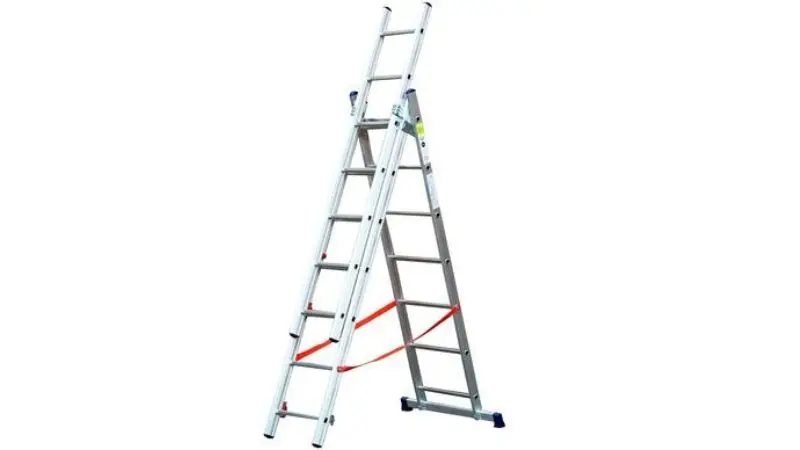
There are many different types of ladders to choose from when you go shopping. Each one is best for specific tasks around the house. You should pick a ladder that fits the job you do most often. Let’s talk about the main types you’ll see.
Step Ladders
Step ladders are the classic choice for home use. You open them up, and they stand on their own. You don’t need to lean them against a wall. These ladders are well-suited for tasks such as changing light bulbs, reaching high shelves, or painting. Most step ladders have wide steps, so you feel steady when you climb.
- Easy to set up anywhere
- Great for indoor tasks
- Usually not very tall
Extension Ladders
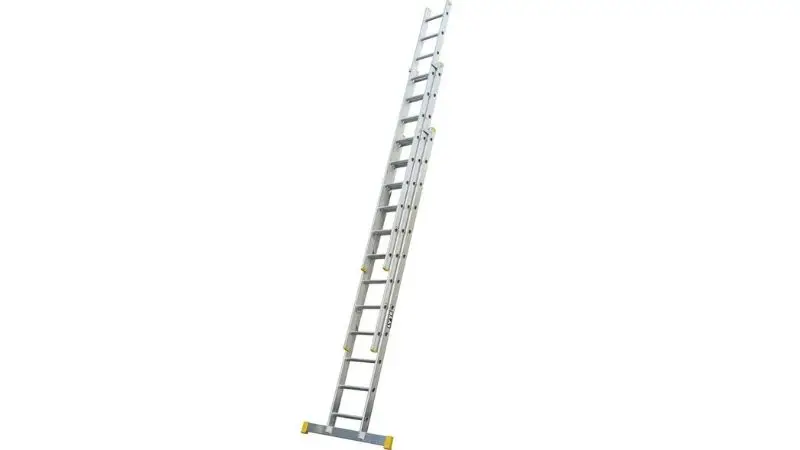
You can reach higher places with extension ladders, like the roof or gutters. You move one part up to make the ladder longer. You should lean this ladder against something substantial, like a wall. You can reach higher with extension ladders, but you need enough room to use them safely.
- Best for things that need to be done outside
- Height can be changed
- Needs help from a wall or surface
Multi-Position Ladders
Multi-position ladders give you lots of options. You can use them as a step ladder, extension ladder, or even as a scaffold. These ladders have joints that let you change their shape. If you hold multiple jobs, this type saves space and money.
- Works for many tasks
- Folds into different shapes
- Good for people who do lots of projects
Telescoping Ladders
Telescoping ladders can extend and lock at various heights. You can make them as long or as short as you want. These ladders are easy to carry and store. A telescoping ladder can fit in a closet or the trunk of your car if you have limited space.
- Small and easy to carry
- Height that can be changed
- Good for small homes or apartments
Think about how often you use a ladder and what kinds of jobs you do most when you choose between these types. A step ladder or a telescoping ladder might be all you need if you only need a ladder for simple jobs. If you work outside or need more height, look at extension ladders or multi-position ladders. Aluminum ladders are available in various styles, allowing you to find one that suits your needs and makes your work easier.
Ladder Height
Household Tasks
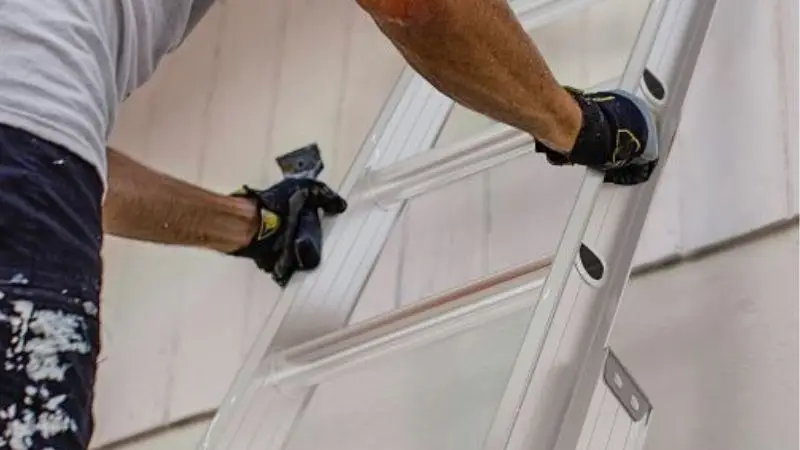
You want a ladder that helps you finish jobs around your home. Think about what you do most. Do you change light bulbs, clean ceiling fans, or reach high shelves? Each task needs a different ladder height. If you only need to get a few feet above your head, a short step ladder works well. For outdoor chores like cleaning gutters or trimming trees, you need something taller. Here’s a quick way to match ladder height to everyday tasks:
| Task | Suggested Ladder Height |
| Change light bulbs | 4-6 feet |
| Paint walls | 6-8 feet |
| Clean gutters | 16-20 feet |
| Reach roof | 20+ feet |
Reach and Size
A ladder that matches your reach might be enough. In fact, you need a ladder that is longer than the height you want to reach. This gives you room to stand safely and work comfortably. For example, if you want to reach a 10-foot ceiling, choose a ladder that is at least 12 feet tall.
Extension ladders need special care. You should follow the 4:1 safety rule. For every 4 feet of ladder height, place the base 1 foot away from the wall. This keeps the ladder stable and helps you avoid falls. Here’s how the 4 to 1 rule works:
- 16-foot ladder: Place the base 4 feet from the wall
- 20-foot ladder: Place the base 5 feet from the wall
Aluminum ladders are available in various sizes, allowing you to find one that suits your home and specific tasks.
Aluminum Ladders: Safety
Weight Capacity
You want a ladder that holds you and your tools without worry. Every ladder comes with a weight rating. You can find this number on the label or stamped on the side of the item. The rating indicates the maximum load the ladder can safely support. If you carry paint cans, drills, or other gear, add their weight to your own. Don’t ever guess. Before you climb, always look at the label. Here are the standard duty ratings for ladders:
| Duty Rating | Maximum Load (lbs) | Typical Use |
| Type III (Light) | 200 | Home chores |
| Type II (Medium) | 225 | Painting, repairs |
| Type I (Heavy) | 250 | Construction tasks |
| Type IA (Extra) | 300 | Professional jobs |
Stability
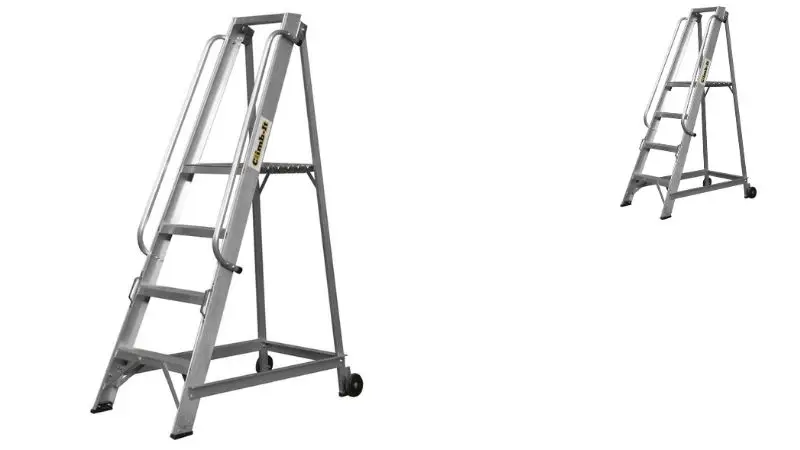
You want to feel steady every time you take a step. Look for aluminum ladders with wide bases and non-slip feet. These features help keep the ladder from sliding or tipping. Some ladders have rubber pads or textured grips on the feet. These allow the ladder to stay put on tile, wood, or concrete. Here’s a quick checklist for ladder stability:
- Wide base for balance
- Non-slip feet or pads
- Secure locking hinges or spreaders
- Solid frame with no wobbles
Certifications
You should be able to trust your ladder. You should look for safety certifications from reputable organizations, such as the American National Standards Institute (ANSI) or the Occupational Safety and Health Administration (OSHA). These marks indicate that the ladder adheres to strict safety standards. You can see the certification label on the ladder or in the manual that comes with it.
There are strict tests for certified ladders. They look for strength, balance, and a safe design. You can be sure that the ladder passed these tests if it has the ANSI or OSHA mark. Always check the weight rating, look for features that make the ladder stable, and ensure it has safety certifications before purchasing it. Every time you climb, you keep yourself and your family safe.
Features and Storage
Extra Things
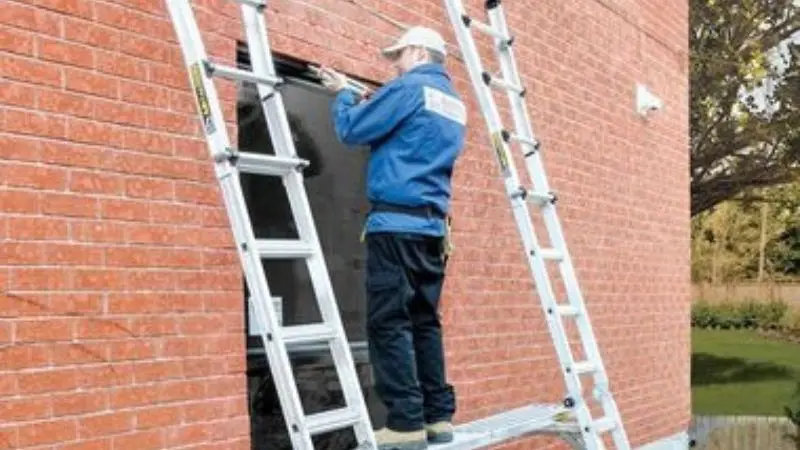
You want more than just steps and rails when you buy an aluminum ladder. Good ladders come with valuable extras that make your job easier. You might find a paint tray that snaps onto the side. You don’t have to go up and down to get your paint can or tools because this tray holds them. At the top of some ladders, there are slots or hooks for tools. You can keep a tape measure, hammer, or screwdriver close by. Check out these valuable features:
- Paint tray: This is where you put your paint cans, brushes, or small tools.
- Tool slots: Keep your tools organized and easily accessible.
- Project trays provide space for screws, nails, or even your phone.
- Hooks: Hang bags or buckets so they are easily accessible.
Portability
You need a ladder that suits your space and lifestyle. Aluminum ladders are great here because they fold up and are easy to move. Many models have frames that fold up. You can’t put them away in a closet, garage, or even under a bed. Telescoping ladders can be folded up to a small size. You can keep them in a small space or in the trunk of your car. Here’s a quick chart to help you compare storage options:
| Ladder Type | Storage Space Needed | Easy to Carry? |
| Step Ladder | Medium | Yes |
| Extension Ladder | Large | Sometimes |
| Multi-Position | Medium | Yes |
| Telescoping Ladder | Small | Yes |
Conclusion
The right aluminum ladder for your home will depend on the tasks you need to perform, the height you require, and the level of safety you need. Here’s a quick list to help you make a choice:
- What kind of work do you need to do?
- How far do you need to go?
- Does the ladder feel safe?
- Is the weight rating high enough?
Before you buy something, always check to see if it has safety features. Every time you use your ladder, be careful and stay safe!
FAQ
How do you clean an aluminum ladder?
You can wipe the ladder with a damp cloth. Use mild soap for tough spots. Dry it with a towel to keep it shiny.
Can you use an aluminum ladder outside?
Yes, you can use it outside. Aluminum does not rust, so rain will not hurt it.
- Store your ladder indoors when you finish.
- Check for mud or water before you climb.
What is the safest way to climb a ladder?
Face the ladder and hold the rails. Keep three points of contact—two hands and one foot, or two feet and one hand.
How do you know if your ladder is tall enough?
Look at the height you need to reach. Choose a ladder that is taller than your goal. For a ceiling fan, you may need an 8-foot ladder; similarly, for the gutter and roof, you will need 16 to 20-foot ladders.