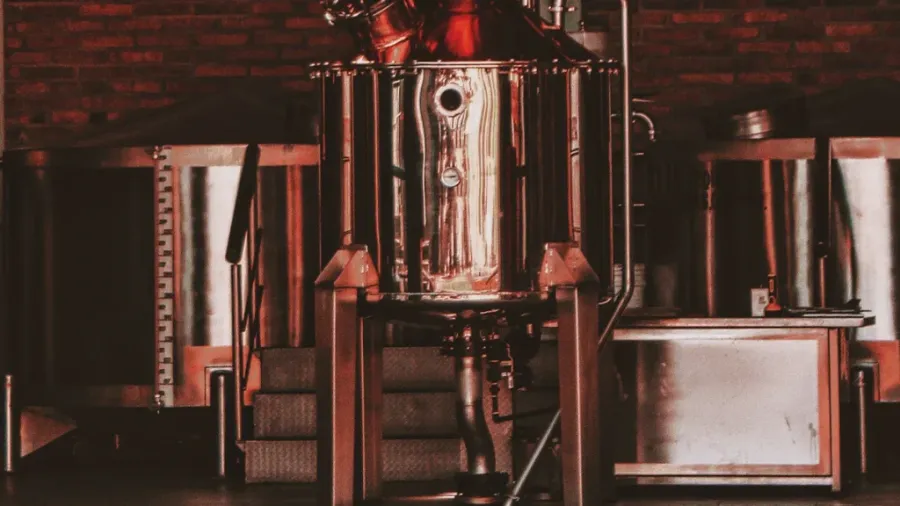
Do you want to make your own spirits at home while ensuring quality? People who want to create high-purity spirits often turn to an alcohol distiller. But not everyone knows what it is and what it does. So in this article, we’re going to talk about what an alcohol distiller is and how you can make your own spirit with it.
What is an alcohol distiller?
An alcohol distiller works by heating the mixture so that alcohol turns into vapor before water does. The vapor then cools and becomes liquid again, leaving behind unwanted substances.
People use an alcohol distiller kit for small batches, while a countertop alcohol distiller fits well in kitchens or labs. The main goal is to get pure alcohol safely and efficiently.
What are the main components?
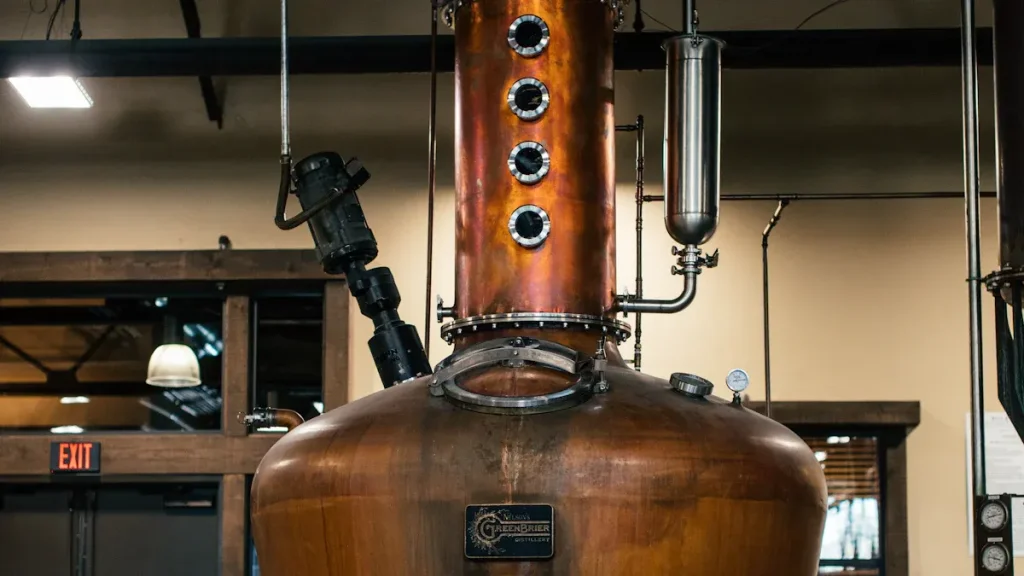
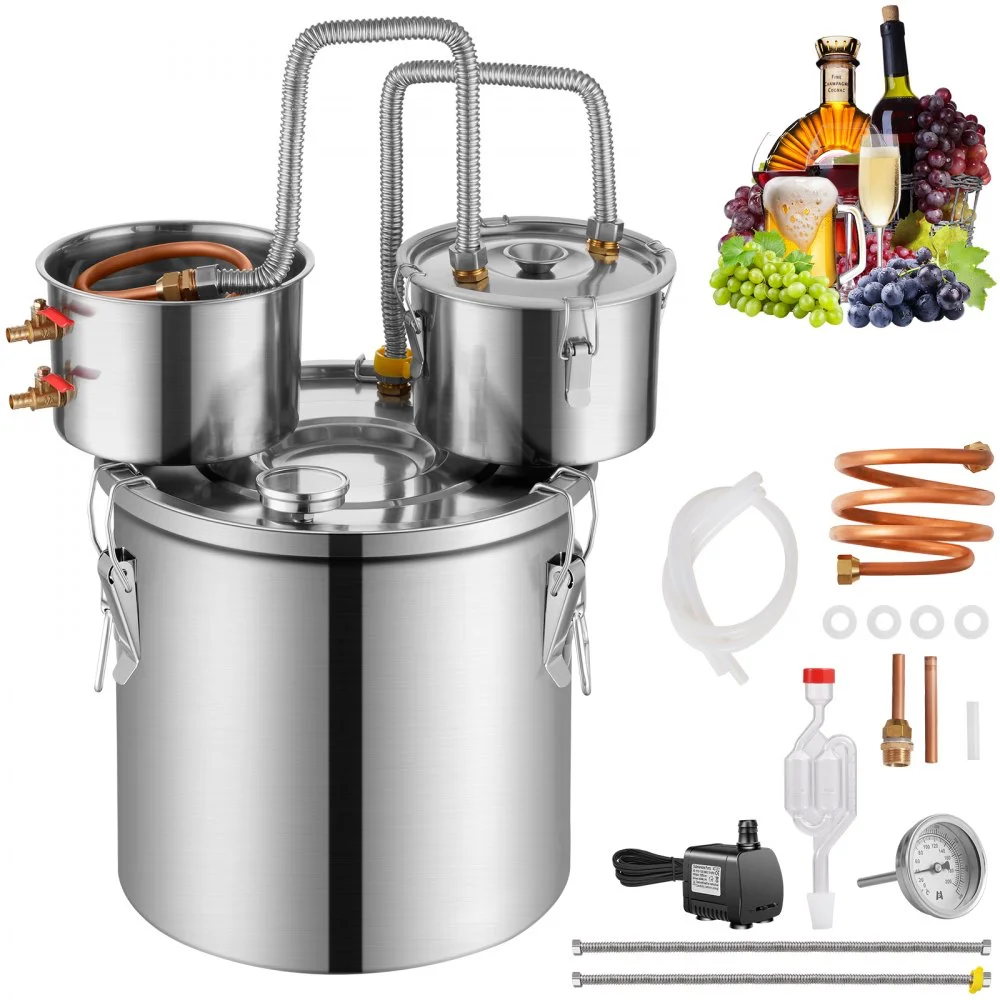
Several crucial components make up a typical alcohol distiller machine. Every component is essential to the process:
- Pot: Fermented mixture is stored in a pot and is boiled.
- Column or neck: When it heats up, alcohol vaporizes first, which moves upwards through the column. It gets separated from water and other stuff.
- Condenser: The condenser converts it into liquid once again.
- Spirit safe: It makes sure the purified alcohol is collected.
- Gauges and thermometers: They assist in maintaining pressure and temperature.
- Reboiler: It reuses heat to increase efficiency without wasting any energy.
How Does An Alcohol Distiller Work?
1. Fermentation
Fermentation kickstarts the process. Yeast is used to break down sugars in foods like fruits, potatoes, and grains. This process produces alcohol and carbon dioxide.
Fermentation takes anywhere between 5 to 7 days. The yeast works great in airlock containers. This also ensures that unwanted bacteria stay out. Different yeast strains are used to create various flavors and alcohol levels.
2. Boiling & Vaporization
After fermentation, the mixture transfers to the alcohol distiller. The heating starts, and alcohol boils at around 78°C, while water boils at 100°C. Alcohol has a low boiling point, hence it vaporizes first. This difference helps the distiller to separate the water and alcohol.
- At 78.4°C, the vapor pressure of alcohol matches the air pressure, so alcohol vaporizes.
- The alcohol distiller kit uses a boiler to heat the liquid. As the temperature rises, alcohol molecules escape as vapor.
- Modern designs use sensors and controls to keep the temperature steady, which improves vaporization efficiency.
3. Condensation & Collection
Vapor enters the condenser after passing through the column after forming. The vapor is cooled by the condenser, which transforms it back into liquid. In order to collect purified alcohol, this step is essential.
- In order to absorb heat from the vapor, the condenser frequently uses cold water.
- The vapor condenses into liquid alcohol as it cools, and the alcohol drips into a collection jar.
- Fractional distillation columns, filled with materials like copper mesh, allow repeated cycles of vaporization and condensation. This process increases purity.
A home alcohol distiller makes the entire process easier. It helps collect smaller batches. Despite its usage at small scale, it has a powerful system of condensation and collection.
Types of alcohol distillers
Let’s explore the primary types of an alcohol distiller:
1. Pot Stills
Pot stills are a traditional method to get rich spirits like rum and whiskey. They work in batches. The process usually begins from filling the pot with fermented mixture, heating it, and then collecting the alcohol. The process helps achieve rich flavors and is ideal for small-scale distillation.
Historically made of copper, excellent for heat transfer and removing sulfur, a pot still remains popular in home distillation kits.
Their simplicity and ability to control aroma and alcohol concentration make them accessible for beginners while offering better results that appeal to craft distillers focused on character and taste.
2. Column Stills
Continuous stills, another name for column stills, operate in a different way. This machine uses a tall column with trays or plates to distill alcohol.
The design makes the spirit purer by allowing vapor to rise and condense repeatedly. Column stills are ideal for large factories and commercial use because they operate continuously.
Compared to pot stills, column stills have a much higher alcohol content, up to 96%. For home use, the mini column design of the countertop alcohol distiller is frequently used.
Alcohol and impurities are separated with the aid of packing materials inside the column. More control over output and purity is possible with this configuration.
Safety Tips
Distilling alcohol involves flammable vapors and high temperatures, so safety must come first. Proper setup and precautions help prevent fires, injuries, and costly mistakes.
- Distillation should always take place in an area with adequate ventilation.
- Heat sources and open flames should be kept away from the still.
- Make use of electrical components and switches that are explosion-proof.
- Fit the boiler with a pressure relief valve.
- To avoid foaming or surges, don’t fill the boiler to the brim.
- Keep finished alcoholic beverages away from sources of ignition.
- To avoid pressure buildup, use a non-pressurized system.
- Prior to distilling, be aware of and abide by local laws and safety regulations.
By taking these precautions, fires and injuries can be avoided. Burns or explosions could result from even a minor error. Everyone can use an alcohol distiller safely if these guidelines are followed.
FAQ
What can you make with an alcohol distiller?
People use an alcohol distiller to create spirits like whiskey, vodka, and rum. Some also use a home alcohol distiller for essential oils or purified water.
Is it legal to use an alcohol distiller kit at home?
Laws differ by country and state. Many places require a license to use a home alcohol distiller or alcohol distiller kit for spirits. Always check local rules.
How does a countertop alcohol distiller differ from a large alcohol distiller machine?
A countertop alcohol distiller handles small batches and fits in kitchens. A large alcohol distiller machine works for bigger volumes and often has more advanced controls.
Conclusion
Creating alcohol at home is not that straightforward as you may think. One needs to have knowledge of main processes involved like fermentation, vaporization, and condensation. Utilizing the right components and following safety tips, you can achieve high quality spirits at home.
For effortless and reliable outcomes, using the right tools is important. Alcohol distillers like from Vevor can offer smart features while ensuring safety. Whether you are a beginner, or a craft distiller, high quality equipment can help with getting the best results.