Pond owners run into serious trouble when water sits stagnant and oxygen levels drop. Fish start gasping for air. Bad smells appear. Algae takes over. The VEVOR pond aerator tackles these exact issues head-on. It circulates the water and drives fresh oxygen throughout the pond. This isn’t an extra add-on; it is a fundamental piece of gear for keeping an ecosystem in balance. The VEVOR pond aerator delivers the strength and dependable operation you need.
Running an aerator to support pond health helps your aquatic setup keep flourishing. Pond aerators are plentiful on the market, but this model stands out. No other aerator runs as well as this one. Low-cost aerators often break down. A dependable aerator keeps what you have put into your pond safe. A well-built aerator has an undeniable impact. You owe it to your pond to look after it the right way.
Why Is Pond Aeration Important for a Healthy Pond?
A pond without adequate aeration turns into stagnant water. Oxygen drops fast whenever water stays still. Then fish die. Foul odors start to develop. Warm weather only makes these issues worse. Running an aeration system in your pond solves every one of these issues. Keeping the water well oxygenated and constantly moving is the primary job of a pond aerator. Every living thing in your pond stays protected because of this.
Recommended For Your Project
How Aeration Increases Dissolved Oxygen
The process works by blending air into the water while keeping it in motion. Air is pulled in from the outside by the aerator. It routes that air down through tubing to diffusers resting on the pond floor. Small bubbles drift toward the surface. Oxygen transfers into the water from these rising bubbles. That process goes by the name of oxygenation. Proper aeration boosts the amount of oxygen in the water. The pond remains clear and in good condition.
Beneficial microorganisms also gain from aeration. Leaves, sediment, and other organic debris get broken down by these tiny organisms. To do that work, they need oxygen. Once oxygen drops, their pace drops with it. Natural debris just accumulates. Aerating the water keeps them on the job. The pond stays that much clearer as a result. A pond aerator backs up this natural cleanup process every single day.
Why Fish Need Adequate Oxygen
Fish pull the oxygen they need straight from the water. Without it, survival is impossible for them. When oxygen drops too low, fish come under stress. You will see them at the surface gasping for air. They stop eating. They get sick. When things get severe, it kills them. Cold water carries more oxygen than warm water can hold. The summer months present a genuine risk. A quality aerator protects your fish right through those tough spells.
Not all fish require the same amount of oxygen. Trout require more oxygen than catfish do. Koi and goldfish sit somewhere in the middle when it comes to oxygen. Your aeration setup has to fit the specific fish you keep. Proper aeration stops oxygen levels from swinging up and down. Your fish will stay lively and in good health. They grow faster. Their resistance to disease goes up. Putting oxygen into your pond isn’t optional. Without it, the fish simply will not survive.
Oxygen directly dictates the quality of your water. Circulating oxygen throughout the entire pond with an aerator lifts the overall water quality—every plant, fish, and microbe in the pond benefits. A balanced pond ecosystem is what aeration systems produce. The aerator runs all the time or on a schedule. That decision comes down to the volume of the pond and your stocking levels. The pond remains in good shape under either approach.
How Does a VEVOR Pond Aerator Work?
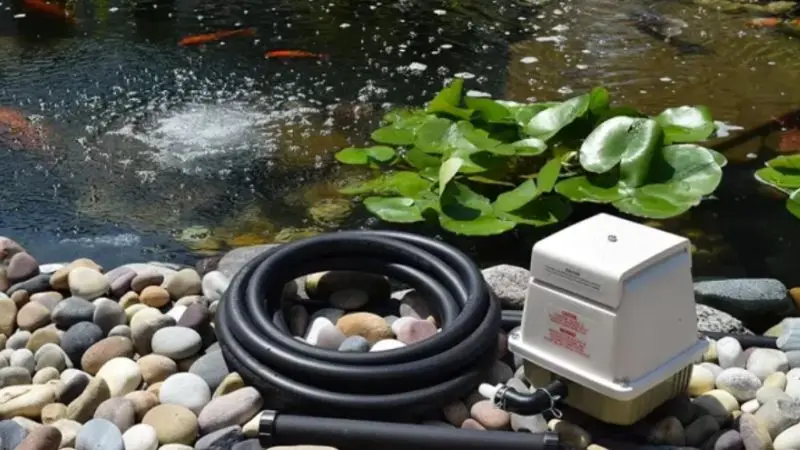
Knowing how a VEVOR pond aerator works makes the system easier to install and operate. The setup normally includes an air pump, airline tubing, and one or more diffusers. A compressor inside the VEVOR aerator provides oxygen to the pond water. An air pump in this electric pond aerator drives air out to the diffusers through lines of tubing. The result is a water aeration setup that keeps the pond water circulating.
Air Pump and Diffuser System
Out on the bank, your aerator stays completely dry. To drive air down the tubing, the aerator relies on a compressor. Weak compressors are common in a lot of aerators. This VEVOR compressor keeps pressure steady. Long-lasting aerators depend on a solid compressor. The compressor is the heart of the aerator. You have to shield the compressor from falling rain. Your pond depth determines the right compressor size. During the summer months, the compressor has to put in more effort. When learning how to set up a VEVOR pond aerator, choose a suitable location for the pump and keep the connections secure.
Every diffuser rests right at the bottom of the pond. As it passes through the diffuser, the air splits into tiny bubbles. If a diffuser is well-made, it produces bubbles even tinier than grains of sand. Oxygen blends into the water much more readily when the bubbles are small. The diffuser helps transfer oxygen into the water. Together, the air pump and the diffuser function as a unit. The pump delivers air in a constant, uninterrupted stream. Your pond gets full coverage from this all-in-one aeration setup. Each diffuser covers a single section of the pond.
Clean the diffuser yearly. Without a reliable diffuser, you cannot get effective aeration. You will find more than one diffuser included with certain aerator models. Poor diffusers are routinely bundled with bargain aerators. More powerful aerators deliver better results in your pond. Higher-end aerators hold up better over time. The very best performance comes from the highest-tier aerators.
How Air Bubbles Improve Water Circulation
As the bubbles rise, they drag water up from the bottom. That motion blends the entire body of water. Water keeps moving through the pond even without a mechanical pump installed. The rising air serves as a pump on its own. Disturbing the surface keeps your dissolved oxygen from swinging wildly. Features vary depending on which model you buy. Bigger ponds call for commercial-grade units. Your pond aerator runs all the time or on a schedule. This model matches your pond’s needs.
If you are learning how to use a VEVOR pond aerator, allow the diffuser to operate in a location where the bubbles can move water effectively. Continuous operation ensures oxygen levels remain consistently high. Using a timer on the compressor reduces electricity use. Ponds with a heavy stock of fish need more aeration. Fewer fish in the water means you can get away with less aeration. Ponds stay in good shape only when oxygen levels remain consistent. Stick to the instructions that come with the product.
Key Benefits of a VEVOR Pond Aerator
A VEVOR pond aerator does more than circulate water. The condition of your entire pond improves because of it. The water stays cleaner, the fish stay healthier, and you run into fewer issues across the board. Combined, these advantages bring the whole ecosystem into balance.
How It Supports Fish and Aquatic Life
Oxygen is a basic survival requirement for your fish. An aerator maintains an even supply of oxygen in the water throughout the day. Midsummer heat makes this most critical. Oxygen doesn’t dissolve as well in warmer water. If you don’t intervene, you will see fish gasping for air at the top. That is the exact issue a VEVOR pond aerator resolves. It runs all the time to keep oxygen flowing.
If you are learning how to use a VEVOR pond aerator, consider the needs of the pond rather than simply running the system without adjustment. Higher oxygen levels benefit fish in many ways. Their appetites pick up, and they put on size much quicker. Their bodies can resist sickness better, too. Beneficial bacteria also get a boost from your pond aeration system. Dead plant matter and fish droppings get broken down by these microscopic creatures. This natural process keeps the water clean. Everything living in the water gets a secure habitat from a full aeration setup.
How It Helps Reduce Stagnant Water
Algae blooms and foul odors often result from standing water. Circulating the water and pumping in oxygen helps a pond aerator address both issues. Down on the pond floor, the diffuser sends out small streams of fine bubbles. As the bubbles rise, they bring deep water up toward the surface. Moving the water clears out the dead pockets where algae thrives, and mosquitoes lay eggs.
Proper aeration carries oxygen into every corner of the pond. Your pond aerator keeps water moving without a mechanical pump. Water cannot stagnate when it never has the chance to settle. Helpful microbes use that oxygen supply to digest sunken leaves and buildup. The diffuser system works all day and night. The water clears up, and bad odors drop off. Aerating the water and introducing oxygen helps keep the pond looking good. A VEVOR pond aerator lifts dissolved oxygen so your pond stays in good shape for years.
How to Install and Set Up a VEVOR Pond Aerator
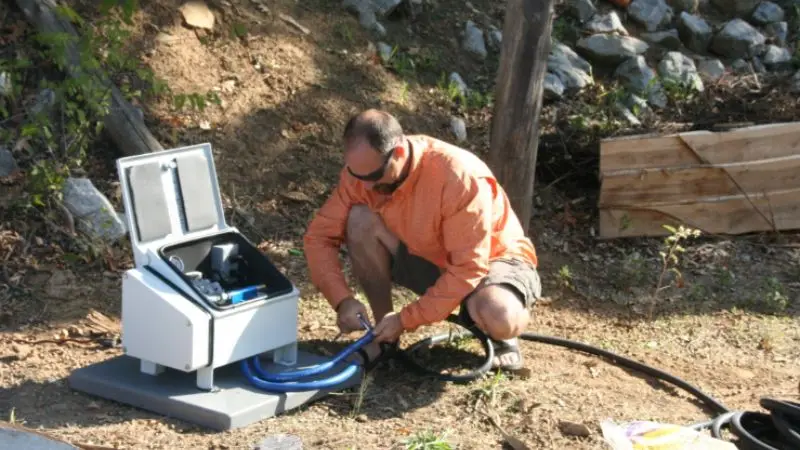
Check over the pump, tubing, diffuser, power cord, and any other included hardware before you begin installing anything. Pick a solid, level spot for the pump that keeps it away from standing water and out of harsh weather.
For proper installation of a VEVOR pond aerator, position the diffuser right where the instructions specify for depth and placement. Fasten the airline tightly, and check along the line for kinks, sharp turns, or worn spots.
Attach the other end of the hose to the air pump, then double-check every connection. After double-checking every connection, power on the system, then watch how the bubbles come up. Air should rise from the diffuser in a constant, unbroken stream.
Check the manual that came with your particular model if you have doubts about assembling a VEVOR pond aerator. Differences in your equipment and the state of the water can change what the right setup looks like.
How Long Should a VEVOR Pond Aerator Run?
Runtime for a VEVOR pond aerator comes down to the pond itself, its water temperature, fish numbers, aerator capacity, and general water quality.
Certain ponds do well running the aerator constantly or for long stretches, but other setups call for a different timetable. When temperatures rise or oxygen drops, you may need to aerate more.
To get the timing right, check your model’s manual and factor in what is happening in your own pond. Do not shift runtime dramatically without first weighing what the fish need and how the water looks. Keeping a VEVOR pond aerator properly serviced lets it keep the water circulating on a steady basis.
How to Choose a VEVOR Pond Aerator
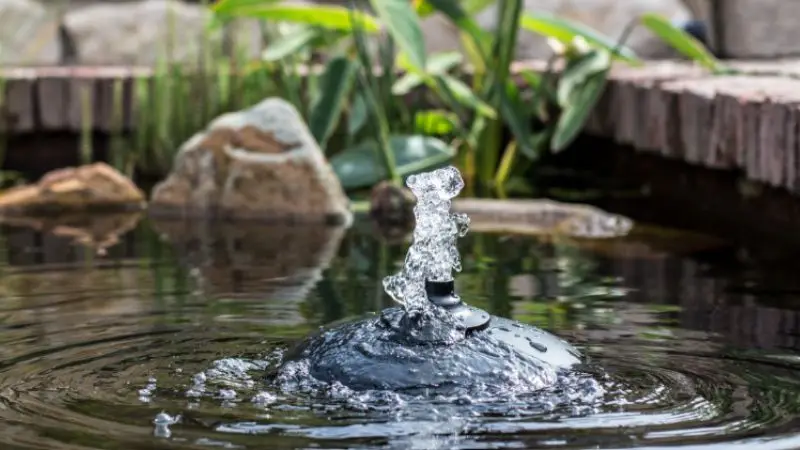
Choosing the right VEVOR pond aerator depends on your pond’s size, depth, shape, fish load, and airflow needs. Before you buy one, check the compressor capacity, CFM, diffuser count, tube length, and recommended pond size. Because these systems use diffusers to release air into the pond, it also helps to understand how VEVOR pond aerators work. As bubbles rise to the surface, deeper water flows, helping to improve circulation and oxygen levels. Once you know how to choose a VEVOR pond aerator, you can select a system similar to your pond instead of only the size of the compressor.
VEVOR 3/4 HP 5.2 CFM Pond Aerator
VEVOR 3/4 HP pond aerator shall provide an airflow of 5.2 CFM and shall be designed for larger ponds requiring even ventilation. Understanding the way the VEVOR pond aerator works helps to explain why the airflow is relevant. The compressor sends air through pipes to the diffuser, where small bubbles rise through the water to generate circulation. Check the depth of the pond and diffuser placement before installation. When you learn how to install a VEVOR pond aerator, place the compressor on a dry, ventilated surface and place the diffuser in an appropriately deep area. Follow the instructions for connections and operation of the product.
VEVOR 3/4 HP Pond Aeration System With One Diffuser
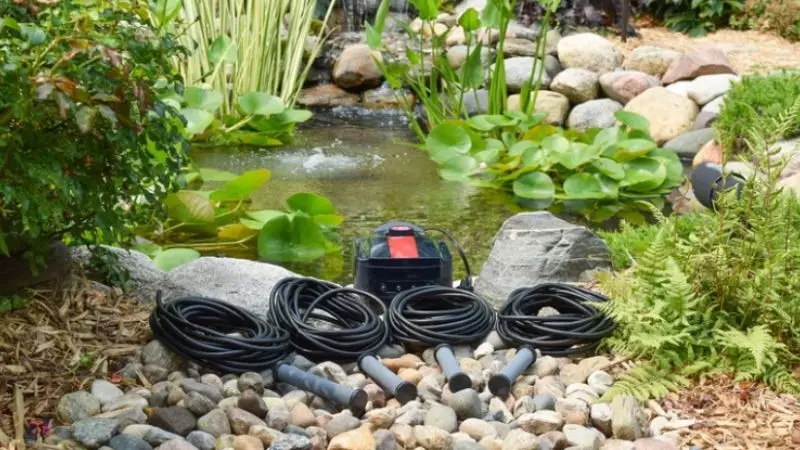
This VEVOR system combines a 3/4 HP compressor with one single diffuser and one weighted hose. The diffuser gives air rather close to the bottom of the pond and helps to move deep water up. If you learn to use a VEVOR pond aerator, start a system in accordance with the manufacturer’s instructions and watch a stream around the diffuser. Good equipment is also important, so how to set up a VEVOR pond aerator includes the safe connection of the airline, the protection of the compressor against water, and the placement of the diffuser where the water can circulate. This setup is suited for ponds where one diffuser has sufficient coverage.
VEVOR 3/4 HP Pond Aeration System With Two Diffusers
The two-diffuser VEVOR pond aeration system can spread aeration across more than one field of the pond. With an airflow rate of 5.2 CFM and 2 diffuser points, it uses 3/4 HP. When deciding whether to use a VEVOR pond aerator, consider your pond’s shape and whether a diffuser can provide sufficient circulation. Over a wider area, the air distribution of the two diffuser locations can be more evenly distributed. To install a VEVOR pond aerator, connect each diffuser line and secure the diffusers in the right areas of the pond. Keep the compressor on dry, stable ground.
VEVOR 1 HP Pond Aeration System With Four Diffusers
The VEVOR 1 HP pond aeration system delivers 6.7 CFM of airflow and uses four diffusers. Various diffuser points can help spread aeration over a larger or irregularly formed pond. When comparing VEVOR pond aerators, look at both compressor capacity and diffuser coverage rather than focusing exclusively on horsepower. Install the system according to the instructions, and place the compressor in a dry, well-ventilated location. To see how you use the VEVOR pond aerator, check the movement of air and water from the start. This helps to confirm that diffusers work correctly.
VEVOR 3/4 HP Pond Aerator With Timer
You can take more control over the aeration schedule using a VEVOR 3/4 HP pond aerator with a timer. The system provides 5.2 CFM of airflow and is designed to maintain up to 3 acres of pond, depending on the model and conditions. If you’re wondering how long a VEVOR pond aerator run should last, the answer depends on pond depth, water temperature, fish load, algae growth, and air capacity. Don’t assume every pond needs the same runtime. When you learn how to set up a VEVOR pond aerator, use the timer as instructed by the manufacturer, and adjust the schedule to your pond’s conditions.
VEVOR Pond Aerator Comparison
| VEVOR Pond Aerator | Compressor | Airflow | Diffusers | Tubing | Main Use |
| 3/4 HP Pond Aerator | 3/4 HP | 5.2 CFM | 1 | 100 ft | Larger ponds |
| 3/4 HP System | 3/4 HP | 5.2 CFM | 1 | 100 ft | Single-point aeration |
| 3/4 HP System | 3/4 HP | 5.2 CFM | 2 | 2 × 100 ft | Wider coverage |
| 1 HP System | 1 HP | 6.7 CFM | 4 | 4 × 100 ft | Multiple aeration points |
| 3/4 HP With Timer | 3/4 HP | 5.2 CFM | Varies by model | Varies | Scheduled aeration |
Exact specifications and included accessories can vary between VEVOR models, so check the individual product listing before purchase.
Wrap Up
An aerator maintains overall pond water quality. A VEVOR pond aerator delivers a dependable, continuous supply of oxygen. This unit increases oxygen levels in your pond. A lot of pond aerators burn out quickly. Well-built aerators last much longer. A solid aerator prevents your pond conditions from turning dangerous. Dependable aerators make it much easier for fish to thrive. A proper aerator keeps algae from taking over the surface. Commercial-grade units circulate the entire pond around the clock. Newer aerator designs keep the water from turning stagnant.
Rough pond environments will not ruin a properly built aerator. Your pond aerator works every day. A powerful aerator makes an obvious difference in the pond. Smart owners choose a well-made aerator instead of an underpowered one. With this unit running, the pond gets the steady attention it needs. A decent aerator makes a noticeable difference in how well the water does. Investing in a well-built aerator protects the money you put into the pond itself. This is the aerator your setup actually calls for.
FAQs
Which pond pumps do the most to keep the water clear?
Pumps that keep the water moving continuously help filters do their job and keep dead spots from forming. Base your pump choice on head height, how fast the water needs to move, the filter’s rating, and total pond volume. Adding aeration helps maintain proper oxygen levels.
Which water garden pumps suit fountains best, and what sets them apart from each other?
Choosing the right pump comes down to how deep it sits, the flow volume you want, and how large the fountain is. Smaller setups do fine with submersible units, whereas bigger fountains demand pumps built for higher volume. Either option helps stir the surface and improve overall circulation.
Which water garden pumps make the most sense for koi ponds, and what makes them suitable?
Pumps that circulate water consistently and integrate cleanly with filtration gear are ideal for koi. Protect water quality by sizing the pump to your fish count, pond volume, required flow rate, and total head height.
What water garden pumps work best to run a waterfall or stream?
A waterfall pump needs to push adequate volume at your target elevation so the water keeps flowing steadily. Look at the pump’s maximum head rating and flow rate. Because they break up the surface water, waterfalls can also help oxygenate the pond.
If you are placing a water garden pump by a deck or patio, which models run the quietest?
Low-noise pond pumps generally rely on vibration-dampening engineering and efficient motors. Because the surrounding water muffles the motor, submersible pumps can also run more quietly. Mounting the pump securely and installing it correctly will help reduce extra running noise.