Step outside on a warm morning, and you might spot murky water, algae blooms, or fish piping at the surface. These symptoms often trace back to a single unseen issue: a drop in dissolved oxygen. Aeration of ponds helps maintain oxygen levels that fish, plant life, and beneficial bacteria need to survive.
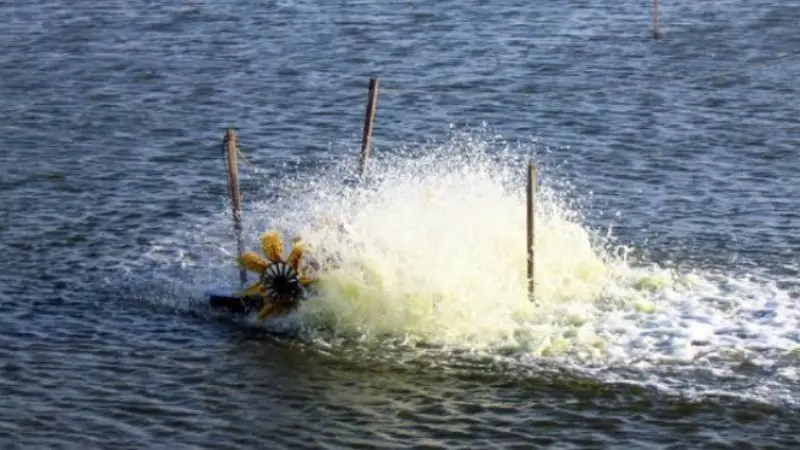
There are two primary routes to better pond aeration: working with nature or using mechanical systems. On the natural side, you have things like aquatic plants, wind exposure, waterfalls, and solar setups. Mechanical setups rely on diffusers, paddle wheels, fountains, and aeration pumps to circulate the water and drive oxygen into it.
It pays to know what pond aeration actually is and why you need it before picking an approach. Aerating a pond means introducing oxygen and circulating the water so that oxygen reaches every corner. What works best depends on the pond’s size and depth, how many fish you keep, what you want to spend, and your overall goals.
How to Improve Pond Aeration Naturally
Instead of leaning on powered machinery, natural aeration turns to wind, vegetation, running water, and gravity. These methods can support aeration of ponds with little ongoing energy use and are well suited to small, lightly stocked ponds
You can improve oxygen exchange without keeping mechanical gear running all the time by using a few simple approaches if you are learning how to aerate a pond naturally. Still, natural options hit a wall if a pond is particularly deep or holds too many fish.
Recommended For Your Project
Add Aquatic Plants
Through photosynthesis, aquatic plants can help keep pond oxygen levels up while the sun is out. Submerged species like hornwort and anacharis release oxygen directly into the water, while perimeter plants offer shade and shelter. Water lilies can also spread over sections of the surface to help block out harsh sunlight.
Do not let vegetation take over too much of the water surface. Thick growth can choke off water circulation, and decaying stems and foliage will pull oxygen out of the water as they rot. Skim out dying vegetation regularly, especially before it drops to the bottom. When oxygen demand runs high, use plants to supplement your aeration strategy instead of substituting them for good water movement.
Aquatic plants can help if you are trying to figure out how to raise pond oxygen without plugging anything in. Still, they make oxygen mostly while the sun is up, so ponds with heavy oxygen needs should never rely on them alone.
Create Water Movement With a Waterfall or Stream
Water that stays in motion meets more air, and that exposure aids natural gas exchange. As water churns and splashes back into the pond, a stream, waterfall, or similar feature will pull oxygen in with it. How much water you move needs to fit how deep and large the pond is.
A fountain can also break up the water’s surface, boosting oxygen transfer near the top layer. Stirring the surface, though, might not carry enough oxygen down into the depths. Pair a waterfall or fountain with bottom-diffused aeration if your pond runs deep or holds a lot of fish. This technique carries oxygen-rich water across more of the pond, preventing aeration from staying confined just to the surface.
Circulation matters a great deal when you are working out how to oxygenate a pond. Streams and waterfalls give the water more surface contact with the air, but in a deeper pond you might need a diffuser to lift low-oxygen water from the bottom.
Remove Algae and Decaying Organic Matter
As decaying vegetation and overgrown algae break down, they draw heavily on the available oxygen. Nighttime is when this matters most, since photosynthesis stops and plants no longer generate oxygen, yet aquatic life keeps consuming it. Fish face even higher stress under these conditions if the weather turns warm and overcast.
Make a habit of skimming out surplus algae, dead leaves, and other rotting debris. A cleaner pond leaves far less waste for bacteria to feed on and decompose. That habit helps safeguard your dissolved oxygen levels and preserves water quality. Basic manual care might not cut it if you keep a lot of fish or run into frequent oxygen dips. Powered aeration equipment keeps oxygen moving on a much steadier basis.
That is another piece of grasping why pond aeration is important. Aeration is not just about pumping oxygen into the water, because decent circulation and debris management also curb the factors that drain oxygen away.
How to Improve Pond Aeration Mechanically
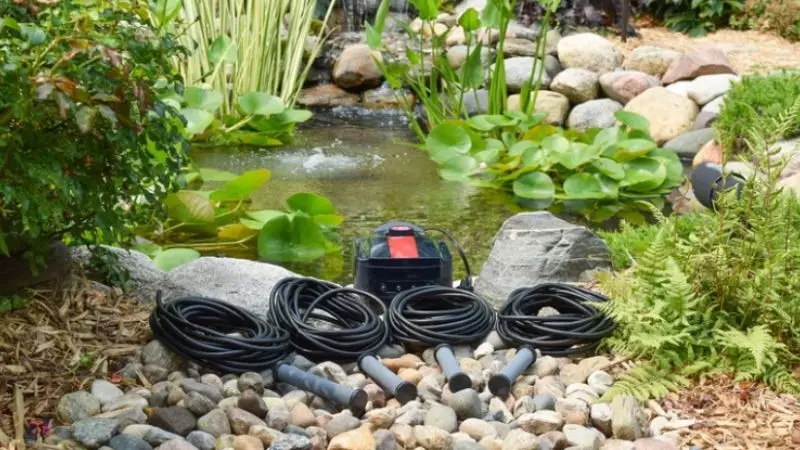
Mechanical systems rely on powered hardware to churn the water, producing far more consistent air-to-water exchange. They can provide reliable aeration of ponds whenever natural wind, plants, or streams cannot keep up with the pond’s oxygen needs.
Getting a grasp on how pond aeration works makes it easier to pick the appropriate setup. To aid circulation and gas exchange, mechanical aerators inject air into the water, push water up into the open air, or do both.
Use a Pond Air Pump and Air Stones
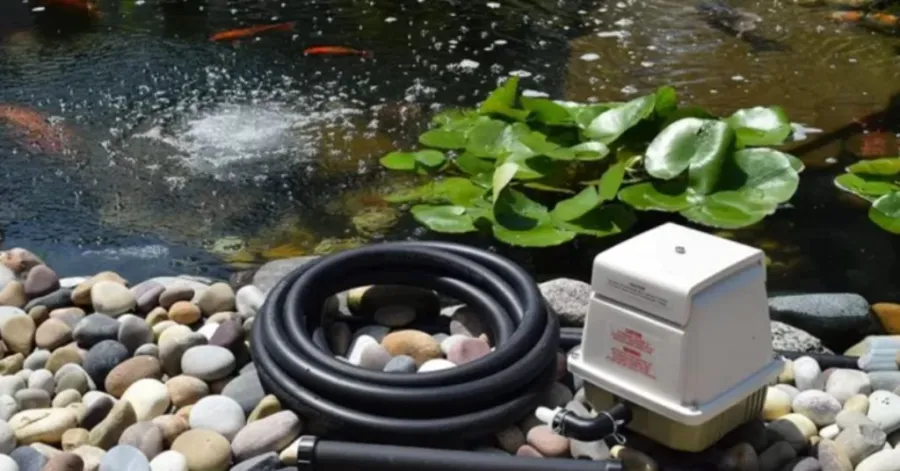
Tubing connects a pond air pump to a submerged air stone or diffuser, forcing air down into it. Tiny bubbles exit the diffuser and drift toward the surface. The rising bubbles draw water up from the bottom and make gas exchange at the surface more effective. This method is called diffused aeration.
Because they push low-oxygen water up to the top rather than just aerating the surface layer, bottom-diffused setups are especially valuable in deep ponds. This sort of circulation is a key factor when you look at ways to get oxygen into pond water. Base your equipment choice on how big and deep the pond is, the fish population, required airflow, running expenses, and upkeep demands.
A bottom diffuser gives pond owners a mechanical solution to think about whenever natural water flow is not cutting it. Surface-only setups leave dead spots, whereas a bottom system can deliver more dependable circulation right through a deep pond.
Install a Fountain Aerator
By shooting water into the air, an aerating fountain exposes airborne droplets to gases before dropping them back down into the pond. Along with producing visible water movement, this boosts oxygen exchange close to the surface. They suit ornamental ponds well, serving a practical purpose while potentially adding visual appeal.
If your pond has significant depth or acreage, though, a fountain might fail to stir the water down low. Pairing the fountain with a bottom diffuser helps achieve more thorough circulation under those conditions. Pick a fountain whose flow rate and spray dimensions fit the actual dimensions of your pond. Keep the impeller, intake screen, and surrounding parts clean on a routine basis so algae, dirt, and scale do not choke the flow.
Keep in mind as you plan pond oxygenation that surface units mostly work on the top layer. Adding a diffuser helps pull up water from lower down, working hand in hand with the fountain.
Choosing the Right Aeration Method
Personal gear preference is only one small part of finding the right way to aerate ponds. Fish populations, water temperatures, currents, vegetation, surface area, and overall depth all push oxygen requirements up or down.
Take stock of how your pond behaves and pinpoint where low-oxygen pockets are most prone to develop before buying any gear. Getting a clear grasp of what pond aeration actually involves makes it easier to weigh both gas transfer and circulation when shopping for gear.
Consider Pond Size and Depth
Your pond’s dimensions, especially its depth, dictate much of what you will need for aeration. Shallow ponds expose more water directly to the air, while deep water can easily become oxygen-poor near the bottom. While a shallow pond can sometimes get by on breezes and ambient currents, deeper basins usually need aeration pushed up from the bottom.
Get your pond dimensions before you buy any gear. If fish stocking remains low, a small pond can often get by on a stream, a waterfall, or a fountain of the right size. Deeper ponds or those with more surface area might need bottom diffusers to push water toward the surface. Moving water this way reduces dead spots and spreads oxygen more evenly from top to bottom.
Natural aeration techniques are handy for smaller setups, but water depth still drives what you choose. Breezes and surface ripples might never reach all the way down into the lower water.
Consider Fish Stocking and Oxygen Demand
Fish stocking is an important factor in aeration of ponds, as larger and more numerous fish consume more dissolved oxygen. Stocking lots of large fish typically drives oxygen needs higher than keeping just a few small ones would. Demand can climb through the night once plants shut down oxygen production, an issue compounded by the fact that warm water simply holds less gas to begin with.
If you are trying to raise oxygen levels in the pond, begin by assessing what is using it up. Lightly stocked setups can often rely on natural aeration, but heavy fish populations might force you into mechanical systems. Monitor water temperature, fish behavior, and dissolved oxygen whenever you can take readings. If you see fish gulping air at the surface, you could be dealing with an oxygen shortage that requires fast action.
When looking into pond aeration, balance the physical dimensions against the total load of fish. An aeration method suitable for a garden pond with light stocking may not supply enough oxygen for a pond with heavy fish numbers.
Combine Natural and Mechanical Methods
Pond aeration is often more dependable when you layer different techniques together. While wind, waterfalls, moving streams, and aquatic plants help keep day-to-day oxygen levels steady, fountains and diffusers add the extra water movement needed when those aren’t enough.
Layering these options pays off particularly well on windless, overcast, or scorching days. Rely on natural processes whenever conditions allow, bringing mechanical units online as the pond’s need for oxygen climbs. Taking this route keeps pond aeration steadier across shifting seasons and unpredictable weather.
Getting a grip on how pond aeration works makes it much clearer why using multiple systems pays off. Each type of system tackles oxygen transfer a bit differently, meaning a well-matched combination will promote stronger overall circulation.
How to Keep Your Pond Aeration Running Smoothly
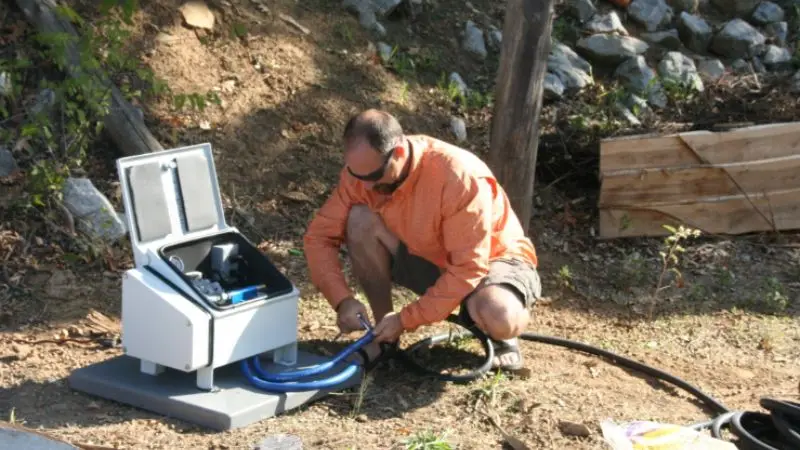
Effective aeration takes more than simply buying the proper hardware. If you clean, inspect, and check on things regularly, small issues won’t get the chance to choke off oxygen circulation.
Pond environments fluctuate too, driven by changing seasons, shifts in weather, algae blooms, and active fish. Checking in routinely lets you catch these shifts well before they spiral into severe oxygen shortages. That awareness goes hand in hand with understanding why pond aeration is important throughout the year.
Clean Air Stones, Diffusers, and Pump Parts
As time passes, diffusers and air stones can get fouled by algae, mineral scale, mud, and decaying organic material. As a result, airflow can drop, which may reduce the amount of water the system moves. Make a habit of inspecting your air stones, diffusers, tubing, intake screens, impellers, and pump housings. Clean each part according to the equipment manufacturer’s instructions.
Before you inspect or clean any electrical gear, always unplug it. Watch for cracked housings, loose connections, frayed or damaged cords, and worn parts. Be careful when cleaning clogged parts, and replace anything damaged. If a diffuser is clean, bubbles should rise in a steady, even spread across the whole surface. Regular cleaning supports effective aeration of ponds by keeping airflow steady and preventing clogged equipment from reducing circulation.
Keeping up with maintenance improves pond aeration as well, since clogged gear simply cannot circulate air and water effectively. Setting up a basic routine for cleanings can go a long way toward keeping the system running right.
Keep Pumps and Aerators Free of Debris
Build-up around your pond pumps and aerators drags down performance by choking off water flow. Check the gear regularly, clearing away leaves, mud, algae, and loose debris from the intakes. Watch the pond itself, too, for shifts in water clarity, unusual smells, surface movement, or changes in how the fish are acting.
Oxygen levels come under heavier strain, particularly through the night, when the weather turns hot, windless, overcast, or dense with algae. Keep a closer eye on the water in these stretches, and run the aeration gear strictly within the system’s recommended settings. Do not make sudden, drastic adjustments that quickly turn over distinct water layers in deep ponds. Making adjustments slowly, cleaning the system regularly, and staying on top of monitoring will keep aeration dependable and conditions even.
How to Maintain Healthy Pond Oxygen Levels
Aerating a pond properly is continuous work, not something you set up once and forget. Because natural conditions shift from hour to hour and season to season, the amount of oxygen your pond needs shifts as well.
Once you grasp why pond aeration is important, it is much easier to see why routine upkeep and monitoring are necessary. Fish, beneficial microbes, and the overall pond environment all benefit from steady dissolved oxygen.
Check Water Conditions on a Regular Basis
Checking the water frequently lets you see when extra aeration is required. Keep an eye on water clarity, temperature, algae, how the fish are acting, and dissolved oxygen whenever you can test it. Never overlook fish that cluster near the surface or constantly gasp for air, as these behaviors point to an oxygen shortage.
Oxygen drops faster when high heat, overcast skies, dense algae, and piles of rotting plant matter combine. Clear out settled waste and service your aerators ahead of time, before these conditions get out of hand. Picking out an aerator is only half the battle; if you are figuring out how to aerate a pond, monitoring is just as critical. It allows you to tailor your management to what the pond actually requires.
Understand When Natural Aeration Is Not Enough
In some small ponds, natural aeration works quite well, particularly if fish numbers are low and there is decent water flow or wind. However, natural processes might not deliver enough oxygen if a pond is deep, packed with fish, or frequently hit by algae blooms and heat-related oxygen crashes.
Figuring out natural aeration methods lets you cut back on gear, though nature still has its ceilings. Deep water does not always get dependable circulation from wind, plants, and waterfalls alone. If low oxygen remains an issue, look into installing a diffuser, a fountain aerator, or some other fitting mechanical setup.
Pond aeration comes down to knowing where natural processes work fine and where you might need to bring in equipment. What you want is an aeration setup that lines up with how much oxygen your specific pond actually burns through.
Wrap Up
Both mechanical gear and natural techniques can raise oxygen in a pond. How you tackle it comes down to depth, pond dimensions, fish count, current water quality, and what you have to spend. Streams, plants, and waterfalls support natural gas exchange, while fountain aerators and diffusers provide more predictable, managed circulation.
Once you understand what pond aeration is, you see that it covers moving the water around just as much as trading gases at the surface. Knowing why pond aeration matters also makes it easier to keep up with regular maintenance. Keep a close, regular eye on water clarity, temperature, oxygen levels, and the way your fish act.
Even modest upgrades to aeration of ponds can do a lot to help the aquatic life inside. Balancing natural processes with the right equipment and steady maintenance helps you keep oxygen and water movement steady year-round.
FAQs
Which pond pumps work best for keeping water clear?
A pond pump that keeps water moving steadily helps the filter do its job and cuts down on dead spots. Match the pump to your pond’s volume, your flow needs, and what the filter can handle. Pairing good circulation with aeration is what keeps pond water clearer and healthier.
Which water garden pumps work best for koi ponds, and why?
Because of the heavy waste load, koi ponds require pumps that circulate water dependably and pair smoothly with filtration. Pick a pump sized to your pond’s water volume, head height, target flow, and how many fish you keep, so oxygen spreads evenly and water stays clean.
Which water garden pumps are best suited to run a waterfall or stream?
A waterfall pump has to push enough water at the needed lift height to look right for the scale of the feature. Look closely at the pump’s rated flow rate and its maximum head. The surface disruption from falling water also helps pull more oxygen into the pond.
Which water garden pumps work best for fountains, and how do the options stack up against each other?
Choosing the right pump depends on fountain size, desired spray height, and overall water volume. Smaller features run well on compact submersible models, but bigger installations often need heavy-duty pumps built to run outdoors non-stop and move substantial volume.
Which water garden pumps run the quietest when installed next to a patio or deck?
Low-noise pond pumps usually rely on well-balanced, efficient motors paired with housings built to dampen vibration. Because they sit directly underwater, submersible pumps naturally muffle a lot of the motor’s operating sound. Look at the manufacturer’s noise ratings and make sure the unit is mounted firmly, which keeps sound and vibration down.