 Learning how to dig a post hole properly will help you build a robust fence. When excavating, call 811 or local utility staff at all times to avoid buried wires. Always make safety your first and most crucial step. Then do some simple math to determine the proper hole size. You have to go below the frost line for the area. Dig into the dirt until the hole is 1/3 of the post’s overall length. Space the hole three times the width of the post. Digging a post hole by hand requires steady patience and hard effort, but you can do it quickly. Build a straight, solid fence today with this simple guide.
Follow these steps to dig a post hole safely and to determine the right depth and width for a sturdy, stable fence. We’ll discuss utility inspections, frost-line issues, appropriate measurements, and practical digging strategies for reliable results.
Table of Contents
How to Dig a Post Hole Step by Step
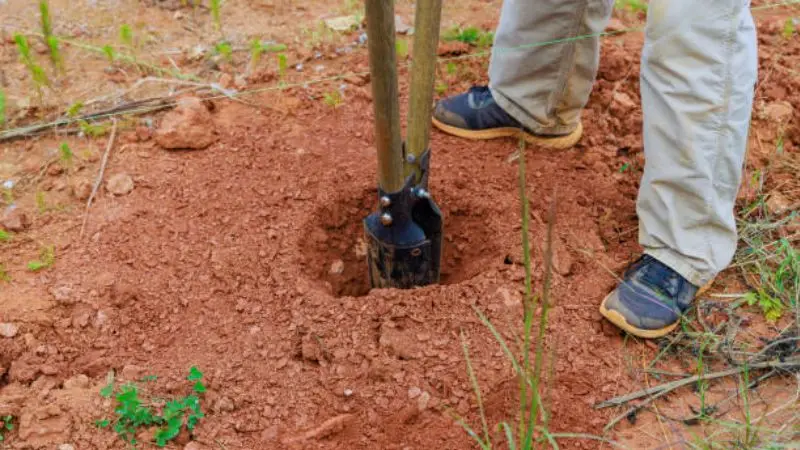
It is important to take some time to prepare the area and correctly mark the fence line before beginning the digging process. When you are certain that the location is ready, you can proceed to the first step of digging.
Recommended For Your Project
Choose the Right Location
How to dig a post hole by hand? Start your project by marking your property lines with wooden stakes. Run a bright line of string between these stakes and tighten it up into a fence. Clear each dense grass patch, heavy pebbles, surface roots, and detritus. A clean surface will make digging faster and easier. Soft dirt—the top layer is easy to shovel. But wet clay or rocky ground takes longer and more work. Mark accurately to avoid costly mistakes when digging the post holes. Before you start your layout, check property rules and local construction codes. Good planning usually saves time on construction.
Gather the Tools and Materials
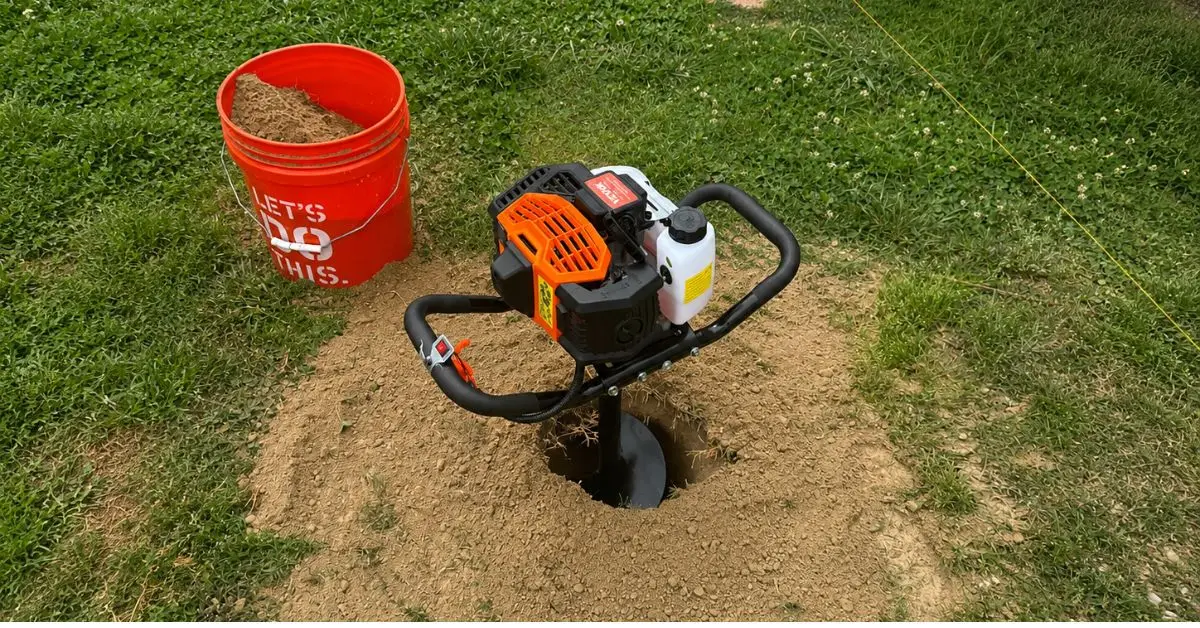
How to dig a post hole without a post hole digger? Stock up before digging. It is easier to get from start to finish if you are organized. Good digging tools make manual work faster. Hard grass cuts easily with sharp spades. Steel bars grind pebbles, clay, and thick roots. Manual post-hole diggers save you from digging through deep dirt. The digger easily excavates earth from holes. Measure the depth of the dig using a tape measure. You’ll need safety glasses, gloves, gravel, concrete mix, water, and wooden posts. Loamy and wet dirt is stickier. Digging post holes takes time, but anyone can do it. Carefully dig post holes to make a robust fence. These simple methods will help you dig every post hole perfectly.
How Deep Should a Post Hole Be?
One of the secrets of a sturdy, long-lasting fence is the right depth for post holes. The required depth will vary with the post size, fence height, soil conditions, and local environment. How to dig a post hole in dry ground? The following recommendations can help you calculate the proper depth to dig.
General Post Hole Depth Guidelines
How to dig a post hole with a post hole digger? Measure post length before digging deep. For strong timbers, you need subterranean support to withstand poor weather and heavy loads. Bury 1/3 of the post’s length. Simply follow this rule, and your fence won’t bend or blow over in intense storms. Check your depth readings to assess the building’s stability. The depth of your digging depends on your local frost line. Winter freezes cause the water in the soil to expand. Drive shallow posts into the earth. Dig down six inches below the frost line so you may leave your project in the ground year-round.
How Deep to Dig a Fence Post Hole
You have to plan each item out to build a strong fence. The typical backyard fence has eight-foot wooden posts. You have to drive two feet of an eight-foot board into the ground. A two-foot hole leaves over six feet of lumber. This balance makes a wonderful fence that will last for years. The taller the board, the deeper the hole has to be to support the additional weight.
| Fence Timber Length | Required Underground Hole | Height Above Ground |
| 6 Feet | 2.0 Feet | 4.0 Feet |
| 8 Feet | 2.5 Feet | 5.5 Feet |
| 10 Feet | 3.5 Feet | 6.5 Feet |
How to dig a post hole by hand? The wooden post is firmly fixed in the hard clay earth. The loose sandy dirt will need a deeper hole to keep it all in place. As you dig down, measure the depth frequently using the tape measure.
How Wide Should a Post Hole Be?

How to dig a post hole in hard ground? You have to dig a hole wide enough to support your structural project. The aperture is so small that the earth packs around your lumber. But the opening is too narrow to allow concrete to flow under and around the wooden support. You want a little extra room all around so you can simply pour your liquid concrete mix. The basic math rule for your hole width depends on your wood specifications. Multiply your timber’s width by 3 to get the total width.
Choosing the Right Hole Width
How to dig a post hole with a shovel? Measure the diameter before shoveling. Carefully measure the opening at the top to stay on track with your digging. The top is wide, so your manual digger can dig deep without bumping into dirt walls. You can quickly scoop loose soil by moving your tool freely in the space. Carving to the right size protects your wooden post from high winds and ground disturbances. The timber is firmly fixed below ground in the concrete shell. A robust barrier protects the buried lumber from rot and soil moisture. The lumber is used to produce a steady, uniform space on all sides.
How to Keep a Post Hole Straight
How to dig a post hole in clay? One of the most important factors in building a strong and stable fence is keeping a post hole straight. Before we talk about the art of digging, it’s helpful to know how to stay aligned during the process. The next step shows you how a level can help you keep the hole straight and avoid alignment problems.
Use a Level While Digging
Keep the hole straight when digging. How to dig a post hole in rocky soil? Soil walls hold wooden poles. Digging into a steep slope weakens the soil at the bottom. Over time, the hole causes the wood to tilt. Check your work against the inner dirt walls often with a basic level. Fixing early errors saves project energy. Quick measurements maintain workflow. Straight-line digging eases wood setting. Find uneven dirt patches with a level. Remove dirt from open hole peaks. Walk carefully along the edge to preserve width. Remove loose soil to level the floor. Continuous work straightens sides. These tips simplify straight fence building.
Keep the Post Centered
Middle posts are powerful for both teams. How to dig a post hole with a post hole digger? Align your wood carefully with the tight guide string. Wood should rest on the line without pushing. Space four post corners. Evenly space the wood and soil wall before adding earth. Correct placement cleans your yard. Center posts stabilize filler. Even spacing prevents the fence from leaning at weak points. Stones or concrete can be used to seal post gaps carefully. In bad weather, balanced weight helps lumber. Good fence alignment prevents high winds for years. Check your spot before locking the post into your robust fence.
How to Set a Post in a Hole
How to dig a post hole without a post hole digger? You need a stable base and to prepare the hole properly to set the post firmly. Make sure the bottom is clean, firm, and free of loose soil or standing water before setting the post. These procedures will guide you in preparing the base and setting the post properly for a solid, level installation.
Add Gravel to the Bottom
How to dig a post hole in clay? Get loose dirt off the bottom of the hole. Building on level ground works well. Plant wood on a strong base. Remove soft earth to prevent the hefty structure from sinking unevenly. The heavier end of the metal digging rod compacts soil. Starting installation with a new base stone is proper. Install drainage gravel to waterproof the wooden base. Buried moisture rots timber and swiftly weakens structures. A stone layer shields your vertical beam. Rain pours off this permeable bed onto the wood. Your new fence will endure longer with moisture control.
Position and Level the Post
How to dig a post hole in dry ground? Stand one way and verticalize the massive lumber. Kind neighbors can check visual alignment with two spirit levels. Centered within lines, the bubble stands tall. Perfect vertical precision keeps your fence line straight and durable in high winds. Backfill and secure the timber gap. Rapidly shovel earth into the hole to secure the beam. Tamp stone filler every few inches until the chamber is filled to the top. Check your level often when burying the fence post. The right alignment keeps your new fence straight for years.
Common Mistakes When Digging a Post Hole
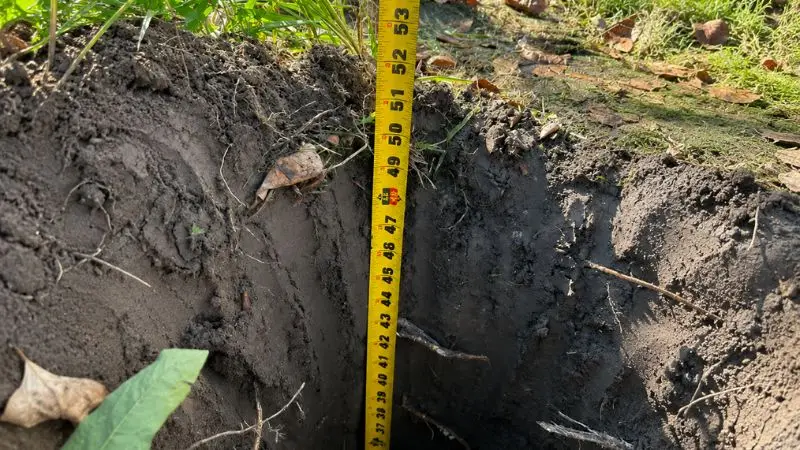
How to dig a post hole in rocky soil? Small problems in depth, alignment, or preparation can affect the final installation. Here are some of the common pitfalls to watch out for and how to avoid them in your project.
Digging the Hole Too Shallow
How to dig a post hole with a shovel? Big storms can blow your fence over. Achieve the right depth for project safety. Running through this stage kills your efforts. Loose dirt can be dangerous for anyone. Heavy loads are typically too much for the topsoil. More digging secures the post in firm dirt. It reaches solid earth beneath the frost, which reduces damage to the structure. Always take a depth reading before setting any posts. Quick checks prevent project failure. Stability is assured by patient digging—easy ways to look after your back and arms.
Making the Hole Too Wide
Tons of material are needed to fill big gaps. How to dig a post hole in hard ground? Extra concrete against your wood post gathers water. Trapped moisture decays badly. Manage daily tool forms by digging carefully. More digging increases project work. Soft filler reduces support for huge openings. Clean dirt diminishes near space. Correct post holes straighten side walls. With a straight shovel, dig holes in the yard. Correct sizes strengthen the fence dirt. Your yard project can last for years with proper upkeep. Build gently for great results.
Conclusion
How to dig a post hole? Before you begin construction, contact the local utility personnel. In the following step, carefully put up your string line. Never forget to determine the appropriate depth and width for every opening. Including gravel at the base of the structure provides drainage necessary for long-term stability. With the help of heavy digging bars, you may dig postholes with less effort because they provide you with tremendous leverage. It is possible to dig a hole for a fence post by hand with the right approach. To construct a fence, diligent preparation and unwavering patience are required.
FAQ
What tools simplify manual digging?
Heavy steel bars easily break through hard clay and stubborn rocks. Double-bladed diggers quickly scoop out loose dirt. Sharp shovels slice right through the top grass. Using these simple tools makes your hard work easier and faster.
Why should you put gravel at the bottom of the hole?
Gravel forms a loose drainage layer beneath your wooden post. Rainwater drains away from the base instead of soaking the wood. This simple step stops early rot and keeps your upright post steady for years.
How do you know how to dig a post hole without hitting underground utilities?
Always call 811 before digging. Workers mark hidden pipes and power lines for free. Checking your yard keeps you safe and avoids costly damage to hidden utility lines.
What happens if you make a post hole too wide?
Very wide holes require significantly more concrete and additional filler materials. Excess concrete traps wetness against your post over time. Soft soil around the hole reduces the strength of your post support.