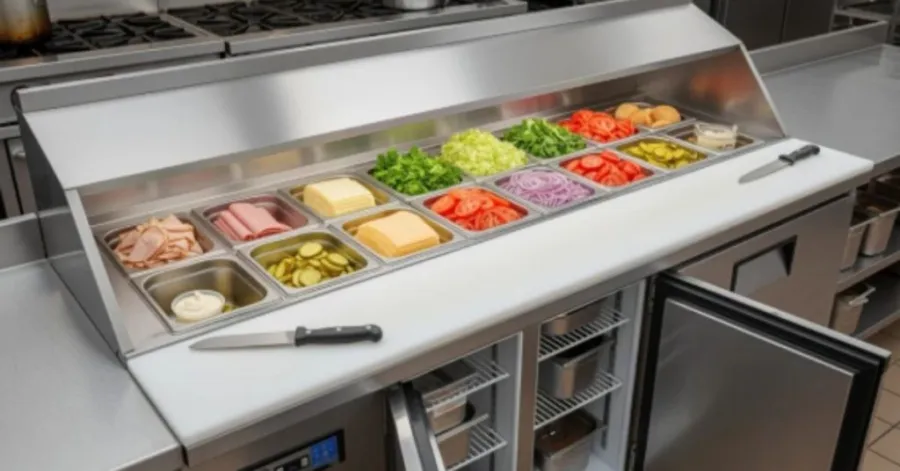
Correct cleaning and upkeep: Keep the cooking equipment in good condition. Daily wipes remove oil from the equipment’s exterior surfaces—no excuse for spills. Clean up spills immediately. To economize on electricity bills, condenser coils should be cleaned weekly. Keep rubber door seals in good shape to prevent cold air leaks. These easy measures will help you avoid sudden equipment breakdowns. Wash your sandwich prep table at the end of every shift in your refrigerator. A clean kitchen is a safe and healthy kitchen. A well-organized refrigerator sandwich prep table will help you keep your kitchen organized. Daily upkeep keeps machines working and food at a safe temperature for clients.
In this article, we’ll walk through critical cleaning and maintenance recommendations for refrigerated sandwich prep tables to keep them in good working order and food-safe. You’ll discover how routine cleaning, spill removal, coil maintenance, and seal inspections can help prevent problems and keep food at safe temperatures.
Table of Contents
Why Sanitation and Maintenance of Sandwich Prep Table Matter
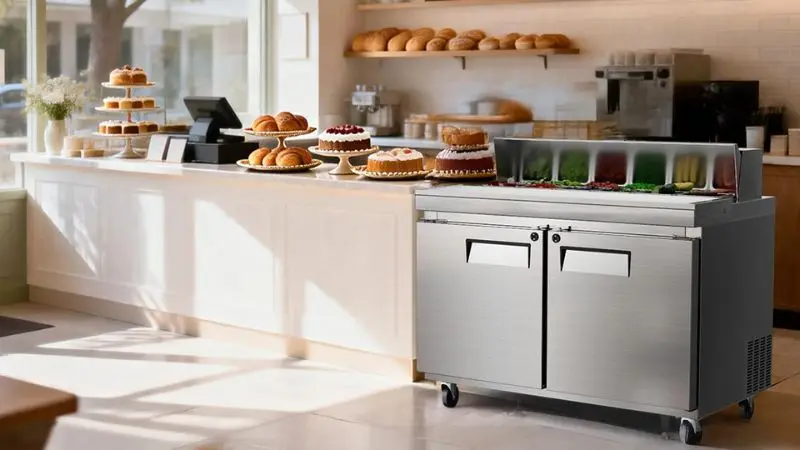
Good sanitation and maintenance are key to keeping sandwich prep tables safe, clean, and dependable in busy kitchen operations. Routine maintenance helps keep food safe from contamination and ensures equipment works consistently. The following sections describe the important maintenance practices that every food service operation should follow.
Recommended For Your Project
Prevent Food Contamination
You ought to clean your kitchen often for company. Raw meats, cheeses, and veggies are shared on the best refrigerated sandwich prep table on hectic shifts. Bacteria multiply rapidly and can be harmful; thus, cutting boards and metal surfaces need to be disinfected. Safety requirements prevent hidden microorganisms from being present in uncooked food. Daily cleaning of surfaces is essential for food safety in a busy kitchen. Food drops immediately spread in kitchens. Clean prep surfaces after every use to preventcross-contaminationn. Food safety for kitchen personnel should be maintained by sterilizing equipment 24 hours a day. Regular maintenance will protect your investment in the table and keep your meals fresh.
Keep Food Fresh and Safe
All customers get cold food. Dirty coils make the cooling motor work harder, blowing cold air faster. Bacteria breed in the cold nooks of delicate sandwich tops. Clean the food pan to prevent bacteria. The best refrigerated prep tables for restaurants are mechanically tested for ingredient purity. Cooling keeps food hot for regular diners. Equipment life and performance are extended. Dust requires quick servicing of critical motor parts. Keep the cooling components in good condition to avoid costly repairs or equipment breakdowns. Good airflow. Sandwich prep & power tables: Cool tables for ingredients and equipment; keep them clean. Better daily success is achieved by maintaining the prep table.
Tips for Cleaning a Refrigerated Sandwich Prep Table
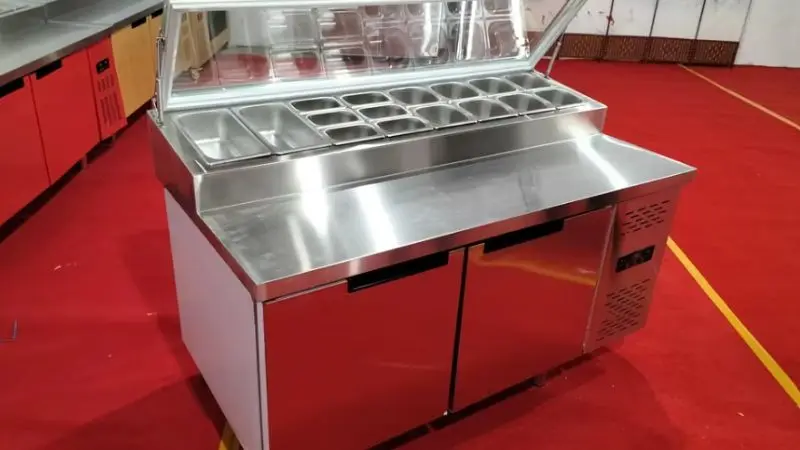
The best commercial sandwich prep table requires consistent practice to maintain food quality and equipment functionality. Tips to help you through every step, from prepping the table and removing materials to cleaning surfaces and maintaining sanitary conditions in the unit between shifts.
Remove Food and Ingredients Before Cleaning
Set up your small refrigerated sandwich prep table using basic processes before cleaning. Stop the device to avoid electric shock. Perishable toppings should be stored in the refrigerator while you are working. To prevent fresh ingredients from coming into contact with water and chemicals, remove the pans. Instant food storage protects raw materials from excessively high temperatures. First, remove the food from the holes in the bottom of the cooling unit. The sink, chopping boards, pan separators, and metal shelves should all be dropped. Make sure that delicate foods are kept in a cool refrigerator throughout the day. To improve sanitation, the unit is cleaned, exposing filthy wall surfaces.
Clean Food Contact Surfaces
A good restaurant needs hot water and a good towel. After a long day, clean the cutting board to prevent foodborne illness. Go through drawers and find old food. Scrubbers remove grease, odours, and bacteria from metal pans. Clean surfaces mean faster, safer cooking for chefs. Use less dish soap to keep your business out of bleach and other harsh chemicals. Large refrigerated sandwich prep table stations are guest-safe with food-safe cleaners. Use a clean, damp cloth to remove soap residue and wipe surfaces thoroughly. Keeping cold prep tables clean helps keep bacteria at bay and protects clients. Your busy kitchen runs smoothly with clean workstations.
How to Sanitize a Sandwich Prep Table Properly
Proper sanitation is vital to maintaining a sandwich prep table safe and clean for food preparation. The following is the process for properly cleaning, rinsing, and sanitizing the table to remove food residue, grease, and other contaminants.
Follow a Clean, Rinse, and Sanitize Process
Commercial prep tables tri-disinfectant stainless steel are cleaned with mild detergent and hot water. Wipe down metal tables to remove oil, crumbs, and crusted spills. Microfiber wipes do not scratch stainless steel. Scrub and rinse thoroughly. Removes detergent residue to protect food and fresh ingredients from chemical residues. Clean undercounter refrigerated sandwich prep table before loading shift supplies to prevent cross-contamination. Third, clean the stainless steel prep areas with food-safe chemicals. Sterilizing food-contact surfaces eliminates bacteria that escape during washing. Chemical labels have water temperature and contact time.
Sanitize High-Touch Areas
During the lunch rush, staff pound on the best refrigerated prep table for restaurants hundreds of times a day. Be especially cautious around doorknobs, drawer pulls, pan rails, and digital controllers. To help prevent grease and cross-contamination, clean the doorknobs and gaskets on the outside of the building at the beginning of each shift. Remove air leaks from cold table door seals; dry-wipe to preserve seal function and ensure kitchen safety. Quite a bit of disinfecting is necessary for them. Keeping kitchen surfaces clean helps prevent foodborne illness. To limit bacterial growth, cutting boards should be washed daily. Maintaining the preparation table in good condition will save you both time and money.
Refrigerated Sandwich Prep Table Maintenance Tips
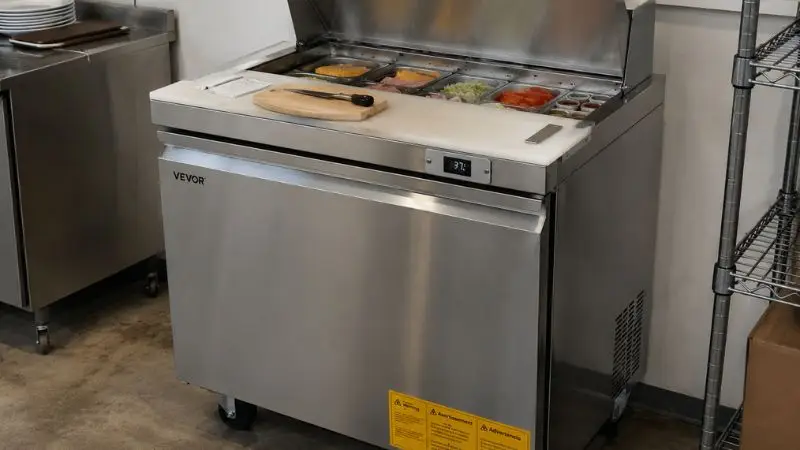
Regular maintenance ensures the best commercial sandwich prep table works reliably and keeps ingredients at acceptable temperatures. Here are some ideas for simple tests and routine upkeep to help prevent equipment faults and ensure food safety.
Check the Temperature Regularly
You have to check the interior air temperature every day to keep the ingredients fresh. Install a second digital gauge in the lower cabinet of your countertop refrigerated sandwich prep table station. Read this number at the start of each morning shift. Food safety requires the internal temperature to be maintained at or below 41 degrees Fahrenheit. You control temperatures and safeguard your kitchen from costly health inspection fines. Continuous cooling makes food safe for customer consumption.
Location | Target Temperature
Lower Storage Cabinet | 36°F to 38°F
Top Ingredient Food Pans | 33°F to 40°F
Warming and cooling warnings of invisible cooling difficulties before food deteriorates. Twice a day, plot your temperature checks on a paper chart. If you notice a sudden increase in heat, it may be due to worn door seals or clogged air vents; notify the personnel. Early detection of small air leaks will prevent emergency repairs of cooling parts. Regular inspection saves stress on the machinery and guarantees food safety each shift. Good behaviours help conserve food resources and reduce monthly electricity costs.
Clean the Condenser Coils
Dust on the condenser coil causes affordable refrigerated sandwich prep table units to overheat. When dirt accumulates, it restricts airflow, which in turn forces the cooling pump to work three times as hard. Metal coils should be cleaned once a month. First, for your own protection, disconnect the device. Using a screwdriver, remove the screws from the front louvered lid. Using a soft SA brush, delicate metal fins can be cleaned. It is possible to extend the motor’s lifespan with some straightforward maintenance. To prevent equipment failure, dust should be removed from the fan blade. When coils are clean, they cool more quickly. This uncomplicated process improves the cooling and longevity. Dustproofing the internal table motor results in less expensive repairs.
How Often Should You Clean and Maintain a Sandwich Prep Table?
Regular cleaning and maintenance are vital to keeping a small refrigerated sandwich prep table healthy, productive, and ready for daily food prep. Various actions need to be undertaken at different times to ensure food safety and equipment operation. The following are the cleaning and maintenance duties that need to be performed daily and as part of a long-term routine.
Daily Cleaning Tasks
Food is not scarce. The kitchens are spotless. This is why regular cleaning of metal prevents food stains from becoming permanent. Take pans out of the large refrigerated sandwich prep table at the end of the shift. Walk-in coolers should be used to store vital substances. Make sure to use warm, soapy water and a gentle cloth when washing stainless steel cutting boards. Having clutter on top rails puts the company’s food safety at risk. Sanitize frequently touched surfaces in the workplace. Door handles, drawer latches, and digital buttons should be cleaned with food-safe cleaning chemicals. Paint the exterior of metal panels with spray paint and air-dry. A damp towel is used to remove oil from the sides of the cabinets. Both the lower drawer rails and the ingredients are kept cold.
Weekly Maintenance Tasks
Weekly maintenance of the best refrigerated sandwich prep table reduces failures in high-service equipment. You can clean the internal wire shelves and the removable drawer slides with warm soapy water. Scrape crumbs off aluminium dividers in the three-compartment sink. Get rid of sticky cabinet-wall messes before they start to smell. Bacteria grow in hidden, wet spots in the table’s main frame. Clean storage makes the cooling system and food efficient. Weekly maintenance keeps machines safe. Rubber gaskets for prep table cabinet frame. The old door gaskets let the winter air out, which means you’re using more energy. Gently brush fan blades and vent covers. Check the power cord switches for protection against electrical hazards. Quick table scans improve motor and machine dependability.
Conclusion
Commercial refrigerated sandwich prep tables are protected against damage by daily thorough cleaning routines. Defined staff closure checklists ensure cleanliness and condition are maintained over all shifts. These simple behaviours can help you prevent unforeseen mechanical problems and increase the lifespan of your cooling machine. Good, timely care of equipment extends its life. But for complex mechanical problems, you need a specialist. If you notice a sustained drop in temperature or unusual noises coming from your system, call qualified commercial refrigeration mechanics. If you disregard the obvious warning signs, you’ll end up paying for costly emergency repairs later. Qualified technicians successfully repair internal compressor problems.
FAQ
What temperature should you maintain inside your unit?
You must keep top-ingredient food pans between 33°F and 40°F. Keep the lower storage cabinet temperature between 36°F and 38°F. Never let the indoor air temperature go above 41°F. Correct temperature control stops germ growth and keeps food from spoiling.
How often should you clean the condenser coils?
Clean your condenser coils every month. Heavy dust blocks airflow and makes your cooling pump work twice as hard. Regular brushing stops system overheating. This easy monthly habit protects inner motors and prevents costly repairs.
Can you use bleach to clean stainless steel prep surfaces?
No, you must avoid strong chemicals and bleach. Bleach ruins stainless steel surfaces over time. Wash areas with warm water, mild soap, and food-safe sprays instead. Safe cleaning liquids protect equipment and metal surfaces and keep food safe for guests.
What signs show that your prep table needs expert technician service?
Call a skilled cooling technician if you notice persistent temperature drops or hear unusual noises from the machine. Ignoring warning signs can cause system failure. Fast professional fixes solve inner pump problems safely and help you avoid sudden repair costs.