Changing your yard begins with picking the right landscape edging. You must carefully balance four main factors to succeed: your budget, visual style, long-term durability, and DIY effort. Different types of lawn edging fit different lawns and skill levels:
- Metal provides smooth, long-lasting strength.
- Plastic offers cheap, easy-to-bend flexibility.
- Stone and concrete deliver permanent, high-quality appeal.
- Wood and composite supply a warm, natural feel.
- Trenching creates a free, classic look.
Choosing the best lawn border edging boosts your home’s value while making weekly yard work much easier. You can quickly select great lawn edging options that match your yard layout and style goals.
Table of Contents
What Are the Different Types of Lawn Edging?
You will discover many helpful options when shopping for lawn border edging. Every yard requires clear edges to prevent grass from spreading wildly. You can easily plan your lawn once you understand all your choices. What are the different types of lawn edging? Smart preparation allows you to choose materials that fit your style and budget.
Recommended For Your Project
1. Plastic Lawn Edging
You can upgrade your yard by using basic landscape edging. Bendable plastic landscape edging lets you shape curved garden beds with ease. Many homeowners select recycled plastic landscape edging since it costs very little. This light edging blocks tough grass roots from invading your flowers. You can install your garden edging without hiring pricey workers or buying heavy equipment.
Setting up recycled plastic landscape edging requires minimal effort. You can put recycled plastic landscape edging beside garden walkways. Low-cost plastic landscape edging products hold up surprisingly well during freezing winters. Additionally, dark recycled-plastic landscape edging helps you build a sturdy lawn border. Purchasing lasting plastic landscape edging keeps your lawn border tidy and affordable.
2. Metal Lawn Edging
What is the best type of lawn edging? Metal landscape edging adds impressive durability to busy yards. Steel and aluminium choices remain secure during heavy downpours. Sharp metal border edging forms neat lines between bright grass and rich soil. This crisp edging stops grass from creeping onto dirt pathways. You can hammer this smooth edging deep into firm dirt using a soft mallet.
You can match metal border edging with low decorative border fencing. High border fencing protects soft flower beds from curious pets. Upright border fencing also shields your growing plants from rolling balls. Besides metal options, other lawn border edging ideas provide solid benefits. Great edging reduces your weekly yard work. Quality edging defends your garden beds for a long time. Firm edging keeps mulch contained within garden areas. Trying these popular lawn edging options helps you choose the ideal lawn edging for your yard. Choosing sturdy home items will make your outdoor project a total success.
How to Choose the Best Type of Lawn Edging

Consider Your Budget
You must review your overall home budget before starting any outdoor garden project. Material costs vary widely across different landscape edging options for your yard. Simple plastic landscape edging offers a very cheap option for tight home budgets. You pay very little money upfront while still making sharp, neat borders around your flower beds. Low-cost materials help you finish big property projects easily without spending too much of your savings.
Which lawn edging is best? Higher prices usually mean stronger building materials and extra visual appeal for your landscape. Heavy natural stone items cost far more money than basic flexible rolls. However, cheap items can break down quickly, forcing you to buy replacements later. Smart owners balance initial costs with future repair work to find good choices for their yards. Taking time to estimate total project costs helps you buy reliable lawn border edging at a safe price.
Think About Durability
Your local weather affects how long your lawn border edging will last in the soil. Freezing winter ground shifts and easily push weak products right up out of the dirt. Thin plastic landscape edging can break or bend during major temperature swings in your neighbourhood. Heavy stone blocks and concrete structures withstand winter frost damage without moving. Choosing sturdy, dense materials protects your entire garden investment through all the seasons.
Grass mowing, trimming with a string trimmer, and walking on the lawn test your grass-bordering edging every summer. Metal edging resists accidental damage from lawn mowers or other machinery without deforming or breaking. Studying different types of lawn edging helps you choose reliable solutions and avoid materials that can ruin your garden design. You create reliable, long-lasting borders in your garden with durable landscape edging.
What Is the Best Lawn Edging Material?
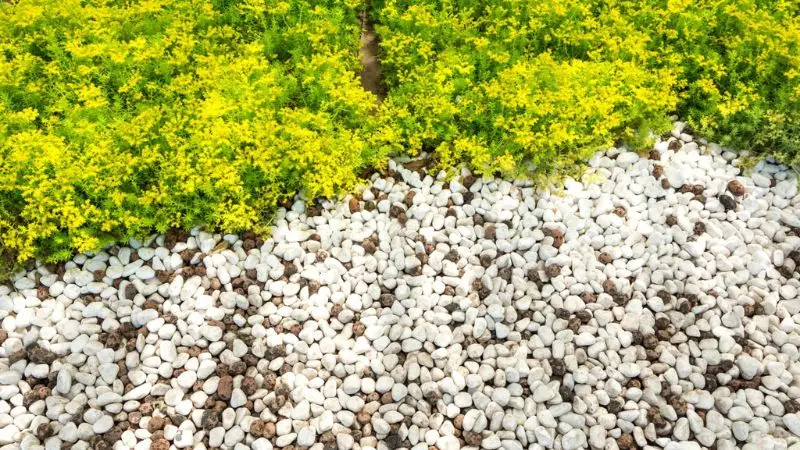
What can I use to edge my lawn? You might be wondering about the best solution for your property. The choice of lawn edging material depends solely on your gardening preferences. There are advantages to using any type of landscape edging material depending on your needs. Solid concrete and brick make a durable border that prevents invasive roots from growing. Natural stones add an elegant touch to your front yard; however, heavy masonry work requires considerable physical effort. Wooden boards give a nice look to a vegetable patch, but they need replacing after some time.
Let’s compare popular choices to help you pick the right lawn border edging for your landscape:
| Material | Best Feature | Primary Advantage |
| Stone & Concrete | Premium look | Outlasts all other choices |
| Wood & Composite | Rustic feel | Blends into natural garden beds |
| Metal | Sleek lines | Holds curves without breaking |
| Plastic | Low price | Installs fast with minimal digging |
Bendable plastic landscape edging works well for quick fixes on a small budget. Affordable plastic landscape edging shapes around rounded garden borders easily. You can lay light plastic landscape edging during one afternoon using basic hand tools. Still, simple plastic choices lack the toughness of heavy stone or steel. Property owners seeking extra strength usually choose strong border edging made from raw aluminium or solid steel.
How to choose lawn edging? You can pair deep base borders with tall decorative border fencing. Small border fencing adds extra safety beside walking paths. Strong border fencing stops active dogs from trampling fragile plant beds. Yard maintenance feels simple once you choose sturdy landscape edging products for your property. Solid borders save you valuable time every weekend.
How to Install Lawn Edging
Mark the Edging Area
Installing your own lawn border edging takes simple planning. You can transform your yard layout in just one afternoon. First, outline your garden beds clearly to guide your work. Lay out a long, flexible garden hose to trace sweeping curves around your green grass. You can use a tight string line tied between wooden stakes to create straight border edging. Walk along your marked outline to check the overall design from every angle.
What is the best material for lawn edging? Next, spray bright marking paint directly onto the turf along your guide hose. Spraying paint creates a bright visual line for your upcoming digging work. You can easily adjust the shapes before removing any dirt. This quick preparation step guarantees a neat layout for your new landscape edging project. Careful marking prevents silly mistakes, saves precious time, and keeps your project on track.
Dig a Shallow Trench
Now you can start digging your trench along the freshly painted ground. Drive a sharp square-blade spade straight down into the turf. You want to cut dirt cleanly along your marked path without pulling up extra grass. Dig down deep enough so your plastic or metal edging sits slightly above the soil line. Keep the bottom of your trench completely flat so your flexible edging stays straight and level.
How to choose the right lawn edging? Clean out any loose dirt, dangerous rocks, and large tree roots out of the trench. It is necessary to have an open ditch when setting your garden border edging. Push your selected lawn border edging down into the freshly dug ditch. Fill in any open areas around your garden border edging with compacted dirt. Finally, install your decorative border fencing directly behind your garden border edging. Taller border fencing protects your tender plants from your playful pets and children. Good trenching will help your garden border edging withstand every season.
Conclusion
There are ways to quickly beautify your garden with the perfect grass edging. Plastic edging saves you money and is flexible. Good edging keeps crisp lines forever. Stone is luxurious and natural-looking. Wood adds a rustic touch to garden borders.
Consider these easy decision questions before purchasing your products:
- Cost: Go with plastic for cheaper budgets or use stone for big investments.
- Aesthetic choice: Select metal for modern lines or wood for soft edges.
- Type of soil: Don’t use thin plastic in clay soil that moves.
- DIY work: Flexible landscape edging strips work best on quick projects.
Looking at all lawn border edging will give you confidence!
FAQ
How deep should you dig the trench for the border edging?
The trench for your border should be dug so that you can hide most of the edging material underneath it. Leave a part of your edging material above the surface of the soil so that grass roots could not go over the trench while your mower could move freely over it.
Will metal lawn border affect your mower blades?
Metal borders do not harm your mower blades if installed properly. You need to place metal lawn borders close to the soil surface so that the mower wheels can pass over them smoothly.
Which lawn edging is the easiest one to install by yourself?
Plastic lawn edging rolls are the easiest for beginners. They are easy to bend around curvy flower beds. All you need is simple tools and heavy spikes.
Is it possible to use plastic lawn edging without digging trenches?
Indeed, you may find plastic lawn edging that doesn’t require digging trenches. Such strips are attached right to the soil using stakes. However, if you dig a shallow trench, your lawn border will remain securely fixed all winter.