A sewage pump can help make it easier to handle home waste. One of the most useful applications of this technology is using this gadget to crush solid materials into very small particles. So the excrement goes right into the main sewer system. And this is what resulted from this event. You must know how it works because it protects your pipes. And it doesn’t require expensive repairs, which is a significant advantage. If you know this pump, you will feel comfortable and safe using the amenities in the basement or at the country house. This type of pump is what you get when you use the basement facilities.
In this article, we will discuss what a sewage grinder pump is, how it works, and why it is vital for moving domestic wastewater. You’ll learn how it crushes solid waste, safeguards your plumbing system, and helps prevent clogs and costly repairs in basements, rural properties, and other sites where gravity drainage isn’t possible.
Table of Contents
Everything About Sewage Grinder Pumps
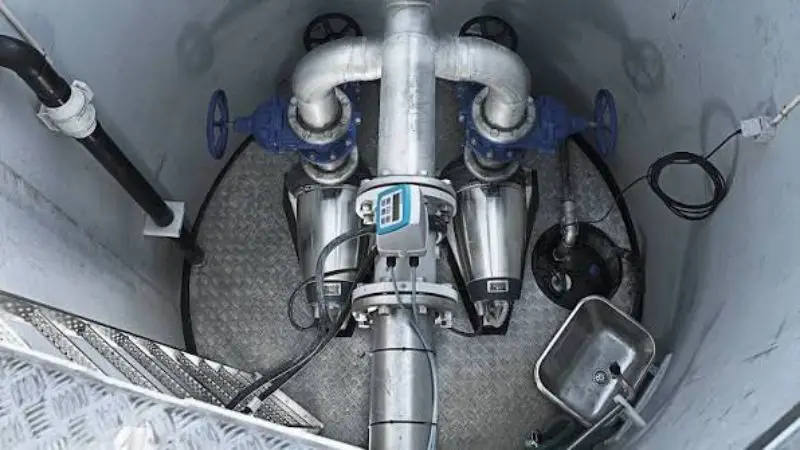
If you want to learn how a grinder pump operates, you first need to understand why it is used on some plumbing systems and what it does. This section covers the basics of sewage grinder pumps and how they help move wastewater efficiently, especially in homes where gravity alone does not make the cut to move waste to the main sewer line.
Recommended For Your Project
Simple Definition of a Sewage Grinder Pump
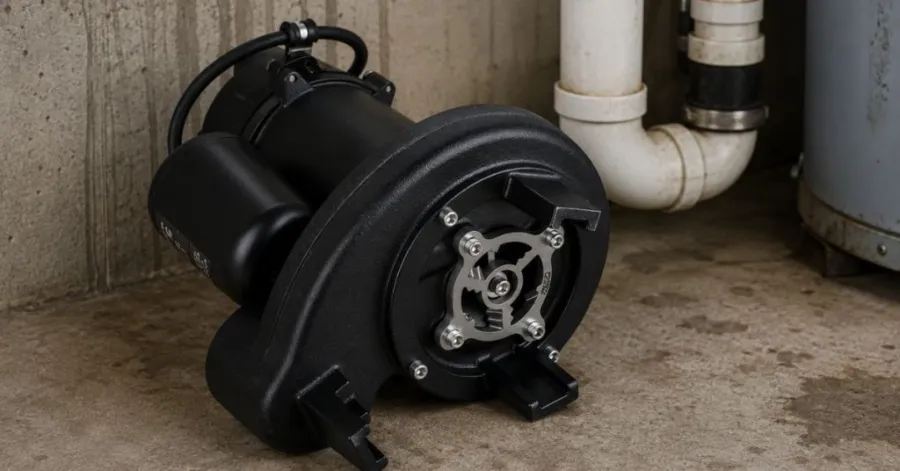
You might be thinking, “What is a sewage grinder pump and what does it do in my home? This gadget handles garbage from toilets, sinks, and showers. It pulverizes solids to fine particles. Once ground up, it forces the waste via pipes to the main sewer system. Normally, you see this pump in homes where gravity doesn’t easily move garbage. If you have a restroom below the main sewage line, you’ll need some extra help to push the waste upward.
A sewage pump is like a waste disposal unit for the entire house. It dissolves potential pipe-clogging material and protects your plumbing. Don’t fret about clogging up your system with the big stuff. The pump makes sure the waste flows properly and doesn’t back up.
Why Is It Called a Grinder Pump?
The word “grinder” may be included in the equipment name because the pump is fitted with sharp blades. Using tearing and shredding techniques, they break down solid waste into smaller pieces. Because the pump produces a grinding motion, it can drive waste through pipelines with smaller diameters than the pipelines themselves. If this step is neglected, larger substances can cause a clog.
Here’s a quick rundown of how the grinder part works:
- The pump sucks up your plumbing waste.
- Blades rotate fast and slice solids.
- The pump pulls the solid waste up to the sewer pipe.
This keeps your pipes free and helps prevent sewage problems in your home. A sewage grinder pump installation is reliable for tough waste and keeps your system working smoothly.
How a Sewage Grinder Pump Operates
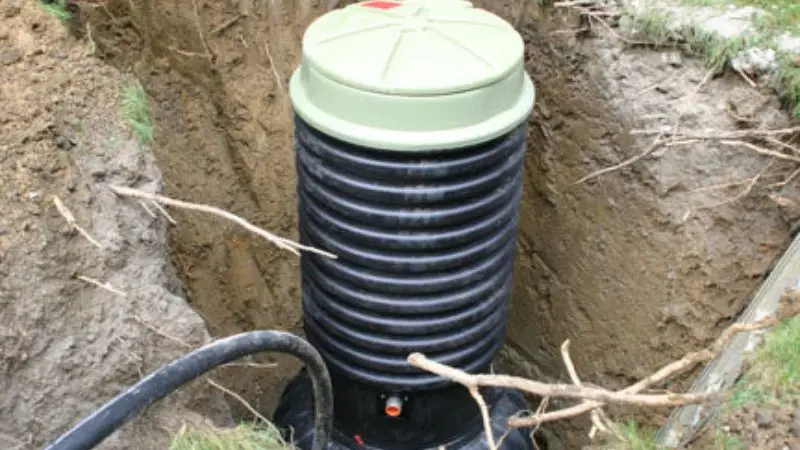
Now that you have an understanding of what a grinder pump does, let’s take a look at how it performs in day-to-day situations. By getting the procedure step by step, you’ll better understand how the pump grinds up the solid waste and forces the wastewater through your plumbing system. This will help you understand how the pump works better.
Step-by-Step Working Process
How does a sewage grinder pump work? By examining each stage, you may have a better idea of how a grinder pump works. So when you flush a toilet or drain water from a sink, the pump kicks on. The waste flows into the pump chamber. Inside the pump are sharp blades that spin fast and cut solid materials into tiny particles. Then the pump pumps the ground-up garbage through the pipelines. This waste then runs to the main sewage line or a septic system.
Below is a brief set of steps to follow:
- Your house waste goes into the pump chamber.
- Blades cut solids into small pieces.
- The pump provides the pressure to transfer the waste.
- The waste from the ground is piped to the main sewer.
Main Parts of a Sewage Grinder Pump
Inside the sewage grinder pump maintenance, you’ll see several crucial pieces. Each portion does its specific task. The primary pieces and their functions are as follows:
| Part | Function |
| Grinder Blades | Chop solid waste into tiny particles. |
| Pump Motor | Powers the blades and moves waste |
| Pump Chamber | Holds waste before grinding |
| Discharge Pipe | Sends ground waste to the sewer line |
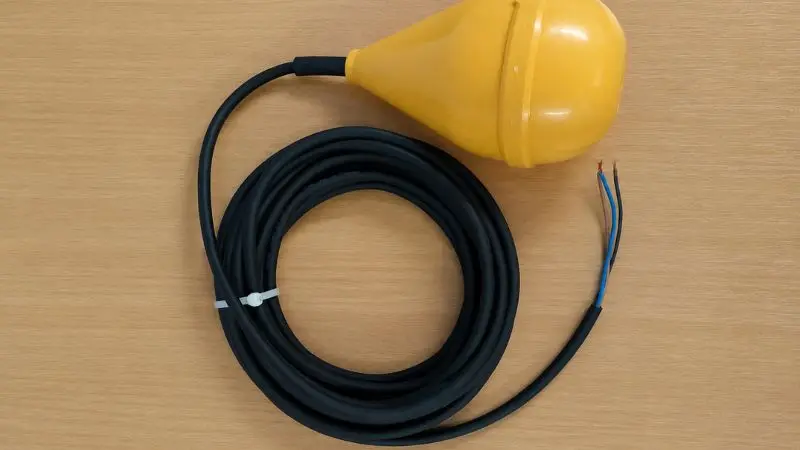
| Float Switch | Turns the pump on and off automatically |
You should know how these parts go together. Blades and motors deal with difficult waste. The float switch regulates the pump to start and stop. The drain pipe takes trash away from your house.
When Do You Need a Sewage Grinder Pump?
If you are trying to determine whether your home needs a sewage grinder pump installation, you are absolutely right. Having this alternative accessible is important in instances when it is not possible to transfer waste to the main sewer system in a suitable manner. You need to research your property’s layout and setting to determine whether you need one.
Homes Below the Main Sewer Line
However, if your house is situated below the main sewer line, gravity will prevent the waste from leaving. This is because gravity is working against you. To properly pump rubbish up a hill, you are going to need sewage grinder pump troubleshooting. This problem is common in many homes, particularly those built on slopes or with basements. It is something that can be found as a result of this issue.
Basements and Bathrooms
In most cases, the restrooms in the basement are located below the primary sewage line. If you use a sink or flush a toilet in the basement, the waste generated must be disposed of at the aforementioned level. A sewage grinder pump replacement is deployed to eliminate trash from these lower levels. When you use this pump, you will not have to worry about encountering backups or obstructions.
Rural Properties
What is a sewage grinder pump? In some rural areas, residences are connected to septic systems for waste disposal rather than municipal sewers. Depending on how long the pipes on your property are or how far they are from the main sewage system, there is a chance waste will have a hard time reaching where it needs to go. A grinder pump is one of the components that powers the movement of these pipes. Your system is safeguarded, and you won’t have to worry about potentially expensive repairs.
Commercial Buildings
Many commercial buildings use grinder pumps. One characteristic shared by these buildings is the presence of restrooms or kitchens located below street level. If you wish to dispose of your rubbish in the main sewer, you will need a reliable route to do so. In addition to managing trash and maintaining pipe flow, a sewage grinder pump repair requires a significant amount of repetitive labor.
| Situation | Why You Need a Grinder Pump |
| Basement bathroom | Moves waste uphill |
| Rural property | Pushes waste through long pipes |
| Commercial building | Handles waste below street level |
Common Problems with Sewage Grinder Pumps
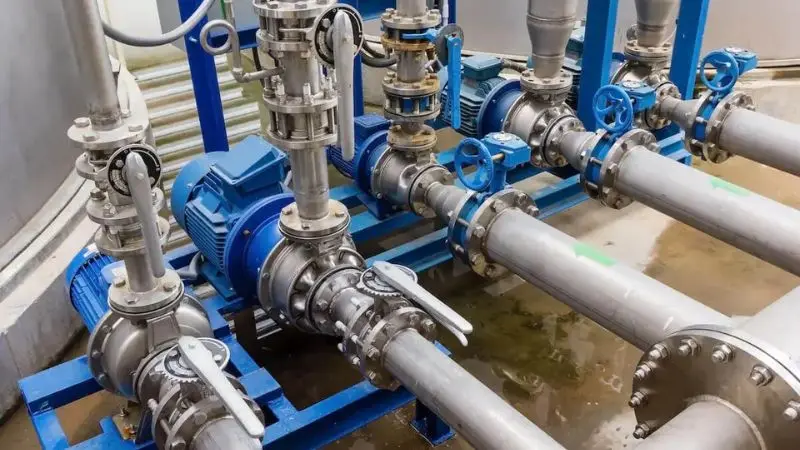
Your sewage grinder pump maintenance may be experiencing a few issues regularly. By understanding these concerns, you will be able to maintain the smooth operation of your system and detect problems at an earlier stage.
Power Failures
If you lose power, your sewage grinder pump may stop working. If the power in your house goes out, the pump won’t be able to grind or move waste. If you peek in your bathroom or basement, you can see the water level rising. Always check your power supply first if your pump stops operating. As long as you have a backup power source such as a generator, your pump will continue to operate even if the electricity fails.
Clogged Grinder Blades
How does a sewage grinder pump work? If you flush the wrong stuff down the toilet, the grinder blades can get clogged. Blades can get blocked with detritus like diapers, wipes, or even large pieces of food. If this happens, the pump will not grind up the waste. You may hear unusual sounds or experience delays. If you find a blockage in the system, turn off the pump immediately and call a professional to help.
Motor Problems
The blades are driven by the motor, which also moves the trash. Whenever the motor stops working, the sewage grinder pump repair will be unable to perform its function. It’s possible that the sounds you hear are buzzing or sounds like humming. Sometimes, the pump will not function at all. This is something that can happen. There are several potential causes for the inability to move freely, including old age and severe heat.
Float Switch Issues
The float switch is used to determine when to turn the pump on and off. If the switch is blocked or otherwise malfunctions, the pump might run constantly or not run at all. Both of these results are very reasonable. Watch the pump chamber water level closely. This will help keep your sewage grinder pump replacement functioning smoothly and prevent overflows. In this regard, a float switch in good working order will be a tremendous benefit.
Conclusion
So that’s it. You know what a sewage grinder pump is and what it does. At this point, this is something you have learned new knowledge about. Now that this pump is installed, your home’s plumbing system is no longer susceptible to obstructions and backups. This improvement will make it easier to keep up your house. If you find yourself in a scenario where you have to move your garbage uphill or over long pipes, you might want to consider buying one. If you are serious about getting your pump inspected regularly, it will last longer before needing to be replaced. If you have any difficulties, contact an expert for repairs.
FAQ
How often should you check your sewage grinder pump?
Check your grinder pump every three to six months. Regular inspections allow you to detect problems early. Keep your system safe by cleaning the pump and testing the float switch.
What items should you avoid flushing with a grinder pump?
Don’t flush hard objects, grease, wipes, or diapers. They might clog the blades and ruin the pump. For optimal results, stick to toilet paper and human feces.
Can you install a grinder pump yourself?
You should have an expert install it. Grinder pumps demand unique tools and expertise. A plumber checks that everything is set up correctly and prevents mistakes that may lead to costly repairs.
How long does a grinder pump last?
A grinder pump normally lasts between seven and ten years. Regular maintenance will help prolong its life. Replace worn parts. Keep the system clean for maximum performance.
What signs show your grinder pump needs repair?
You can experience slow draining, weird noises, or water backing up. That’s a hint that your pump needs some care. If you see any of these symptoms, call in a specialist.