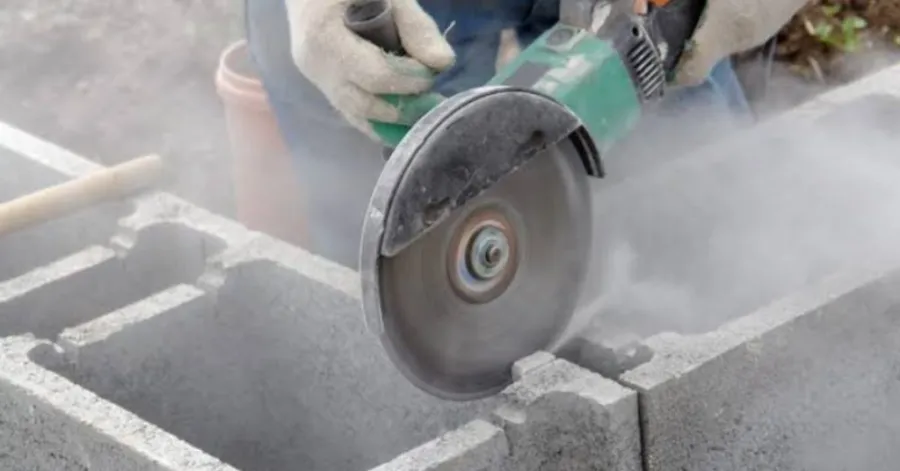
A concrete block saw is a tool used to cut concrete blocks, masonry materials, and other hard construction materials accurately. Being able to use a concrete block saw will allow you to achieve a better finish and reduce blade wear and safety risks. This guide covers the requirements, safety equipment, cutting and maintenance, and how to prevent common mistakes. You can more efficiently tackle concrete cutting tasks with the right knowledge and preparation.
Table of Contents
- Tools and Safety Equipment Needed Before Using a Concrete Block Saw
- How to Use a Concrete Block Saw Step by Step
- Tips for Making Clean and Accurate Cuts With a Concrete Block Saw
- Common Mistakes to Avoid When Using a Concrete Block Saw
- How to Use a Concrete Block Saw Step by Step
- Tips for Making Clean and Accurate Cuts With a Concrete Block Saw
- Common Mistakes to Avoid When Using a Concrete Block Saw
- How to Maintain a Concrete Block Saw After Use
Tools and Safety Equipment Needed Before Using a Concrete Block Saw
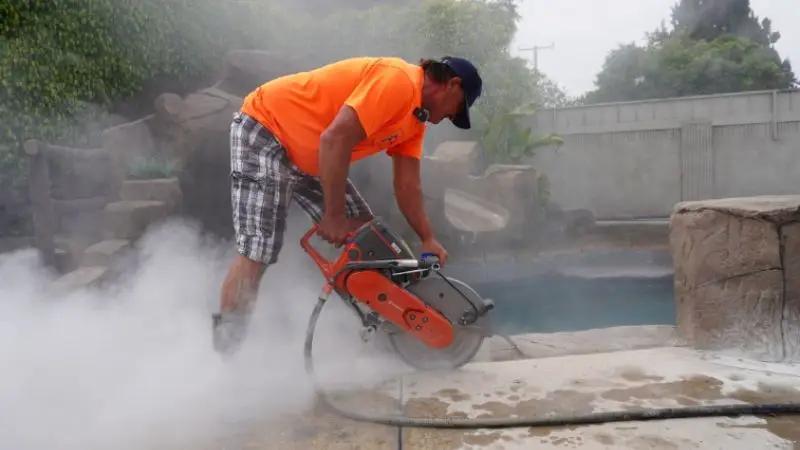
To achieve good and precise work when cutting concrete, proper tools and safety gear must be prepared before initiating any concrete cutting project. A concrete block saw needs to be set up, fitted with the right accessories and protective equipment that allow safe usage. Planning ahead before the cutting process can help avoid delays, minimize errors, and enhance cutting performance.
Recommended For Your Project
Essential Tools for Concrete Block Cutting
Concrete block cutting is less difficult and more accurate with the right supporting tools. In addition to a concrete block saw, you will require measuring tools: a tape measure, square, and a level to make correct cutting lines. Marking equipment (such as chalk lines and construction markers) can help you visualize where the blade is supposed to cut. An appropriate diamond blade is also required since it is made to cut the hardness of concrete materials. In wet cutting applications, you need a good water supply system to manage dust and cool the blade. When deciding on the combination of tools to use, you can gain knowledge of what tools to use to cut concrete blocks with a saw more efficiently and produce cleaner cuts.
Personal Protective Equipment for Safe Operation
When using heavy cutting equipment, safety must be the order of the day. Protective equipment can minimize the risk of dust, noise, flying debris, and unintentional contact with the machine. Safety glasses will shield your eyes against tiny concrete particles, and hearing protection will minimize exposure to loud operating sounds. The durable gloves offer a superior grip and safeguard your hands when handling and setting up. A respirator or mask is necessary since concrete cutting may release dangerous particles that can be inhaled. Protective clothing and strong footwear are additional safety measures. The best concrete block saw is the one you can use with confidence and control, with proper preparation.
How to Use a Concrete Block Saw Step by Step
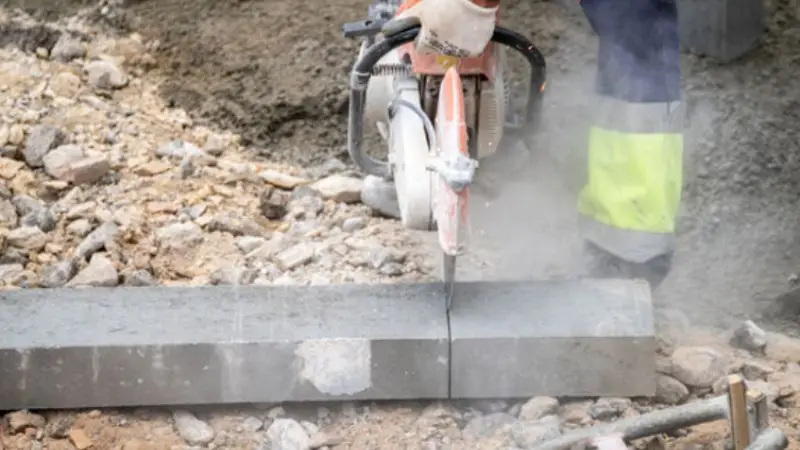
One has to know how to cut properly and attain clean and precise cuts. Be it a minor construction project or a larger construction project, mastering how to use a concrete block saw will save you the headache of demolition and enhance productivity. By carefully adhering to each step, it will be possible to use the machine correctly, prolong the life of the blade, and remain safe when cutting.
Step 1: Inspect the Saw and Prepare the Work Area
Check the saw prior to use so that it is prepared to make any cuts. Check the diamond blade and ensure that there are no cracks or wear and tear, and fit it to make sure that it is firmly attached. Check the power supply, switches, and water system in case you are using a wet cutting method. The cutting surface should be clean, stable, and devoid of unnecessary objects that can disrupt movements. The concrete block should be placed in a firm place to prevent it from moving during the cut. Adequate inspection facilitates the good running of the machine and reduces any unforeseen problems. The initial process to learning how a concrete block saw works is to learn how each of the parts is designed to work before one can begin the cutting process.
Step 2: Choose and Install the Correct Diamond Blade
The most important thing to successful concrete cutting is to select the right diamond blade. Concrete blocks have different levels of hardness, and thus the blade should be able to cut the material and meet cutting requirements. A high-quality diamond blade will cut quicker, have greater control, and produce cleaner edges. In the search for the optimal saw to cut concrete blocks, one should always take into account the compatibility with the blade. Always switch off the machine prior to installation, and instructions should be adhered to properly to make sure that the blade is fitted in place. Ensure that the blade is correctly positioned and closely attached to the tool to ensure that it does not wobble when using. A well-fitted blade is more accurate and may assist in producing professional-appearing cuts.
Step 3: Measure and Mark the Concrete Block
Precision is very important in the process of cutting concrete blocks since the slightest error can influence the overall outcome. Measure the block before turning on the saw and mark the precise location of the cut. Draw a line of chalk, pencil, or construction marker to provide a clear guide to follow when cutting. A well-marked line ensures the blade is straight and helps avoid material waste. This preparation stage simplifies the cutting process and makes it more manageable. When you learn what saw is best to cut concrete block, you must keep in mind that no saw, even of the finest quality, will give the correct results unless you use proper methods of measuring and marking.
Step 4: Set Up the Water Supply for Wet Cutting
Concrete block saws are typically used in wet cutting as it enhances performance and provides a safer working environment. Connect the water supply system to the machine before starting, and make sure the water is reaching the blade correctly. Water helps settle airborne dust and reduce excessive heat buildup, keeping the diamond blade cooler during the cutting process. This enables the blade to be effective for longer. Constant water flow will also help make smooth cuts with reduced friction. Correct water installation is a significant component of learning to use a concrete block saw since it enhances cutting efficiency and safety.
Step 5: Start the Saw and Make the Cut
When the saw is ready, switch on the machine as directed by the manufacturer and then wait until the blade has reached full speed before cutting. Insert the blade along the contour of the mark and press steadily and evenly. Never force the saw, as it may lower cutting performance and cause unnecessary wear. Allow the diamond blade to cut through the concrete at a steady rate. Good control will result in cleaner cuts and strain on the equipment is minimized. Selecting the most appropriate saw to cut concrete block is just one aspect of the process; it is also important to apply the right cutting technique in order to get it right.
Step 6: Finish the Cut and Remove the Block Piece
Once cut, be careful to release the pressure, then after the blade is stopped, handle the piece of concrete. It is not recommended to remove the cut part while the blade is still in motion, since the free material may pose a safety risk. Check the completed cut to ensure the edges are smooth and the measurement is correct. Where needed, use appropriate finishing tools to eliminate small irregularities. Proper post-cutting cleanup also helps keep your equipment in good condition. The right procedure through to the end will make your best saw for cutting concrete blocks provide good, dependable performance and help you accomplish further projects more effectively.
Tips for Making Clean and Accurate Cuts With a Concrete Block Saw
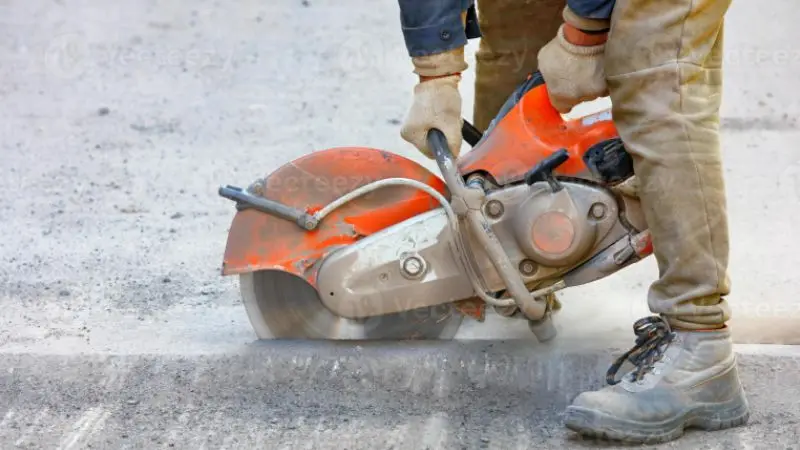
To get perfect, smooth cuts, you need more than just a powerful machine. The correct technique, controlled movement, and consistent care throughout the cutting process are all important for achieving improved results. Whether you are undertaking minor repair work or a major construction activity, proper practices will make the work more precise and prolong the service life of your equipment. These tips can help you make the most of your concrete block saw and minimize common cutting issues.
Maintain a Steady Cutting Speed
It is essential to have a steady cutting speed in order to achieve clean and accurate results. Excessive speed can lead to a rough cut, whereas too slow could cause friction and increase cutting time. A constant speed enables the diamond blade to cut effectively through the concrete without straining the machine. One of the most significant skills to practice when learning how to cut concrete blocks with a saw is to control your motion. Smooth, controlled work helps you make straight cuts, improves blade performance, and minimizes the risk of breaking the concrete block. A slower pace of cutting leads to more successful outcomes and a more professional-looking final result.
Avoid Excessive Pressure on the Blade
Excessive pressure during cutting may decrease the efficiency of the blade and put an additional load on the parts of the saw. A diamond blade is tailored to slice concrete with its own cutting motion, and hence, there is no need to push it into the concrete. Overpressure may lead to overheating, uneven cuts, and acceleration of blade wear. For the best saw to cut concrete blocks, it is preferable to let the machine run naturally to maintain good performance and extend the equipment’s life. Keep a tight grip and put slow, consistent pressure. This will enhance precision in cutting and limit unwarranted damage to the saw and blade.
Keep the Blade Cool During Long Cutting Jobs
Extensive cutting may produce a lot of heat, which can affect blade performance and reduce its lifespan. The blade should be kept cool in order to maintain cutting efficiency, particularly when undertaking bigger projects. A proper water supply system helps minimize heat accumulation and dust and enhances the overall cutting process. The machine and blade also need to cool down by taking short breaks during long usage. To understand how a concrete block saw works, you need to know how the cooling systems facilitate the cutting process. This can be done by keeping a clean stream of water and not using it over and over again, as well as keeping your tools out of unnecessary wear and tear by taking care of them.
Common Mistakes to Avoid When Using a Concrete Block Saw
A concrete block saw is a tool used to cut concrete blocks, masonry materials, and other hard construction materials accurately. Being able to use a concrete block saw will allow you to achieve a better finish and reduce blade wear and safety risks. This guide covers the requirements, safety equipment, cutting and maintenance, and how to prevent common mistakes. You can more efficiently tackle concrete cutting tasks with the right knowledge and preparation.
Tools and Safety Equipment Needed Before Using a Concrete Block Saw
To achieve good and precise work when cutting concrete, proper tools and safety gear must be prepared before initiating any concrete cutting project. A concrete block saw needs to be set up, fitted with the right accessories and protective equipment that allow safe usage. Planning ahead before the cutting process can help avoid delays, minimize errors, and enhance cutting performance.
Essential Tools for Concrete Block Cutting
Concrete block cutting is less difficult and more accurate with the right supporting tools. In addition to a concrete block saw, you will require measuring tools: a tape measure, square, and a level to make correct cutting lines. Marking equipment (such as chalk lines and construction markers) can help you visualize where the blade is supposed to cut. An appropriate diamond blade is also required since it is made to cut the hardness of concrete materials. In wet cutting applications, you need a good water supply system to manage dust and cool the blade. When deciding on the combination of tools to use, you can gain knowledge of what tools to use to cut concrete blocks with a saw more efficiently and produce cleaner cuts.
Personal Protective Equipment for Safe Operation
When using heavy cutting equipment, safety must be the order of the day. Protective equipment can minimize the risk of dust, noise, flying debris, and unintentional contact with the machine. Safety glasses will shield your eyes against tiny concrete particles, and hearing protection will minimize exposure to loud operating sounds. The durable gloves offer a superior grip and safeguard your hands when handling and setting up. A respirator or mask is necessary since concrete cutting may release dangerous particles that can be inhaled. Protective clothing and strong footwear are additional safety measures. The best concrete block saw is the one you can use with confidence and control, with proper preparation.
How to Use a Concrete Block Saw Step by Step
One has to know how to cut properly and attain clean and precise cuts. Be it a minor construction project or a larger construction project, mastering how to use a concrete block saw will save you the headache of demolition and enhance productivity. By carefully adhering to each step, it will be possible to use the machine correctly, prolong the life of the blade, and remain safe when cutting.
Step 1: Inspect the Saw and Prepare the Work Area
Check the saw prior to use so that it is prepared to make any cuts. Check the diamond blade and ensure that there are no cracks or wear and tear, and fit it to make sure that it is firmly attached. Check the power supply, switches, and water system in case you are using a wet cutting method. The cutting surface should be clean, stable, and devoid of unnecessary objects that can disrupt movements. The concrete block should be placed in a firm place to prevent it from moving during the cut. Adequate inspection facilitates the good running of the machine and reduces any unforeseen problems. The initial process to learning how a concrete block saw works is to learn how each of the parts is designed to work before one can begin the cutting process.
Step 2: Choose and Install the Correct Diamond Blade
The most important thing to successful concrete cutting is to select the right diamond blade. Concrete blocks have different levels of hardness, and thus the blade should be able to cut the material and meet cutting requirements. A high-quality diamond blade will cut quicker, have greater control, and produce cleaner edges. In the search for the optimal saw to cut concrete blocks, one should always take into account the compatibility with the blade. Always switch off the machine prior to installation, and instructions should be adhered to properly to make sure that the blade is fitted in place. Ensure that the blade is correctly positioned and closely attached to the tool to ensure that it does not wobble when using. A well-fitted blade is more accurate and may assist in producing professional-appearing cuts.
Step 3: Measure and Mark the Concrete Block
Precision is very important in the process of cutting concrete blocks since the slightest error can influence the overall outcome. Measure the block before turning on the saw and mark the precise location of the cut. Draw a line of chalk, pencil, or construction marker to provide a clear guide to follow when cutting. A well-marked line ensures the blade is straight and helps avoid material waste. This preparation stage simplifies the cutting process and makes it more manageable. When you learn what saw is best to cut concrete block, you must keep in mind that no saw, even of the finest quality, will give the correct results unless you use proper methods of measuring and marking.
Step 4: Set Up the Water Supply for Wet Cutting
Concrete block saws are typically used in wet cutting as it enhances performance and provides a safer working environment. Connect the water supply system to the machine before starting, and make sure the water is reaching the blade correctly. Water helps settle airborne dust and reduce excessive heat buildup, keeping the diamond blade cooler during the cutting process. This enables the blade to be effective for longer. Constant water flow will also help make smooth cuts with reduced friction. Correct water installation is a significant component of learning to use a concrete block saw since it enhances cutting efficiency and safety.
Step 5: Start the Saw and Make the Cut
When the saw is ready, switch on the machine as directed by the manufacturer and then wait until the blade has reached full speed before cutting. Insert the blade along the contour of the mark and press steadily and evenly. Never force the saw, as it may lower cutting performance and cause unnecessary wear. Allow the diamond blade to cut through the concrete at a steady rate. Good control will result in cleaner cuts and strain on the equipment is minimized. Selecting the most appropriate saw to cut concrete block is just one aspect of the process; it is also important to apply the right cutting technique in order to get it right.
Step 6: Finish the Cut and Remove the Block Piece
Once cut, be careful to release the pressure, then after the blade is stopped, handle the piece of concrete. It is not recommended to remove the cut part while the blade is still in motion, since the free material may pose a safety risk. Check the completed cut to ensure the edges are smooth and the measurement is correct. Where needed, use appropriate finishing tools to eliminate small irregularities. Proper post-cutting cleanup also helps keep your equipment in good condition. The right procedure through to the end will make your best saw for cutting concrete blocks provide good, dependable performance and help you accomplish further projects more effectively.
Tips for Making Clean and Accurate Cuts With a Concrete Block Saw
To get perfect, smooth cuts, you need more than just a powerful machine. The correct technique, controlled movement, and consistent care throughout the cutting process are all important for achieving improved results. Whether you are undertaking minor repair work or a major construction activity, proper practices will make the work more precise and prolong the service life of your equipment. These tips can help you make the most of your concrete block saw and minimize common cutting issues.
Maintain a Steady Cutting Speed
It is essential to have a steady cutting speed in order to achieve clean and accurate results. Excessive speed can lead to a rough cut, whereas too slow could cause friction and increase cutting time. A constant speed enables the diamond blade to cut effectively through the concrete without straining the machine. One of the most significant skills to practice when learning how to cut concrete blocks with a saw is to control your motion. Smooth, controlled work helps you make straight cuts, improves blade performance, and minimizes the risk of breaking the concrete block. A slower pace of cutting leads to more successful outcomes and a more professional-looking final result.
Avoid Excessive Pressure on the Blade
Excessive pressure during cutting may decrease the efficiency of the blade and put an additional load on the parts of the saw. A diamond blade is tailored to slice concrete with its own cutting motion, and hence, there is no need to push it into the concrete. Overpressure may lead to overheating, uneven cuts, and acceleration of blade wear. For the best saw to cut concrete blocks, it is preferable to let the machine run naturally to maintain good performance and extend the equipment’s life. Keep a tight grip and put slow, consistent pressure. This will enhance precision in cutting and limit unwarranted damage to the saw and blade.
Keep the Blade Cool During Long Cutting Jobs
Extensive cutting may produce a lot of heat, which can affect blade performance and reduce its lifespan. The blade should be kept cool in order to maintain cutting efficiency, particularly when undertaking bigger projects. A proper water supply system helps minimize heat accumulation and dust and enhances the overall cutting process. The machine and blade also need to cool down by taking short breaks during long usage. To understand how a concrete block saw works, you need to know how the cooling systems facilitate the cutting process. This can be done by keeping a clean stream of water and not using it over and over again, as well as keeping your tools out of unnecessary wear and tear by taking care of them.
Common Mistakes to Avoid When Using a Concrete Block Saw
They lead to many cutting problems due to improper techniques or equipment preparation. Mistakes may result in rough edges, broken blades, and hazardous working conditions even with a high-quality machine. Understanding what to avoid will enable you to use your saw better and enhance the quality of your completed work. The following are general problems that can keep your equipment from performing at its best.
Using the Wrong Blade for the Material
One of the most frequent errors made in cutting concrete blocks is selecting the incorrect blade. Materials need specific diamond blades engineered to their hardness and structure. The blade may not suit the application, which may lead to slow cutting, rough edges, excessive wear, and poor machine performance. In choosing the most suitable concrete block saw, it is also crucial to pick the matching blade according to your project requirements. An adequately chosen blade enables easier operation and enhances cutting accuracy. Always verify the blade specifications before commencing any work, and ensure it is designed for concrete cutting. The correct blade selection can help improve results and avoid unnecessary damage to equipment.
Cutting Without Proper Safety Protection
Using a saw without appropriate safety gear may pose significant dangers in the process of concrete cutting. The cutting operation creates dust, high noise, and small flying particles, which may affect your health and safety. Protective glasses can protect your eyes against debris, and hearing protection can help with high noise levels. Protective measures against dust are also essential, as airborne concrete particles can be generated during cutting. Even with the most appropriate saw to cut concrete blocks, it is important to prepare sufficient safety. Protective gear and gloves will help to offer further protection during the use of materials and when using the machine. Safe working habits help keep the cutting process under control and in more comfortable working conditions.
Ignoring Blade Maintenance
To keep your saw in proper working order, you need to maintain the blades regularly. Diamond blades will also wear out over time, making them less effective at cutting concrete easily. A damaged or worn blade can cause uneven cuts, take more time to cut, and put extra stress on the machine. Checking the blade before and after use helps detect problems early and prevent performance issues. Blade conditions can also be maintained through adequate cleaning and proper storage. When you are investigating what saw is best to cut concrete blocks, it is important to keep in mind that maintenance is a key factor in long-run performance. A sharp blade enhances safety, precision, and overall cutting efficiency.
Applying Too Much Force While Cutting
A forced cut through a concrete block may lead to a number of issues, such as cuts that are not made straight, overheating, and internal component damage. Some individuals think that the more pressure they apply, the faster the process will be completed, yet it tends to decrease performance. A good saw is used with minimal movement and only with the right technique to cut. To understand how to use a concrete block saw, it is important to let the blade do the cutting task without causing it to be overworked. Overpressure may reduce blade life and increase repair costs in the long term. By keeping consistent control and applying the appropriate cutting technique, you will be able to get cleaner cuts with fewer stresses on the equipment.
How to Maintain a Concrete Block Saw After Use
To keep your equipment reliable and suitable for future projects, it is necessary to maintain it properly. A concrete block saw that is maintained in good condition is more effective, has a longer life, and ensures better cuts. Cleaning, inspecting, and storing the machine properly after each cutting job will help avoid common problems like poor performance, blade damage, and other machine-related issues.
Clean Concrete Dust and Debris From the Saw
It is advisable to clean your saw after each project to preserve its key parts and ensure it continues to cut well. Concrete dust may accumulate around the blade, guards, and other parts of the machine, and this may compromise performance unless it is removed effectively. Once used, wipe the blade and clean up any remaining debris on the cutting surface, water system, and components around the cutting surface. Ensuring the machine is not covered in dust also facilitates easy detection of damage during inspection. When operating the best concrete block saw, regular cleaning is particularly crucial since correct care contributes to its initial functionality. A clean machine works more efficiently and minimizes chances of future inconveniences, which may arise due to the build-up of concrete particles.
Check the Blade and Replace Worn Parts
After each use, it is advisable to inspect the blade and other parts to ensure safe and optimal cutting performance. Diamond blades may wear, be damaged, or become less effective with time, and it may impact cutting speed and accuracy. Scrutinize for cracks, uneven wear, or any indication that the blade is ready to be replaced before embarking on another project. It is also important to inspect other parts, such as guards, fasteners, and water connections, to ensure everything is working correctly. Learning how to cut concrete blocks with a saw and using a well-maintained blade will enable you to make cleaner cuts. Timely replacement of wear components ensures that your equipment is not damaged and also allows your machine to run at its optimal level.
Store the Saw Properly
When your saw is not in use, proper storage will ensure it is not affected by moisture, rust, and accidental damage. Clean and check the machine, then put it somewhere that is dry and safe and not in extreme weather conditions. Do not leave the saw in the rain, extreme temperatures, or places where debris may accumulate. Wrapping the equipment would be added protection and help ensure dust does not settle on important parts. Proper storage will help keep the blade, electrical components, and mechanical systems in better condition longer. Again, regardless of whether you have a small model or the best of the best saw to cut concrete blocks, proper storage is what keeps the machine reliable and available when you need it next to cut some concrete blocks.
Wrap Up
A concrete block saw can be used properly with proper preparation, safe operation, and regular maintenance. From choosing the appropriate diamond blade to the constant cutting motion, each step influences the ultimate outcome. Knowing the mechanics of a concrete block saw will enable you to operate the machine more effectively and prevent the typical issues when making a cut. Post-use cleaning and verification of the blade and proper storage of the machine will also increase the life of the machine. If you need the best saw to cut concrete blocks or want to sharpen your cutting skills, by following the appropriate procedures, you will get the right cuts, smooth and reliable.
FAQs
Which is the most suitable saw to cut concrete blocks?
The most suitable saw to cut concrete blocks will be determined by the size of your project, depth of cutting, and the type of material. A water-cooled diamond blade saw with adequate power output yields effective performance.
What is the operation of a concrete block saw?
A concrete block saw is a machine that has a spinning diamond blade to cut through hard materials. The cutting edges of the blade slice through concrete, and water is used to cool down the heat and dust produced.
How to cut concrete blocks with a saw?
To cut concrete blocks using a saw, measure and mark the block, install the right blade, operate at a steady pressure, and ensure sufficient flow of water during cutting.
What are the characteristics of a concrete block saw that I need to consider?
Find blade compatibility, depth of cut, motor power, durability, and water cooling. These aspects will guide you to select a trusted machine to make precise concrete block cutting projects.
Does a concrete block saw cut various materials?
Yes, many saws can cut concrete blocks, bricks, pavers, and masonry. Nevertheless, always use the proper blade when handling a particular material so as to have a safe working procedure.