Business areas need a stable temperature system to ensure comfort, preserve products, and sustain everyday business. The first step to selecting a suitable system is to know what commercial cooling equipment is and how various solutions address a particular business requirement. Restaurants and supermarkets, warehouses and manufacturing plants, all industries need efficient cooling, depending on the surroundings and workload. Appropriate commercial cooling systems, like an industrial chiller, can enhance energy efficiency, reduce operating expenses, and deliver consistent performance. This guide explains the various categories of cooling systems, key considerations in selection, as well as the key features to look at before investing in a solution that suits your business needs.
Understand Your Commercial Cooling Needs
The first step in selecting an appropriate cooling solution is to know the requirements of your particular business. The temperature control requirements in each commercial space depend on the size, usage, and working conditions of that space. Regardless of whether you require cooling for a restaurant, warehouse, supermarket, or manufacturing plant, choosing the appropriate commercial cooling equipment can help ensure efficiency and performance. Before investing in a system, consider your cooling goals, daily activities, and future needs. With a thorough assessment, you are assured of a solution that provides effective cooling with minimal energy waste and maintenance issues.
Determine Required Cooling Capacity
One of the most crucial considerations in choosing commercial cooling equipment is the cooling capacity. The system must be able to cool to the desired temperature while consuming as little energy as possible. The required capacity depends on factors that include the size of the room, heat-generating equipment, the number of occupants, the quality of insulation, and the climatic conditions in the locality. Selecting a system that has the right capacity enhances efficiency and eliminates the issues that arise due to the overworking of the system. It may be commercial cooling equipment in restaurants or in large industrial areas, but knowing your cooling load will guide you to the right size and type of cooling equipment to ensure uniform performance.
Consider Your Industry and Application
Cooling solutions for different industries are different since each environment has its own temperature and humidity needs. The example is that restaurants require efficient cooling to keep kitchens comfortable and safeguard food quality, whereas supermarkets require a system that maintains ideal conditions for fresh and frozen foods. The facilities used in manufacturing or storage might require special solutions to operate continuously. Knowing the variety of commercial cooling equipment and their uses will enable you to select a system that fits your business. Proper equipment enhances comfort in the workplace, ensures product safety, and supports smooth day-to-day operations across industries.
Evaluate Available Space and Installation Conditions
A crucial factor in choosing cooling equipment to be used in your business is the available installation space. Prior to selecting a system, it is important to consider the ceiling height, ventilation, equipment placement, and future ease of access. Other companies might need smaller units, and other complex facilities might need a strong system that can serve large areas. Good planning guarantees that installation is not a problem and that there is adequate airflow in the area. Regardless of whether you are looking to install commercial cooling systems in warehouses or a smaller commercial area, analyzing the location will also ensure that the cooling system is easy to install and will run smoothly over the years.
Choose the Right Type of Commercial Cooling Equipment
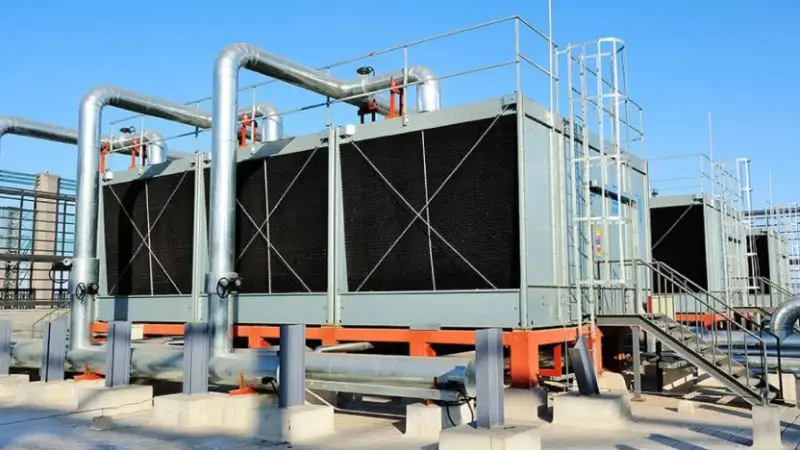
The choice of the appropriate cooling system would be determined by your business surroundings, cooling needs, and business needs. Various plants require varied strategies to ensure the consistency of temperatures and to enhance energy usage. Knowing the types of commercial cooling equipment helps make the process of comparing the available options and selecting a suitable solution quicker. Air-cooled systems for general purposes and high-end refrigeration units for industrial purposes each have their own advantages. Space, usage, maintenance requirements, and the degree of temperature control your business needs are some of the factors that determine the ideal option.
Air-Cooled Cooling Equipment
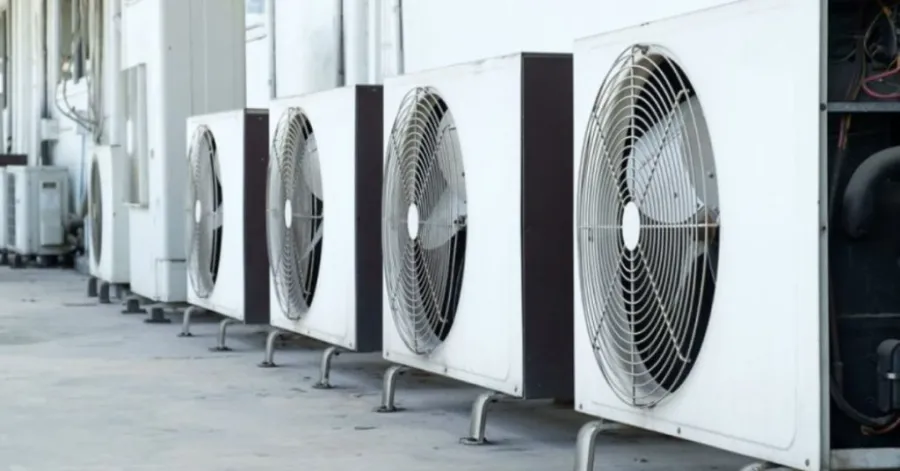
Many businesses prefer air-cooled systems because they are easy to install and maintain compared to other cooling systems. These systems make use of air to extract heat from the refrigerant and expel it to the environment. They are usually applied in offices, shops, restaurants, and other small business premises where there might be a shortage of water. Air-cooled commercial cooling equipment is a viable alternative to businesses that need a reliable temperature control system with no complicated installation. Frequent cleaning and repairs help ensure performance, increase efficiency, and extend the operating life of the equipment.
@truckintoby VEVOR 14,000 BTU Portable Air Conditioners, 3-in-1 Portable AC Unit with Remote Control, for 550-700 Sq.Ft, Cool/Dehumidifier/Fan Mode &Low Noise & Rich Accessories for Home/Office/Dorms, White.. Nice! #vevor #dormlife #TikTokShopCreatorPicks #portableac #TikTokShopBacktoSchool @Vevor_US
♬ original sound - TruckinToby
Water-Cooled Cooling Equipment
Water-cooled systems are built to meet the needs of businesses with high-performance and consistent cooling needs. These systems absorb and transfer heat using water, making them very useful in large facilities with constant cooling requirements. They find application in commercial buildings, industrial plants, and commercial cooling systems of supermarkets where temperatures are needed to remain constant. Water-cooled units are usually efficient for large-scale use, as they can adequately meet high cooling loads. Nonetheless, they should be managed with appropriate water and maintained to avoid performance problems and provide long-term reliability.
Process Cooling and Refrigeration Systems
Refrigeration and process cooling are custom-made solutions for industries that demand a high level of temperature control. These systems are usually used in food processing, pharmaceutical, manufacturing, and storage facilities where maintaining specific temperatures is critical. Commercial food processing cooling equipment is an example of this, which is used to protect the quality and safety of food products and their shelf life. Process cooling systems can be used to meet the demands of challenging applications by providing consistent cooling performance even under continuous operation. Selecting an appropriate refrigeration or process cooling system ensures that businesses operate efficiently and comply with industry standards and operational needs.
Consider Energy Efficiency and Maintenance Requirements
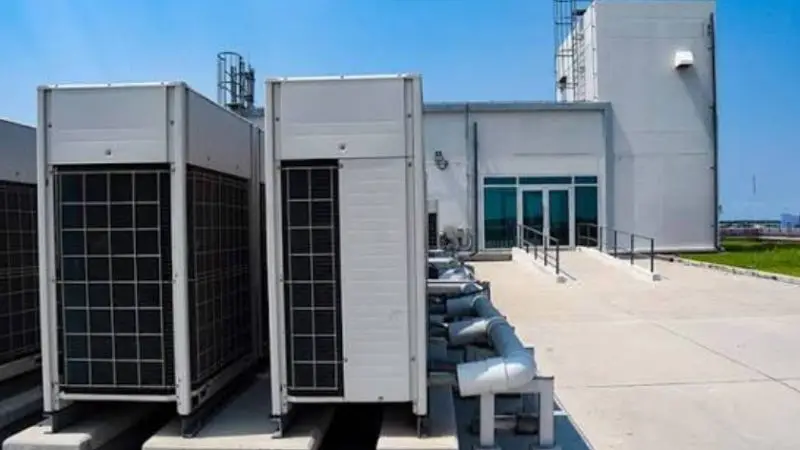
Other factors to consider when investing in a cooling system include energy performance and maintenance needs. A properly designed unit not only offers good temperature control but also helps control long-term operating expenses. When choosing commercial cooling equipment, one factor a business should consider is the system’s energy efficiency and ease of maintenance. Proper maintenance, high-quality parts, and reliable service support may enable longer equipment lifespans and reduce unscheduled downtime. Such considerations will help you purchase a cooling solution that delivers reliable performance and greater long-term value.
Check Energy Efficiency Ratings
Energy efficiency ratings will help you understand how much power a cooling system consumes while operating. More efficient equipment can reduce electricity use while maintaining the same cooling performance. This is also essential for businesses with long-term cooling systems, such as restaurants, warehouses, and supermarkets. In seeking the best commercial cooling equipment, consider those that are built with energy-saving features, have advanced compressors, and have efficient control mechanisms. Selecting an energy-efficient system not only helps reduce operating expenses but also contributes to a more sustainable business operation by reducing energy waste and enhancing overall system performance.
Look for Easy Maintenance Features
When it comes to ensuring cooling equipment works properly, regular maintenance is critical to prevent it from failing without prior warning. Features that simplify cleaning, inspections, and repairs should be considered when selecting a system. The availability of parts and washable filters, as well as easy service needs, can save time and cut down on maintenance costs. Companies that have commercial cooling equipment serving their warehouses or other large establishments benefit from a system that can be serviced quickly, since downtime can affect the business. Equipment that has easy maintenance characteristics can be chosen to enhance reliability, increase the life expectancy of the system, and provide the system with uniform cooling performance over the year.
Consider Warranty and Service Support
Quality warranty coverage and professional maintenance can go a long way toward enhancing the long-term value of your cooling investment. Even good systems can need some repairing, giving new parts or technical support. A manufacturer with good support assists businesses in solving their problems quickly and keeps them running smoothly. Prior to acquiring cooling equipment, check the warranty conditions, service availability, and the supplier’s reputation. This particularly affects the industries that require controlled temperature, which include commercial cooling equipment to food processing plants, where equipment reliability determines the level of productivity and product quality.
Key Factors to Check Before Buying Commercial Cooling Equipment
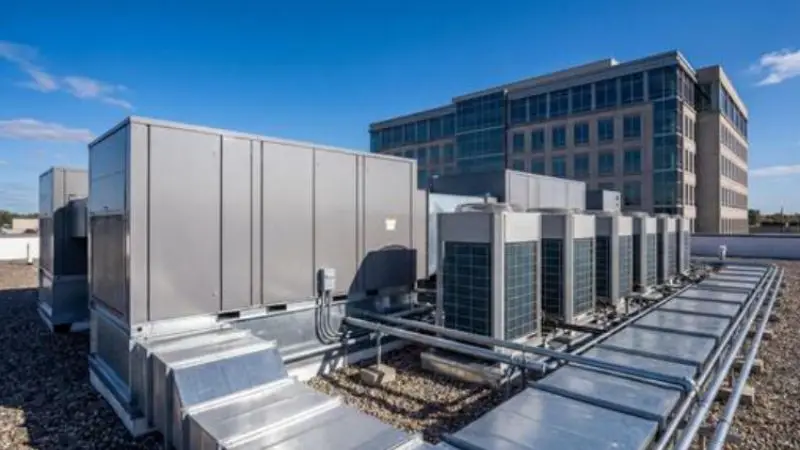
When deciding on the appropriate cooling system, a number of factors are to be considered. A commercial cooling solution is a long-term investment; therefore, businesses need to look beyond the initial purchase cost and consider the solution’s overall performance, reliability, and operating costs. No matter if you require cooling for a retail area, industry, or warehouse, you can make a smarter choice by comparing various alternatives. Knowing what commercial cooling equipment is and how it fits your business will help you choose a system that offers efficient operation, consistent temperature regulation, and long-term value.
Compare Features and Performance
Cooling system features and performance determine how effective it is for your business needs. Before making a choice, consider the cooling capacity, temperature-control features, airflow performance, noise level, and energy-saving technology. Different businesses have varying requirements, so the perfect system must align with your application. For example, the restaurant’s cooling equipment may need rapid cooling and consistent performance during peak season, whereas equipment used in industrial facilities may require high performance. Comparing features helps you locate a system that will provide reliable results and assist with efficient daily operations.
Review Installation and Operating Costs
A cooling system does not only cost as much as the price of purchase. The cost of ownership in the long run depends on installation costs, energy usage, maintenance requirements, and replacement components. A system that is less costly initially can be costly when it needs regular maintenance or consumes a lot of energy. When assessing the best commercial cooling equipment, consider options that strike a balance between cost and efficiency. An adequate design of the installation and maintenance costs will help the business avoid unforeseen expenses and ensure the cooling system works well throughout its service life.
Choose a Reliable Manufacturer
One factor to consider when purchasing reliable cooling equipment is selecting a trusted manufacturer. The quality of the product, technical support, warranty coverage, and availability of spare parts are usually higher with established brands. The right supplier will also enable you to select the appropriate system depending on your industry and cooling needs. This becomes particularly significant when it comes to companies that require constant temperature regulation, like commercial refrigeration systems in supermarkets and other large warehouses. Purchasing equipment from a recognized manufacturer enhances reliability, eases maintenance worries, and offers more confidence in the long-term performance of your cooling system.
Wrap Up
In any business setting, it is important to choose the appropriate cooling system to ensure efficient and reliable operations. With the knowledge of the various commercial cooling equipment types, businesses will be in a position to adopt solutions that suit their unique cooling needs. Energy efficiency, maintenance needs, installation cost, and manufacturer support are all significant factors in making the right choice. Regardless of whether you require commercial cooling in restaurants, warehouses, supermarkets, or food processing facilities, selecting an appropriate system enhances performance and minimizes long-term costs. A carefully designed cooling investment will also help keep the spaces comfortable, preserve products, and facilitate business growth.
FAQ
What is commercial cooling equipment?
Business cooling systems encompass the systems that are used to regulate temperature in business places like offices, restaurants, warehouses, and industrial facilities. These systems offer effective cooling for different applications.
What are the predominant commercial cooling devices?
The primary categories of commercial cooling equipment are air-cooled, water-cooled, refrigeration units, and process cooling solutions that support various commercial and industrial applications.
What is the cooling equipment of restaurants?
The cooling systems installed in restaurants are usually designed to cool the restaurant areas, kitchen, and storage facilities. Restaurant cooling equipment is used to keep things cool and preserve food quality.
Which is the most appropriate commercial cooling equipment?
To locate the most suitable commercial cooling equipment, think about the cooling capacity, energy efficiency, installation, maintenance needs, and temperature control needs of your industry.
Why is energy efficiency important in commercial cooling systems?
The low-energy-consumption cooling systems consume less electricity, have lower operating costs, and offer high dependability. They assist companies in reducing expenses without needing to raise the temperatures and without having to use cooling to keep things cool and comfortable.