You want your solar inverter to last a long time and work well. Solar inverter maintenance helps your system run smoothly and more efficiently. If you check your inverter often, you can find problems early. This stops them from becoming costly repairs. By checking your inverter regularly, you can catch small issues before they lead to expensive repairs. Simple tasks like cleaning dust, checking warning signs, and monitoring energy output can improve performance.
Proper maintenance also helps extend the lifespan of your inverter and ensures reliable power generation. How to maintain a solar inverter at home? Whether you use solar energy for your home, backup power, or an off-grid system, regular care keeps your setup running smoothly. This complete guide explains common problems, maintenance steps, and tips to help you get the best results from your solar inverter.
Signs Your Solar Inverter Needs Maintenance
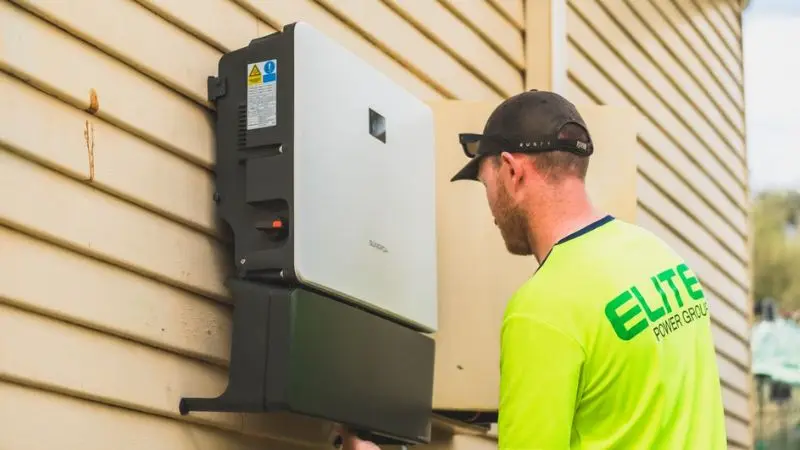
You want to get the best performance from your solar power system every day. In some instances, the inverter will provide clues that it needs maintenance. Doing so can save you money on repairs, avoid damage to your equipment, and increase the useful life of your solar inverter. With preventive maintenance, you can catch larger issues early by identifying these signs. These are the characteristics you should search for:
Warning Lights or Error Messages
An inverter has a display screen. It lets you know how it’s going. Do not ignore a warning light or an error message if it is red or yellow. These alerts indicate there is a problem. Codes such as “fault,” “error,” or “ground fault” may be displayed. Refer to your manual for the meaning of these codes. A step-by-step solar inverter maintenance guide continually monitors various components of the solar energy system. It monitors power generation, electrical connection, voltage, temperature, and performance. The inverter will display a warning light or error message if there is a problem. Other modern inverters will also alert via an app or online monitoring system. This enables users to be promptly notified of problems, even if they are not close to the inverter. Record the error code before a reset.
Reduced Solar Power Output
Increased energy costs – have you noticed higher energy bills? Perhaps your solar panels aren’t generating as much power as they used to. This reduction in output may indicate that your inverter needs assistance. You can monitor your inverter’s display or use a monitoring app. Make a comparison of the numbers today and last month. When you notice a significant difference, it’s time to take action. How often should a solar inverter be serviced? The voltage produced by a solar power system depends on the system’s size, weather conditions, and the amount of sunlight. Normally, the inverter converts the electricity generated by the solar panels into usable power for the house or business. When electricity generation drops suddenly or remains consistently lower than expected, it could indicate a need to address an issue in the system.
Unusual Noises or Overheating
You should get a quiet inverter. Buzzing, clicking, or humming sounds may indicate a problem. Press the side of the unit. If it’s really hot, there is a warning sign. Homeowners can maintain their solar inverters by using a proper maintenance checklist, such as checking for unusual sounds and heat. This feature also contributes to the system’s safety. Ignoring overheated electrical equipment can be dangerous. High temperatures could damage internal components, reduce inverter efficiency, and even cause electrical problems. Regular monitoring of the inverter and prompt action when signs of overheating are noted will help mitigate potential safety hazards and safeguard property and equipment. If an inverter is used under abnormal conditions, it cannot achieve maximum efficiency in its electrical conversion process. The inverter may automatically protect itself by lowering its performance if it overheats.
Frequent System Shutdowns
Is your inverter shutting off very frequently? Your solar power system may not function properly if you experience frequent shutdowns. This problem can be caused by wiring, overheating, or dust accumulation. If you notice this, make an appointment to check it out sooner. A solar inverter converts the electricity produced by solar panels into usable power for your home or business. The inverter should run continuously throughout the day when solar energy is available, under normal circumstances. Early detection of these symptoms enables you to maintain a healthy and secure system. Prevent little problems from becoming large repairs. This function also protects the inverter. The modern solar inverters come with built-in safety features.
Essential Solar Inverter Maintenance Checklist
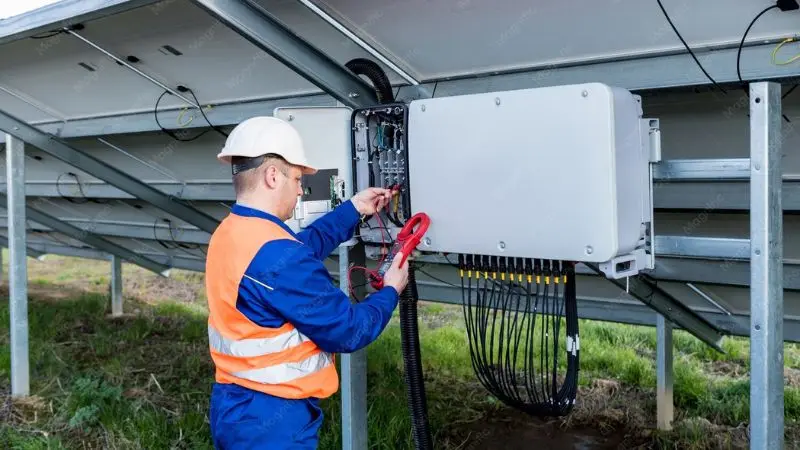
Solar inverter maintenance is essential for the efficient operation of the system and to avoid unexpected issues. Inspect, wipe down, and remove dust and debris, and ventilate to improve the inverter’s performance on the display. Check the connections and monitor energy production data to detect problems early. By following this checklist, you can avoid costly repairs, ensure reliability, and prolong the life of your solar inverter.
Inspect the Inverter Display and Indicators
Check the display on your inverter weekly first. Check for green lights or normal messages. If any warning lights or error codes are showing, document them. This will make it easier to see which changes were made and will aid with corrective maintenance should help be required later. Key points to consider for best practice solar inverter maintenance include continuous monitoring of the performance of solar panels, batteries, and electrical connections. It features a display screen that provides helpful information on power generation, system status, battery condition, voltage, and operation messages. Many inverters also have indicator lights in various colors to show what’s going on in the system. Green typically indicates normal operation, yellow or red may be warnings or faults that need to be addressed.
Clean Dust and Debris Around the Unit
The dust and dirt may accumulate around the inverter. Dry the outside of the unit with a soft, dry cloth. How to maintain a solar inverter at home? Keep the area free of leaves, spider webs, or clutter. Do not spray water or cleaning chemicals on the inverter. A clean space ensures that your inverter is cool and efficient. A solar inverter is a device that continuously converts the electricity produced by solar panels into usable electrical current for your home or business. This process involves the inverter generating heat, of course. It requires adequate ventilation and cleanliness to function properly. This also enhances the energy efficiency. A cooler inverter can work more efficiently and convert the solar energy without losses. High temperatures can significantly reduce efficiency and negatively impact power generation.
Check Ventilation and Cooling Systems
Your inverter must have proper ventilation to keep it cool. Check if there are vents or fans on the unit. Ensure that they’re not obstructed. If any dust is found in the vent, brush it gently. To prevent overheating and maintain a robust solar inverter maintenance schedule, ensure good ventilation. The solar inverter converts the direct current (DC) electricity generated by the solar panels into alternating current (AC) electricity, which is used by household appliances and devices. The conversion process in the inverter produces heat. Like a computer or other electronic device, it must be able to dissipate this heat. If the inverter overheats, it will reduce its performance, shut off temporarily, or even permanently. Users can detect and eliminate any obstruction to airflow through regular inspections.
Inspect Wiring and Electrical Connections
Check the wires and cables that are attached to your inverter. Inspect for loose wires, cracks, or wear. If you see any suspicious activity, contact your electrician immediately and follow the step-by-step solar inverter maintenance guide. Do not attempt to make repairs on electrical components. Preventive maintenance is the practice of fixing small issues before they become larger problems. An initial way to identify trouble is to check the wiring and electrical connections. Sometimes small problems emerge over time and don’t necessarily lead to system failures. For instance, if the connection is loose, it may cause a slight loss of efficiency at first. But over time, it can build up heat and resistance, leading to more serious electrical issues. Periodic checks will help the user recognize these problems in time and prevent them from getting worse.
Monitor Energy Production Data
Monitor energy figures. Typically, most inverters come with a display or an app that shows the amount of power generated daily. Do comparisons weekly. If you see a sharp decline, it may indicate a problem with your system. Promptly resolving issues can save you money and keep your solar power system functioning properly. The most common solar inverter problems and solutions involve regularly monitoring the solar panels’ power output. This is typically presented on the inverter screen or through a mobile app or an online monitoring system. Users can view energy production on a daily, weekly, monthly, and annual basis. These numbers provide a good indication of the solar power system’s performance. Checking regularly will help to avoid costly repairs and maximize the use of solar panels.
How Often Should You Perform Solar Inverter Maintenance?
Alt text: How often should you perform solar inverter maintenance
It is recommended that solar inverter maintenance be performed monthly, quarterly, and annually to ensure your system runs optimally. Monthly checks involve checking error messages, cleaning dust, checking airflow, and listening for unusual noises. Quarterly checks help detect wiring problems and track energy performance before issues escalate. Annual professional servicing involves having the internal components tested, cleaned, and maintained, which helps extend the inverter’s life and guarantees power reliability.
Monthly Maintenance Tasks
Set a reminder on your cell phone. Each month, therefore, head over to your inverter and conduct a quick examination. How to maintain a solar inverter at home? The solar inverter is used daily; it converts the electricity generated by solar panels into usable power for a home or business. Monthly maintenance helps users monitor the inverter’s condition and ensure it runs smoothly. If you notice any unusual behavior, record it. This helps you adapt to changes and plan for corrective maintenance if any occur.
This is a very simple list to follow:
- Check the display for warning lights or error messages.
- Sweep the dust and cobwebs.
- Ensure that nothing obstructs the vents or fans.
- Listen for strange noises.
Quarterly Inspection Tips
Check periodically every three months. Special tools are not necessary. Use only your eyes and ears! How often should a solar inverter be serviced? A solar inverter runs continuously as long as solar power is available. Due to dust, weather conditions, temperature changes, and normal equipment usage, it can be affected by various factors over the years. These checks are done as a form of preventive maintenance. Prevents problems before they happen.
- Look for cracks or loose wires on all wires.
- Check your energy generation information. Make comparisons with months of the past.
- Ensure the inverter is kept cool and that airflow around it is not obstructed.
Annual Professional Servicing
Have a solar installer come in once a year. A professional can open the inverter and inspect the inside. They test the parts you can’t see. They clean, tighten, and ensure everything is working properly. A Solar Inverter is an electronic device that continuously converts electricity generated by solar panels into usable power for the home or business. Gradually, internal components can wear out due to heat, electrical stress, dust, and weather conditions. Other issues may not be apparent on the exterior, but can impact performance. With annual professional servicing, technicians can carefully inspect the inverter and examine parts that users cannot safely access. With regular care, there are fewer surprises. You save power and money from your system.
Common Solar Inverter Maintenance Mistakes to Avoid
By preventing common solar inverter maintenance issues, you can ensure your system operates efficiently and lasts longer. Failure to heed a warning alert, closing down air flow, improper cleaning techniques, and neglecting professional inspections can result in larger issues. Monitoring, cleaning, and appropriate inspection as needed prevent damage and enhance inverter performance. Adhering to safe maintenance practices will help you keep your solar system in good condition and minimize the risk of costly repairs.
Ignoring Warning Alerts
They may display a flashing light or an error message on the inverter. The casual thought that tumbled through my mind was, “I’ll look into it later.” This is a mistake. Warning Alerts are messages that notify you of the need for action. Otherwise, you may have larger problems or even lose power. Therefore, it is crucial to have in mind common solar inverter problems and solutions. Always read the display and write down any error codes. Good preventive maintenance involves taking quick action. This feature also protects the inverter and other solar components. Modern solar inverters feature safety systems that can detect abnormal conditions and warn users. Set a reminder to check your inverter’s display every week. This is to prevent problems from escalating to a dangerous point.
Blocking Airflow Around the Inverter
To keep your inverter cool, follow the step-by-step solar inverter maintenance guide: Boxes, tools, or plants near the unit will obstruct airflow. This can cause overheating in the inverter. The internal components can be damaged by overheating. Maintain a clearance around the inverter. Your solar power system performs better when there is good air flow. Maintain ventilation to avoid overheating. Solar inverters need proper ventilation to release the heat produced during operation.
- Leave a minimum of 1 foot of clearance around the inverter.
- Remove any clutter or debris right away.
Using Incorrect Cleaning Methods
Your inverter must remain clean, but the wrong tools can cause damage. Avoid sprays of water and cleaning products. Don’t use a wet cloth. Don’t mix water and electricity. Dust with a clean, soft cloth. Safe cleaning helps maintain your inverter’s optimal condition. How often should a solar inverter be serviced? A solar inverter is made of delicate electrical components that need to be shielded against physical, chemical, and moisture damage. The inverter can be maintained by simple cleaning measures, including using a dry cloth to remove dust and maintaining the surrounding environment clean. But if water, rough cleaners, or the wrong tools are used, it can damage the unit and shorten its lifespan. A soft, dry cloth is safer for cleaning the outside of the inverter. This is an easy way to help keep the unit clean while avoiding water damage.
Delaying Professional Inspection
If everything seems fine, you may want to skip the annual exam. This is risky. There are issues in the inverter itself that one cannot see. A professional can detect these problems before they get worse. Have an annual check-up to maintain smooth operations in your system. A trained technician will have the equipment and information to make these checks. If you can spot small issues early, you can repair them before they lead to major system failures. This will ensure that users can avoid unwanted failures and properly maintain their solar power systems by providing the solar inverter maintenance checklist to homeowners. Have a solar technician review it yearly. This ensures that your warranty is protected and your inverter remains in good condition. You can help your solar power system operate more efficiently and last longer by avoiding these errors.
DIY Solar Inverter Maintenance vs Professional Maintenance
Basic solar inverter maintenance includes checking the display, removing dust, and monitoring solar energy output, all of which homeowners can perform. But problems with damaged wiring, overheating, error codes, or problems inside the unit must be fixed by a professional solar technician. Proper professional servicing will ensure thorough inspections, protect the system, and support the inverter’s warranty.
Tasks Homeowners Can Handle Safely
There’s a lot you can do to keep your solar inverter in good condition. Keep it simple. Look at the display screen every week. Check for warning lights or error messages. Use a dry cloth to wipe down the outside of the appliance. Ensure that vents or fans are not obstructed. Look out for unusual noises. You can also check the energy app for your energy system to see if it produces enough energy. This step-by-step solar inverter maintenance guide will help you identify issues with your solar inverter at an early stage. The inverter display gives vital information about the system’s performance. It is safe for homeowners to view the screen and see whether the inverter is functioning properly. They can monitor warning signs, fault messages, or unexpected performance fluctuations. Schedule a monthly reminder on your cell phone. This will help you memorize your solar inverter maintenance schedule.
When to Call a Solar Technician
Some jobs require a pro. Call a technician if loose wires, cracks, or burn marks are noted. Do not open the inverter case yourself. If you hear a buzzing noise and/or the unit is extremely hot, seek professional assistance. If your system is shutting down frequently or displaying error codes you don’t understand, a technician can fix it safely. It’s important to adhere to best practices for solar inverter maintenance and contact assistance if you notice any water damage.
Below is a list of some quick times to call a pro:
- Error codes that you cannot clear
- Overheating or a burning smell.
- Wires or parts that are damaged.
- Issues with water or pests
Benefits of Professional Solar Inverter Servicing
A professional knows how to maintain a solar inverter at home. They have special instruments to inspect the inside. They can clean, tighten, and replace things that you can’t access. This helps to maintain a healthy and robust system. Regular service also helps maintain your warranty. This gives you peace of mind that your solar power system is working at its best. Regular solar inverter maintenance will help keep your solar power system strong. For optimal results, do the following:
Monitor your inverter display and listen for unusual noises.
- Remove dust, maintain a clear area.
- Check your energy numbers for changes.
- Have a professional call for annual service.
Keep up to date with your routine. You increase the efficiency and prolong the life of your system. Set up a plan and seek assistance from professionals if necessary.
Wrap Up
Routine solar inverter repair is key to ensuring your solar power system lasts for years and years. You need to check warning alerts and the inverter to identify issues regularly. Cleaning dust, ensuring proper airflow, and monitoring the inverter display are simple practices that will help boost performance. While individuals can perform basic home maintenance, homeowners must have their homes inspected by a professional. You should also avoid common mistakes to prevent damage. Regular monthly, quarterly, and annual maintenance ensures that your inverter performs optimally. With proper care, energy output is enhanced and unplanned shutdowns are prevented. Thanks to the step-by-step solar inverter maintenance guide, the solar inverter can provide reliable power for a long time.
FAQ
How frequently should you monitor the solar inverter?
A solar inverter should be monitored at least once a month. Check for warning lights, error messages, or a decrease in energy output. Periodic inspections allow you to identify issues at an early stage.
If an error code is displayed on the inverter, what should you do?
Note down the error code. Find out the meaning in your manual. If you are unable to repair it, get solar inverter repair service from a professional. Never attempt to open the unit.
Is it possible to maintain the Solar Inverter at home?
The outside can be cleaned with a soft, dry cloth. Leave space around the inverter. Do not use water or spray cleaners! If you need an indoor inverter cleaned, call a technician for solar inverter services.
What might be causing your inverter to overheat?
Blocked vents, dust, or air flow problems can cause overheating. Make sure nothing covers the vents. If the problem continues, call a technician for help.
How long does a Solar Inverter last?
The average life of a solar inverter is 10 to 15 years. Your inverter will last longer and perform better with regular maintenance and annual professional inspections.