Industrial chillers are vital systems applied in most industries to ensure controlled cooling of machines, processes, and production environments. Without adequate maintenance, they may reduce their performance, and this may result in increased energy expenses, malfunctions, and shortened equipment life. Constant chiller maintenance in industries aids in the smooth operations, enhanced efficiency, and consistent cooling performance.
It is noteworthy to know proper maintenance procedures, safety procedures, and how to troubleshoot to ensure the reliability of the system in the long run. This guide explains all in a straightforward and organized manner with major parts, preventive maintenance, and energy conservation methods. With correct procedures, industries will be able to prevent downtime and ensure steady performance in tough working conditions.
- Importance Of Industrial Chiller Maintenance In Industrial Systems
- Key Components Of An Industrial Chiller System And How They Work Together
- Step-By-Step Industrial Chiller Maintenance Process For Reliable System Performance
- Maintenance Checklist For Ensuring Reliable Industrial Chiller Performance
- Troubleshooting Industrial Chiller Issues For Fast And Reliable System Recovery
Importance Of Industrial Chiller Maintenance In Industrial Systems
Industrial chillers are important in ensuring efficiency and stability in large-scale operations. They may deteriorate in performance without proper care, increasing their costs and causing unreliable cooling. Maintenance is important to understand to prevent unnecessary risks in industries.
A properly set up maintenance strategy will make the machines achieve good performance even at peak loads. It is also conducive to long-term operational stability under demanding environments.
In the industrial configurations, it is crucial to take care of the health of the system regularly so as to maintain stable output and control of energy.
Improves Energy Efficiency And Reduces Power Cost
Among the greatest advantages of the proper care of the cooling system, one may mention the decreased energy consumption. Regular cleaning, inspection, and adjustment of the systems prevents them from having to work harder than necessary. This will minimize unnecessary consumption of electricity and enhance performance. Regular maintenance of the industrial chillers will guarantee that the parts of the chiller, such as the coils, filters, and level of refrigerants, remain in a good state. With all these components operating effectively, the system consumes less power to provide the equivalent cooling effect. This directly reduces operation costs over time and helps to sustain more viable industrial operations without compromising on the quality of production or cooling stability.
Prevents Unexpected System Breakdowns
Unintended failures may affect production and cause expensive downtimes. Frequent servicing is used to find out early signs before they become a huge failure. Structured care and attention to detail come in here. After Preventive maintenance of industrial chillers, technicians could be aware of worn-out parts, leakages, or abnormalities in the pressure early. By fixing these small problems as soon as they occur, the possibilities of unexpected system failure are minimized. This guarantees the smooth running operations, reduced interruptions, and increased reliability in the industrial setting where continuous cooling is essential to both machinery and processes.
Extends The Lifespan Of Chiller Equipment
With proper care and timely servicing, industrial cooling systems will last longer. Knowing how to maintain an industrial chiller, operators can minimize wear and tear on critical components. Frequent checking, cleaning, and monitoring avoids the stress on compressors and other important components. This harmonious work minimizes internal destruction and makes the system stable over the years. Consequently, there is no need for frequent replacement of the equipment, and it will save a lot of money in the long run. A properly maintained chiller is also efficient to work under heavy industrial loads to guarantee higher returns on investments and enhance system reliability.
Maintains Stable Cooling Performance
Industrial processes that require controlled temperatures require stable cooling. Any variation can cause changes in the quality of production and efficiency of the system. Careful maintenance means that cooling is maintained at the same level during use. After the Industrial chiller maintenance procedure is used to ensure that the correct pressure is maintained, heat exchange surfaces are clean, as well as the flow of refrigerant. Besides that, learning the troubleshooting and maintenance of Industrial chillers enables one to quickly recognize the problems with performance before they influence production. This regular checkup guarantees the system provides reliable cooling, even under the challenging conditions in the industries, and promotes continuous and quality production performance.
Key Components Of An Industrial Chiller System And How They Work Together
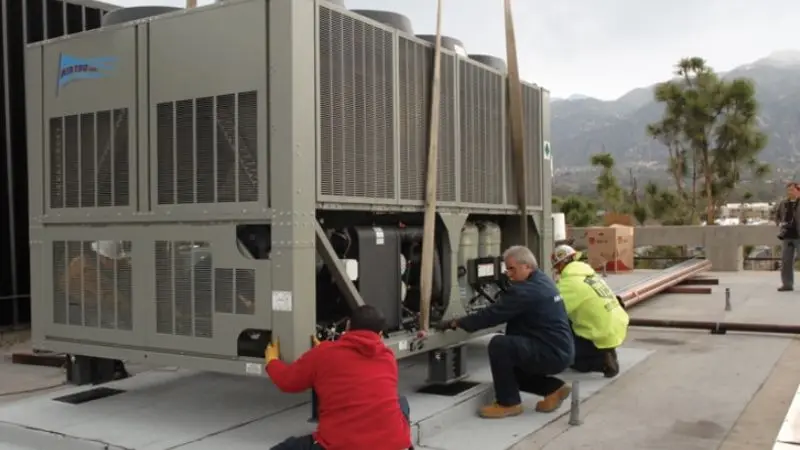
Industrial chillers consist of multiple significant components, which cooperate to provide a steady cooling. All the parts play a particular role in ensuring that there is control of temperature and efficiency of the systems. The knowledge of these sections can assist in improved operation and maintenance planning.
It is also easier and more precise to troubleshoot when there is a clear understanding of the structure of the system.
The focus on servicing tasks should be preceded by an understanding of how every part performs towards performance.
@truckintoby VEVOR 14,000 BTU Portable Air Conditioners, 3-in-1 Portable AC Unit with Remote Control, for 550-700 Sq.Ft, Cool/Dehumidifier/Fan Mode &Low Noise & Rich Accessories for Home/Office/Dorms, White.. Nice! #vevor #dormlife #TikTokShopCreatorPicks #portableac #TikTokShopBacktoSchool @Vevor_US
♬ original sound - TruckinToby
How The Compressor Works In An Industrial Chiller System
The compressor has been known to be the engine of the chiller system since it is the one that circulates the refrigerant. It takes the low-pressure refrigerant gas and presses it into a high-pressure and high-temperature condition. This is necessary to ensure that heat transfer takes place in the system. A properly working compressor guarantees smooth circulation and constant cooling. The periodic care of the chiller in the industry assists in avoiding overheating of the compressor, vibrations, and pressure imbalance. The compressor may not be maintained, and therefore, it can be inefficient in the whole cooling process, and in the long run, the system will end up using more energy and less performance.
Understanding The Role Of The Condenser in the Heat Rejection Process
The condenser helps to release heat that is absorbed by the refrigerant. It transforms the high-pressure gas into a liquid form by cooling the gas with air or water. This is an important step in ensuring the cooling cycle. With a clean and properly functioning condenser, the system will be efficient without any unnecessary load. The knowledge of the process of maintenance of the industrial chiller can assist in the maintenance of coils and tubes of the condenser to avoid dirt and scaling. This may cause a decrease in the efficiency of heat transfer and compel the system to exert more effort, consuming more energy and exhibiting poorer performance.
How The Evaporator Creates The Cooling Effect In The System
The cooling effect actually occurs in the evaporator. It takes heat out of the surrounding process water or air, converting the refrigerant into a gas. This is a process of heat absorption that is necessary for preserving low temperatures in industry. An efficient evaporator will provide stable cooling performance and system performance. The maintenance procedure that is applied to industrial chillers after Preventive maintenance is done to ensure that the evaporator surfaces are clean and do not have any scaling or corrosion. In case the heat exchange efficiency decreases, the system will not be able to sustain the desired temperatures, resulting in performance and increased costs of operation.
Why The Expansion Valve Is Important For Controlling Refrigerant Flow
The flow of refrigerant into the evaporator is regulated by the expansion valve. It decreases the pressure of the refrigerant, which permits the refrigerant to expand and cool easily. This is a controlled flow that is required to ensure balance in the refrigeration cycle. When the valve is faulty, this may interfere with the cooling performance and stability of the system. Efficient knowledge of how to maintain an industrial chiller can facilitate the detection of valve blockage or malfunction at an early stage. Frequent checks will allow the refrigerant to be controlled smoothly without any problems of undercooling or overheating in the system.
How Control Panels And Sensors Manage Industrial Chiller Performance
The control panel and sensors are the brain of the industrial chiller system. They are used to check temperatures, pressure, flow rate, and other critical parameters to give everything a safe range. These elements enable operators to effectively control the performance of the systems and react swiftly to changes. The combination of Industrial chiller troubleshooting and maintenance habits can assist in finding sensor faults or errors in control at an early stage. Failure in these parts may lead to instability or inefficiency of the whole system. Monitoring is a way of ensuring good operation and keeping the cooling performance good in all industrial processes.
Step-By-Step Industrial Chiller Maintenance Process For Reliable System Performance
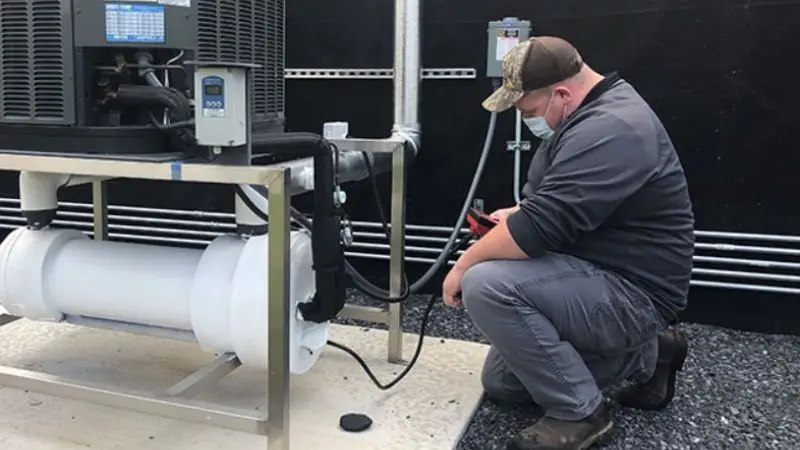
An effective maintenance procedure will ensure industrial chillers operate efficiently and fail without any surprises. The importance of each stage of maintenance is different and ensures the stability of the whole system. The system works better and lasts longer when work is done in an organized manner.
Knowledge of every step also makes operators prevent errors when conducting routine checks.
A uniform and consistent strategy will be more efficient and result in less downtime in the industrial cooling systems.
Daily Inspection Routine Checklist For Safe And Stable Operation
The initial line of defense in system health is a daily check. It includes the verification of elementary working conditions, such as checking temperature, pressure, and observable leakages. The unusual noise or vibration is another thing that operators notice, and which may be a sign of early issues. This regimen will make sure that minor problems are detected before they turn into major flaws. Performing the industrial chiller maintenance procedure daily will ensure consistency in the system and prevent its failure at any time. Regular checking also helps maintain the cooling ability in harsh industrial sites where there is a need to operate continuously.
Weekly Cleaning And Monitoring Tasks For Improved Efficiency
Maintenance is done weekly and is concerned with sanitation and monitoring. Dust and debris may settle on filters, coils, and other parts, impacting heat transfer. Periodic cleaning would ensure smooth air circulation and balance of the system. System logs and performance data are also checked by operators to figure out any unusual trends. Weekly tasks like maintenance of industrial chillers through the application of Best practices will ensure that the system runs efficiently and does not cause undue strain. This is a significant step in ensuring the efficiency of energy consumption and a steady cooling production in the long run.
Monthly Maintenance Activities For Early Fault Detection
Monthly maintenance entails a closer examination of the major components. Technicians measure the level of refrigerant, electrical connections, the work of pumps, and the accuracy of sensors. These checklists are used to detect any latent problems that are not apparent in everyday or weekly activities. Implementing a methodical way of troubleshooting and maintenance of Industrial chillers will result in early identification of the problems before they impact performance. This step plays a vital role in ensuring stability in the long term and avoiding expensive repairs. Monthly servicing maintains the system at equilibrium and makes sure that all its parts are operating within safe operating temperatures.
Annual Servicing Requirements For Long-Term System Reliability
Annual servicing is a comprehensive and thorough check-up of the whole chiller system. It involves thorough inspection, replacement of parts in case of necessity, system calibration, and performance testing. This process guarantees the system is in the best possible condition to carry on the next year. Preventive maintenance of industrial chillers during annual maintenance ensures that the equipment lasts longer and is more efficient. It is also the phase in which a complete system health review is carried out to create long-term reliability. Normal maintenance once a year will minimize the risk of unforeseen failures and will facilitate the continued functioning of the industry.
Maintenance Checklist For Ensuring Reliable Industrial Chiller Performance
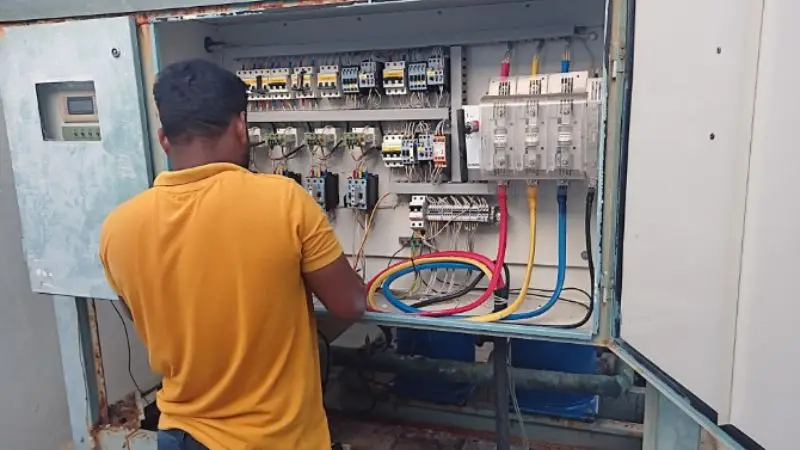
Preventive maintenance is an organized method that assists in maintaining industrial chillers in effective and safe operation. It is aimed at the detection of possible problems before they become critical failures. This minimizes downtime, enhances performance, and increases equipment life.
An explicit checklist simplifies the procedure of maintenance and helps prevent omitting some significant aspects during regular check-ups.
Knowledge of every step of preventive care is vital to long-term stability and energy efficiency of the system.
How To Check Refrigerant Levels In An Industrial Chiller System Correctly
It is necessary to check the refrigerant to ensure that it performs its cooling functions properly. Too low or too high refrigerant can result in the loss of efficiency of the system and increased energy consumption. Periodic checking assists to make sure that the system is running in the proper range of pressure. This is a significant Preventive maintenance activity of industrial chillers because it contributes to preventing cooling imbalance and compressor stress. Technicians tend to check pressure gauges and system operation in order to verify adequate levels. A proper balance of refrigerant will ensure that there is a smooth operation and avoid the eventual destruction of major parts.
How To Inspect Electrical Connections For Safe Chiller Operation
The safety and stability of the operation of industrial chillers are dependent on the electrical connections. Damaged or loose wiring may lead to failure of the system, overheating, or even safety risks. Frequent check-ups are necessary to make sure that all the connections are secure and clean and do not have any corrosion. This is a significant step involved in the maintenance of industrial chillers since any electrical fault may impact the overall performance of the whole system. Technicians look at control panels, wiring terminals, and switches carefully to make sure that all is working correctly. Correct electrical check-ups assist in the reliability of the system and avoid unforeseen halts.
How To Clean Condenser And Evaporator Coils For Better Heat Transfer
The chiller system has heat exchange between condensers and evaporators. As time passes, dust, dirt, and scaling may decrease their effectiveness. Cleaning will ensure that there is restoration of the correct heat transfer and will enhance the overall performance of the system. This job is frequently incorporated into the process of repairing the chillers of industries since clean coils save energy and enhance the cooling performance. Safe cleaning methods are used by technicians to clean up the buildup without destroying the surfaces. The efficiency of keeping coils clean to avoid overworking of the system and having a stable cooling process in industrial use.
How To Monitor Vibration And Noise Levels In Chiller Equipment
Vibration and noise detection allow early detection of mechanical problems of an industrial chiller. Abnormal noises or excessive vibration can signal issues with the compressor, motor, or internal parts. When it is identified early, it can be repaired promptly, and significant breakdowns can be prevented. It is a valuable aspect of Industrial chiller troubleshooting and maintenance, as it can be used to detect the latent defects before they escalate. Monitoring can help to maintain the smooth running of the system and minimize the chances of failure of the system without prior notice. A stable machine is generally running with a low amount of vibration and sound levels.
How To Check the Oil And Lubrication System For Smooth Chiller Operation
The lubrication system and oil make sure that the moving machinery within the chiller is free of friction. Poor or contaminated oil may result in overheating and damage to equipment. Regular checks will ensure a good lubrication rate and system well-being. This is one of the steps in How to Maintain an Industrial Chiller since it has a direct impact on compressor operation and system life. Technicians check the oil quality, level, and circulation to verify that nothing is going awry. The correct lubrication minimizes wear and makes the system efficient when it is subjected to continuous industrial load.
Troubleshooting Industrial Chiller Issues For Fast And Reliable System Recovery
Monitoring and maintenance of an industrial chiller system is a significant aspect of troubleshooting. Early identification of problems enables them to be corrected before they become huge failures. This will minimize the downtime and safeguard the overall system performance.
How To Identify Early Warning Signs Of Industrial Chiller Problems
The initial signs of something being amiss in the system are often in the form of early warning. Such indicators can be abnormal noises, decreased cooling efficiency, unstable temperature, or high energy usage. Listening to such changes will aid in avoiding severe harm. An essential component of the Industrial chiller troubleshooting and maintenance is regular monitoring to enable the operators to identify problems before they become serious. Faults in compressors, valves, or sensors that may not be observed easily during operation can be detected through simple observations. Early detection of these signs will guarantee more adequate protection of the system and a lower chance of sudden failure.
Quick Fixes For Minor Faults In Industrial Chiller Systems
Even minor faults in industrial chillers can be easily fixed in time in case of early detection. These can be plugged filters, loose fittings, or trivial sensor malfunctions. These problems are resolved promptly to resume normal operation of the system. Simple corrective measures are included in the maintenance of industrial chillers since they ensure that the system is operational at all times. It should, however, be noted that care should be taken when making fixes to prevent additional damage. Fast resolution of minor problems enhances system robustness and eliminates their escalation into bigger and more costly problems.
When To Call A Professional Technician For Industrial Chiller Repairs
Professional expertise is a situation where complex issues require a professional to solve them. Issues like compressor breakdown, large-scale leakage of refrigerant, or electrical problems are not to be handled without relevant training. Requesting a technician will guarantee proper diagnosis and repair. It is a significant section of How to Maintain an Industrial Chiller, particularly in the case of critical components in the system. Professional assistance is aimed at restoring the full functionality of the system and avoiding additional destruction. When to turn to professional assistance guarantees reliability in the long run and safeguards the efficiency of the industrial cooling system as a whole.
Wrap Up
To ensure efficiency, safety, and long-term performance of industrial chillers, proper care of the chillers is crucial. A properly planned maintenance schedule minimizes unplanned failures and provides stable cooling in the industrial processes. Adherence to best practices in the maintenance of industrial chillers helps enhance system reliability and reduce operational costs. Periodic maintenance, cleaning, and surveillance also prolong the life of equipment and minimize energy usage.
Learning how to maintain an industrial chiller will enable the operators to identify problems in time and take proper remedial measures before the problems escalate. Through regular care and systematic maintenance, the industries will be able to operate smoothly, increase their productivity, and have a long and efficient cooling performance without any unnecessary interruptions in operation and costly repairs.
FAQ
What is the meaning of industrial chiller maintenance?
The routine process of inspecting, cleaning, and servicing chiller components to maintain efficient cooling performance, minimize breakdowns, and extend equipment life in industrial settings is known as industrial chiller maintenance.
What is the importance of preventive maintenance on chillers?
Preventive maintenance aids in identifying minor problems at an early stage before they develop into larger faults. It enhances efficiency, minimizes downtime, and provides stable cooling operation, minimizing long-term repairs and energy expenses.
What is the frequency of an industrial chiller service?
Checking, cleaning, and maintenance of industrial chillers must be done on a daily, weekly, and monthly or annual basis, depending on usage. Scheduling allows regular performance and avoids any unforeseen system failures.
What are typical issues with industrial chillers?
Popular problems are leakage of refrigerant, blocked filters, compressor malfunction, and power problems. Monitoring can prevent severe damage and ensure the smooth functioning of the system.
What can be done to achieve energy efficiency in chillers?
Regular cleaning, proper load management, smart monitoring systems, and updating of old equipment can help to improve the level of energy efficiency. These measures lower the energy usage and enhance cooling efficiency.