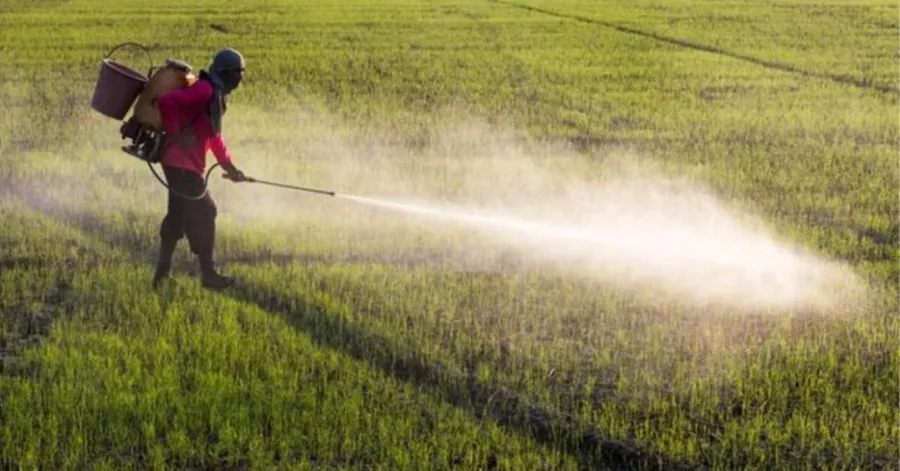
When it is necessary to control weeds in a timely and efficient manner, a foliar spray herbicide is the method of choice. Using this method, the solution can be sprayed directly onto the leaves, where it is quickly absorbed by the plants. Because it targets only the plants you wish to get rid of, a spray is typically the method of choice for spot treatment. The leaf spray approach is most effective when applied to actively growing weeds. During spraying, the herbicide is absorbed by the plant through its leaves, thereby preventing its growth.
In this article, we will discuss how foliar-spray herbicides work and why they are an effective method for weed control. You will learn when to apply it, how it targets actively growing weeds, and the best practices for achieving successful results while minimizing damage to surrounding plants.
What is a Foliar Spray Herbicide?
@beasleysfamily #vevor #vevorttshop #batterypoweredsprayer #bugsprayer #sprayer #sprayerlife #pestcontrol #lawncare #lawnsprayer #garden #gardening #gardenproject #gardenupdate #gardenhack #gardentok #gardening101 #gardendiy #battery #batterypowered
♬ original sound – Beasley
Simple definition of foliar herbicides
How to apply foliar spray herbicide correctly? It helps you control weeds. You spray the solution right onto the leaves. The plant takes in the chemical through its leaf surface. You use this method on weeds that are growing fast. The herbicide gets inside the plant quickly. This way, you can get rid of unwanted plants. You do not have to dig up the soil.
Difference between foliar and soil-applied herbicides
When to apply foliar herbicide for maximum effect? Foliar herbicides and soil-applied herbicides are not the same. Foliar herbicides work on the leaves. Soil-applied herbicides work in the ground. When you use foliar spray, you treat the parts you can see. Soil-applied herbicides enter the soil and affect roots or seeds. Foliar-spray herbicide provides fast results and is good for spot treatments. Soil-applied herbicides help prevent weeds from growing.
Common examples of foliar spray herbicides
There are many herbicides for foliar spraying. Some common examples are:
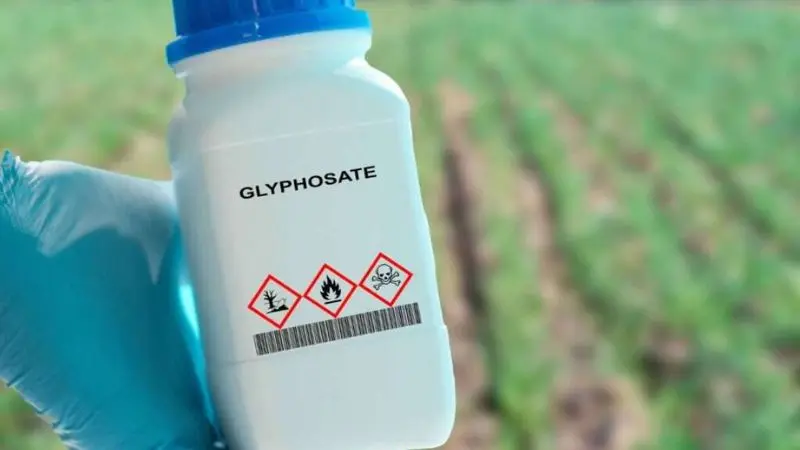
- Glyphosate: You use it to kill many kinds of weeds.
- 2,4-D: You spray this to get rid of broadleaf weeds.
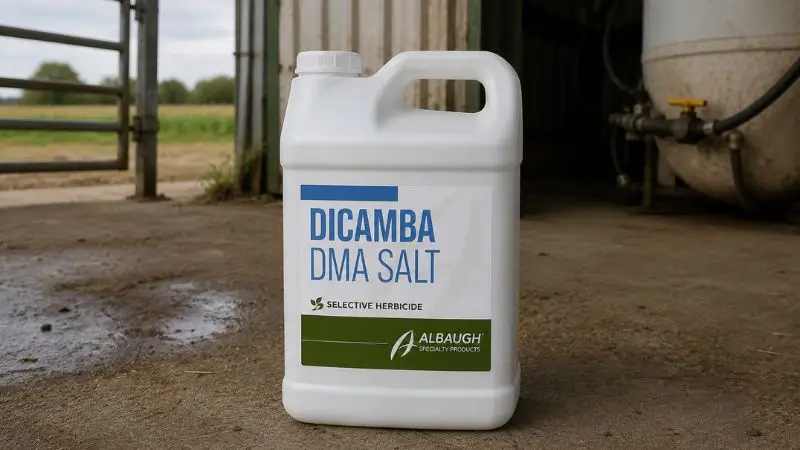
- Dicamba: You use this for weeds that are hard to kill.
- Glufosinate: You spray this for quick action against annual weeds.
You pick the right herbicide for your weed problem. Each foliar spray works best if you follow the label directions.
How Does Foliar Spray Herbicide Work?
Absorption through leaves and plant surfaces
The best foliar herbicide for broadleaf weeds is applied directly to weed leaves. Leaves are like open portals for herbicides. The mode of action begins with contact between the liquid and the leaf surface. The pesticides seep through the leaf’s waxy coating and into the microscopic pores where the plant absorbs them. “The mode of action is independent of the soil, so you get results faster. The spray covers the plant, and the mechanism of action begins as soon as the herbicides come into contact with the leaf.
Role of stomata in herbicide uptake
Stomata are tiny pores on the surface of the leaf. You can think of them as the plant’s breathing holes. They are foliar herbicide application rate per acre that work by entering the plant through stomata. During the day, the stomata open and close. If you spray when the stomata are open, then the mode of action is faster. Herbicides can travel through these pores and reach the interior of the plant. The mode of action depends on the extent of stomatal uptake of herbicides.
Systemic vs. contact herbicide movement in plants
When foliar spray herbicide for crop protection are inside the plant, their mode of action may involve two mechanisms. Some herbicides act systemically. You spray these on the leaves, and the mode of action takes the herbicides throughout the whole plant. The herb dies from within. Other herbicides are contact herbicides. The mode of action only affects the part of the plant you spray. If you miss a spot, the weed may not die. Before you choose a spray, you need to know the mode of action. Systemic treatment is more effective on persistent weeds. Contact mode of action works well for small or immature weeds.
Types of Foliar Herbicides
Systemic foliar herbicides
How does foliar herbicide work on weeds? Systemic herbicides kill brush from inside the plant. These herbicides move from leaves to roots. You use them for brush management because they reach all parts. If you want to kill roots, spray the leaves and wait. Systemic herbicides help control huisache and tough brush. You can spray large areas with high-volume foliar spraying. When you mix the solution right, you target the whole brush.
Contact foliar herbicides
Contact herbicides work quickly. You spray them right on the brush. When to apply foliar herbicide for maximum effect? The chemical kills only the parts it touches. You use contact herbicides when you need fast results. If you miss a leaf, the brush can live. You must cover every leaf with spray. Contact herbicides do not reach the roots. You use them for small brushes or for weeds that are close together. These herbicides help you control brush without waiting for root kill.
Selective vs non-selective foliar herbicides
Whether you use selective or non-selective herbicides will depend on what you are trying to do. Selective herbicides kill certain brush or weeds. You utilize them to shield other plants. Non-selective herbicides kill any brush they contact. The best foliar herbicide for broadleaf weeds are used to clean large regions. Select herbicides if you want to maintain some brush. If all brush is to be eliminated, apply non-selective herbicides.
| Type | Targets | Use Case |
| Selective | Specific brush | Protect other plants |
| Non-selective | All brush | Clear large areas |
How to apply foliar spray herbicide correctly? It helps you control the brush. You pick the right herbicide, mix it well, and spray at the right time. This method helps you manage brush, weeds, and huisache.
Advantages of Using Foliar Spray Herbicides
Fast absorption and quick weed control
Foliar herbicide application rate per acre gives you quick results. Herbicides translocate rapidly through the leaves. The spray coats the brush and starts to work immediately. You can watch the weeds wilt in no time. This strategy helps you keep the brush from spreading. You don’t have to wait for soil action. Spraying herbicide on leaves gives you fast weed control.
Targeted weed management
Spray the selected brush with a foliar-spray herbicide—sprayscides money-saver the plants you want to eliminate. You spray the bushes you see. This strategy will protect the other plants. You let the crops or grass alone. The targeted treatment keeps your land healthy. You brush control with no effect on the complete area.
Reduced soil contamination
Herbicides sprayed on leaves keep the soil cleaner. Foliar spray herbicide for crop protection remains on the leaves and does not blend with the dirt. You are the protector of the earth against contaminants. With this method, you may regulate the bush without harming the roots or soil life. You protect your land for future crops. Spraying herbicides on the leaves reduces the chance they will leak into the soil.
Cost-effectiveness in agriculture:
How does foliar herbicide work on weeds? Herbicides as foliar sprays are a money-saver. Herbicides are rapid and use less product. You simply spray the brush you want to control. This strategy cuts your weed management costs. You spend less on labor and tools. Farmers spray pesticides on leaves to control brush and increase crop yields.
| Benefit | How It Helps You |
| Fast action | Quick brush control |
| Targeted spray | Less waste, more savings |
| Clean soil | Safe for crops |
| Lower costs | Efficient treatment |
Foliar-spray herbicide offers many advantages. You control brush quickly, protect your soil, and save money. You make your herbicide application more effective and safer for your land.
Limitations and Risks of Foliar Herbicide Application
Risk of drift and crop damage
When to apply foliar herbicide for maximum effect? When using herbicides for brush control, watch for drift. DRIFT occurs when the spray wanders off the target bush. The spray can blow to nearby plants on the breeze. This can damage the crops or grass you want to preserve. You may see yellow leaves or dead areas in your field. It wastes your insecticides; it kills brush you don’t want killed. Check the weather before you spray. Use the proper nozzle to keep the spray as close to the brush as feasible.
Environmental and health concerns
Herbicides can affect the environment if not used properly. How to apply foliar spray herbicide correctly? Spraying a brush can put certain herbicides in water or soil. This can injure nearby fish, insects, or other animals. Gloves and masks must be worn when applying herbicides. Some herbicides may cause skin or eye problems. After you spray, keep children and dogs away from the brush. Always read the label for information on safe use. Proper use of herbicides is an important way to protect nature and your health.
Weather dependency (rain, wind, temperature)
Weather plays a crucial role in the effectiveness of herbicides on brush. The spray may be washed off before the brush can absorb it. The wind might waft the spray off the brush. Herbicide uptake by the brush can be slowed by hot or cold weather. Check the weather before you plan your treatment. Spray in dry, calm weather. This causes the herbicides to stick to the bush and operate effectively. Weather is key to getting the most out of your herbicide application.
Best Practices for Applying Foliar Spray Herbicides
Proper timing for application
Always pay attention to the weeds’ growth stage when using foliar herbicide application rate per acre. Spray when the weeds are growing rapidly and have healthy leaves. The best time is early morning or late afternoon when the temperature is pleasant. You don’t spray into high wind or rain. This helps the spray stick to the leaves and operate better. You obtain better results if you do it at the appropriate time.
Correct dosage and mixing guidelines
Before mixing any spray solution, check the herbicide label directions. The label will give you the proper concentration for each cannabis variety. The recommended spray mix should be measured accurately. “Too much foliar spray herbicide for crop protection can kill other plants.” Too little will not kill the weeds. Always use clean water to mix the solution. Stir until it appears uniform. This helps the herbicides do their job.
Equipment and spray nozzle selection
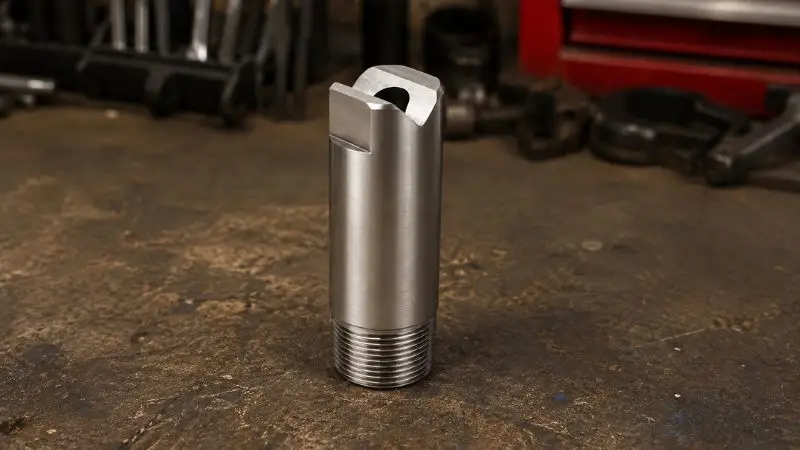
You need the right equipment for good results. Choose the best foliar herbicide for broadleaf weeds that fits your field size. Use a nozzle that gives even coverage. Flat-fan nozzles work well for most herbicides. Check your sprayer for leaks before you start. Clean the equipment after each use. This keeps the herbicides from mixing with other chemicals.
Safety precautions for farmers
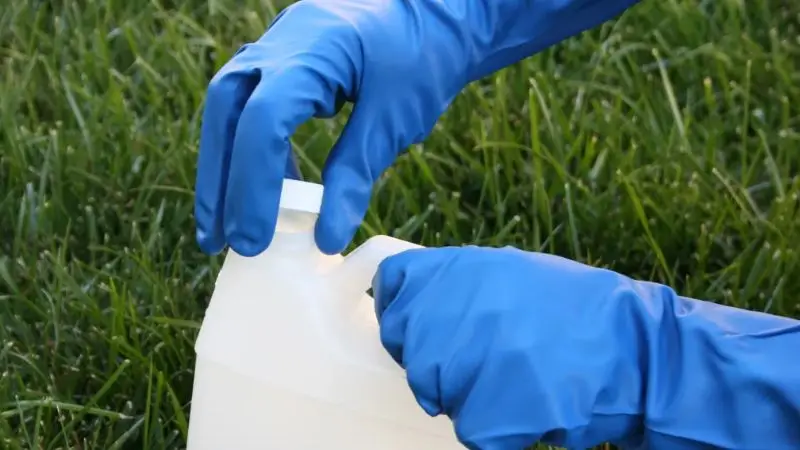
When you handle pesticides, you must protect yourself. Wear gloves, goggles, and long sleeves. When you are done spraying, wash your hands. Keep children and pets away from the area. Herbicides: Store in a safe place. Follow all safety procedures on the pesticide label directions. This protects you and your family.
Conclusion
With the assistance of a foliar spray herbicide, you can eliminate weeds more quickly. Spraying the herbicide directly onto the plant’s leaves is the application method. In situations where the weeds are growing quickly, this method is the most effective. You can remove undesirable plants to protect the crops you are growing. Apply the spray at the right time and always follow the safety protocol. Before making a choice, it is important to consider both the positive and negative aspects of this method.
FAQ
What is the best time to apply foliar spray herbicides?
You should spray herbicides when weeds are growing fast and their leaves look healthy. Early morning or late afternoon works well. Avoid spraying herbicides during rain or strong wind. This helps herbicides stick to leaves and work better.
Can you mix different herbicides?
You can mix some herbicides, but always read the label first. Some herbicides do not work well together. Mixing the wrong herbicides can harm your crops or reduce weed control. Ask an expert if you feel unsure.
How long does it take for herbicides to work?
Herbicides usually show results in a few days. Some weeds may wilt within 24 hours. Other weeds take longer to die. The speed depends on the type of herbicide, the weather, and the weed’s growth stage.
Are foliar spray herbicides safe for pets and children?
You must keep pets and children away from sprayed areas. Herbicides can cause health problems if touched or swallowed. Wait until the spray dries before letting anyone near the treated area. Always follow safety steps on the herbicide’s label.
What should you do if it rains after spraying herbicides?
If rain falls soon after you spray herbicides, the treatment may not work well. Rain can wash herbicides off the leaves. You may need to spray again. Check the herbicide’s label for rainfast times before you start.