See what devastation a broken winch cable can wreak. It is feasible to fix a broken winch cable. Then, determine the most effective way to solve the issue based on your requirements. You should always wear gloves and eye protection when you start. It is of the utmost significance to be safe. Repairing the winch cable will ensure your gear is ready for vehicle retrieval. Whether you need a temporary remedy or a permanent restoration, we can provide that for you. Keep your confidence and move on, each step carefully.
In this article, we will speak about how to safely and properly winch cable repair for car recovery and towing work. You’ll learn about interim repairs, permanent repair techniques, essential safety gear, inspection tips, and the best ways to keep your winch cable strong, reliable, and ready to go.
Signs Your Winch Cable Needs Repair or Replacement
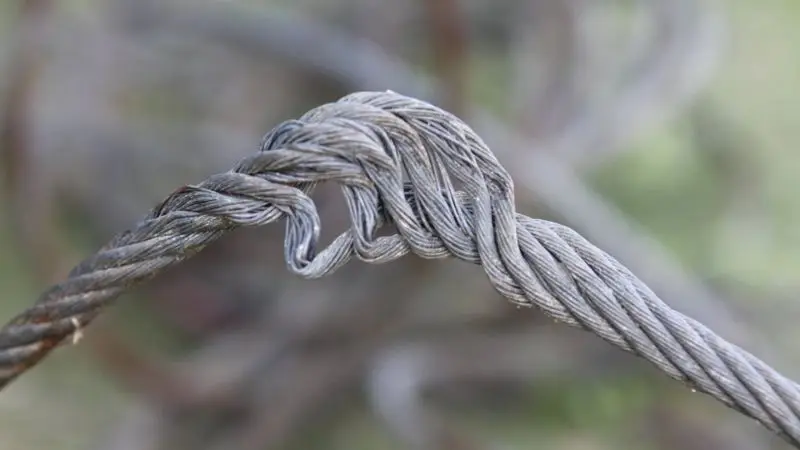
Fraying, Kinks, and Broken Strands
How to repair a winch cable? Check your winch cable for any fraying, kinks, or broken strands. These flaws degrade the cable, making it unsafe to use. If you find wires hanging out or the cable is twisted, something needs to be done. This cable in this state can snap under load. Before utilizing the winch again, you should plan a repair or replacement.
Rust and Corrosion in Steel Cables
Rust and corrosion sometimes show up on steel wires as orange or brown spots. Can a winch cable be repaired? These stains are signs of moisture damage to the metal. The corrosion makes the cable fragile and more likely to break. Never ignore rust. Whether you can see it, clean the area up, and see whether a repair can be done. Sometimes you might have to change the cable for safety reasons.
Tip: Store your winch cable in a dry place to prevent rust and corrosion.
Weak Pulling Power or Slipping
How to fix a frayed winch cable? If your winch cable is slipping or not pulling as much as it used to, you may have internal damage. The cable may have stretched or gone slack. You need to kill the winch and look at the cable. Accidents happen due to insufficient pulling power. Fix the problem before your next recovery job.
Visible Cuts or Abrasions in Synthetic Rope
Sharp pebbles or uneven surfaces can damage synthetic winch ropes through abrasion and cuts when they come into contact. Look for places that are worn, seriously damaged, or have fuzzy areas. These markings indicate that the rope should not be utilized. Replace or repair the rope immediately to prevent it from breaking in use.
Common Causes of Winch Cable Damage
Overloading the Winch Beyond Capacity
If you try to lift more weight than the winch is capable of, you can break a winch cable. Can a winch cable be repaired? Each winch is marked with its maximum load rating. If you exceed this limit, the cable may expand, break, or develop weak spots. Always assess the weight of the object before you begin to tug. Using your winch at its rated capacity will help you avoid sudden breakdowns and repairs.
Improper Spooling Techniques
If you don’t wind the cable on the drum the right way, you can get hurt. Loose or unequal layers will produce pressure points. These points could be kinks or crushed areas. Attempt to distribute the cable evenly on the drum. This step-by-step winch cable repair preserves the cable’s strength and reduces the risk of a repair.
Tip: Always keep tension on the cable while spooling to prevent tangles.
Exposure to Weather and Corrosive Environments
Rain, snow, and mud can all be hard on your winch cable. How to repair a winch cable? Steel cable is vulnerable to corrosion, and synthetic rope to UV light or chemical degradation. Keep your winch dry while not in use. The cover above the winch also protects it from the weather. Check for weather damage and get it repaired before you use the winch again.
Lack of Regular Maintenance and Lubrication
You should routinely inspect and service your DIY winch cable repair for rubbing and build-up of dirt and grit. Oil the steel cables to keep them supple and to prevent rust. Remove any debris from any artificial rope. Routine maintenance gives you the chance to identify a problem early and book a repair before the damage gets worse.
Tools and Materials Needed for Winch Cable Repair

Essential Hand Tools for Repairs
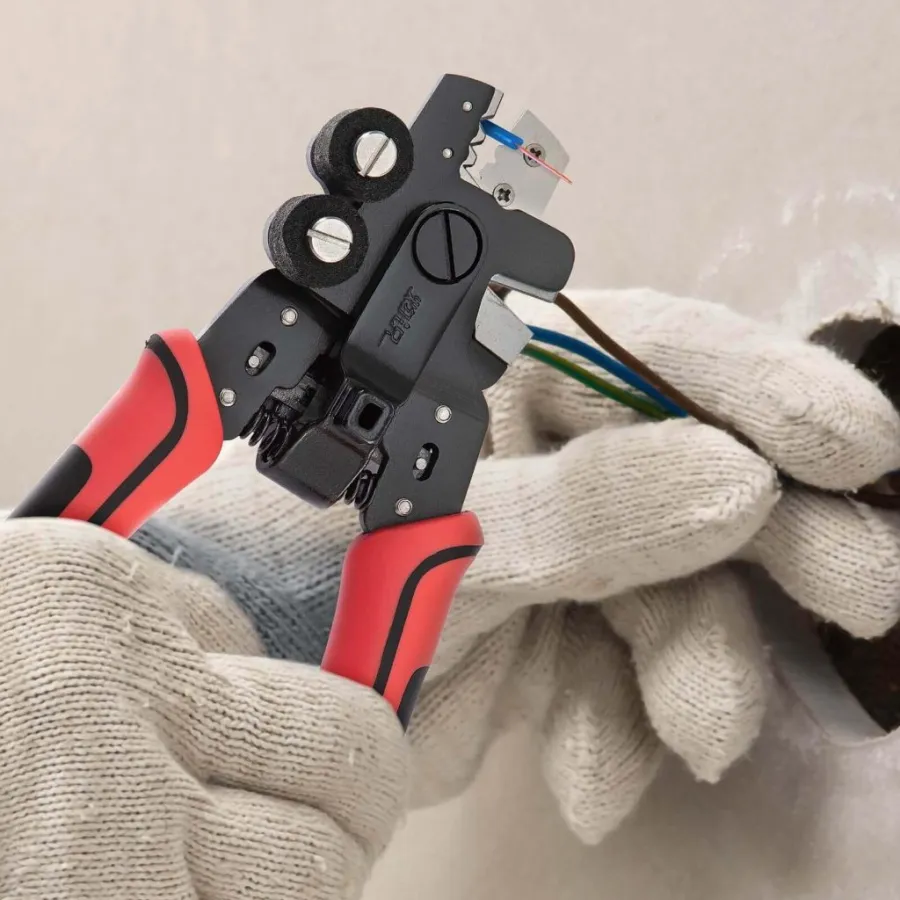
Basic tools are needed for repairing damaged winch wire rope—pliers (for grabbing and twisting wires). Cut broken sections out with wire cutters. Use wrenches to loosen the nuts on the winch drum. A flathead screwdriver can help break apart cable strands. These tools should be stored in your vehicle or garage, so you have easy access.
Tip: Always check your tools before you begin. Clean tools work better and keep your hands safe.
Replacement Parts and Cable Kits
To repair successfully, you need the correct replacement parts. Look for cable kits that fit your winch model. These kits often include replacement cables, hooks, and fasteners. If you are using synthetic rope, utilize a kit meant for DIY winch cable repair. You may get these kits at auto parts stores or online. Cable length and thickness must be compatible with your winch.
| Replacement Part | Purpose |
| Cable/Rope | Replaces damaged line |
| Hook | Attaches to objects |
| Fasteners | Secures cable ends |
Safety Gear for Winch Cable Handling
You will be covering your own back on any repair. Can a winch cable be repaired? Wear heavy-duty gloves to guard against cuts from frayed wires. Safety glasses protect your eyes from particles flying around. Closed-toe shoes protect your feet from dropped tools. And you should wear a long-sleeve shirt to protect your arms.” Safety gear helps you stay injury-free and work with confidence.
Optional Accessories for Maintenance
You can also utilize other accessories to make the upkeep easier. How to fix a frayed winch cable? Cable lubricants stop rust and keep steel cables supple. Synthetic rope is cleaned with cleaning brushes. Cable bags protect your cable from weather damage. You can also use a cable tensioner to spool the line uniformly. With these attachments, you can extend the life of your winch cable and avoid frequent replacements.
Step-by-Step Guide to Winch Cable Repair
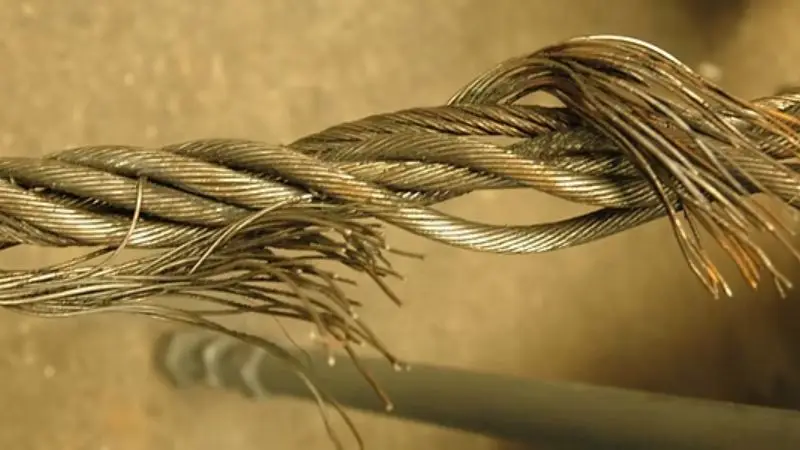
Step 1 – Inspecting the Damage Thoroughly
First, take a good check at the cable or rope. Check for frays, kinks, broken strands,s or corrosion. If you use a synthetic rope, examine it for any cuts or worn areas. Wear gloves to protect your hands. A close check will tell you whether you need a quick repairing damaged winch wire rope or a complete replacement.
Tip: Shine a flashlight on the cable to spot hidden damage.
Step 2 – Safely Removing the Damaged Cable Section
Disconnect the winch from its power supply. Loosen the fasteners with pliers or a wrench. Cut off the damaged segment of the cable or rope. If you are going to repair the winch rope, cut away only the damaged part. Keep the rest of the line as long as you can.
Step 3 – Repairing Minor Cable Frays or Kinks
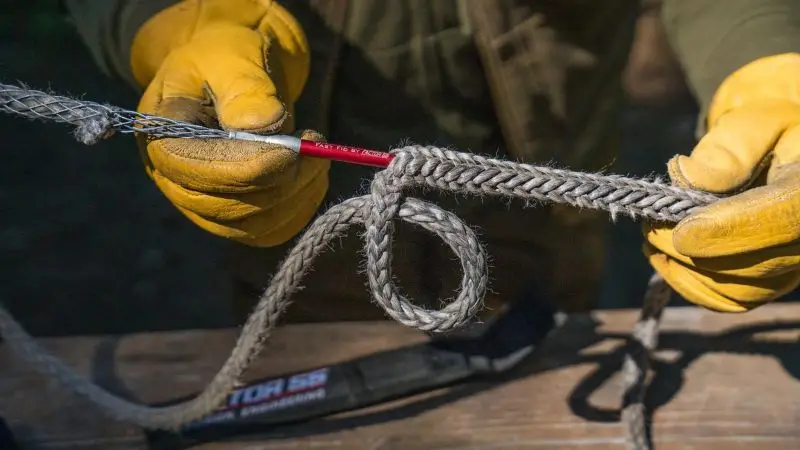
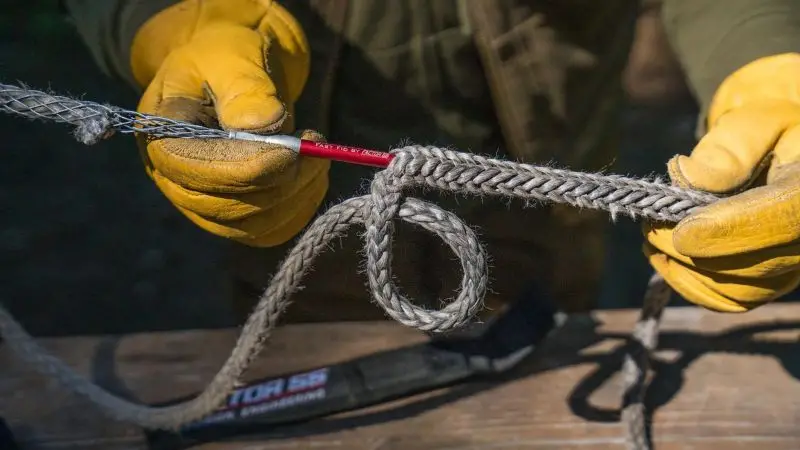
Minor frays or kinks are repairable with a cable clamp or correct splice. For steel cables, fix the free wires with a clamp. Synthetic rope – repair winch rope with a braided splice. Follow the directions in your repair kit. This procedure works for minor damage and lets you avoid a full DIY winch cable repair.
Step 4 – Replacing the Winch Cable When Necessary
How to fix a frayed winch cable? Replace the wire if it has severe cuts, heavy rust, or many broken strands. Remove the old drum string. Make sure you use the proper fasteners to hold the new wire or rope in place. Verify that the new line is appropriate for your winch’s size and power. Follow these procedures to safely and securely fix your winch wire.
Step 5 – Re-spooling the Cable Correctly
The cable or rope should be set flat on the drum. And yet, as you wind it in . . . sustain the strain. To keep the line from bunching up, keep it going back and forth. Get your winch cable spooled well, and you don’t have to deal with extra damage, and it’s easy to fix next time.
Note: Always test your winch after any repair to the winch rope or cable work.
Winch Cable Repair vs Replacement: Which Is Better?
When You Can Repair Instead of Replace
How to repair a winch cable? If you detect a few defects, you can repair your winch cable. These may include slight fraying, minor kinks, or a few broken strands. If the cable is in good condition and retains its shape, repair it with a clamp or splice. After each use, inspect your cable, particularly if you have used it to recover a vehicle. If the damage is only superficial, you may fix your winch fast and have it back in working order. Catching small problems early can save you time and money.
Tip: Always test your cable after you fix it to make sure it is safe.
When Replacement Is the Safer Option
If you detect deep cuts, extensive corrosion, or many broken strands, you need to repairing damaged winch wire rope. If the cable seems weak or slips when you use it, it is better to replace it. Never utilize a cable that is really worn out. A fresh cable gives you confidence that your winch will work. Change the cable, protect yourself and your stuff, and stay secure.
Signs that require replacement:
- Big areas of fraying
- Bad rust
- Not enough pulling power
- Damage you can see after a repair did not work
Cost Comparison Between Repair and Replacement
It’s cheaper to fix a step-by-step winch cable repair than to get a new one. Small repairs can be made with clamps or splices, and they don’t cost much. New cables and ropes are more expensive, especially if you select a decent brand. You also need to consider the time each option takes. Repairs are faster, but a new cable is safer over the long term.
| Option | Cost | Time Needed | Safety Level |
| Repair | Low | Short | Medium |
| Replacement | Higher | Longer | High |
Think about the cost and how safe you want to be. If you use your winch a lot, getting a new cable might be the best idea.
Conclusion
You should now know how to safely and properly winch cable repair and replace a winch cable. Select an appropriate repair method based on the type and extent of cable damage. By frequently cleaning, checking, and maintaining it, you’ll keep your winch cable robust, trustworthy, and ready for recovery operations. Always wear hand and eye protection while working on the cable, and if the damage looks unsafe or permanent, stop. Taking care of your winch and using it correctly will help it work better, reduce the risk of accidents, and extend the lifespan of your recovery equipment.
FAQ
How often should you ispect your winch cable?
You should check your winch cable before every use. Look for frays, rust, or cuts. Regular inspection helps you catch problems early and keeps your winch safe.
Can you repair a synthetic winch rope in the field?
Yes, you can fix small cuts or frays with a braided splice. Carry a repair kit in your vehicle. Quick repairs help you finish your trip safely.
What is the best way to prevent winch cable damage?
- Store your winch in a dry place.
- Clean and lubricate steel cables.
- Avoid overloading your winch.
- Spool the cable evenly after each use.
Is it safe to use a winch cable with minor rust?
You should avoid using a cable with rust. Even small rust spots can weaken the cable. Replace the cable if you see rust spreading or if the cable feels brittle.